Xu Dongliang, Wang Xingjie, Jiang Chenyi, Ruan Yuan, Xia Shujie, Wang Xiaohai
Department of Urology, Shanghai General Hospital, Address: No. 100 Haining Road, Hongkou district, Post code: 200080, Shanghai, China; Telephone: +86 13916482122 (Wang); Telephone: +86 15301655577 (Xia).
EXCLI J. 2017 Jun 22;16:939-948. doi: 10.17179/excli2017-335. eCollection 2017.
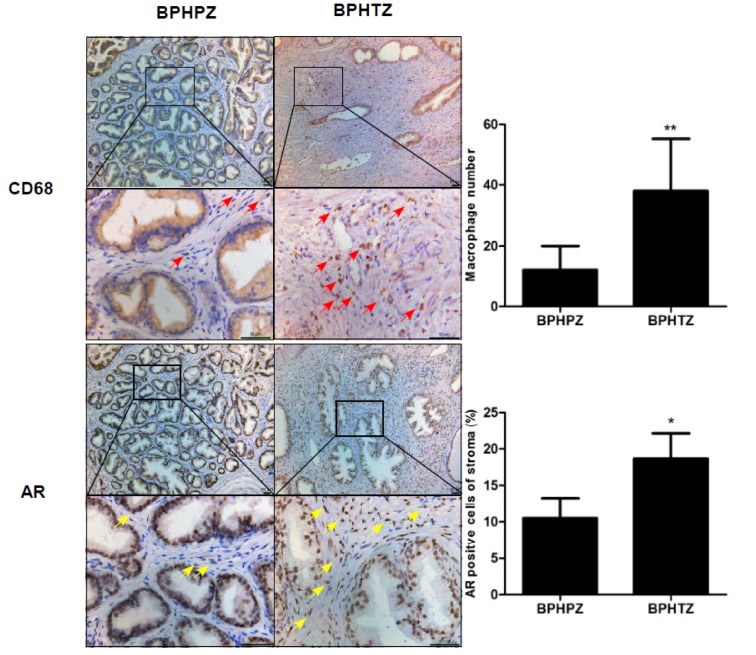
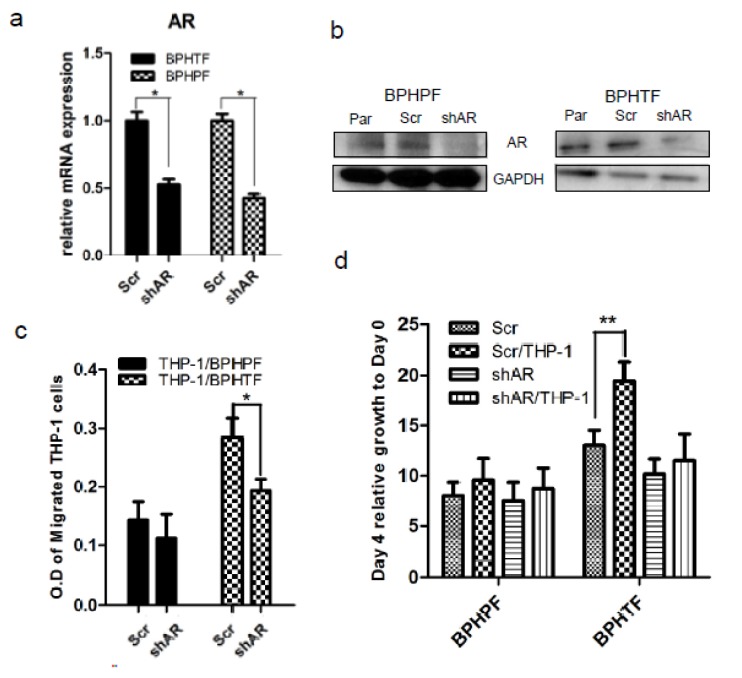
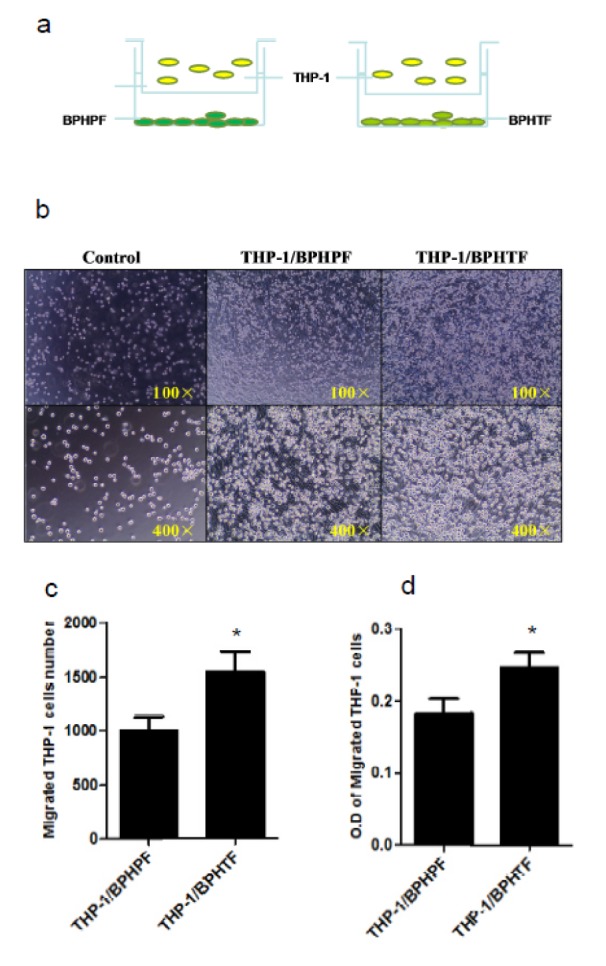
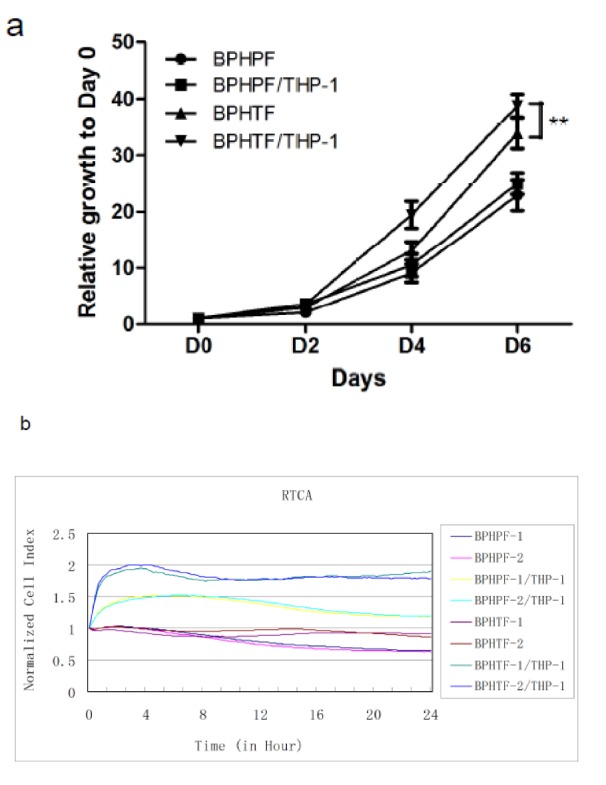
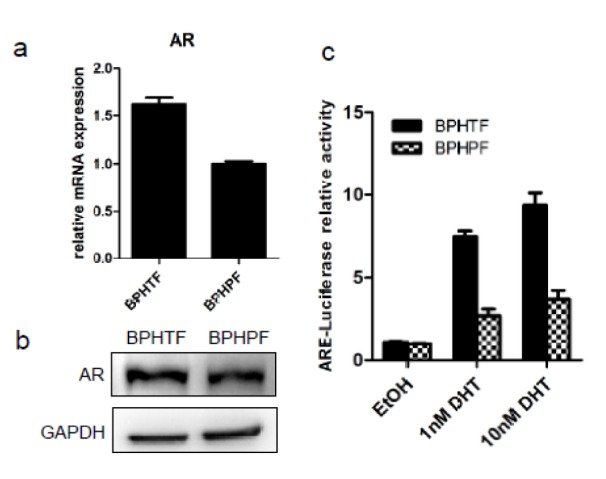
Macrophages play a critical role in the process of excessive stromal proliferation of benign prostatic hyperplasia (BPH). In our previous study, we used a BPH mouse model to elucidate a potential mechanism whereby macrophage infiltration promotes stromal cell proliferation in the prostate the androgen receptor (AR)/inflammatory cytokine CCL3-dependent pathway. In our present study, we used the co-culture system of human macrophages and various prostatic zone stromal cells to further demonstrate that infiltrating macrophages promote prostatic stromal cell proliferation through stromal AR-dependent pathways, and we show that the stroma of TZ and PZ respond to macrophages differently because of differences in stromal AR signaling; this could possibly be one of the key pathways for stromal expansion during BPH development and progression. We hypothesize that AR and different downstream inflammatory mediators between TZ and PZ could serve as potential targets for the future design of therapeutic agents for BPH and our results provide significant insights into the search for targeted therapeutic approaches to battle BPH.
巨噬细胞在良性前列腺增生(BPH)的过度基质增殖过程中起关键作用。在我们之前的研究中,我们使用BPH小鼠模型来阐明一种潜在机制,即巨噬细胞浸润促进前列腺基质细胞增殖——雄激素受体(AR)/炎性细胞因子CCL3依赖性途径。在本研究中,我们使用人巨噬细胞与各种前列腺区基质细胞的共培养系统,进一步证明浸润的巨噬细胞通过基质AR依赖性途径促进前列腺基质细胞增殖,并且我们表明,由于基质AR信号的差异,TZ和PZ的基质对巨噬细胞的反应不同;这可能是BPH发生和发展过程中基质扩张的关键途径之一。我们假设,TZ和PZ之间的AR和不同的下游炎性介质可作为未来BPH治疗药物设计的潜在靶点,我们的结果为寻找对抗BPH的靶向治疗方法提供了重要见解。