• 文献检索
  • 文档翻译
  • 深度研究
  • 学术资讯
  • Suppr Zotero 插件Zotero 插件
  • 邀请有礼
  • 套餐&价格
  • 历史记录
应用&插件
Suppr Zotero 插件Zotero 插件浏览器插件Mac 客户端Windows 客户端微信小程序
定价
高级版会员购买积分包购买API积分包
服务
文献检索文档翻译深度研究API 文档MCP 服务
关于我们
关于 Suppr公司介绍联系我们用户协议隐私条款
关注我们

Suppr 超能文献

核心技术专利:CN118964589B侵权必究
粤ICP备2023148730 号-1Suppr @ 2026

文献检索

告别复杂PubMed语法,用中文像聊天一样搜索,搜遍4000万医学文献。AI智能推荐,让科研检索更轻松。

立即免费搜索

文件翻译

保留排版,准确专业,支持PDF/Word/PPT等文件格式,支持 12+语言互译。

免费翻译文档

深度研究

AI帮你快速写综述,25分钟生成高质量综述,智能提取关键信息,辅助科研写作。

立即免费体验

二叶式主动脉瓣相关流体动力学改变的4D血流分析:无临床相关主动脉解剖重塑时壁面剪应力改变的证据

4D Flow Analysis of BAV-Related Fluid-Dynamic Alterations: Evidences of Wall Shear Stress Alterations in Absence of Clinically-Relevant Aortic Anatomical Remodeling.

作者信息

Piatti Filippo, Sturla Francesco, Bissell Malenka M, Pirola Selene, Lombardi Massimo, Nesteruk Igor, Della Corte Alessandro, Redaelli Alberto C L, Votta Emiliano

机构信息

Department of Electronics, Information and Bioengineering, Politecnico di MilanoMilan, Italy.

Division of Cardiovascular Medicine, Radcliffe Department of Medicine, University of OxfordOxford, United Kingdom.

出版信息

Front Physiol. 2017 Jun 26;8:441. doi: 10.3389/fphys.2017.00441. eCollection 2017.

DOI:10.3389/fphys.2017.00441
PMID:28694784
原文链接:https://pmc.ncbi.nlm.nih.gov/articles/PMC5483483/
Abstract

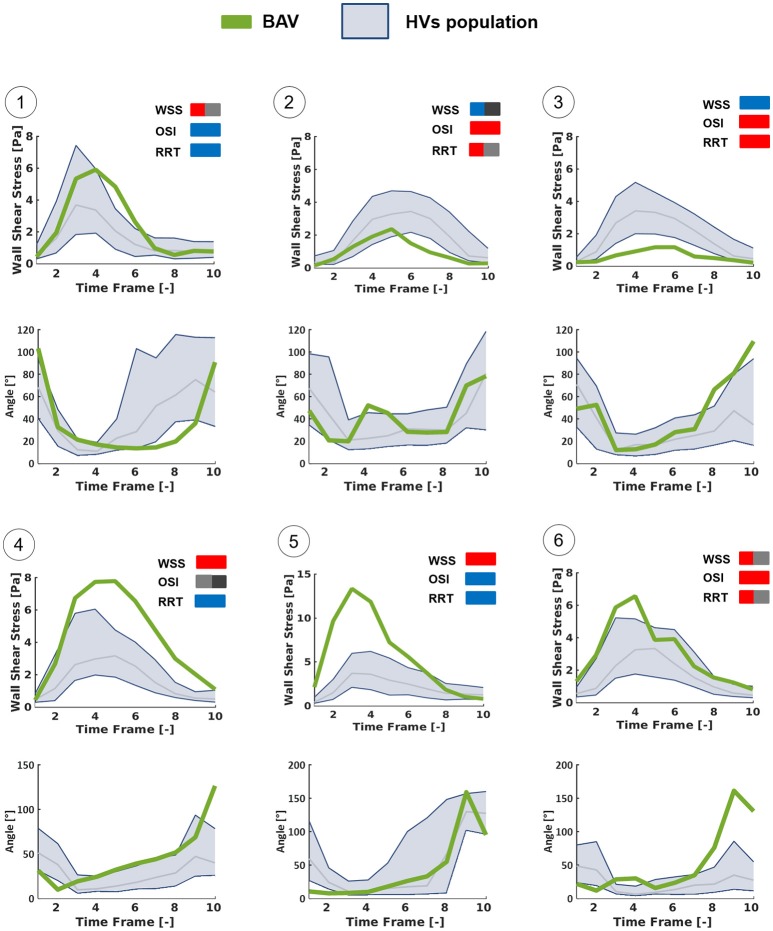
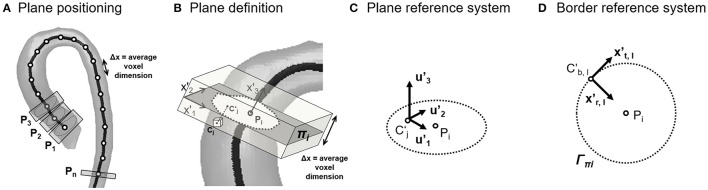
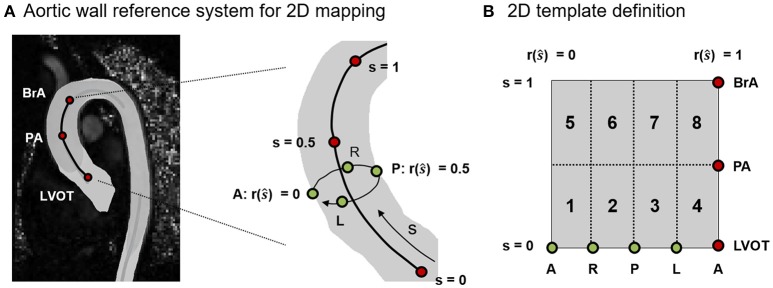
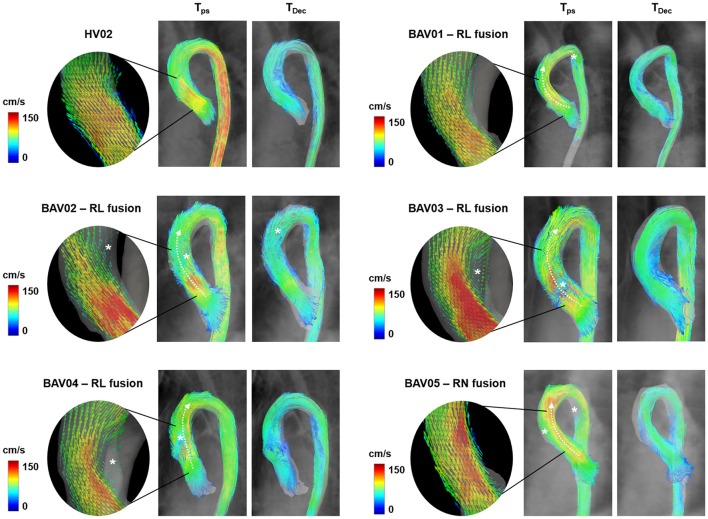
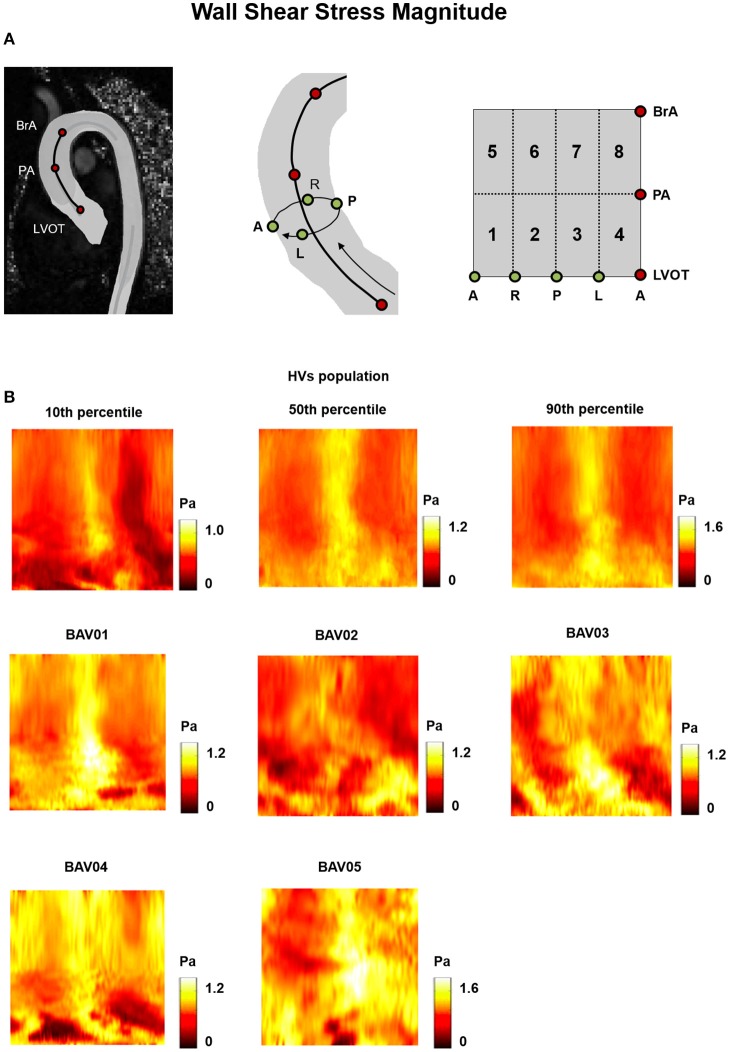
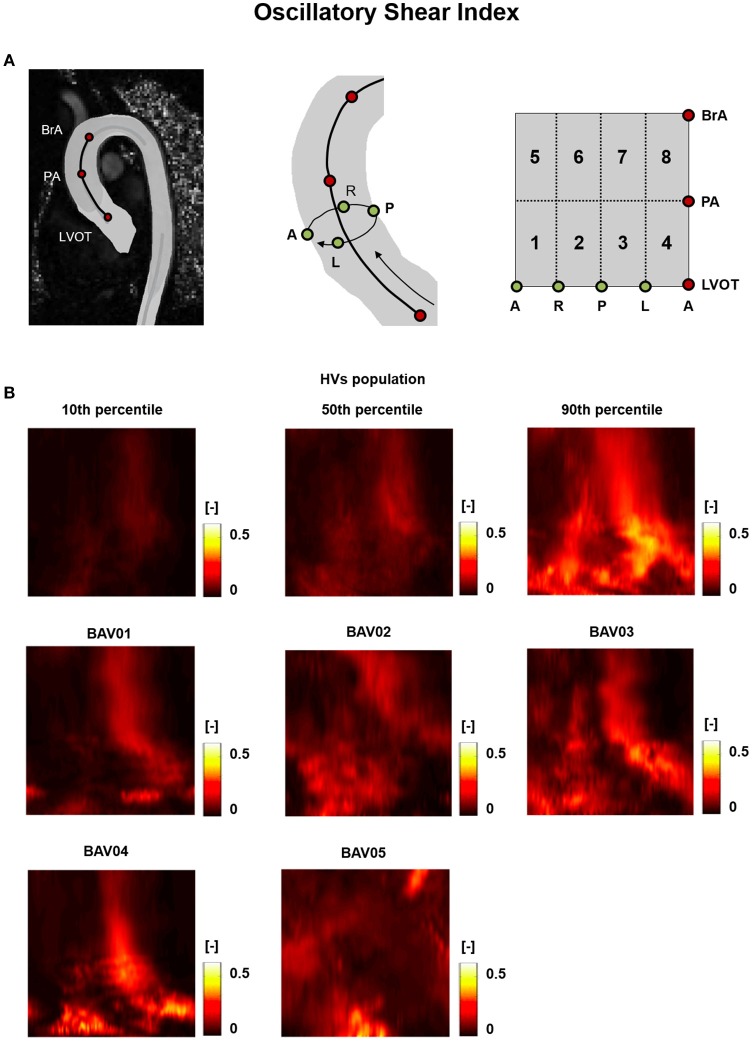
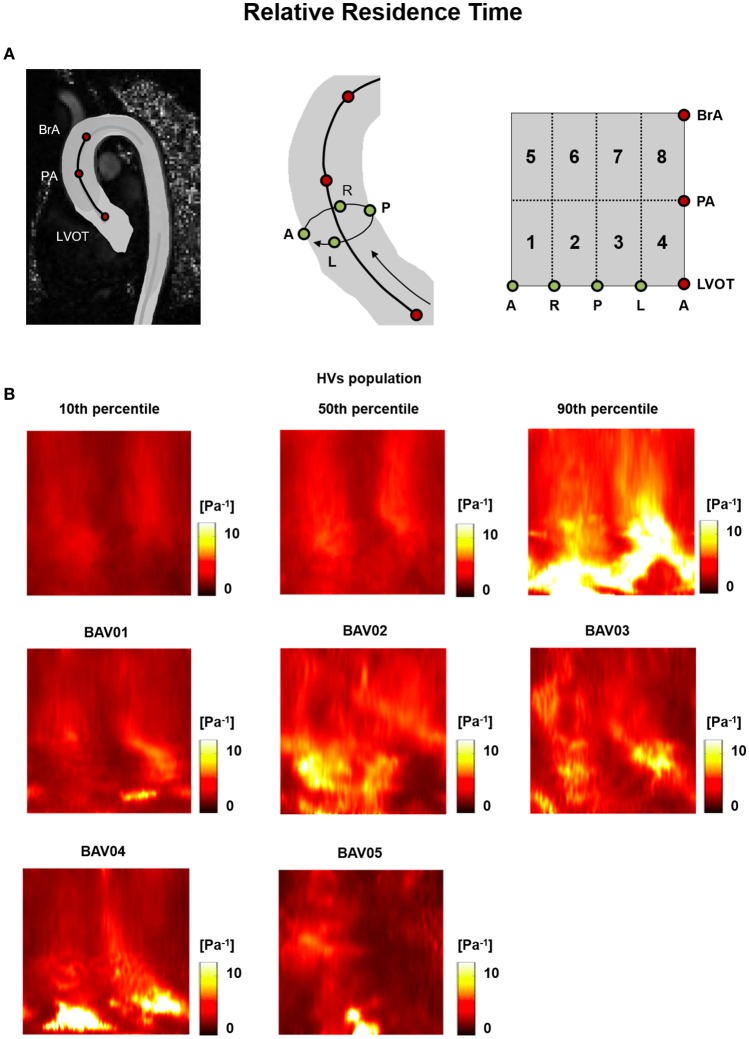
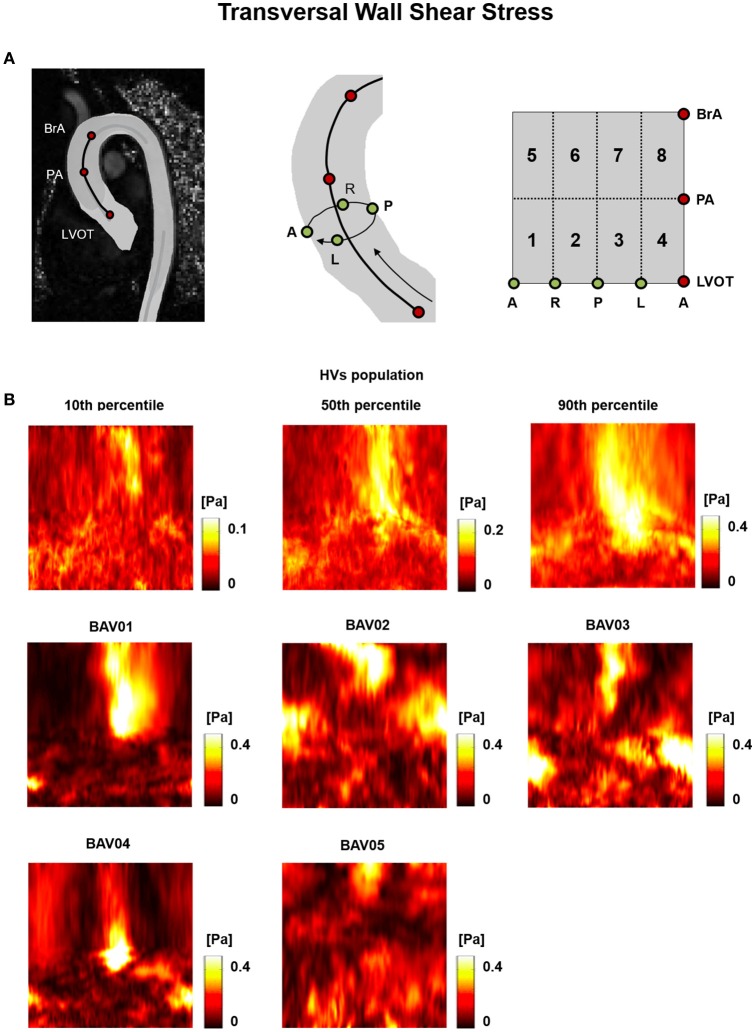
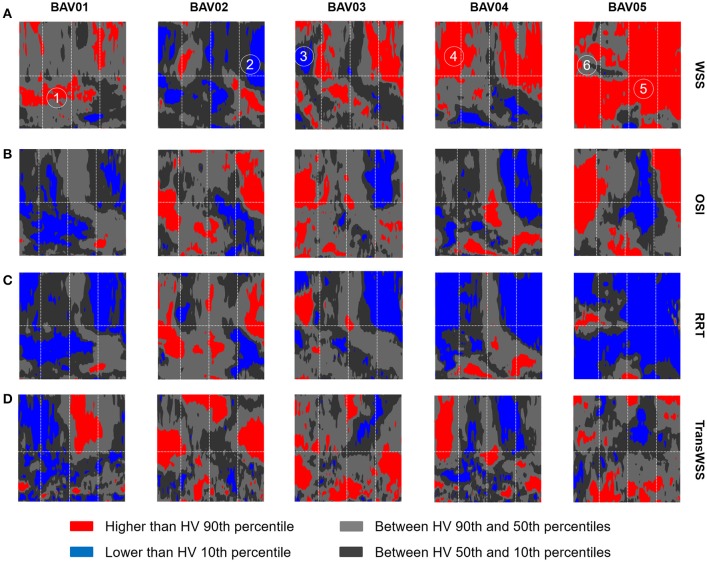
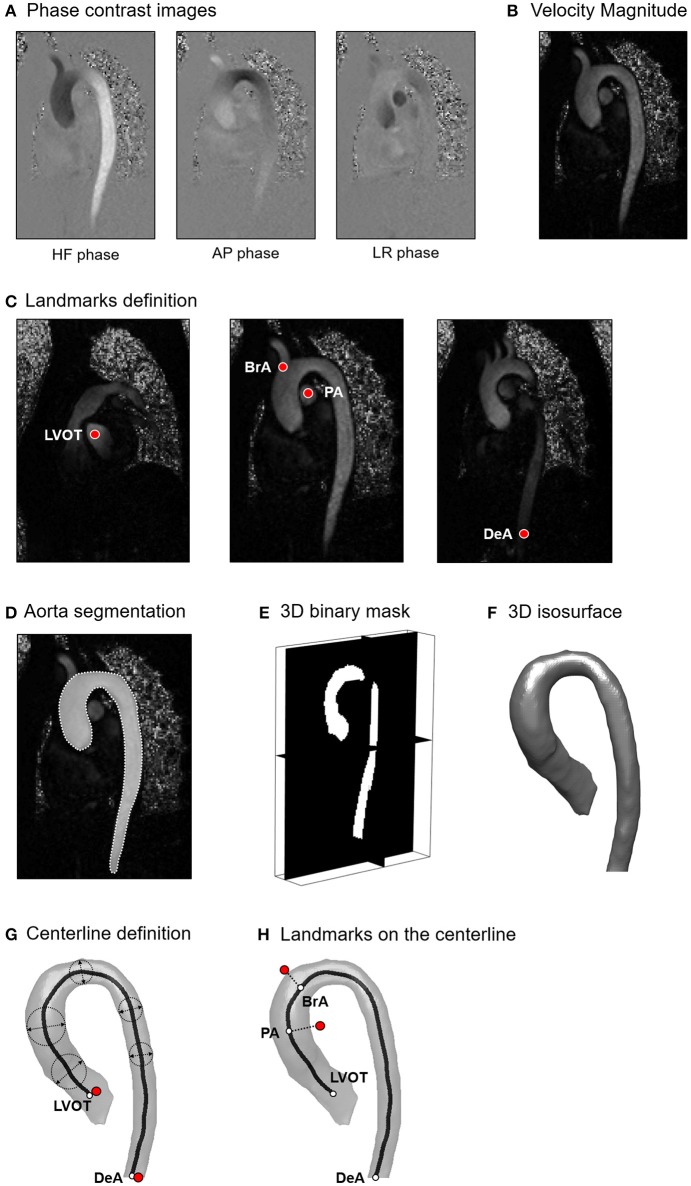
Bicuspid aortic valve (BAV) is the most common congenital cardiac disease and is a foremost risk factor for aortopathies. Despite the genetic basis of BAV and of the associated aortopathies, BAV-related alterations in aortic fluid-dynamics, and particularly in wall shear stresses (WSSs), likely play a role in the progression of aortopathy, and may contribute to its pathogenesis. To test whether WSS may trigger aortopathy, in this study we used 4D Flow sequences of phase-contrast cardiac magnetic resonance imaging (CMR) to quantitatively compare the fluid dynamics in the thoracic aorta of two groups of subjects: (i) five prospectively enrolled young patients with normo-functional BAV and with no aortic dilation and (ii) ten age-matched healthy volunteers. Through the semi-automated processing of 4D Flow data, the aortic bulk flow at peak systole was quantified, and WSSs acting on the endothelium of the ascending aorta were characterized throughout the systolic phase in terms of magnitude and time-dependency through a method recently developed by our group. Variables computed for each BAV patient were compared vs. the corresponding distribution of values obtained for healthy controls. In BAV patients, ascending aorta diameter was measured on cine-CMR images at baseline and at 3-year follow-up. As compared to controls, normo-functional BAV patients were characterized by minor bulk flow disturbances at peak systole. However, they were characterized by evident alterations of WSS distribution and peak values in the ascending aorta. In particular, in four BAV patients, who were characterized by right-left leaflet fusion, WSS peak values exceeded by 27-46% the 90th percentile of the distribution obtained for healthy volunteers. Only in the BAV patient with right-non-coronary leaflet fusion the same threshold was exceeded by 132%. Also, evident alterations in the time-dependency of WSS magnitude and direction were observed. Despite, these fluid-dynamic alterations, no clinically relevant anatomical remodeling was observed in the BAV patients at 3-year follow-up. In light of previous evidence from the literature, our results suggest that WSS alterations may precede the onset of aortopathy and may contribute to its triggering, but WSS-driven anatomical remodeling, if any, is a very slow process.

摘要

二叶式主动脉瓣(BAV)是最常见的先天性心脏病,也是主动脉病变的首要危险因素。尽管BAV及相关主动脉病变存在遗传基础,但BAV相关的主动脉流体动力学改变,尤其是壁面剪应力(WSSs),可能在主动脉病变进展中起作用,并可能促成其发病机制。为了测试WSS是否会引发主动脉病变,在本研究中,我们使用相位对比心脏磁共振成像(CMR)的4D流序列,定量比较两组受试者胸主动脉的流体动力学:(i)五名前瞻性招募的具有正常功能BAV且无主动脉扩张的年轻患者,以及(ii)十名年龄匹配的健康志愿者。通过对4D流数据的半自动处理,量化了收缩末期的主动脉总体血流量,并通过我们小组最近开发的一种方法,在整个收缩期对作用于升主动脉内皮的WSSs的大小和时间依赖性进行了表征。将为每位BAV患者计算的变量与健康对照者获得的相应值分布进行比较。在BAV患者中,在基线和3年随访时通过电影CMR图像测量升主动脉直径。与对照组相比,具有正常功能的BAV患者在收缩末期的总体血流紊乱较小。然而,他们的特征是升主动脉中WSS分布和峰值明显改变。特别是,在四名以左右瓣叶融合为特征的BAV患者中,WSS峰值超过健康志愿者分布的第90百分位数27%-46%。只有在以右非冠状动脉瓣叶融合为特征的BAV患者中,同一阈值超过了132%。此外,还观察到WSS大小和方向的时间依赖性明显改变。尽管存在这些流体动力学改变,但在3年随访中,BAV患者未观察到临床相关的解剖重塑。根据先前文献中的证据,我们的结果表明,WSS改变可能先于主动脉病变的发生,并可能促成其触发,但WSS驱动的解剖重塑(如果有的话)是一个非常缓慢的过程。
https://cdn.ncbi.nlm.nih.gov/pmc/blobs/486a/5483483/34f9e2f09619/fphys-08-00441-g0010.jpg
https://cdn.ncbi.nlm.nih.gov/pmc/blobs/486a/5483483/1e8eec5b52b3/fphys-08-00441-g0001.jpg
https://cdn.ncbi.nlm.nih.gov/pmc/blobs/486a/5483483/1e51f4a5a2c3/fphys-08-00441-g0002.jpg
https://cdn.ncbi.nlm.nih.gov/pmc/blobs/486a/5483483/e8b8eaee9c70/fphys-08-00441-g0003.jpg
https://cdn.ncbi.nlm.nih.gov/pmc/blobs/486a/5483483/45f46c9f29b9/fphys-08-00441-g0004.jpg
https://cdn.ncbi.nlm.nih.gov/pmc/blobs/486a/5483483/9c6dd15ffb98/fphys-08-00441-g0005.jpg
https://cdn.ncbi.nlm.nih.gov/pmc/blobs/486a/5483483/9f214bb2126d/fphys-08-00441-g0006.jpg
https://cdn.ncbi.nlm.nih.gov/pmc/blobs/486a/5483483/c6c8ba628d09/fphys-08-00441-g0007.jpg
https://cdn.ncbi.nlm.nih.gov/pmc/blobs/486a/5483483/0a57dab28a71/fphys-08-00441-g0008.jpg
https://cdn.ncbi.nlm.nih.gov/pmc/blobs/486a/5483483/9a69d409257c/fphys-08-00441-g0009.jpg
https://cdn.ncbi.nlm.nih.gov/pmc/blobs/486a/5483483/34f9e2f09619/fphys-08-00441-g0010.jpg
https://cdn.ncbi.nlm.nih.gov/pmc/blobs/486a/5483483/1e8eec5b52b3/fphys-08-00441-g0001.jpg
https://cdn.ncbi.nlm.nih.gov/pmc/blobs/486a/5483483/1e51f4a5a2c3/fphys-08-00441-g0002.jpg
https://cdn.ncbi.nlm.nih.gov/pmc/blobs/486a/5483483/e8b8eaee9c70/fphys-08-00441-g0003.jpg
https://cdn.ncbi.nlm.nih.gov/pmc/blobs/486a/5483483/45f46c9f29b9/fphys-08-00441-g0004.jpg
https://cdn.ncbi.nlm.nih.gov/pmc/blobs/486a/5483483/9c6dd15ffb98/fphys-08-00441-g0005.jpg
https://cdn.ncbi.nlm.nih.gov/pmc/blobs/486a/5483483/9f214bb2126d/fphys-08-00441-g0006.jpg
https://cdn.ncbi.nlm.nih.gov/pmc/blobs/486a/5483483/c6c8ba628d09/fphys-08-00441-g0007.jpg
https://cdn.ncbi.nlm.nih.gov/pmc/blobs/486a/5483483/0a57dab28a71/fphys-08-00441-g0008.jpg
https://cdn.ncbi.nlm.nih.gov/pmc/blobs/486a/5483483/9a69d409257c/fphys-08-00441-g0009.jpg
https://cdn.ncbi.nlm.nih.gov/pmc/blobs/486a/5483483/34f9e2f09619/fphys-08-00441-g0010.jpg

相似文献

1
4D Flow Analysis of BAV-Related Fluid-Dynamic Alterations: Evidences of Wall Shear Stress Alterations in Absence of Clinically-Relevant Aortic Anatomical Remodeling.二叶式主动脉瓣相关流体动力学改变的4D血流分析:无临床相关主动脉解剖重塑时壁面剪应力改变的证据
Front Physiol. 2017 Jun 26;8:441. doi: 10.3389/fphys.2017.00441. eCollection 2017.
2
Aortic flow patterns and wall shear stress maps by 4D-flow cardiovascular magnetic resonance in the assessment of aortic dilatation in bicuspid aortic valve disease.4D-flow 心血管磁共振评估二叶式主动脉瓣病变主动脉扩张中的主动脉血流模式和壁面切应力图。
J Cardiovasc Magn Reson. 2018 Apr 26;20(1):28. doi: 10.1186/s12968-018-0451-1.
3
Low and Oscillatory Wall Shear Stress Is Not Related to Aortic Dilation in Patients With Bicuspid Aortic Valve: A Time-Resolved 3-Dimensional Phase-Contrast Magnetic Resonance Imaging Study.二维主动脉瓣患者低壁切应力和振荡壁切应力与主动脉扩张无关:时间分辨三维相位对比磁共振成像研究。
Arterioscler Thromb Vasc Biol. 2020 Jan;40(1):e10-e20. doi: 10.1161/ATVBAHA.119.313636. Epub 2019 Dec 5.
4
Bicuspid aortic valve is associated with altered wall shear stress in the ascending aorta.二叶式主动脉瓣与升主动脉壁切应力改变有关。
Circ Cardiovasc Imaging. 2012 Jul;5(4):457-66. doi: 10.1161/CIRCIMAGING.112.973370. Epub 2012 Jun 22.
5
Regional aortic wall shear stress increases over time in patients with a bicuspid aortic valve.在二叶式主动脉瓣患者中,局部主动脉壁剪切应力随时间增加。
J Cardiovasc Magn Reson. 2024;26(2):101070. doi: 10.1016/j.jocmr.2024.101070. Epub 2024 Aug 2.
6
Towards the improved quantification of in vivo abnormal wall shear stresses in BAV-affected patients from 4D-flow imaging: Benchmarking and application to real data.基于4D血流成像技术对主动脉瓣二瓣化畸形患者体内异常壁面剪应力进行更精确量化:基准测试及实际数据应用
J Biomech. 2017 Jan 4;50:93-101. doi: 10.1016/j.jbiomech.2016.11.044. Epub 2016 Nov 11.
7
Assessment of abnormal transvalvular flow and wall shear stress direction for pediatric/young adults with bicuspid aortic valve: A cross-sectional four-dimensional flow study.二叶式主动脉瓣小儿/青年成人跨瓣异常血流及壁面剪应力方向的评估:一项横断面四维血流研究。
J Cardiovasc Magn Reson. 2024;26(2):101102. doi: 10.1016/j.jocmr.2024.101102. Epub 2024 Sep 24.
8
Interval changes in aortic peak velocity and wall shear stress in patients with bicuspid aortic valve disease.二叶式主动脉瓣病变患者主动脉峰值速度和壁面切应力的间隔变化。
Int J Cardiovasc Imaging. 2019 Oct;35(10):1925-1934. doi: 10.1007/s10554-019-01632-7. Epub 2019 May 29.
9
Multiyear Interval Changes in Aortic Wall Shear Stress in Patients with Bicuspid Aortic Valve Assessed by 4D Flow MRI.4D 流 MRI 评估二叶式主动脉瓣患者主动脉壁切应力的多年间隔变化。
J Magn Reson Imaging. 2024 Dec;60(6):2580-2589. doi: 10.1002/jmri.29305. Epub 2024 Mar 1.
10
Aortic valve-mediated wall shear stress is heterogeneous and predicts regional aortic elastic fiber thinning in bicuspid aortic valve-associated aortopathy.瓣上壁面切变率呈异质性分布,且可预测二叶式主动脉瓣相关主动脉瓣病变中区域性主动脉弹性纤维变薄。
J Thorac Cardiovasc Surg. 2018 Dec;156(6):2112-2120.e2. doi: 10.1016/j.jtcvs.2018.05.095. Epub 2018 Jun 12.

引用本文的文献

1
Oscillatory shear stress is elevated in patients with bicuspid aortic valve and aortic regurgitation: a 4D flow cardiovascular magnetic resonance cross-sectional study.二维主动脉瓣和主动脉瓣反流患者的振荡剪切应力升高:一项 4D 流心血管磁共振横断面研究。
Eur Heart J Cardiovasc Imaging. 2024 Feb 22;25(3):404-412. doi: 10.1093/ehjci/jead283.
2
4D-flow MRI derived wall shear stress for the risk stratification of bicuspid aortic valve aortopathy: A systematic review.基于4D-flow MRI的壁面切应力对二叶式主动脉瓣主动脉病变风险分层的系统评价
Front Cardiovasc Med. 2023 Jan 9;9:1075833. doi: 10.3389/fcvm.2022.1075833. eCollection 2022.
3

本文引用的文献

1
Morphotype-Dependent Flow Characteristics in Bicuspid Aortic Valve Ascending Aortas: A Benchtop Particle Image Velocimetry Study.二叶式主动脉瓣升主动脉中形态类型依赖的血流特征:一项台式粒子图像测速研究
Front Physiol. 2017 Feb 1;8:44. doi: 10.3389/fphys.2017.00044. eCollection 2017.
2
Patients with bicuspid and tricuspid aortic valve exhibit distinct regional microrna signatures in mildly dilated ascending aorta.患有二叶式和三叶式主动脉瓣的患者在轻度扩张的升主动脉中表现出不同的局部微小RNA特征。
Heart Vessels. 2017 Jun;32(6):750-767. doi: 10.1007/s00380-016-0942-7. Epub 2017 Jan 19.
3
Spatial phenotyping of the endocardial endothelium as a function of intracardiac hemodynamic shear stress.
Clinical implications of the biomechanics of bicuspid aortic valve and bicuspid aortopathy.
二叶式主动脉瓣及二叶式主动脉病变生物力学的临床意义
Front Cardiovasc Med. 2022 Aug 12;9:922353. doi: 10.3389/fcvm.2022.922353. eCollection 2022.
4
High Wall Shear Stress can Predict Wall Degradation in Ascending Aortic Aneurysms: An Integrated Biomechanics Study.高壁面剪应力可预测升主动脉瘤的血管壁退变:一项综合生物力学研究
Front Bioeng Biotechnol. 2021 Oct 18;9:750656. doi: 10.3389/fbioe.2021.750656. eCollection 2021.
5
Qualitative and Quantitative Assessments of Blood Flow on Tears in Type B Aortic Dissection With Different Morphologies.不同形态B型主动脉夹层撕裂处血流的定性和定量评估
Front Bioeng Biotechnol. 2021 Oct 8;9:742985. doi: 10.3389/fbioe.2021.742985. eCollection 2021.
6
Blood Flow and Shear Stress Allow Monitoring of Progression and Prognosis of Tumor Diseases.血流和剪切应力有助于监测肿瘤疾病的进展和预后。
Front Physiol. 2021 Aug 3;12:693052. doi: 10.3389/fphys.2021.693052. eCollection 2021.
7
Aortic Dilatation in Patients With Bicuspid Aortic Valve.二叶式主动脉瓣患者的主动脉扩张
Front Physiol. 2021 Jul 6;12:615175. doi: 10.3389/fphys.2021.615175. eCollection 2021.
8
Molecular and Mechanical Mechanisms of Calcification Pathology Induced by Bicuspid Aortic Valve Abnormalities.二叶式主动脉瓣异常诱导钙化病理的分子与力学机制
Front Cardiovasc Med. 2021 May 26;8:677977. doi: 10.3389/fcvm.2021.677977. eCollection 2021.
9
Oxidative stress in genetically triggered thoracic aortic aneurysm: role in pathogenesis and therapeutic opportunities.遗传性胸主动脉瘤中的氧化应激:在发病机制和治疗机会中的作用。
Redox Rep. 2021 Dec;26(1):45-52. doi: 10.1080/13510002.2021.1899473.
10
Cardiovascular patient-specific modeling: Where are we now and what does the future look like?心血管疾病患者特异性建模:我们现在处于什么阶段,未来又将如何?
APL Bioeng. 2020 Nov 9;4(4):040401. doi: 10.1063/5.0031452. eCollection 2020 Dec.
作为心内血流动力学剪切应力函数的心内膜内皮细胞的空间表型分析。
J Biomech. 2017 Jan 4;50:11-19. doi: 10.1016/j.jbiomech.2016.11.018. Epub 2016 Nov 16.
4
Towards the improved quantification of in vivo abnormal wall shear stresses in BAV-affected patients from 4D-flow imaging: Benchmarking and application to real data.基于4D血流成像技术对主动脉瓣二瓣化畸形患者体内异常壁面剪应力进行更精确量化:基准测试及实际数据应用
J Biomech. 2017 Jan 4;50:93-101. doi: 10.1016/j.jbiomech.2016.11.044. Epub 2016 Nov 11.
5
Understanding the fluid mechanics behind transverse wall shear stress.理解横向壁面剪应力背后的流体力学原理。
J Biomech. 2017 Jan 4;50:102-109. doi: 10.1016/j.jbiomech.2016.11.035. Epub 2016 Nov 11.
6
Simulations of morphotype-dependent hemodynamics in non-dilated bicuspid aortic valve aortas.非扩张型二叶式主动脉瓣主动脉中形态型依赖血流动力学的模拟。
J Biomech. 2017 Jan 4;50:63-70. doi: 10.1016/j.jbiomech.2016.11.024. Epub 2016 Nov 11.
7
Bicuspid aortic valve hemodynamics does not promote remodeling in porcine aortic wall concavity.二叶式主动脉瓣血流动力学不会促进猪主动脉壁凹面的重塑。
World J Cardiol. 2016 Jan 26;8(1):89-97. doi: 10.4330/wjc.v8.i1.89.
8
Numerical Study of Turbulent Pulsatile Blood Flow through Stenosed Artery Using Fluid-Solid Interaction.基于流固相互作用的狭窄动脉内湍流脉动血流的数值研究。
Comput Math Methods Med. 2015;2015:515613. doi: 10.1155/2015/515613. Epub 2015 Aug 31.
9
Valve-Related Hemodynamics Mediate Human Bicuspid Aortopathy: Insights From Wall Shear Stress Mapping.瓣膜相关血流动力学介导人类二叶式主动脉病变:壁面剪应力映射的见解
J Am Coll Cardiol. 2015 Aug 25;66(8):892-900. doi: 10.1016/j.jacc.2015.06.1310.
10
4D flow cardiovascular magnetic resonance consensus statement.4D 流动心血管磁共振共识声明。
J Cardiovasc Magn Reson. 2015 Aug 10;17(1):72. doi: 10.1186/s12968-015-0174-5.