U 1195 INSERM-Université Paris Sud-Université Paris-Saclay, Le Kremlin-Bicêtre, France.
Department of Neurosurgery, Krembil Research Institute, Toronto Western Hospital, University Health Network, Toronto, ON, Canada.
Mol Psychiatry. 2018 Jun;23(6):1530-1540. doi: 10.1038/mp.2017.142. Epub 2017 Jul 11.
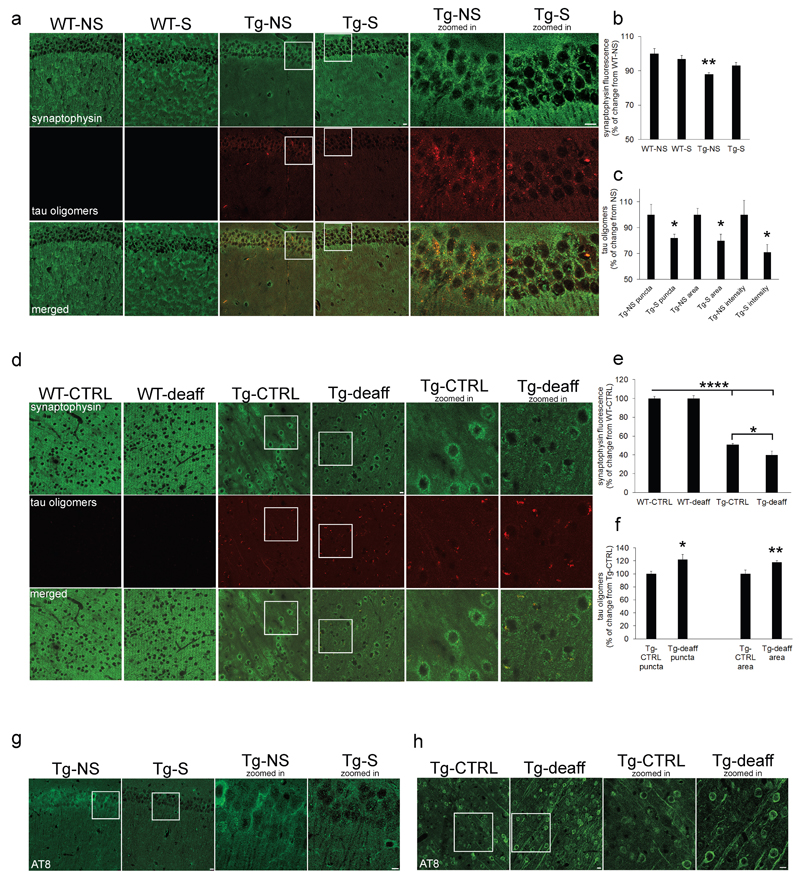
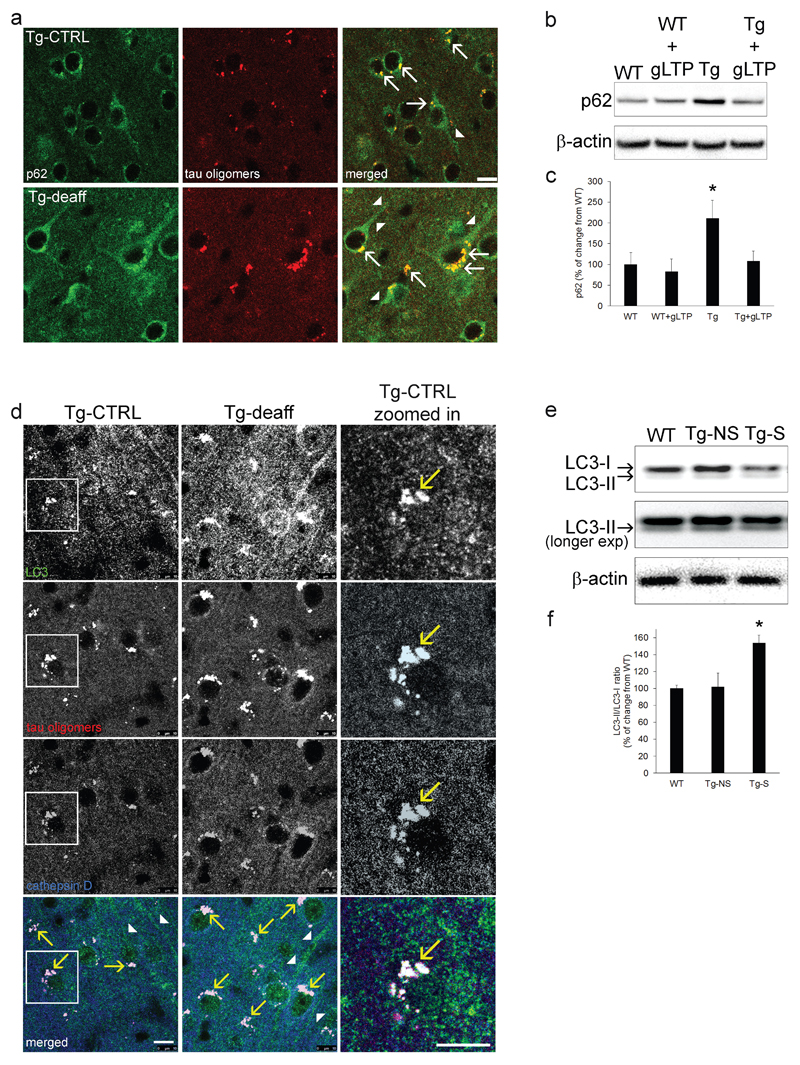
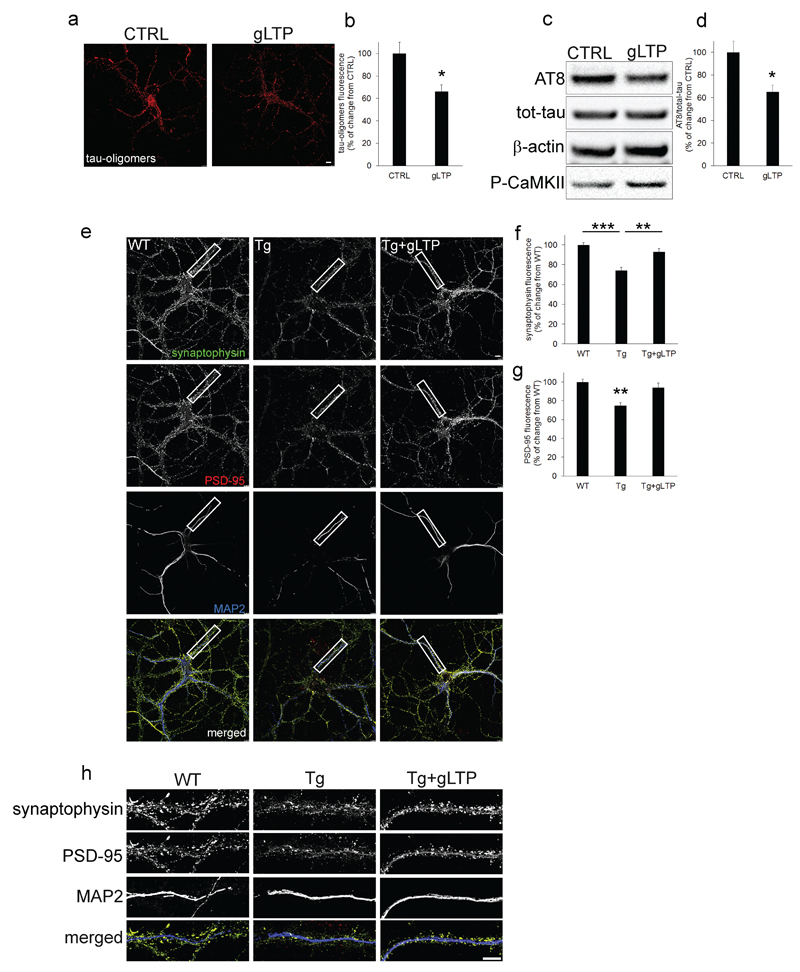
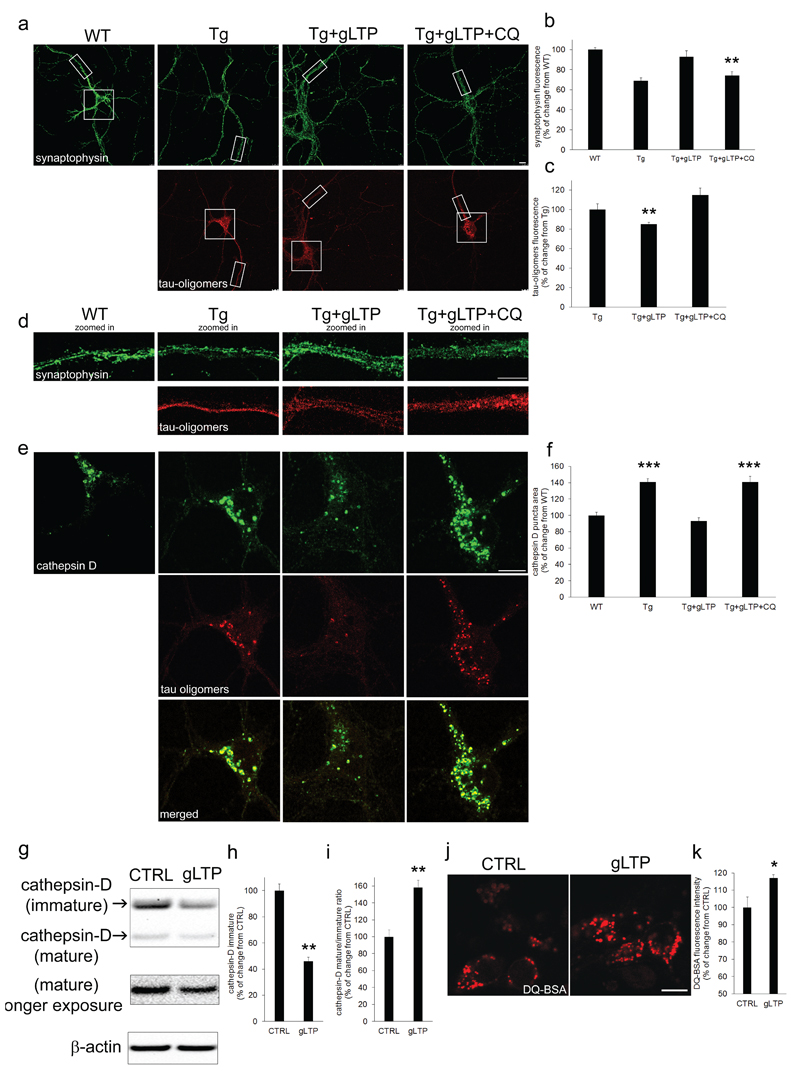
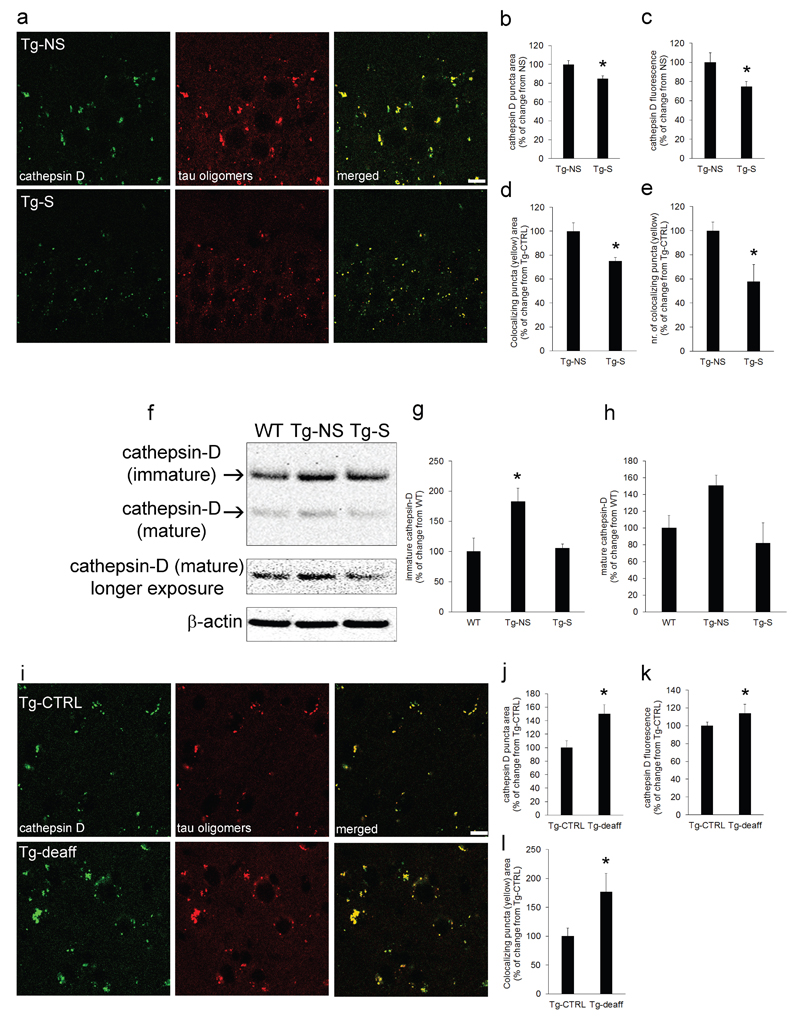
Changes in synaptic excitability and reduced brain metabolism are among the earliest detectable alterations associated with the development of Alzheimer's disease (AD). Stimulation of synaptic activity has been shown to be protective in models of AD beta-amyloidosis. Remarkably, deep brain stimulation (DBS) provides beneficial effects in AD patients, and represents an important therapeutic approach against AD and other forms of dementia. While several studies have explored the effect of synaptic activation on beta-amyloid, little is known about Tau protein. In this study, we investigated the effect of synaptic stimulation on Tau pathology and synapses in in vivo and in vitro models of AD and frontotemporal dementia (FTD). We found that chronic DBS or chemically induced synaptic stimulation reduced accumulation of pathological forms of Tau and protected synapses, while chronic inhibition of synaptic activity worsened Tau pathology and caused detrimental effects on pre- and post-synaptic markers, suggesting that synapses are affected. Interestingly, degradation via the proteasomal system was not involved in the reduction of pathological Tau during stimulation. In contrast, chronic synaptic activation promoted clearance of Tau oligomers by autophagosomes and lysosomes. Chronic inhibition of synaptic activity resulted in opposite outcomes, with build-up of Tau oligomers in enlarged auto-lysosomes. Our data indicate that synaptic activity counteracts the negative effects of Tau in AD and FTD by acting on autophagy, providing a rationale for therapeutic use of DBS and synaptic stimulation in tauopathies.
突触兴奋性的变化和脑代谢的减少是与阿尔茨海默病(AD)发展相关的最早可检测到的改变之一。在 AD β-淀粉样蛋白变性的模型中,刺激突触活性已被证明具有保护作用。值得注意的是,深部脑刺激(DBS)在 AD 患者中提供了有益的效果,并且是对抗 AD 和其他形式痴呆症的重要治疗方法。虽然有几项研究探讨了突触激活对β-淀粉样蛋白的影响,但对 Tau 蛋白知之甚少。在这项研究中,我们研究了突触刺激对 AD 和额颞叶痴呆(FTD)的体内和体外模型中 Tau 病理学和突触的影响。我们发现,慢性 DBS 或化学诱导的突触刺激减少了 Tau 病理形式的积累并保护了突触,而慢性抑制突触活性则恶化了 Tau 病理学,并对前突触和后突触标志物造成了有害影响,表明突触受到了影响。有趣的是,在刺激过程中,通过蛋白酶体系统的降解不参与病理性 Tau 的减少。相反,慢性突触激活促进了自噬体和溶酶体对 Tau 寡聚物的清除。慢性抑制突触活性导致相反的结果,即 Tau 寡聚物在增大的自溶酶体中积累。我们的数据表明,突触活性通过作用于自噬来抵消 AD 和 FTD 中 Tau 的负面影响,为 DBS 和突触刺激在 Tau 病中的治疗应用提供了依据。