The Key Laboratory of Stem Cell Biology, Institute of Health Sciences, Shanghai Institutes for Biological Sciences, Chinese Academy of Sciences and Shanghai Jiao Tong University School of Medicine, University of Chinese Academy of Sciences, Shanghai, 200031, China.
Department of Infectious Diseases and Pathology, College of Veterinary Medicine The University of Florida, Gainesville, FL, 32608, USA.
Sci Rep. 2017 Jul 12;7(1):5166. doi: 10.1038/s41598-017-04091-z.
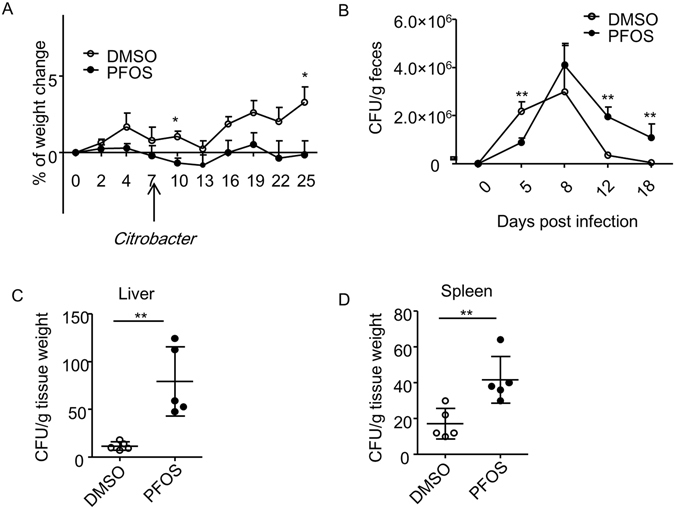
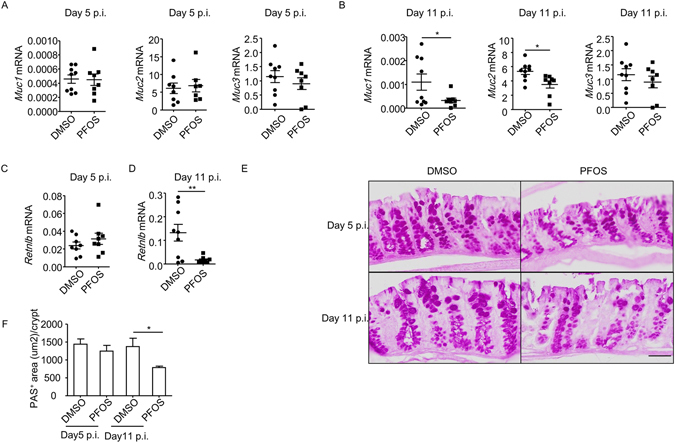
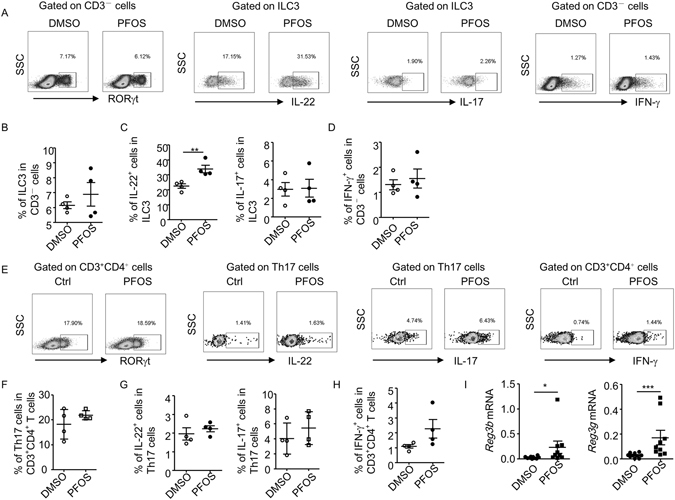
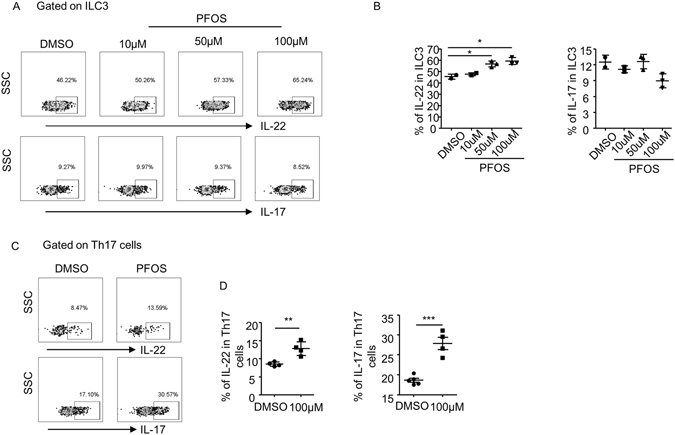
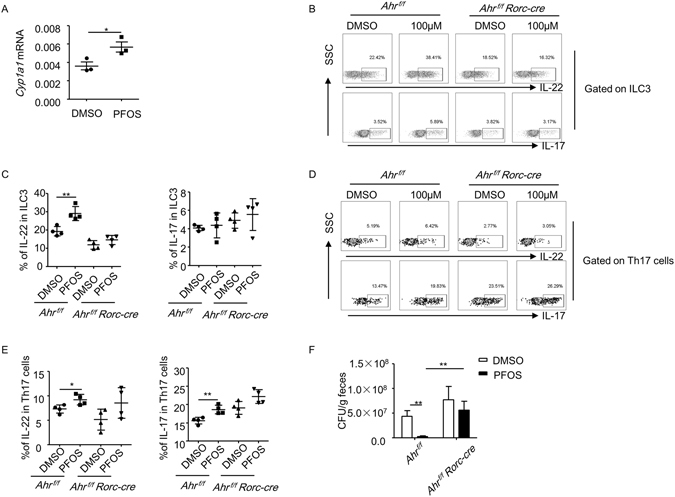
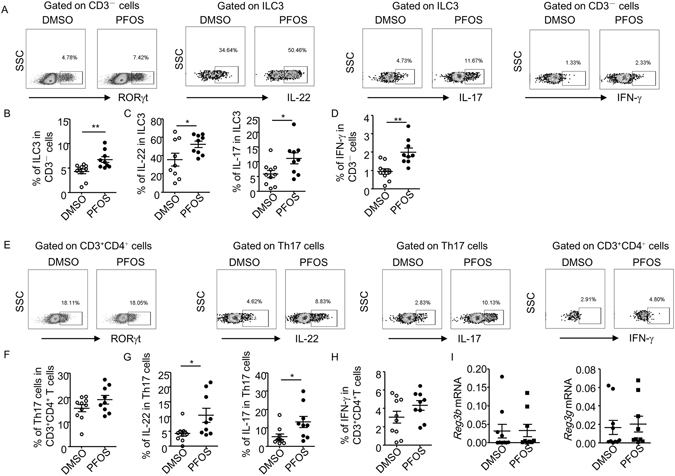
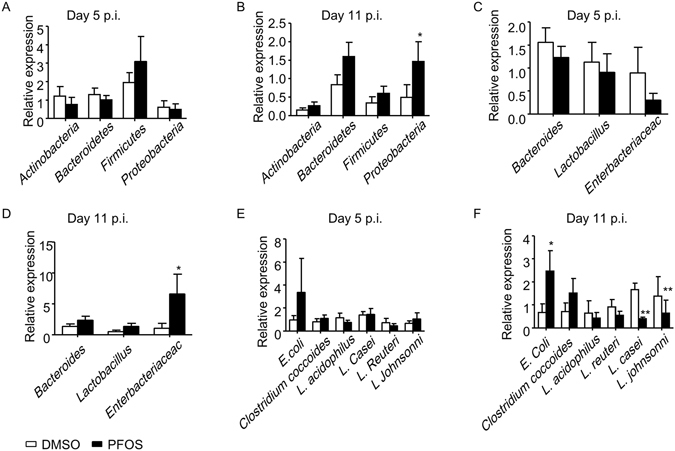
Perfluorooctane sulfonate (PFOS) is an environmental contaminant that has been manufactured to be used as surfactants and repellents in industry. Due to long half-life for clearance and degradation, PFOS is accumulative in human body and has potential threat to human health. Previous studies have shown the development and function of immune cells can be affected by PFOS. Although PFOS has a high chance of being absorbed through the oral route, whether and how PFOS affects immune cells in the gut is unknown. Using mouse model of Citrobacter rodentium infection, we investigated the role of PFOS on intestinal immunity. We found at early phase of the infection, PFOS inhibited the expansion of the pathogen by promoting IL-22 production from the group 3 innate lymphoid cell (ILC3) in an aryl hydrocarbon receptor dependent manner. Nevertheless, persistent PFOS treatment in mice finally led to a failure to clear the pathogen completely. At late phase of infection, enhanced bacterial counts in PFOS treated mice were accompanied by increased inflammatory cytokines, reduced mucin production and dysbiosis, featured by decreased level of Lactobacillus casei, Lactobacillus johnsonii and increased E. coli. Our study reveals a deleterious consequence in intestinal bacterial infection caused by PFOS accumulation.
全氟辛烷磺酸 (PFOS) 是一种环境污染物,已被制造用于工业中的表面活性剂和驱避剂。由于清除和降解的半衰期长,PFOS 在人体内积累,并对人类健康具有潜在威胁。先前的研究表明,免疫细胞的发育和功能可能会受到 PFOS 的影响。虽然 PFOS 通过口服途径被吸收的可能性很高,但 PFOS 是否以及如何影响肠道中的免疫细胞尚不清楚。我们使用柠檬酸杆菌感染的小鼠模型,研究了 PFOS 对肠道免疫的作用。我们发现,在感染的早期阶段,PFOS 通过依赖芳香烃受体促进组 3 固有淋巴细胞 (ILC3) 产生 IL-22,从而抑制病原体的扩增。然而,持续的 PFOS 处理最终导致小鼠无法完全清除病原体。在感染后期,PFOS 处理小鼠中的细菌计数增加伴随着炎症细胞因子增加、粘蛋白产生减少和菌群失调,表现为乳杆菌属和约翰逊乳杆菌水平降低,大肠杆菌增加。我们的研究揭示了 PFOS 积累引起的肠道细菌感染的有害后果。