Plourde Benjamin T, Burgess Tristan L, Eskew Evan A, Roth Tara M, Stephenson Nicole, Foley Janet E
Department of Medicine and Epidemiology, School of Veterinary Medicine, University of California, Davis, California, United States of America.
Karen C. Drayer Wildlife Health Center, School of Veterinary Medicine, University of California, Davis, California, United States of America.
PLoS One. 2017 Jul 13;12(7):e0180716. doi: 10.1371/journal.pone.0180716. eCollection 2017.
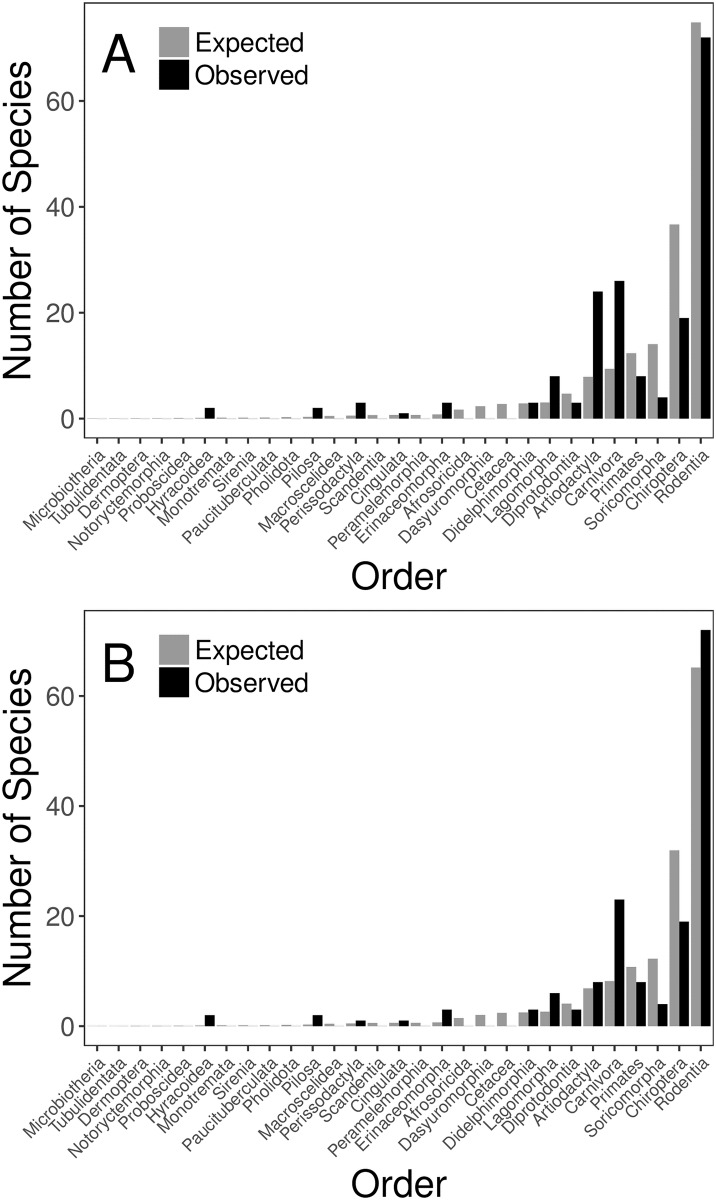
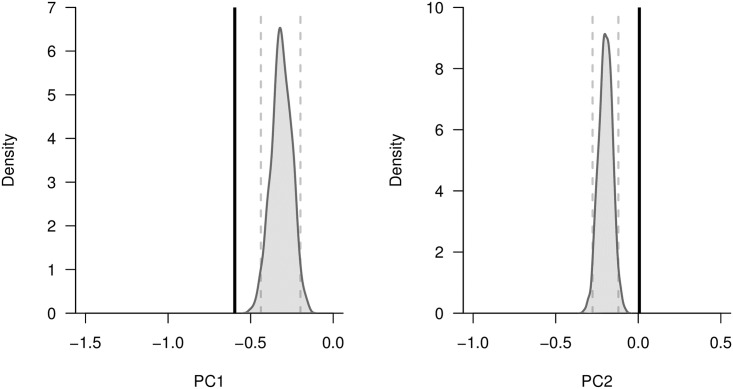
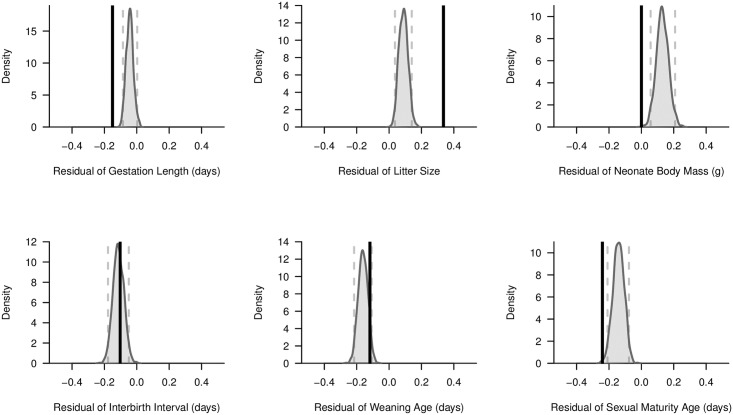
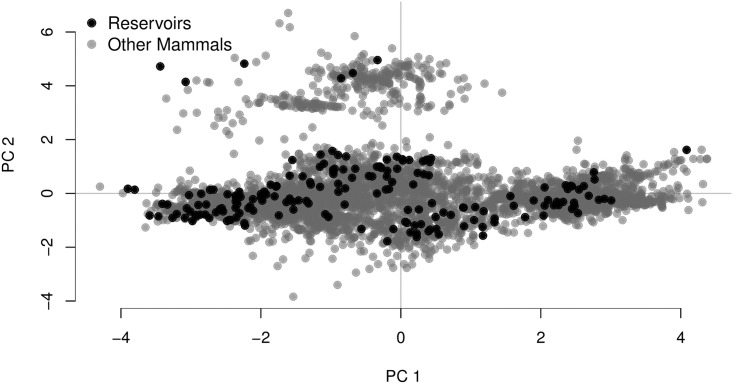
Pathogens that spill over between species cause a significant human and animal health burden. Here, we describe characteristics of animal reservoirs that are required for pathogen spillover. We assembled and analyzed a database of 330 disease systems in which a pathogen spills over from a reservoir of one or more species. Three-quarters of reservoirs included wildlife, and 84% included mammals. Further, 65% of pathogens depended on a community of reservoir hosts, rather than a single species, for persistence. Among mammals, the most frequently identified reservoir hosts were rodents, artiodactyls, and carnivores. The distribution among orders of mammalian species identified as reservoirs did not differ from that expected by chance. Among disease systems with high priority pathogens and epidemic potential, we found birds, primates, and bats to be overrepresented. We also analyzed the life history traits of mammalian reservoir hosts and compared them to mammals as a whole. Reservoir species had faster life history characteristics than mammals overall, exhibiting traits associated with greater reproductive output rather than long-term survival. Thus, we find that in many respects, reservoirs of spillover pathogens are indeed special. The described patterns provide a useful resource for studying and managing emerging infectious diseases.
跨物种传播的病原体给人类和动物健康带来了沉重负担。在此,我们描述了病原体跨物种传播所需的动物宿主特征。我们收集并分析了一个包含330个疾病系统的数据库,这些疾病系统中病原体从一种或多种宿主物种传播出来。四分之三的宿主物种包括野生动物,84%包括哺乳动物。此外,65%的病原体的持续存在依赖于宿主群落,而非单一物种。在哺乳动物中,最常被确定为宿主的是啮齿动物、偶蹄目动物和食肉动物。被确定为宿主的哺乳动物物种在目之间的分布与随机预期并无差异。在具有高优先级病原体和流行潜力的疾病系统中,我们发现鸟类、灵长类动物和蝙蝠的占比过高。我们还分析了哺乳动物宿主的生活史特征,并将它们与整个哺乳动物进行比较。宿主物种的生活史特征总体上比哺乳动物更快,表现出与更高繁殖产量相关的特征,而非长期生存。因此,我们发现在许多方面,跨物种传播病原体的宿主确实很特殊。所描述的模式为研究和管理新发传染病提供了有用的资源。