• 文献检索
  • 文档翻译
  • 深度研究
  • 学术资讯
  • Suppr Zotero 插件Zotero 插件
  • 邀请有礼
  • 套餐&价格
  • 历史记录
应用&插件
Suppr Zotero 插件Zotero 插件浏览器插件Mac 客户端Windows 客户端微信小程序
定价
高级版会员购买积分包购买API积分包
服务
文献检索文档翻译深度研究API 文档MCP 服务
关于我们
关于 Suppr公司介绍联系我们用户协议隐私条款
关注我们

Suppr 超能文献

核心技术专利:CN118964589B侵权必究
粤ICP备2023148730 号-1Suppr @ 2026

文献检索

告别复杂PubMed语法,用中文像聊天一样搜索,搜遍4000万医学文献。AI智能推荐,让科研检索更轻松。

立即免费搜索

文件翻译

保留排版,准确专业,支持PDF/Word/PPT等文件格式,支持 12+语言互译。

免费翻译文档

深度研究

AI帮你快速写综述,25分钟生成高质量综述,智能提取关键信息,辅助科研写作。

立即免费体验

一种研究考古谷物膳食的方法:以土耳其东部恰塔霍裕克为例的案例研究。

A methodological approach to the study of archaeological cereal meals: a case study at Çatalhöyük East (Turkey).

作者信息

González Carretero Lara, Wollstonecroft Michèle, Fuller Dorian Q

机构信息

University College London, Institute of Archaeology, 31-34 Gordon Square, London, WC1H 0PY UK.

出版信息

Veg Hist Archaeobot. 2017;26(4):415-432. doi: 10.1007/s00334-017-0602-6. Epub 2017 Mar 16.

DOI:10.1007/s00334-017-0602-6
PMID:28706348
原文链接:https://pmc.ncbi.nlm.nih.gov/articles/PMC5486841/
Abstract

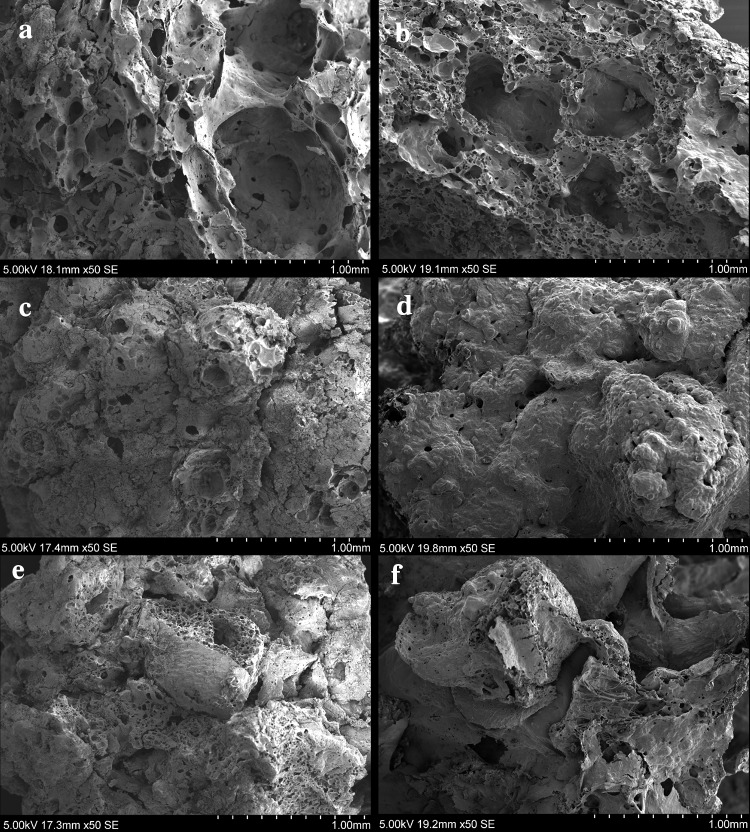
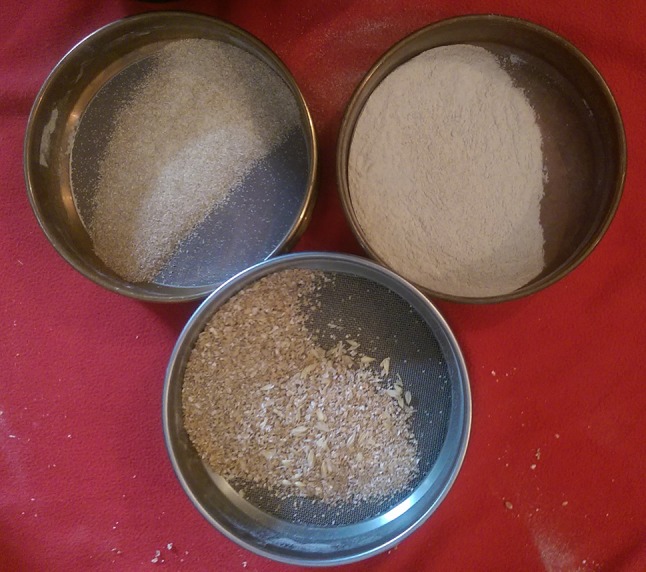
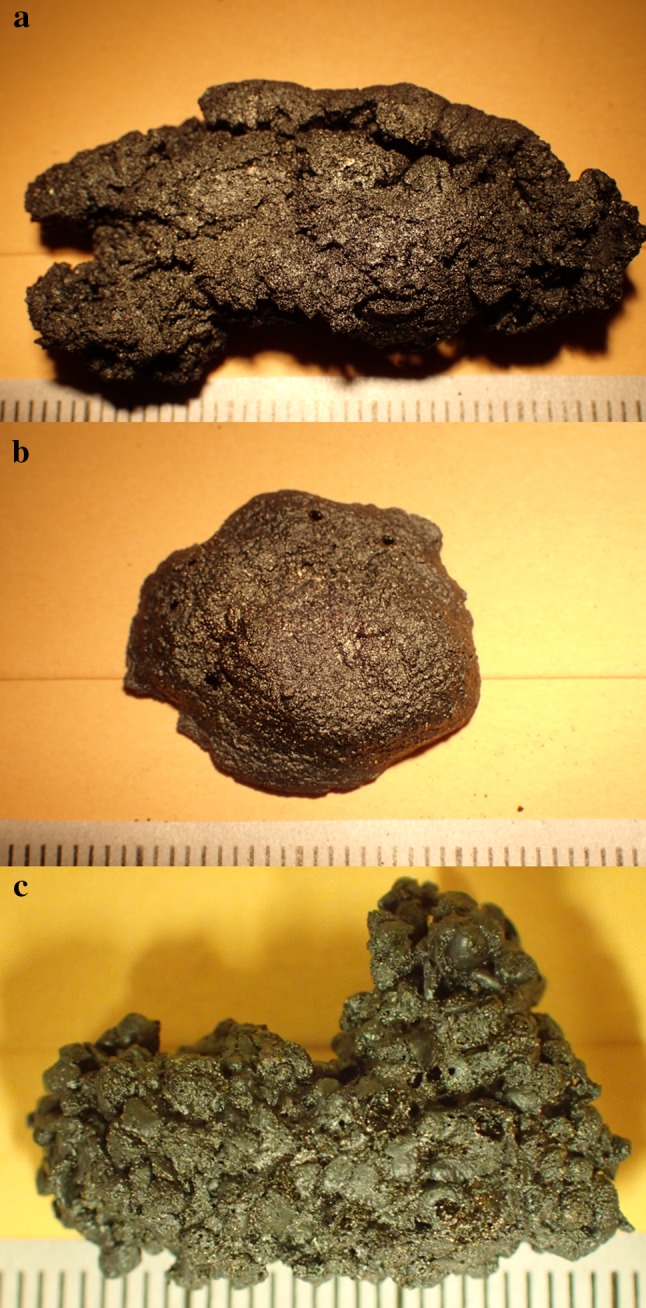
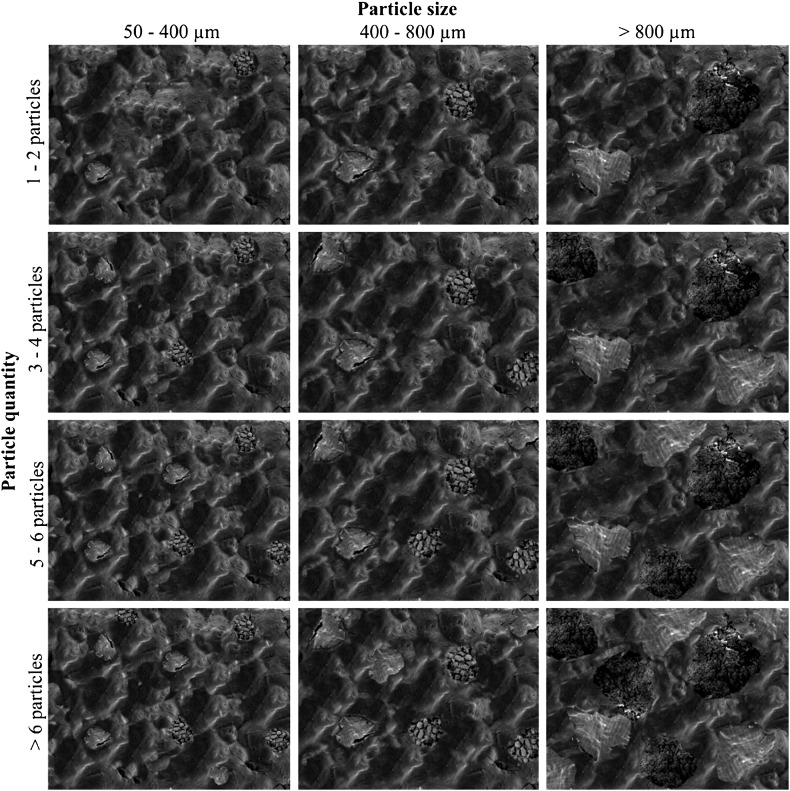
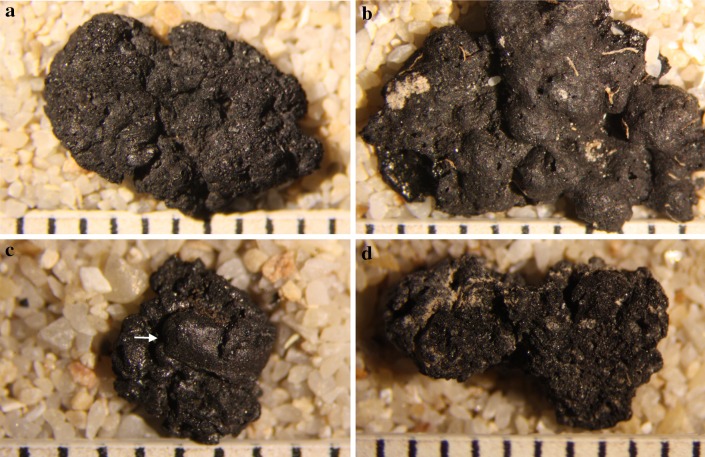
This paper presents an integrated methodology for the analysis of archaeological remains of cereal meals, based on scanning electronic microscopic analyses of microstructures of charred food fragments from Neolithic Çatalhöyük (Turkey). The remains of cereal foods as 'bread-like' or 'porridge-like' small charred lumps of various amalgamated plant materials are frequently recovered from Neolithic and later archaeological sites in southwest Asia and Europe. Cereal food remains have recently attracted interest because the identification of their plant contents, the forms of food that they represent and the methods used in their creation can provide unique information about ancient culinary traditions and routine food processing, preparation and cooking techniques. Here, we focus on three methodological aspects: (1) the analysis of their composition; (2) the analysis of their microstructure to determine preparation and cooking processes; (3) the comparison with experimental reference materials. Preliminary results are presented on the botanical composition and cooking processes represented by the charred cereal preparations found at Neolithic Çatalhöyük (Turkey), for example cereals processed into bread, dough and/or porridge.

摘要

本文基于对新石器时代土耳其恰塔霍裕克烧焦食物碎片微观结构的扫描电子显微镜分析,提出了一种分析谷物膳食考古遗迹的综合方法。谷物食品遗迹常以“面包状”或“粥状”的各种混合植物材料的小烧焦块形式,从西南亚和欧洲的新石器时代及以后的考古遗址中发现。谷物食品遗迹最近引起了人们的兴趣,因为对其植物成分的鉴定、它们所代表的食物形式以及制作它们所使用的方法,可以提供有关古代烹饪传统和日常食品加工、制备及烹饪技术的独特信息。在此,我们关注三个方法学方面:(1)其成分分析;(2)其微观结构分析以确定制备和烹饪过程;(3)与实验参考材料进行比较。文中展示了关于在土耳其新石器时代恰塔霍裕克发现的烧焦谷物制品所代表的植物成分和烹饪过程的初步结果,例如加工成面包、面团和/或粥的谷物。
https://cdn.ncbi.nlm.nih.gov/pmc/blobs/fb73/5486841/de16bd5b463b/334_2017_602_Fig9_HTML.jpg
https://cdn.ncbi.nlm.nih.gov/pmc/blobs/fb73/5486841/61f4dec4b4b8/334_2017_602_Fig1_HTML.jpg
https://cdn.ncbi.nlm.nih.gov/pmc/blobs/fb73/5486841/7feba2e3ef81/334_2017_602_Fig2_HTML.jpg
https://cdn.ncbi.nlm.nih.gov/pmc/blobs/fb73/5486841/14612ff6a718/334_2017_602_Fig3_HTML.jpg
https://cdn.ncbi.nlm.nih.gov/pmc/blobs/fb73/5486841/6528a55ec2bc/334_2017_602_Fig4_HTML.jpg
https://cdn.ncbi.nlm.nih.gov/pmc/blobs/fb73/5486841/38171568f0e0/334_2017_602_Fig5_HTML.jpg
https://cdn.ncbi.nlm.nih.gov/pmc/blobs/fb73/5486841/da2c71e2fe99/334_2017_602_Fig6_HTML.jpg
https://cdn.ncbi.nlm.nih.gov/pmc/blobs/fb73/5486841/ce5e5afe2413/334_2017_602_Fig7_HTML.jpg
https://cdn.ncbi.nlm.nih.gov/pmc/blobs/fb73/5486841/8f218df1f830/334_2017_602_Fig8_HTML.jpg
https://cdn.ncbi.nlm.nih.gov/pmc/blobs/fb73/5486841/de16bd5b463b/334_2017_602_Fig9_HTML.jpg
https://cdn.ncbi.nlm.nih.gov/pmc/blobs/fb73/5486841/61f4dec4b4b8/334_2017_602_Fig1_HTML.jpg
https://cdn.ncbi.nlm.nih.gov/pmc/blobs/fb73/5486841/7feba2e3ef81/334_2017_602_Fig2_HTML.jpg
https://cdn.ncbi.nlm.nih.gov/pmc/blobs/fb73/5486841/14612ff6a718/334_2017_602_Fig3_HTML.jpg
https://cdn.ncbi.nlm.nih.gov/pmc/blobs/fb73/5486841/6528a55ec2bc/334_2017_602_Fig4_HTML.jpg
https://cdn.ncbi.nlm.nih.gov/pmc/blobs/fb73/5486841/38171568f0e0/334_2017_602_Fig5_HTML.jpg
https://cdn.ncbi.nlm.nih.gov/pmc/blobs/fb73/5486841/da2c71e2fe99/334_2017_602_Fig6_HTML.jpg
https://cdn.ncbi.nlm.nih.gov/pmc/blobs/fb73/5486841/ce5e5afe2413/334_2017_602_Fig7_HTML.jpg
https://cdn.ncbi.nlm.nih.gov/pmc/blobs/fb73/5486841/8f218df1f830/334_2017_602_Fig8_HTML.jpg
https://cdn.ncbi.nlm.nih.gov/pmc/blobs/fb73/5486841/de16bd5b463b/334_2017_602_Fig9_HTML.jpg

相似文献

1
A methodological approach to the study of archaeological cereal meals: a case study at Çatalhöyük East (Turkey).一种研究考古谷物膳食的方法:以土耳其东部恰塔霍裕克为例的案例研究。
Veg Hist Archaeobot. 2017;26(4):415-432. doi: 10.1007/s00334-017-0602-6. Epub 2017 Mar 16.
2
Mashes to Mashes, Crust to Crust. Presenting a novel microstructural marker for malting in the archaeological record.从糊化到糖化,从外皮到内芯。在考古记录中呈现一种用于麦芽制作的新型微观结构标记物。
PLoS One. 2020 May 7;15(5):e0231696. doi: 10.1371/journal.pone.0231696. eCollection 2020.
3
State of the (t)art. Analytical approaches in the investigation of components and production traits of archaeological bread-like objects, applied to two finds from the Neolithic lakeshore settlement Parkhaus Opéra (Zürich, Switzerland).最新技术水平。考古类面包状物品成分及生产特征研究中的分析方法,应用于新石器时代湖滨聚落帕克豪斯歌剧院(瑞士苏黎世)的两件出土文物
PLoS One. 2017 Aug 3;12(8):e0182401. doi: 10.1371/journal.pone.0182401. eCollection 2017.
4
Cereal processing at Early Neolithic Göbekli Tepe, southeastern Turkey.土耳其东南部新石器时代早期的哥贝克力石阵的谷物加工。
PLoS One. 2019 May 1;14(5):e0215214. doi: 10.1371/journal.pone.0215214. eCollection 2019.
5
Archaeobotanical evidence reveals the origins of bread 14,400 years ago in northeastern Jordan.考古植物学证据表明,面包的起源可以追溯到 14400 年前的约旦东北部。
Proc Natl Acad Sci U S A. 2018 Jul 31;115(31):7925-7930. doi: 10.1073/pnas.1801071115. Epub 2018 Jul 16.
6
Ancient DNA from 8400 Year-Old Çatalhöyük Wheat: Implications for the Origin of Neolithic Agriculture.8400 年前 Çatalhöyük 小麦的古代 DNA:对新石器时代农业起源的影响。
PLoS One. 2016 Mar 21;11(3):e0151974. doi: 10.1371/journal.pone.0151974. eCollection 2016.
7
A microbotanical and microwear perspective to plant processing activities and foodways at Neolithic Çatalhöyük.新石器时代恰塔霍裕克的植物加工活动和食物方式的微观植物学和微观磨损角度。
PLoS One. 2021 Jun 10;16(6):e0252312. doi: 10.1371/journal.pone.0252312. eCollection 2021.
8
Bioarchaeology of Neolithic Çatalhöyük reveals fundamental transitions in health, mobility, and lifestyle in early farmers.新石器时代恰塔霍裕克的生物考古学揭示了早期农民在健康、流动性和生活方式方面的根本性转变。
Proc Natl Acad Sci U S A. 2019 Jun 25;116(26):12615-12623. doi: 10.1073/pnas.1904345116. Epub 2019 Jun 17.
9
Ancient proteins from ceramic vessels at Çatalhöyük West reveal the hidden cuisine of early farmers.来自Çatalhöyük 西部陶器的古代蛋白质揭示了早期农民隐藏的饮食。
Nat Commun. 2018 Oct 3;9(1):4064. doi: 10.1038/s41467-018-06335-6.
10
Regional diversity on the timing for the initial appearance of cereal cultivation and domestication in southwest Asia.西南亚谷物种植和驯化首次出现时间的区域差异。
Proc Natl Acad Sci U S A. 2016 Dec 6;113(49):14001-14006. doi: 10.1073/pnas.1612797113.

引用本文的文献

1
Millet and meals: the role and significance of in culinary contexts at Bruszczewo, Poland.小米与膳食:在波兰布鲁什采沃烹饪背景下的作用与意义。
Archaeol Anthropol Sci. 2025;17(1):1. doi: 10.1007/s12520-024-02095-1. Epub 2024 Dec 4.
2
Unveiling the culinary tradition of 'focaccia' in Late Neolithic Mesopotamia by way of the integration of use-wear, phytolith & organic-residue analyses.通过使用痕迹、植硅体和有机残留物分析揭示了新石器时代晚期美索不达米亚的“佛卡夏”烹饪传统。
Sci Rep. 2024 Nov 5;14(1):26805. doi: 10.1038/s41598-024-78019-9.
3
Investigating grandmothers' cooking: A multidisciplinary approach to foodways on an archaeological dump in Lower Casamance, Senegal.

本文引用的文献

1
Convergent evolution and parallelism in plant domestication revealed by an expanding archaeological record.植物驯化过程中的趋同进化和并行现象:不断扩展的考古记录揭示的新证据。
Proc Natl Acad Sci U S A. 2014 Apr 29;111(17):6147-52. doi: 10.1073/pnas.1308937110. Epub 2014 Apr 21.
2
Earliest date for milk use in the Near East and southeastern Europe linked to cattle herding.近东和东南欧最早使用牛奶的日期与放牧牛群有关。
Nature. 2008 Sep 25;455(7212):528-31. doi: 10.1038/nature07180. Epub 2008 Aug 6.
调查祖母的烹饪:塞内加尔下卡萨芒斯考古垃圾场的饮食文化多学科方法。
PLoS One. 2024 May 29;19(5):e0295794. doi: 10.1371/journal.pone.0295794. eCollection 2024.
4
The impact of farming on prehistoric culinary practices throughout Northern Europe.农业对整个北欧史前烹饪实践的影响。
Proc Natl Acad Sci U S A. 2023 Oct 24;120(43):e2310138120. doi: 10.1073/pnas.2310138120. Epub 2023 Oct 16.
5
Epipalaeolithic animal tending to Neolithic herding at Abu Hureyra, Syria (12,800-7,800 calBP): Deciphering dung spherulites.阿布胡赖拉的旧石器时代晚期动物饲养到新石器时代的畜牧业,叙利亚(公元前 12800 年至 7800 年):解读粪便球粒。
PLoS One. 2022 Sep 14;17(9):e0272947. doi: 10.1371/journal.pone.0272947. eCollection 2022.
6
Crops on the Rocks: Production, Processing, and Storage at the Early Medieval Site of Senhora Do Barrocal (Municipality of Sátão, Central Portugal).岩石上的作物:中世纪早期塞纳拉·多·巴罗卡尔遗址(葡萄牙中部萨唐市)的生产、加工与储存
Plants (Basel). 2022 Feb 9;11(4):471. doi: 10.3390/plants11040471.
7
Neolithic farmers or Neolithic foragers? Organic residue analysis of early pottery from Rakushechny Yar on the Lower Don (Russia).新石器时代的农民还是新石器时代的觅食者?俄罗斯顿河下游拉库舍奇尼崖早期陶器的有机残留物分析
Archaeol Anthropol Sci. 2021;13(8):141. doi: 10.1007/s12520-021-01412-2. Epub 2021 Jul 26.
8
A microbotanical and microwear perspective to plant processing activities and foodways at Neolithic Çatalhöyük.新石器时代恰塔霍裕克的植物加工活动和食物方式的微观植物学和微观磨损角度。
PLoS One. 2021 Jun 10;16(6):e0252312. doi: 10.1371/journal.pone.0252312. eCollection 2021.
9
Reinvigorating Modern Breadmaking Based on Ancient Practices and Plant Ingredients, with Implementation of a Physicochemical Approach.基于古老工艺和植物原料,运用物理化学方法重振现代面包制作工艺。
Foods. 2021 Apr 7;10(4):789. doi: 10.3390/foods10040789.
10
What do "barbarians" eat? Integrating ceramic use-wear and residue analysis in the study of food and society at the margins of Bronze Age China.“野蛮人”吃什么?在中国青铜时代边缘地带,通过陶瓷使用痕迹和残留物分析来研究食物和社会
PLoS One. 2021 Apr 29;16(4):e0250819. doi: 10.1371/journal.pone.0250819. eCollection 2021.