Zhou Cheng, Zhu Lin, Xie Yue, Li Feiyue, Xiao Xin, Ma Zhongyou, Wang Jianfei
Key Laboratory of Bio-organic Fertilizer Creation, Ministry of Agriculture, Anhui Science and Technology UniversityBengbu, China.
School of Life Science and Technology, Tongji UniversityShanghai, China.
Front Plant Sci. 2017 Jun 29;8:1143. doi: 10.3389/fpls.2017.01143. eCollection 2017.
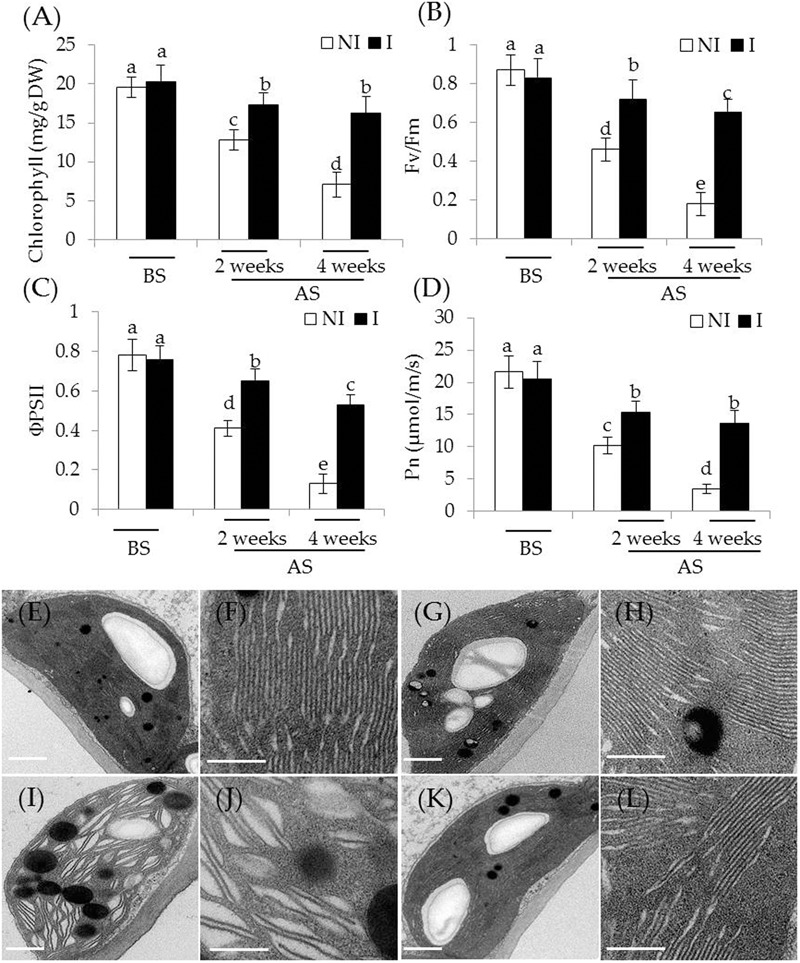
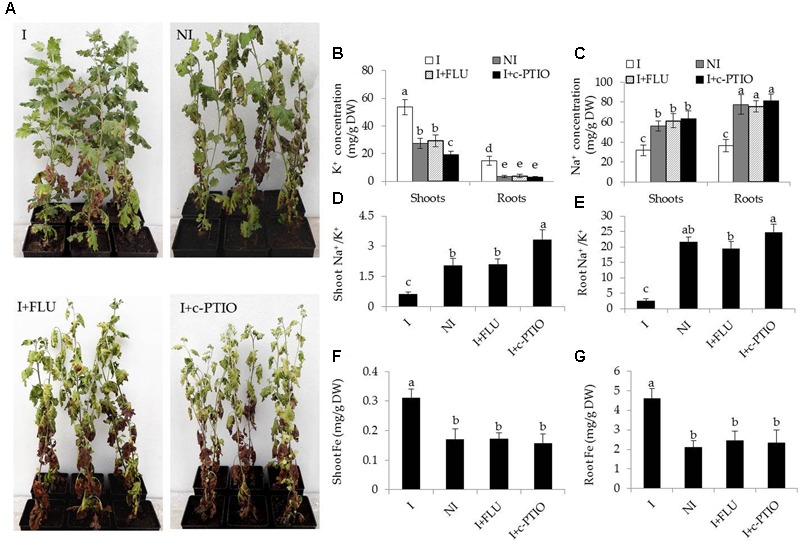
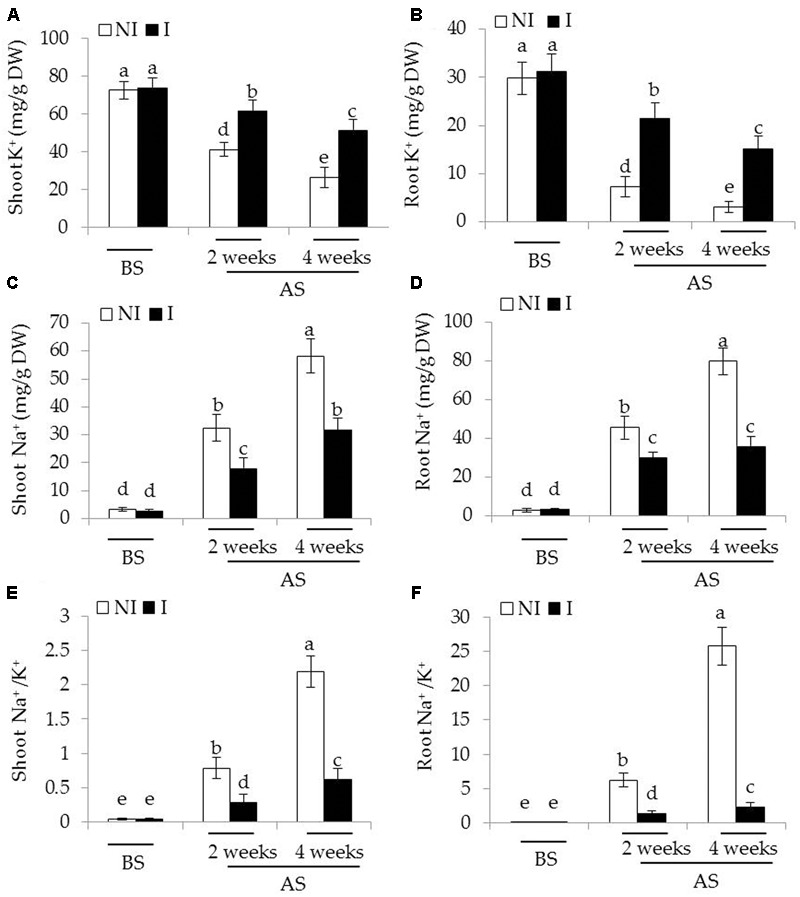
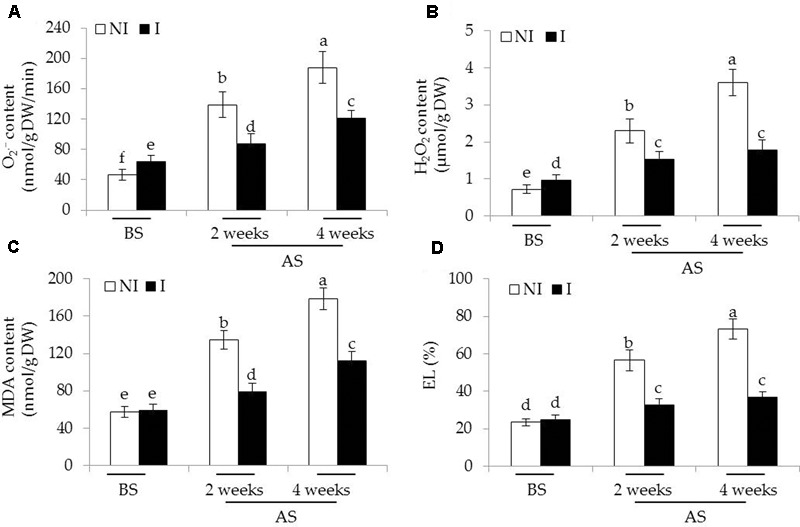
Soil saline-alkalization is a major abiotic stress that leads to low iron (Fe) availability and high toxicity of sodium ions (Na) for plants. It has recently been shown that plant growth promoting rhizobacteria (PGPR) can enhance the ability of plants to tolerate multiple abiotic stresses such as drought, salinity, and nutrient deficiency. However, the possible involvement of PGPR in improving saline-alkaline tolerance of plants and the underlying mechanisms remain largely unknown. In this study, we investigated the effects of (strain SA03) on the growth of plants under saline-alkaline conditions. Our results revealed that inoculation with SA03 alleviated saline-alkaline stress in plants with increased survival rates, photosynthesis and biomass. The inoculated plants accumulated more Fe and lower Na concentrations under saline-alkaline stress compared with the non-inoculated plants. RNA-Sequencing analyses further revealed that SA03 significantly activated abiotic stress- and Fe acquisition-related pathways in the stress-treated plants. However, SA03 failed to increase saline-alkaline tolerance in plants when cellular abscisic acid (ABA) and nitric oxide (NO) synthesis were inhibited by treatment with fluridone (FLU) and 2-(4-carboxyphenyl)-4,4,5,5-tetramethylimidazoline-1-oxyl-3-oxide (c-PTIO), respectively. Importantly, we also found that NO acted downstream of SA03-induced ABA to activate a series of adaptive responses in host plants under saline-alkaline stress. These findings demonstrated the potential roles of SA03 in enhancing saline-alkaline tolerance of plants and highlighted the intricate integration of microbial signaling in regulating cellular Fe and Na accumulation.
土壤盐碱化是一种主要的非生物胁迫,会导致植物中铁(Fe)有效性降低以及钠离子(Na)毒性升高。最近有研究表明,植物促生根际细菌(PGPR)可以增强植物耐受多种非生物胁迫的能力,如干旱、盐度和养分缺乏。然而,PGPR在提高植物盐碱耐受性方面的可能作用及其潜在机制在很大程度上仍不清楚。在本研究中,我们调查了[菌株名称]SA03对盐碱条件下[植物名称]植物生长的影响。我们的结果表明,接种SA03可缓解植物的盐碱胁迫,提高存活率、光合作用和生物量。与未接种的植物相比,接种植物在盐碱胁迫下积累了更多的铁,且钠浓度更低。RNA测序分析进一步表明,SA03显著激活了胁迫处理植物中与非生物胁迫和铁获取相关的途径。然而,当分别用氟啶酮(FLU)和2-(4-羧基苯基)-4,4,5,5-四甲基咪唑啉-1-氧基-3-氧化物(c-PTIO)处理抑制细胞脱落酸(ABA)和一氧化氮(NO)合成时,SA03未能提高植物的盐碱耐受性。重要的是,我们还发现,在盐碱胁迫下,NO在SA03诱导的ABA下游发挥作用,激活宿主植物的一系列适应性反应。这些发现证明了SA03在增强植物盐碱耐受性方面的潜在作用,并突出了微生物信号在调节细胞铁和钠积累中的复杂整合。