Lunenfeld-Tanenbaum Research Institute, Mount Sinai Hospital, Toronto, ON, Canada.
Centre for Computational Medicine, The Hospital for Sick Children, Toronto, ON, Canada.
BMC Biol. 2017 Jul 17;15(1):61. doi: 10.1186/s12915-017-0398-y.
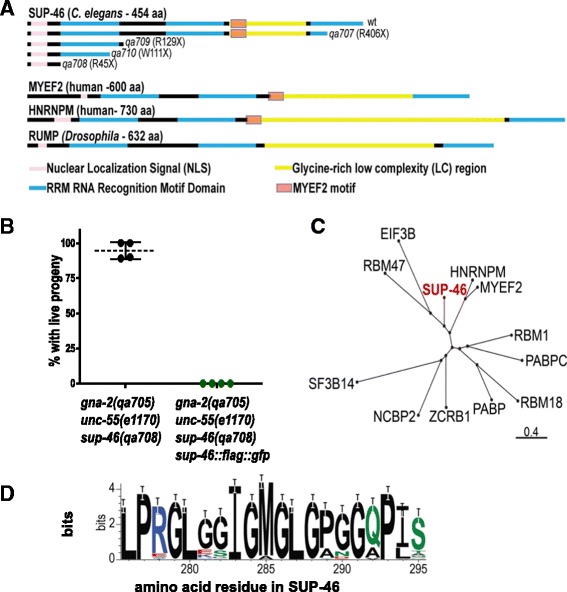
In addition to DNA, gametes contribute epigenetic information in the form of histones and non-coding RNA. Epigenetic programs often respond to stressful environmental conditions and provide a heritable history of ancestral stress that allows for adaptation and propagation of the species. In the nematode C. elegans, defective epigenetic transmission often manifests as progressive germline mortality. We previously isolated sup-46 in a screen for suppressors of the hexosamine pathway gene mutant, gna-2(qa705). In this study, we examine the role of SUP-46 in stress resistance and progressive germline mortality.
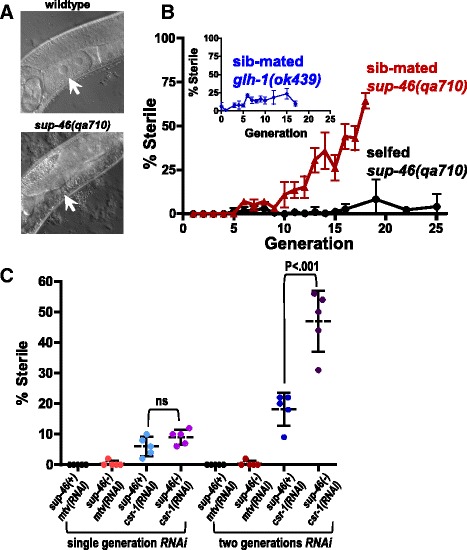
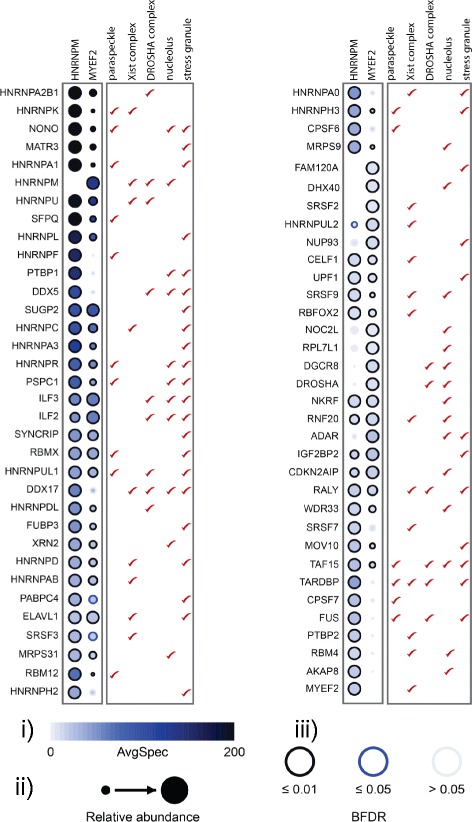
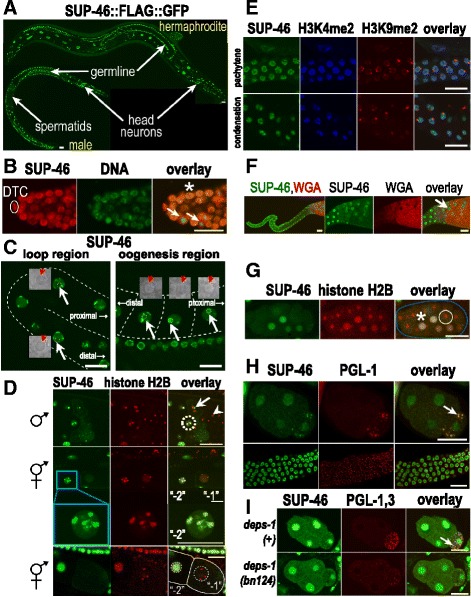
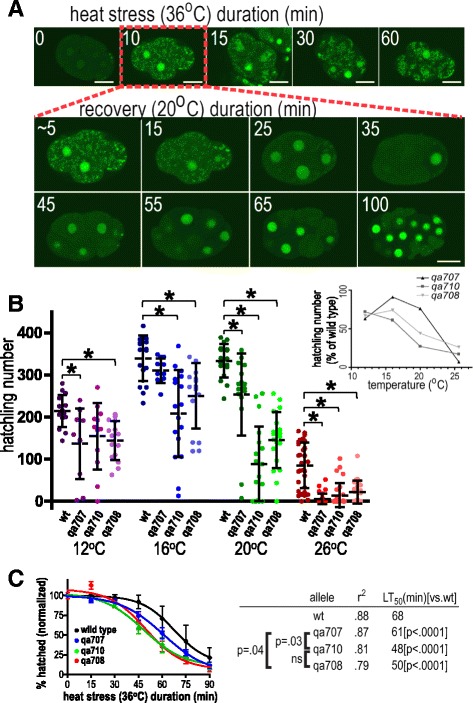
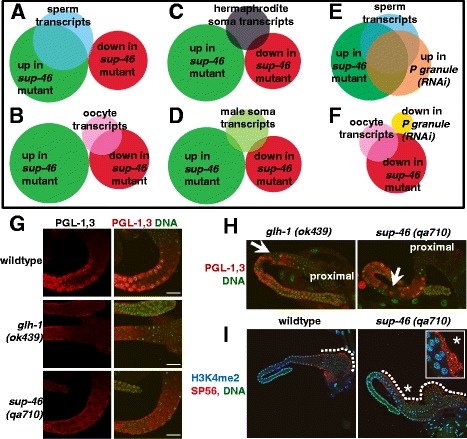
We identified SUP-46 as an HNRNPM family RNA-binding protein, and uncovered a highly novel role for SUP-46 in preventing paternally-mediated progressive germline mortality following mating. Proximity biotinylation profiling of human homologs (HNRNPM, MYEF2) identified proteins of ribonucleoprotein complexes previously shown to contain non-coding RNA. Like HNRNPM and MYEF2, SUP-46 was associated with multiple RNA granules, including stress granules, and also formed granules on active chromatin. SUP-46 depletion disrupted germ RNA granules and caused ectopic sperm, increased sperm transcripts, and chronic heat stress sensitivity. SUP-46 was also required for resistance to acute heat stress, and a conserved "MYEF2" motif was identified that was needed for stress resistance.
In mammals, non-coding RNA from the sperm of stressed males has been shown to recapitulate paternal stress phenotypes in the offspring. Our results suggest that HNRNPM family proteins enable stress resistance and paternally-mediated epigenetic transmission that may be conserved across species.
除了 DNA,配子还以组蛋白和非编码 RNA 的形式贡献表观遗传信息。表观遗传程序通常对有压力的环境条件做出反应,并提供祖先压力的可遗传历史,从而允许物种的适应和繁殖。在秀丽隐杆线虫中,有缺陷的表观遗传传递通常表现为生殖系的渐进性死亡。我们之前在筛选己糖胺途径基因突变体gna-2(qa705)的抑制剂时分离出 sup-46。在这项研究中,我们研究了 SUP-46 在应激抗性和渐进性生殖系死亡中的作用。
我们确定 SUP-46 是一种 HNRNPM 家族 RNA 结合蛋白,并揭示了 SUP-46 在防止交配后父系介导的渐进性生殖系死亡方面的一个非常新的作用。人类同源物(HNRNPM、MYEF2)的邻近生物素化分析鉴定了先前显示含有非编码 RNA 的核糖核蛋白复合物的蛋白质。与 HNRNPM 和 MYEF2 一样,SUP-46 与多个 RNA 颗粒相关,包括应激颗粒,并且还在活性染色质上形成颗粒。SUP-46 的耗竭破坏了生殖 RNA 颗粒,并导致精子外溢、增加精子转录本和慢性热应激敏感性。SUP-46 也需要抵抗急性热应激,并且鉴定出一个保守的“MYEF2”基序,该基序对于应激抗性是必需的。
在哺乳动物中,来自有压力的雄性精子的非编码 RNA 已被证明可以在后代中再现父系应激表型。我们的结果表明,HNRNPM 家族蛋白使应激抗性和父系介导的表观遗传传递成为可能,这可能在物种间是保守的。