Spence J David
Robarts Research Institute, Western University, London, ON, Canada.
F1000Res. 2017 Jun 28;6:1017. doi: 10.12688/f1000research.11597.1. eCollection 2017.
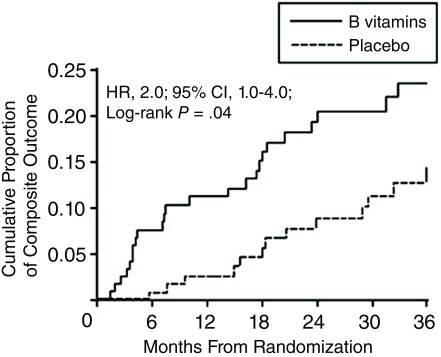
Recent advances in secondary stroke prevention include new evidence in hypertension, nutrition, anticoagulation, antiplatelet therapy, intracranial stenosis, percutaneous closure of patent foramen ovale, and lipid-lowering therapy. Individualized therapy for hypertension based on phenotyping with plasma renin and aldosterone markedly improves blood pressure control in patients with resistant hypertension. A Mediterranean diet can reduce the risk of stroke by nearly half. The diagnosis and treatment of metabolic vitamin B12 deficiency, and B vitamins to lower homocysteine, can reduce the risk of stroke by approximately 30%. There are problems with clopidogrel that can be overcome by using ticagrelor, and new anticoagulant drugs markedly improve anticoagulation for stroke prevention, particularly in atrial fibrillation. There are pharmacokinetic problems with dabigatran that deserve attention. Intensive medical therapy is better than stenting for intracranial stenosis, and new therapies directed at proprotein convertase subtilisin-kexin type 9 (PCSK9) will revolutionize lipid-lowering therapy. In the past, it was estimated that rational therapy could reduce recurrent stroke by about 80%. With recent advances, we should be able to do even better.
二级卒中预防的最新进展包括高血压、营养、抗凝、抗血小板治疗、颅内狭窄、卵圆孔未闭的经皮封堵以及降脂治疗等方面的新证据。基于血浆肾素和醛固酮表型分析的高血压个体化治疗可显著改善难治性高血压患者的血压控制。地中海饮食可使卒中风险降低近一半。代谢性维生素B12缺乏的诊断与治疗以及使用B族维生素降低同型半胱氨酸水平,可使卒中风险降低约30%。氯吡格雷存在一些问题,使用替格瑞洛可克服这些问题,新型抗凝药物可显著改善预防卒中的抗凝效果,尤其是在心房颤动患者中。达比加群存在一些药代动力学问题值得关注。对于颅内狭窄,强化药物治疗优于支架置入术,针对前蛋白转化酶枯草溶菌素9型(PCSK9)的新疗法将彻底改变降脂治疗。过去估计合理治疗可使复发性卒中减少约80%。随着近期的进展,我们应该能够做得更好。