Gupta Saurabh, Black-Schaffer W Stephen, Crawford James M, Gross David, Karcher Donald S, Kaufman Jill, Knapman Doug, Prystowsky Michael B, Wheeler Thomas M, Bean Sarah, Kumar Paramhans, Sharma Raghav, Chamoli Vaibhav, Ghai Vikrant, Gogia Vineet, Weintraub Sally, Cohen Michael B, Robboy Stanley J
Contify, New Delhi, Delhi, India.
Department of Pathology, Massachusetts General Hospital, Harvard Medical School, Boston, MA, USA.
Acad Pathol. 2015 Oct 13;2(4):2374289515606730. doi: 10.1177/2374289515606730. eCollection 2015 Oct-Dec.
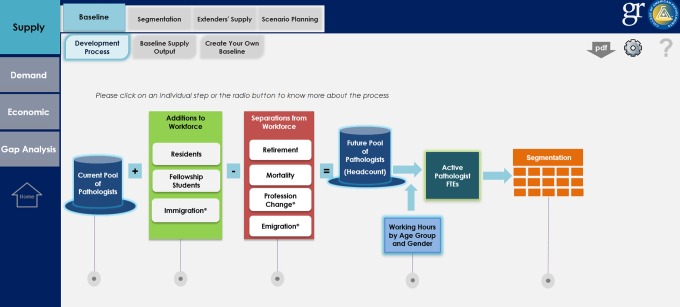
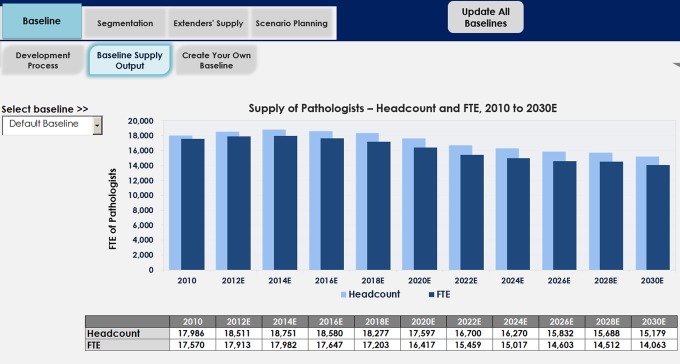
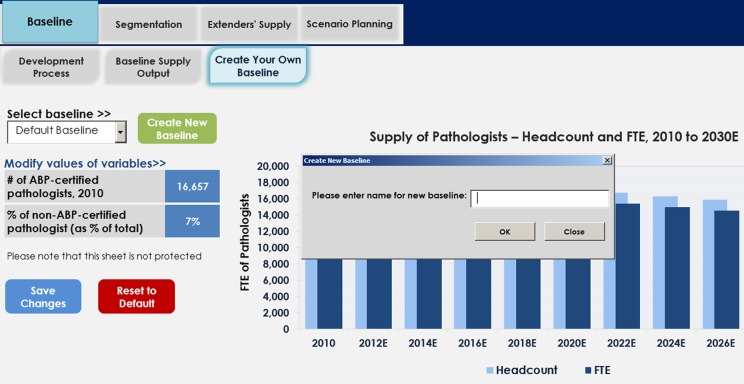
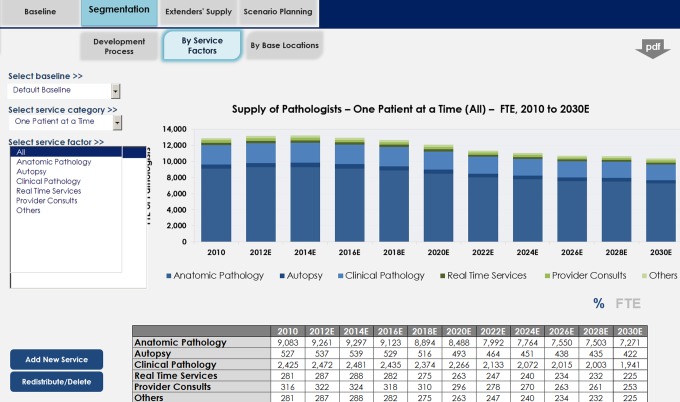
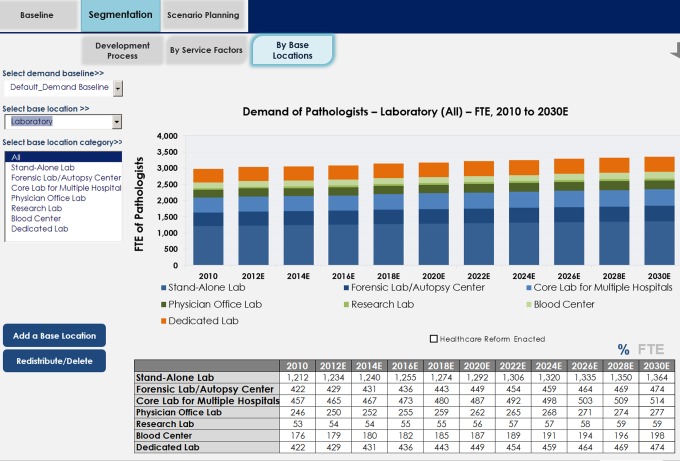
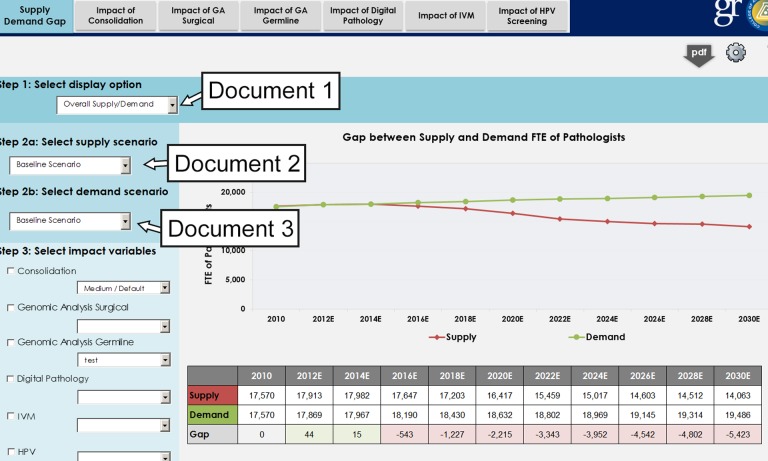
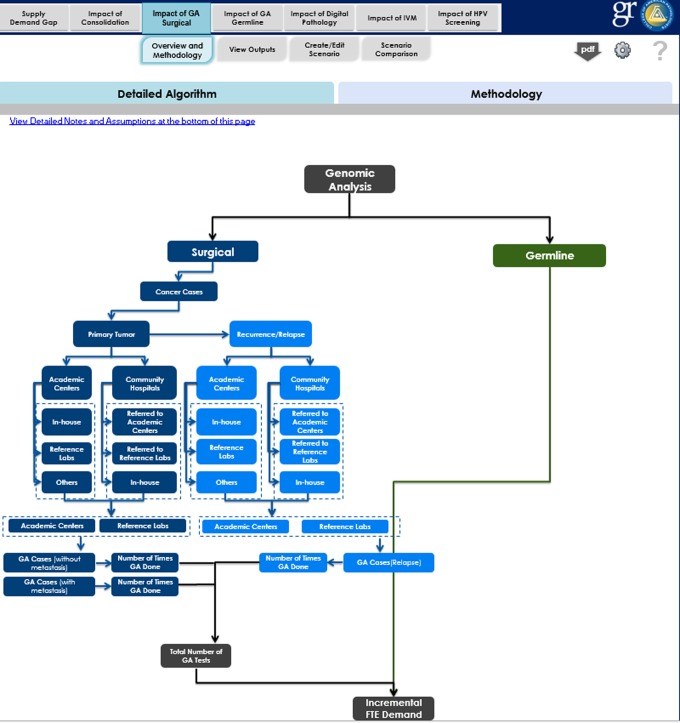
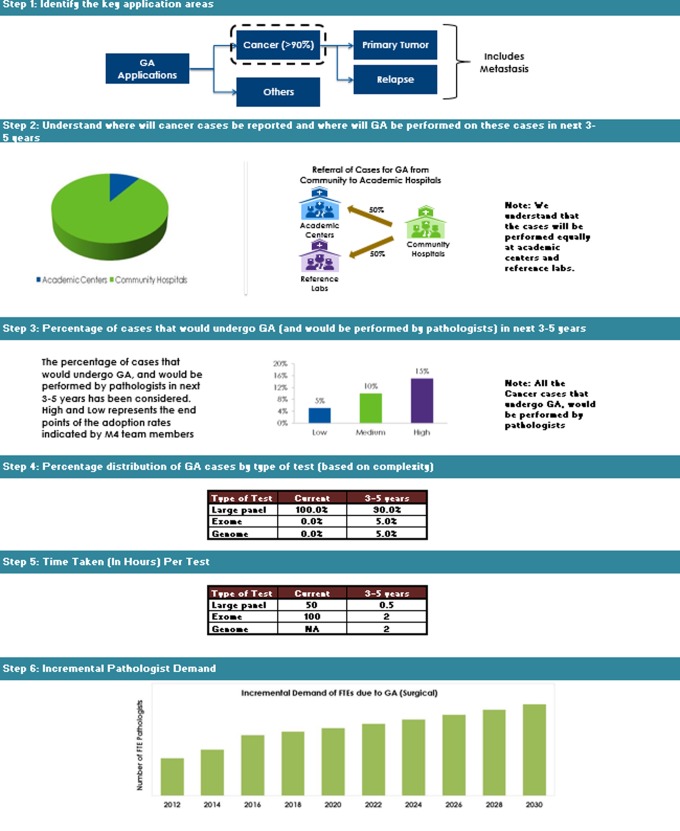
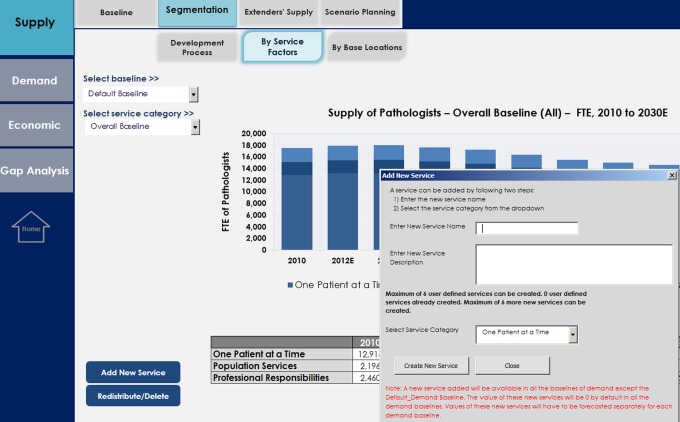
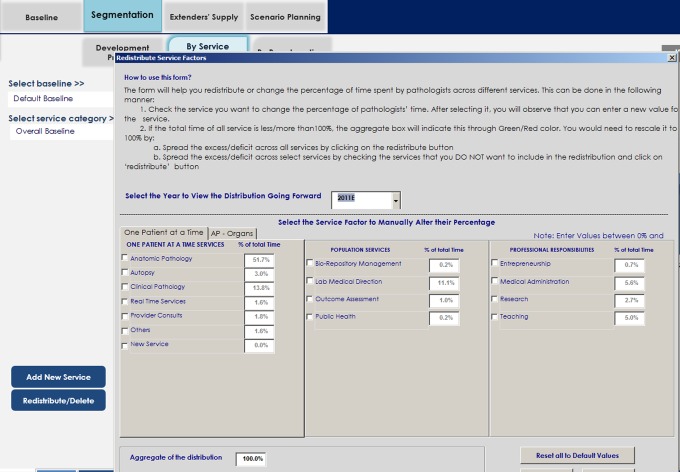
Effective physician workforce management requires that the various organizations comprising the House of Medicine be able to assess their current and future workforce supply. This information has direct relevance to funding of graduate medical education. We describe a dynamic modeling tool that examines how individual factors and practice variables can be used to measure and forecast the supply and demand for existing and new physician services. The system we describe, while built to analyze the pathologist workforce, is sufficiently broad and robust for use in any medical specialty. Our design provides a computer-based software model populated with data from surveys and best estimates by specialty experts about current and new activities in the scope of practice. The model describes the steps needed and data required for analysis of supply and demand. Our modeling tool allows educators and policy makers, in addition to physician specialty organizations, to assess how various factors may affect demand (and supply) of current and emerging services. Examples of factors evaluated include types of professional services (3 categories with 16 subcategories), service locations, elements related to the Patient Protection and Affordable Care Act, new technologies, aging population, and changing roles in capitated, value-based, and team-based systems of care. The model also helps identify where physicians in a given specialty will likely need to assume new roles, develop new expertise, and become more efficient in practice to accommodate new value-based payment models.
有效的医生劳动力管理要求构成医学之家的各个组织能够评估其当前和未来的劳动力供应情况。这些信息与研究生医学教育的资金直接相关。我们描述了一种动态建模工具,该工具研究如何利用个体因素和实践变量来衡量和预测现有及新医生服务的供需情况。我们所描述的系统虽然是为分析病理学家劳动力而构建的,但足够广泛且强大,可用于任何医学专业。我们的设计提供了一个基于计算机的软件模型,该模型填充了来自调查的数据以及专业专家对当前和新实践范围内活动的最佳估计。该模型描述了供需分析所需的步骤和数据。我们的建模工具使教育工作者、政策制定者以及医生专业组织能够评估各种因素可能如何影响当前和新兴服务的需求(和供应)。所评估因素的示例包括专业服务类型(3类,含16个子类别)、服务地点、与《患者保护与平价医疗法案》相关的要素、新技术、人口老龄化以及在按人头付费、基于价值和基于团队的医疗系统中角色的变化。该模型还有助于确定特定专业的医生可能需要在哪些方面承担新角色、发展新专长并在实践中提高效率,以适应新的基于价值的支付模式。