Keith Rose A, Mitchell-Olds Thomas
University Program in Genetics and Genomics, Duke University, Durham, North Carolina, United States of America.
Biology Department, Duke University, Durham, North Carolina, United States of America.
PLoS One. 2017 Jul 21;12(7):e0180971. doi: 10.1371/journal.pone.0180971. eCollection 2017.
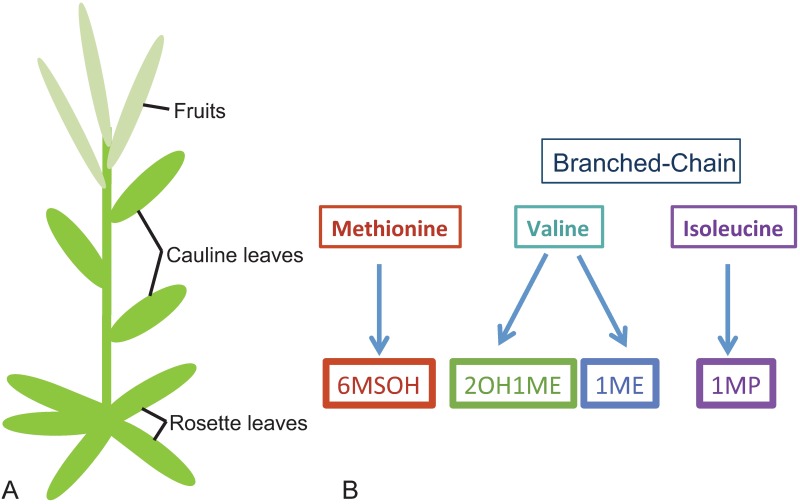
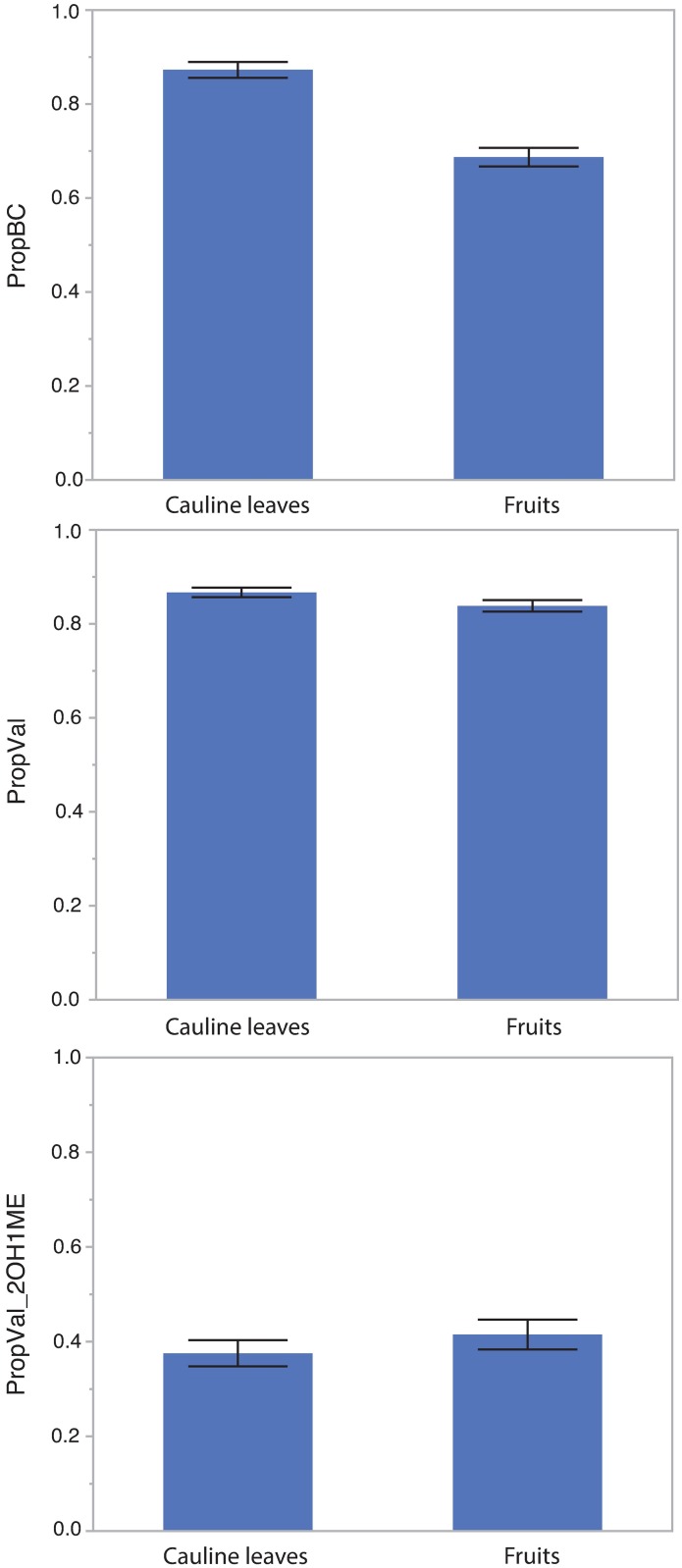
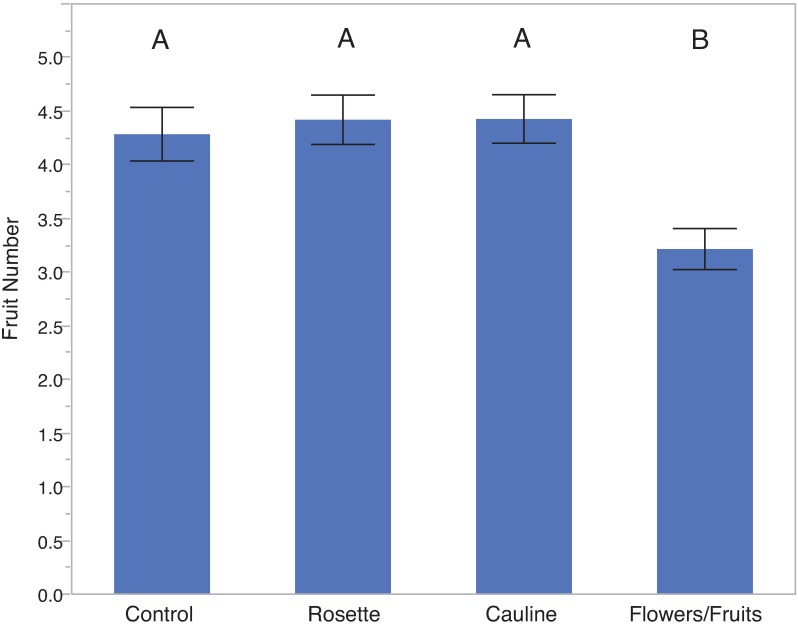
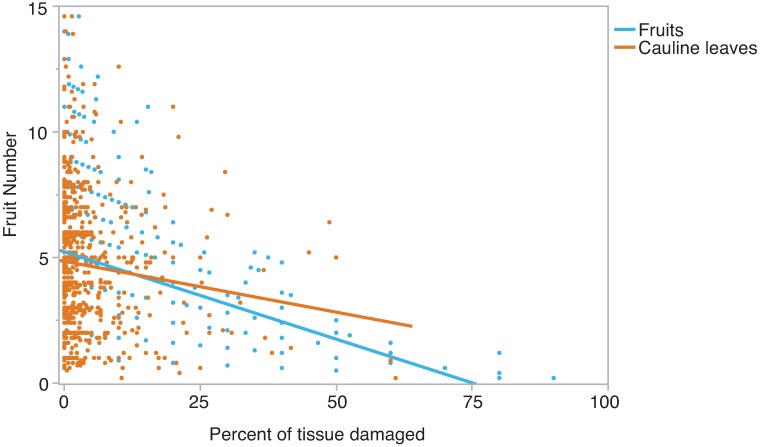
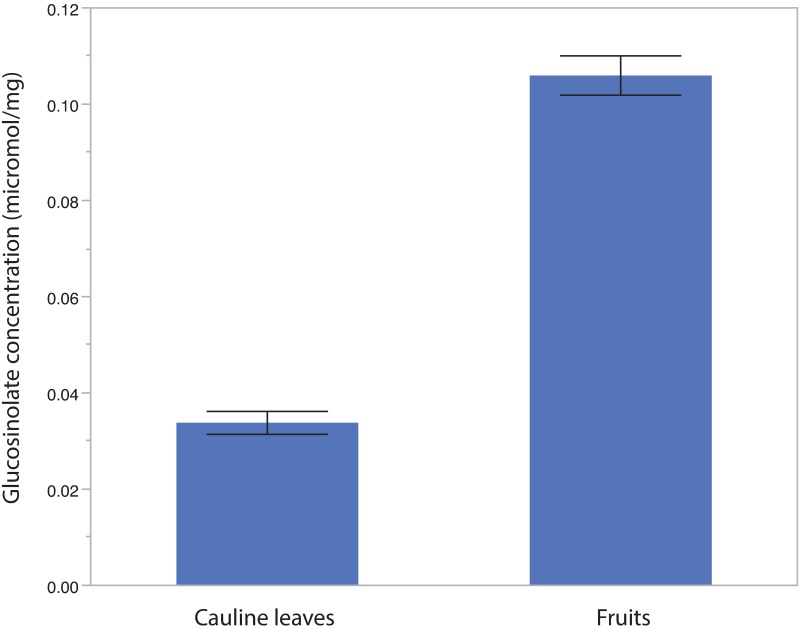
Plants employ highly variable chemical defenses against a broad community of herbivores, which vary in their susceptibilities to specific compounds. Variation in chemical defenses within the plant has been found in many species; the ecological and evolutionary influences on this variation, however, are less well-understood. One central theory describing the allocation of defenses in the plant is the Optimal Defense Hypothesis (ODH), which predicts that defenses will be concentrated in tissues that are of high fitness value to the plant. Although the ODH has been repeatedly supported within vegetative tissues, few studies have compared vegetative and reproductive tissues, and the results have not been conclusive. We quantified variation in glucosinolate profile and tissue value between vegetative and reproductive tissues in Boechera stricta, a close relative of Arabidopsis. B. stricta manufactures glucosinolates, a set of defensive compounds that vary genetically and are straightforward to quantify. Genetic diversity in glucosinolate profile has been previously demonstrated to be important to both herbivory and fitness in B. stricta; however, the importance of glucosinolate variation among tissues has not. Here, we investigate whether allocation of glucosinolates within the plant is consistent with the ODH. We used both clipping experiments on endogenous plants and ambient herbivory in a large-scale transplant experiment at three sites to quantify fitness effects of loss of rosette leaves, cauline leaves, and flowers and fruits. We measured glucosinolate concentration in leaves and fruits in the transplant experiment, and asked whether more valuable tissues were more defended. We also investigated within-plant variation in other aspects of the glucosinolate profile. Our results indicated that damage to fruits had a significantly larger effect on overall fitness than damage to leaves, and that fruits had much higher concentrations of glucosinolates, supporting the ODH. This is, to the best of our knowledge, the first study to explicitly compare both tissue value and chemical defense concentrations between vegetative and reproductive tissues under natural conditions.
植物针对广泛的食草动物群体采用高度可变的化学防御机制,而这些食草动物对特定化合物的易感性各不相同。许多物种中都发现了植物体内化学防御的变异;然而,对这种变异的生态和进化影响却了解得较少。描述植物防御分配的一个核心理论是最优防御假说(ODH),该假说预测防御将集中在对植物具有高适合度价值的组织中。尽管ODH在营养组织中多次得到支持,但很少有研究比较营养组织和生殖组织,而且结果尚无定论。我们量化了拟南芥的近缘种——窄叶臂形草营养组织和生殖组织之间硫代葡萄糖苷谱和组织价值的变异。窄叶臂形草会产生硫代葡萄糖苷,这是一组防御性化合物,其在基因上存在差异且易于量化。先前已证明硫代葡萄糖苷谱中的遗传多样性对窄叶臂形草的食草作用和适合度都很重要;然而,硫代葡萄糖苷在组织间变异的重要性尚未得到证实。在这里,我们研究植物体内硫代葡萄糖苷的分配是否与ODH一致。我们对内源植物进行了修剪实验,并在三个地点的大规模移植实验中利用环境食草作用来量化莲座叶、茎生叶以及花和果实损失对适合度的影响。我们在移植实验中测量了叶片和果实中的硫代葡萄糖苷浓度,并询问更有价值的组织是否得到了更多的防御。我们还研究了硫代葡萄糖苷谱其他方面的植物内变异。我们的结果表明,果实受损对整体适合度的影响显著大于叶片受损,并且果实中的硫代葡萄糖苷浓度要高得多,这支持了ODH。据我们所知,这是第一项在自然条件下明确比较营养组织和生殖组织之间组织价值和化学防御浓度的研究。