Lee Stephanie Ling Jie, Horsfield Julia A, Black Michael A, Rutherford Kim, Fisher Amanda, Gemmell Neil J
Department of Anatomy, University of Otago, Dunedin, Otago, New Zealand.
Department of Pathology, University of Otago, Dunedin, Otago, New Zealand.
BMC Genomics. 2017 Jul 24;18(1):557. doi: 10.1186/s12864-017-3915-z.
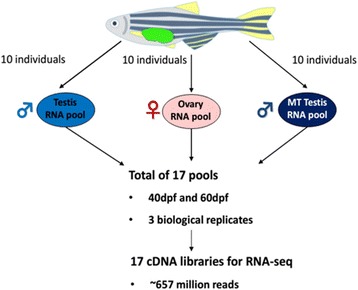
Sex hormones play important roles in teleost ovarian and testicular development. In zebrafish, ovarian differentiation appears to be dictated by an oocyte-derived signal via Cyp19a1a aromatase-mediated estrogen production. Androgens and aromatase inhibitors can induce female-to-male sex reversal, however, the mechanisms underlying gonadal masculinisation are poorly understood. We used histological analyses together with RNA sequencing to characterise zebrafish gonadal transcriptomes and investigate the effects of 17α-methyltestosterone on gonadal differentiation.
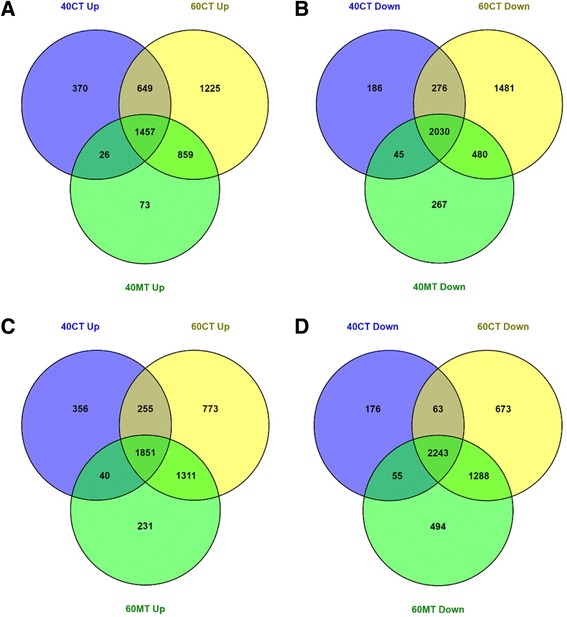
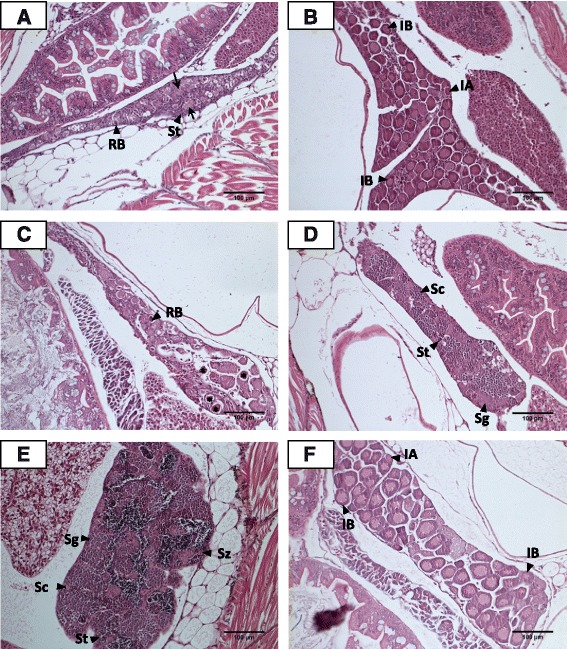
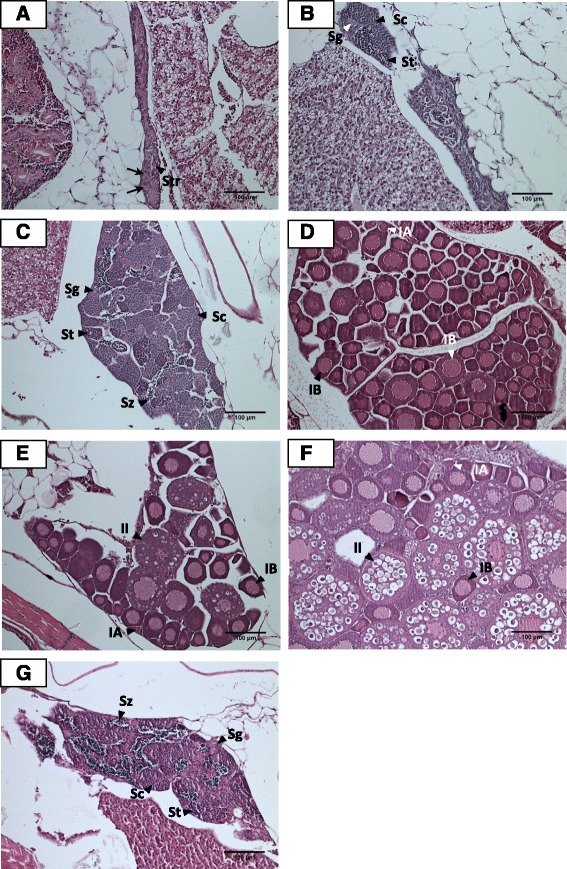
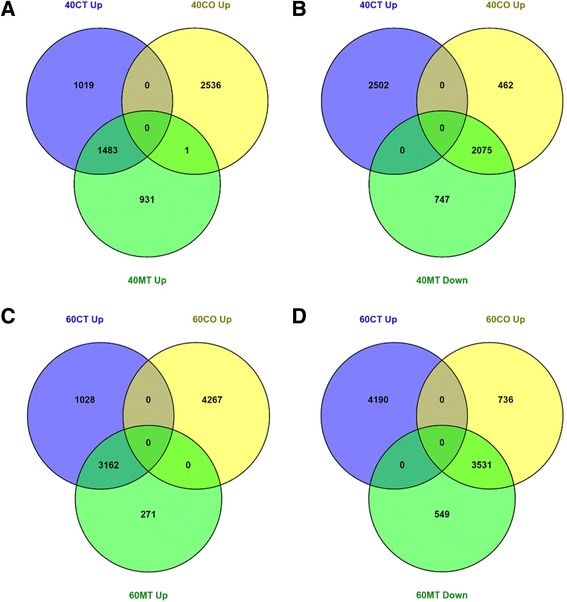
At a morphological level, 17α-methyltestosterone (MT) masculinised gonads and accelerated spermatogenesis, and these changes were paralleled in masculinisation and de-feminisation of gonadal transcriptomes. MT treatment upregulated expression of genes involved in male sex determination and differentiation (amh, dmrt1, gsdf and wt1a) and those involved in 11-oxygenated androgen production (cyp11c1 and hsd11b2). It also repressed expression of ovarian development and folliculogenesis genes (bmp15, gdf9, figla, zp2.1 and zp3b). Furthermore, MT treatment altered epigenetic modification of histones in zebrafish gonads. Contrary to expectations, higher levels of cyp19a1a or foxl2 expression in control ovaries compared to MT-treated testes and control testes were not statistically significant during early gonad development (40 dpf).
Our study suggests that both androgen production and aromatase inhibition are important for androgen-induced gonadal masculinisation and natural testicular differentiation in zebrafish.
性激素在硬骨鱼卵巢和睾丸发育中起重要作用。在斑马鱼中,卵巢分化似乎由卵母细胞衍生的信号通过细胞色素P450 19A1A(Cyp19a1a)芳香化酶介导的雌激素产生来决定。雄激素和芳香化酶抑制剂可诱导雌性向雄性性逆转,然而,性腺雄性化的潜在机制尚不清楚。我们使用组织学分析和RNA测序来表征斑马鱼性腺转录组,并研究17α-甲基睾酮对性腺分化的影响。
在形态学水平上,17α-甲基睾酮(MT)使性腺雄性化并加速精子发生,这些变化与性腺转录组的雄性化和去雌性化平行。MT处理上调了参与雄性性别决定和分化的基因(抗缪勒管激素(amh)、双性调节转录因子1(dmrt1)、生长分化因子9(gsdf)和威尔姆斯瘤1a(wt1a))以及参与11-氧化雄激素产生的基因(细胞色素P450 11C1(cyp11c1)和11β-羟基类固醇脱氢酶2(hsd11b2))的表达。它还抑制了卵巢发育和卵泡发生基因(骨形态发生蛋白15(bmp15)、生长分化因子9(gdf9)、卵泡生成素样因子(figla)、卵透明带蛋白2.1(zp2.1)和卵透明带蛋白3b(zp3b))的表达。此外,MT处理改变了斑马鱼性腺中组蛋白的表观遗传修饰。与预期相反,在性腺发育早期(40日龄),对照卵巢中细胞色素P450 19A1A或叉头框L2(foxl2)的表达水平高于MT处理的睾丸和对照睾丸,但差异无统计学意义。
我们的研究表明,雄激素产生和芳香化酶抑制对于雄激素诱导的斑马鱼性腺雄性化和自然睾丸分化都很重要。