Jara Marlene, Berg Maya, Caljon Guy, de Muylder Geraldine, Cuypers Bart, Castillo Denis, Maes Ilse, Orozco María Del Carmen, Vanaerschot Manu, Dujardin Jean-Claude, Arevalo Jorge
Instituto de Medicina Tropical "Alexander von Humboldt", Universidad Peruana Cayetano Heredia, Lima, Perú.
Institute of Tropical Medicine Antwerp, Molecular Parasitology Unit, Antwerp, Belgium.
PLoS One. 2017 Jul 25;12(7):e0180532. doi: 10.1371/journal.pone.0180532. eCollection 2017.
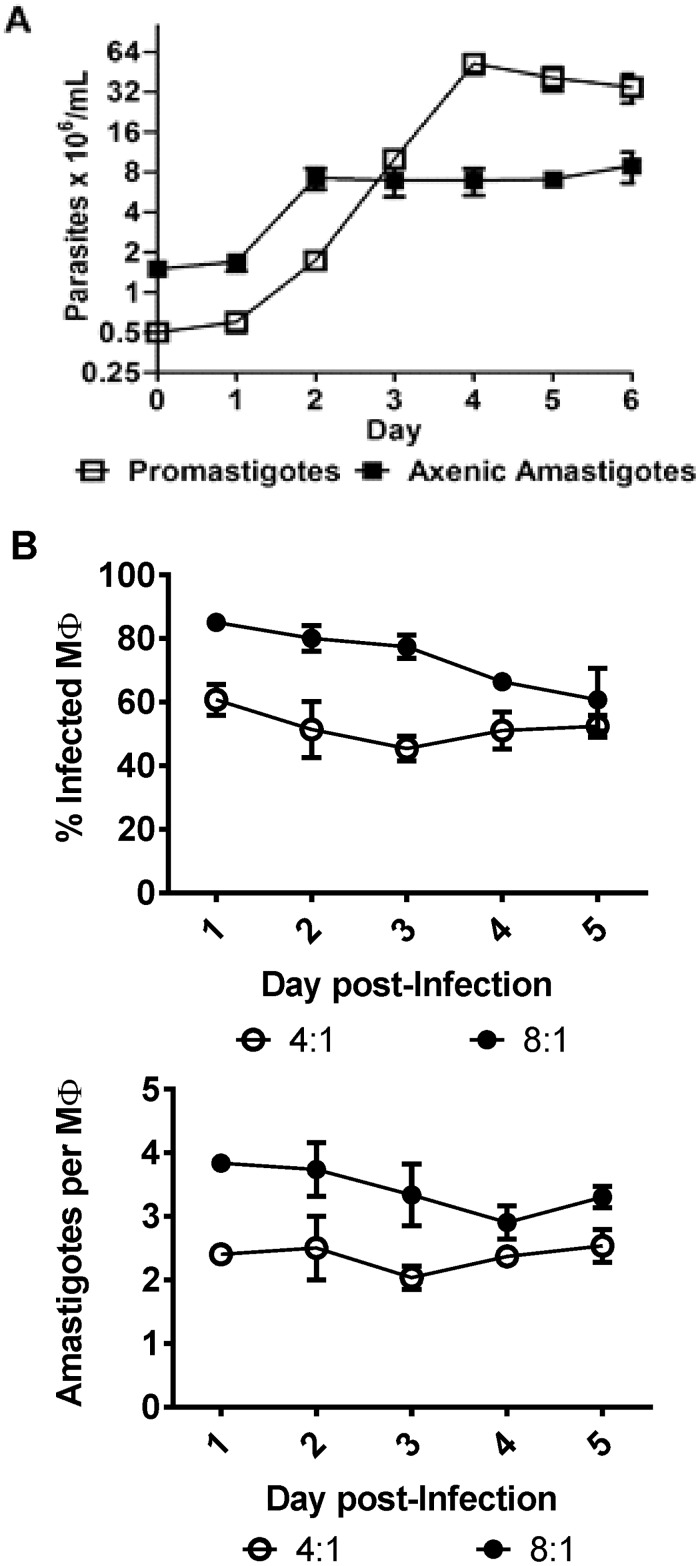
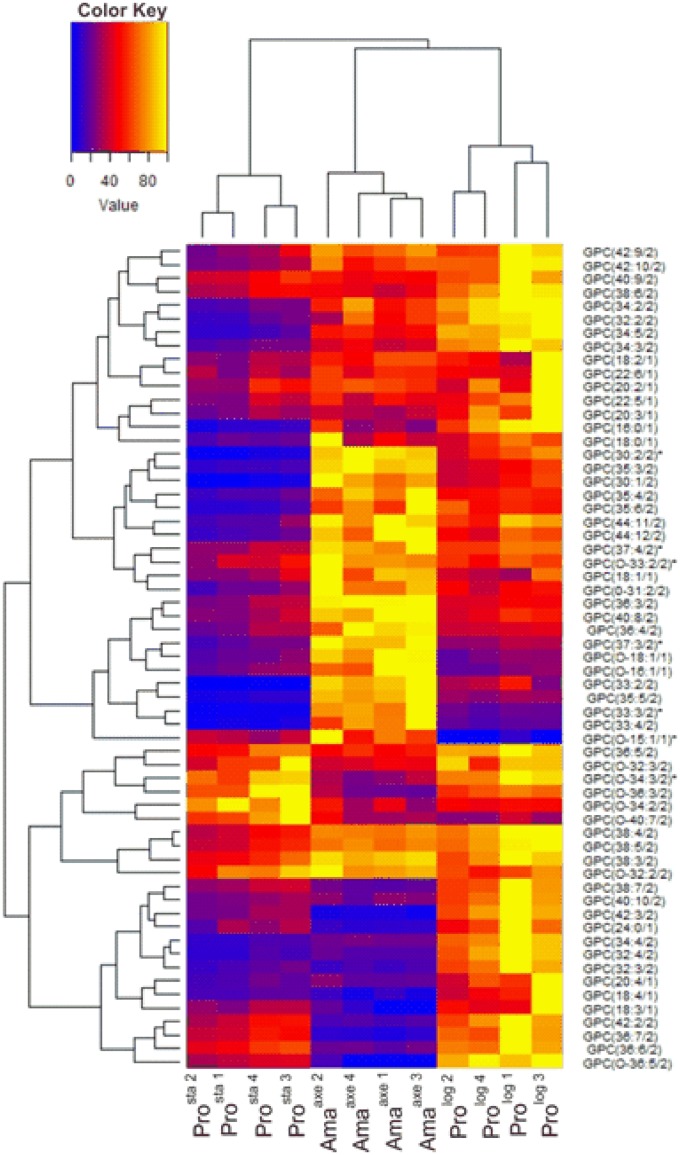
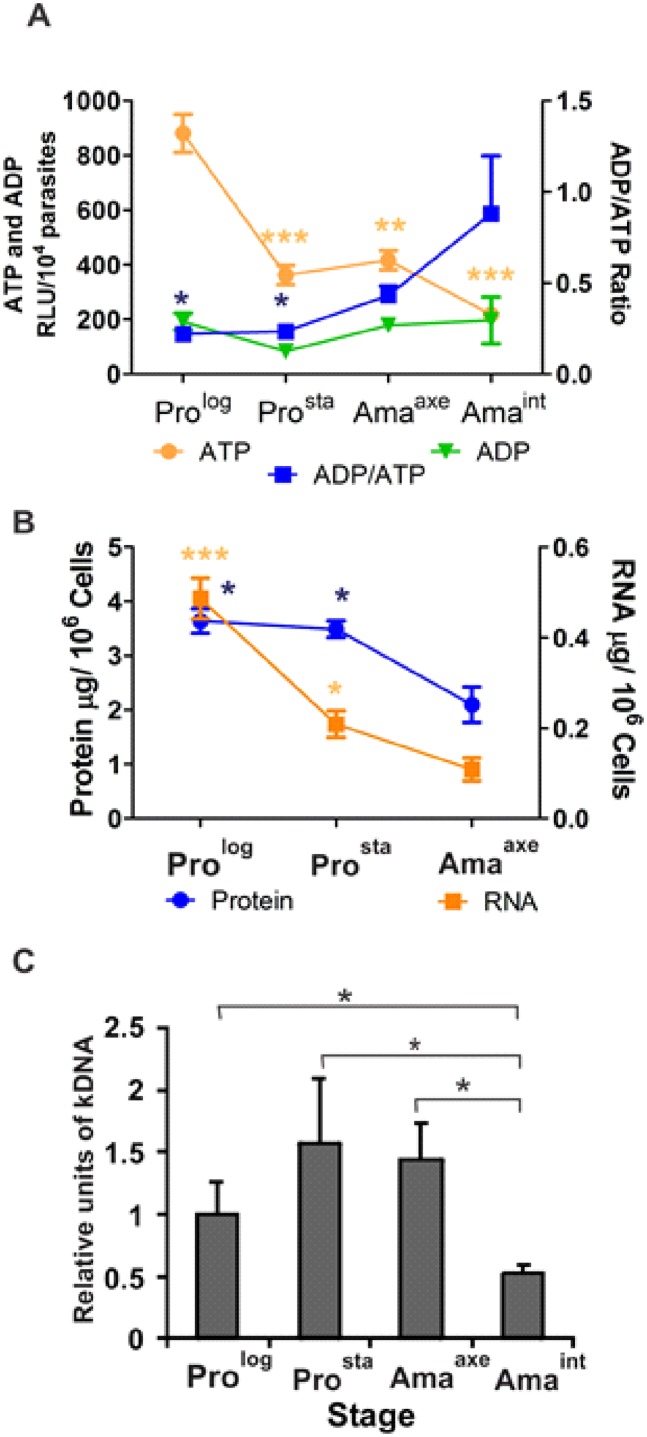
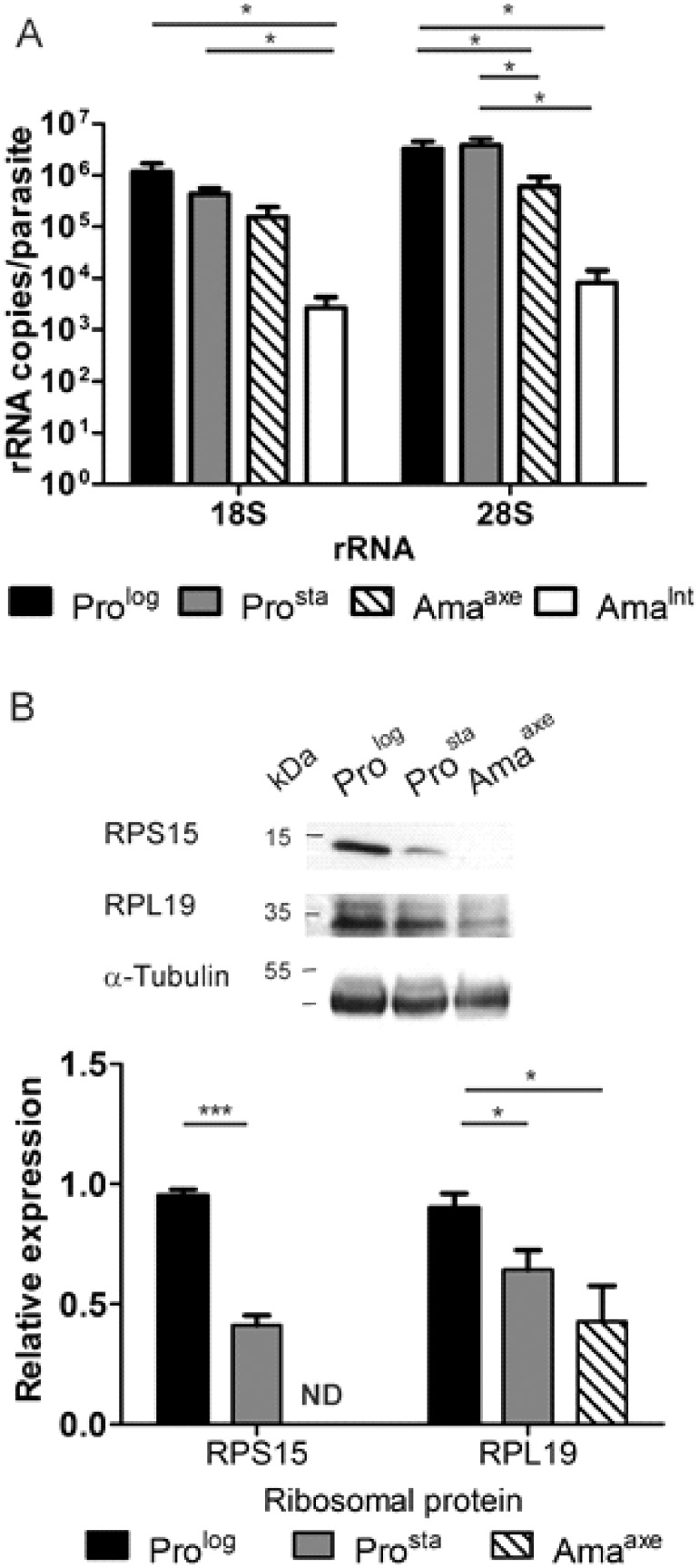
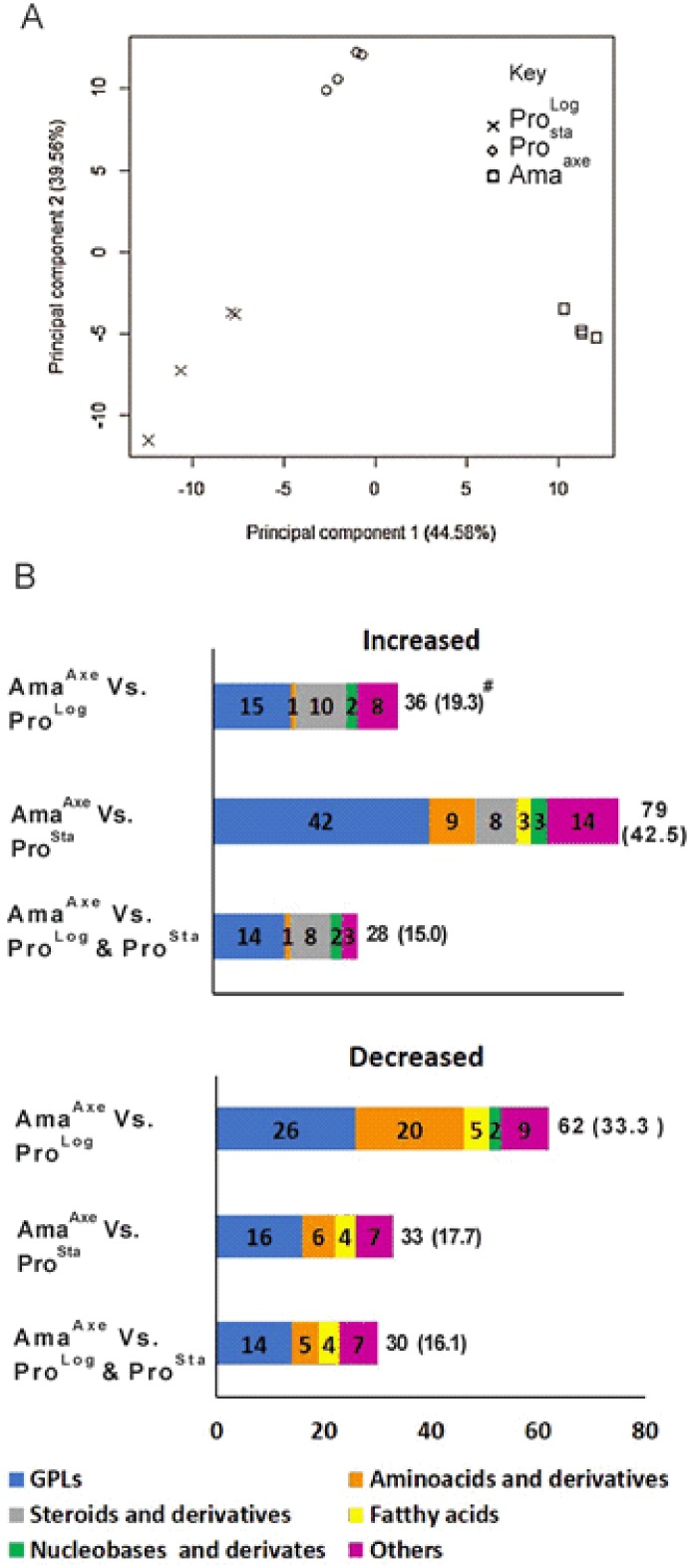
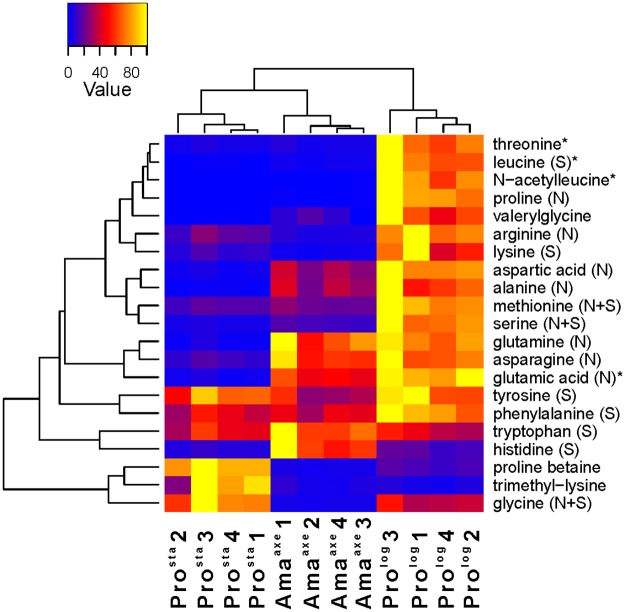
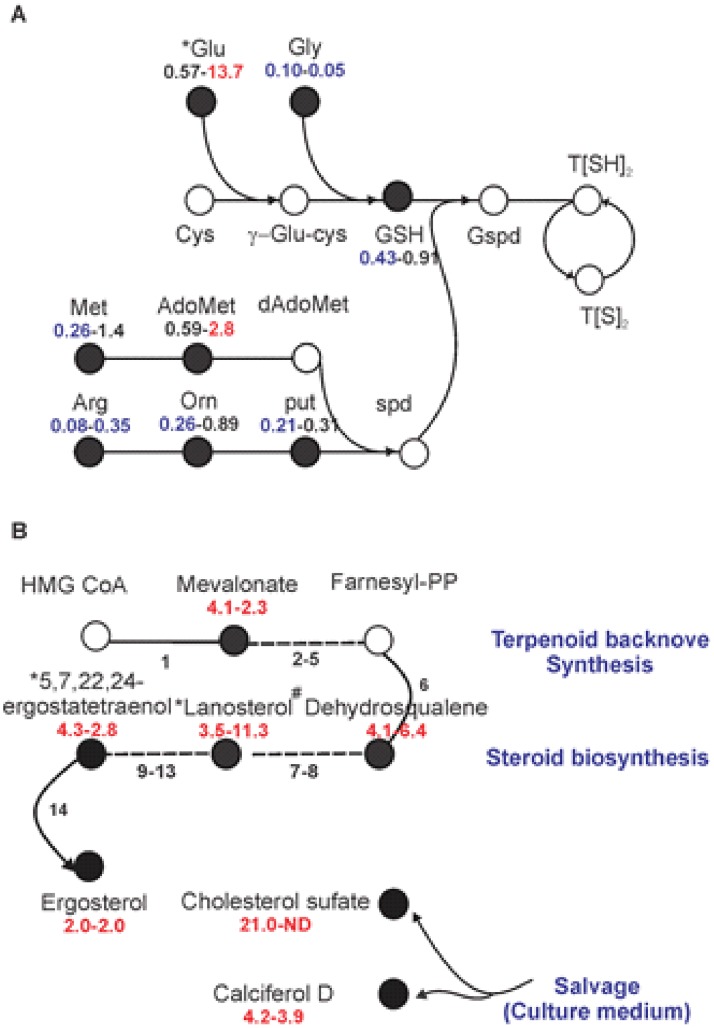
It was recently hypothesized that Leishmania amastigotes could constitute a semi-quiescent stage characterized by low replication and reduced metabolic activity. This concept developed with Leishmania (Leishmania) mexicana and Leishmania (Leishmania) major models might explain numerous clinical and sub-clinical features of Leishmania (Viannia) braziliensis infections, like reactivation of the disease, non-response to chemotherapy or asymptomatic infections. We compared here in vitro the proliferative capability of L. (V.) braziliensis amastigotes and promastigotes, assessed the expression of key molecular parameters and performed metabolomic analysis. We found that contrary to the highly proliferative promastigotes, amastigotes (axenic and intracellular) do not show evidence of extensive proliferation. In parallel, amastigotes showed a significant decrease of (i) the kDNA mini-circle abundance, (ii) the intracellular ATP level, (iii) the ribosomal components: rRNA subunits 18S and 28S α and ribosomal proteins RPS15 and RPL19, (iv) total RNA and protein levels. An untargeted metabolomic study identified clear differences between the different life stages: in comparison to logarithmic promastigotes, axenic amastigotes showed (a) a strong decrease of 14 essential and non-essential amino acids and eight metabolites involved in polyamine synthesis, (b) extensive changes in the phospholipids composition and (c) increased levels of several endogenous and exogenous sterols. Altogether, our results show that L. (V.) braziliensis amastigotes can show a phenotype with negligible rate of proliferation, a lower capacity of biosynthesis, a reduced bio-energetic level and a strongly altered metabolism. Our results pave the way for further exploration of quiescence among amastigotes of this species.
最近有人提出假说,利什曼原虫无鞭毛体可能构成一个半静止阶段,其特征是复制率低和代谢活性降低。这一概念是在墨西哥利什曼原虫(利什曼原虫属)和硕大利什曼原虫(利什曼原虫属)模型的基础上发展而来的,可能解释巴西利什曼原虫(维氏亚属)感染的许多临床和亚临床特征,如疾病的复发、对化疗无反应或无症状感染。我们在此比较了体外培养的巴西利什曼原虫(维氏亚属)无鞭毛体和前鞭毛体的增殖能力,评估了关键分子参数的表达,并进行了代谢组学分析。我们发现,与高度增殖的前鞭毛体相反,无鞭毛体(无菌和细胞内)没有显示出广泛增殖的迹象。同时,无鞭毛体显示出以下显著下降:(i)动质体小环丰度,(ii)细胞内ATP水平,(iii)核糖体成分:18S和28Sα核糖体RNA亚基以及核糖体蛋白RPS15和RPL19,(iv)总RNA和蛋白质水平。一项非靶向代谢组学研究确定了不同生命阶段之间的明显差异:与对数期前鞭毛体相比,无菌无鞭毛体显示出(a)14种必需和非必需氨基酸以及8种参与多胺合成的代谢物显著减少,(b)磷脂组成发生广泛变化,(c)几种内源性和外源性固醇水平升高。总之,我们的结果表明,巴西利什曼原虫(维氏亚属)无鞭毛体可以表现出增殖率可忽略不计、生物合成能力较低、生物能量水平降低和代谢强烈改变的表型。我们的结果为进一步探索该物种无鞭毛体中的静止状态铺平了道路。