Leaw Bryan, Nair Syam, Lim Rebecca, Thornton Claire, Mallard Carina, Hagberg Henrik
The Ritchie Centre, Hudson Institute of Medical ResearchClayton, VIC, Australia.
Perinatal Center, Institute of Physiology and Neuroscience, Sahlgrenska Academy, University of GothenburgGothenburg, Sweden.
Front Cell Neurosci. 2017 Jul 12;11:199. doi: 10.3389/fncel.2017.00199. eCollection 2017.
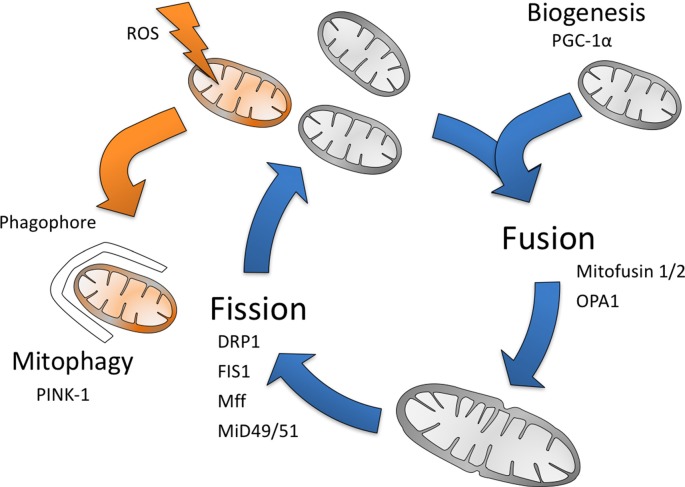
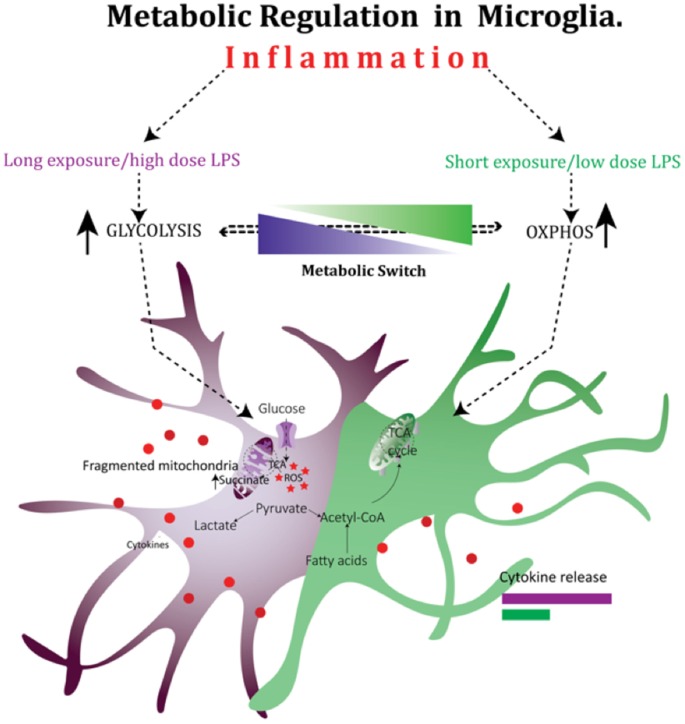
Injury to the fragile immature brain is implicated in the manifestation of long-term neurological disorders, including childhood disability such as cerebral palsy, learning disability and behavioral disorders. Advancements in perinatal practice and improved care mean the majority of infants suffering from perinatal brain injury will survive, with many subtle clinical symptoms going undiagnosed until later in life. Hypoxic-ischemia is the dominant cause of perinatal brain injury, and constitutes a significant socioeconomic burden to both developed and developing countries. Therapeutic hypothermia is the sole validated clinical intervention to perinatal asphyxia; however it is not always neuroprotective and its utility is limited to developed countries. There is an urgent need to better understand the molecular pathways underlying hypoxic-ischemic injury to identify new therapeutic targets in such a small but critical therapeutic window. Mitochondria are highly implicated following ischemic injury due to their roles as the powerhouse and main energy generators of the cell, as well as cell death processes. While the link between impaired mitochondrial bioenergetics and secondary energy failure following loss of high-energy phosphates is well established after hypoxia-ischemia (HI), there is emerging evidence that the roles of mitochondria in disease extend far beyond this. Indeed, mitochondrial turnover, including processes such as mitochondrial biogenesis, fusion, fission and mitophagy, affect recovery of neurons after injury and mitochondria are involved in the regulation of the innate immune response to inflammation. This review article will explore these mitochondrial pathways, and finally will summarize past and current efforts in targeting these pathways after hypoxic-ischemic injury, as a means of identifying new avenues for clinical intervention.
脆弱的未成熟大脑受到损伤与长期神经功能障碍的表现有关,这些障碍包括儿童残疾,如脑瘫、学习障碍和行为障碍。围产期医疗实践的进步和护理的改善意味着大多数患有围产期脑损伤的婴儿能够存活,许多细微的临床症状直到晚年才会被诊断出来。缺氧缺血是围产期脑损伤的主要原因,对发达国家和发展中国家都构成了重大的社会经济负担。治疗性低温是围产期窒息唯一经过验证的临床干预措施;然而,它并不总是具有神经保护作用,其应用仅限于发达国家。迫切需要更好地了解缺氧缺血性损伤背后的分子途径,以便在如此小但关键的治疗窗口期内确定新的治疗靶点。线粒体在缺血性损伤后高度相关,因为它们作为细胞的动力源和主要能量产生者,以及细胞死亡过程发挥作用。虽然缺氧缺血(HI)后线粒体生物能量受损与高能磷酸盐丧失后的继发性能量衰竭之间的联系已得到充分证实,但越来越多的证据表明线粒体在疾病中的作用远不止于此。事实上,线粒体更新,包括线粒体生物发生、融合、裂变和线粒体自噬等过程,会影响损伤后神经元的恢复,并且线粒体参与对炎症的先天免疫反应的调节。这篇综述文章将探讨这些线粒体途径,并最终总结过去和目前针对缺氧缺血性损伤后这些途径所做的努力,以此作为确定临床干预新途径的一种方式。