Fang Di-An, Zhou Yan-Feng, Zhang Min-Ying, Xu Dong-Po, Liu Kai, Duan Jin-Rong
Freshwater Fisheries Research Center, Chinese Academy of Fishery Sciences, Shanshui Road 9, Wuxi 214000, Jiangsu, China.
Scientific Observing and Experimental Station of Fishery Resources and Environment in the Lower Reaches of the Yangtze River, Ministry of Agriculture, Xuejiali 69, Wuxi 214000, Jiangsu, China.
Genes (Basel). 2017 Jul 21;8(7):189. doi: 10.3390/genes8070189.
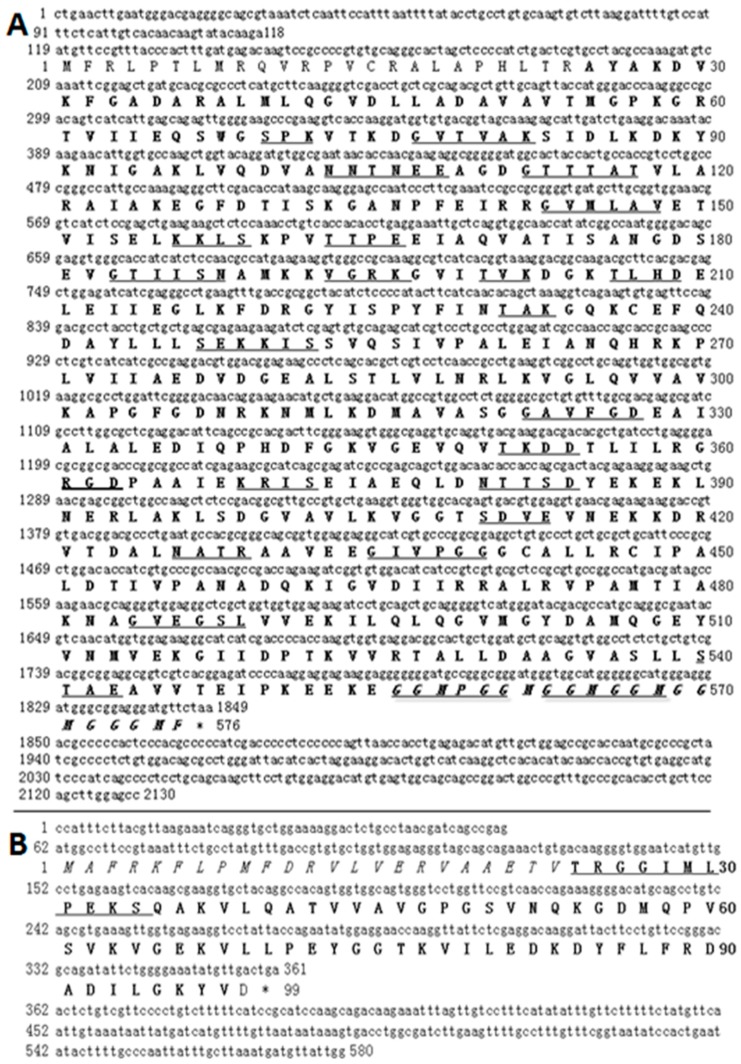
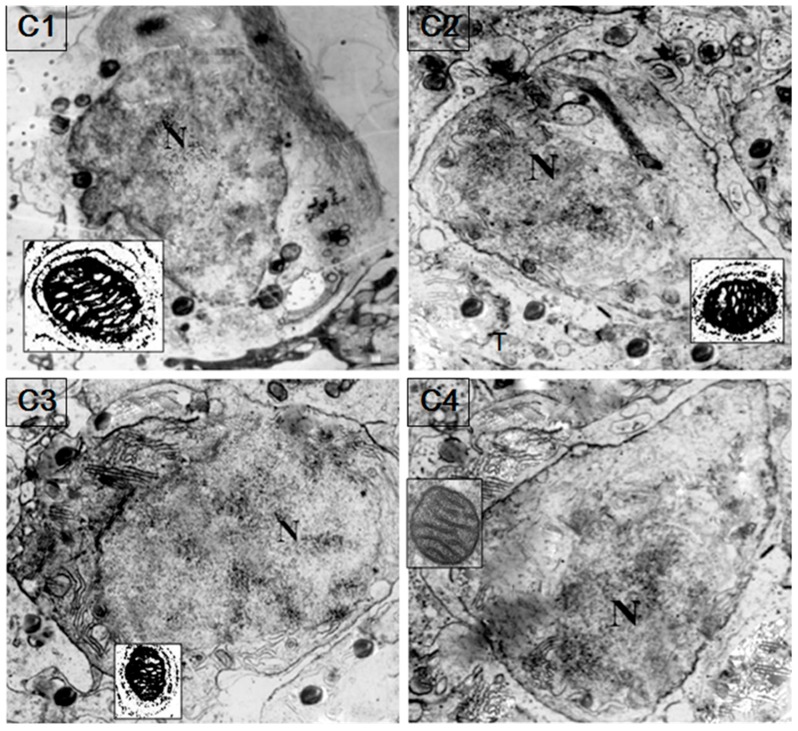
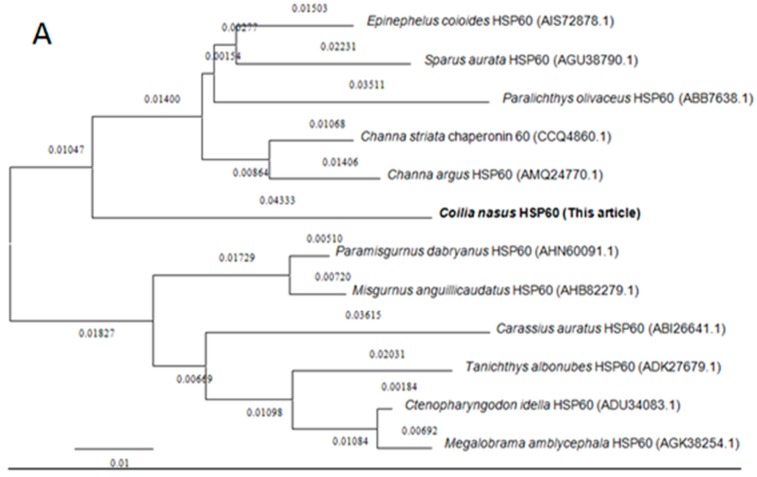
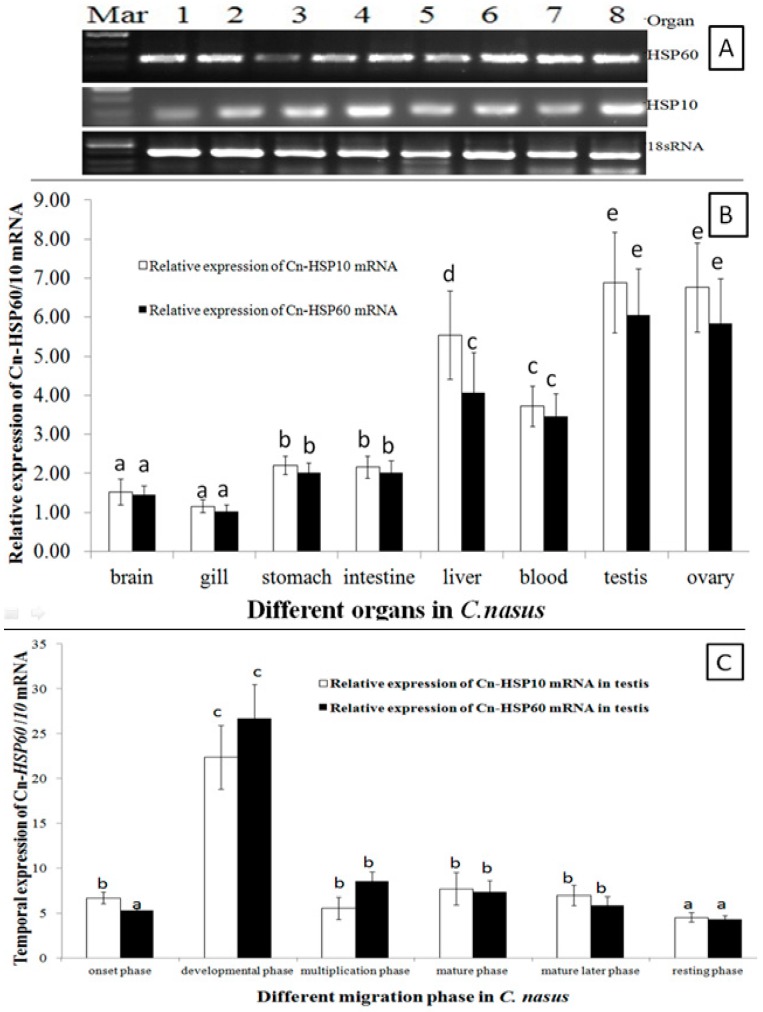
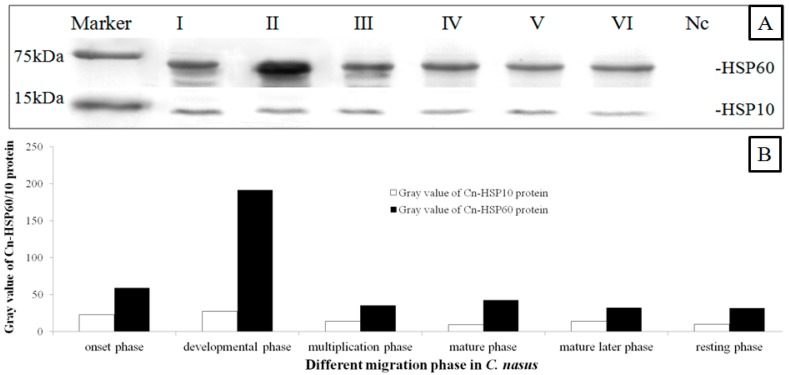
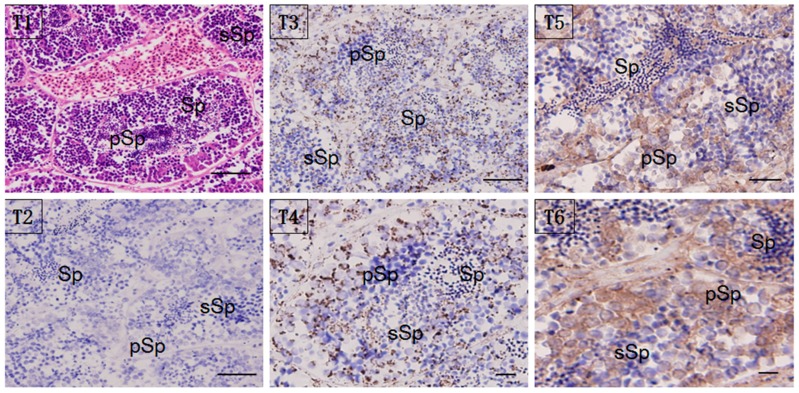
Heat shock protein 60 (HSP60) and heat shock protein 10 (HSP10) are important chaperones, which have been proven to have essential roles in mediating the correct folding of nuclear encoded proteins imported to mitochondria. Mitochondria are known as the power house of the cell, with which it produces energy and respires aerobically. In this regard, the obtained HSP60 and HSP10 have typical characteristics of the HSP60/10 family signature. Their mRNA transcripts detected were highest during the developmental phase (in April), while the lowest levels were found in the resting phase (after spawning in late July). Additionally, the strongest immunolabeling positive signals were found in the primary spermatocyte, with lower positive staining in secondary sperm cells, and a weak or absent level in the mature sperm. At the electron microscopic level, immunogold particles were localized in the mitochondrial matrix. Data indicated that HSP10 and HSP60 were inducible and functional in the Coilia nasus testis development and migration process, suggesting their essential roles in this process. The results also indicated that HSP60 may be one indicator of properly working mitochondrial import and refolding in the fish testis. This study also provides an expanded perspective on the role of heat shock protein families in spawning migration biology.
热休克蛋白60(HSP60)和热休克蛋白10(HSP10)是重要的伴侣蛋白,已被证明在介导导入线粒体的核编码蛋白的正确折叠中起关键作用。线粒体被称为细胞的动力工厂,它在此产生能量并进行有氧呼吸。在这方面,所获得的HSP60和HSP10具有HSP60/10家族特征的典型特性。检测到它们的mRNA转录本在发育阶段(4月)最高,而在静止阶段(7月下旬产卵后)水平最低。此外,在初级精母细胞中发现最强的免疫标记阳性信号,在次级精细胞中阳性染色较低,而在成熟精子中水平较弱或不存在。在电子显微镜水平上,免疫金颗粒定位于线粒体基质中。数据表明,HSP10和HSP60在刀鲚睾丸发育和迁移过程中具有诱导性且发挥功能,表明它们在该过程中的重要作用。结果还表明,HSP60可能是鱼类睾丸中线粒体正确导入和重折叠的一个指标。本研究还为热休克蛋白家族在产卵洄游生物学中的作用提供了更广阔的视角。