Johnson Mariah M, Leachman Sancy A, Aspinwall Lisa G, Cranmer Lee D, Curiel-Lewandrowski Clara, Sondak Vernon K, Stemwedel Clara E, Swetter Susan M, Vetto John, Bowles Tawnya, Dellavalle Robert P, Geskin Larisa J, Grossman Douglas, Grossmann Kenneth F, Hawkes Jason E, Jeter Joanne M, Kim Caroline C, Kirkwood John M, Mangold Aaron R, Meyskens Frank, Ming Michael E, Nelson Kelly C, Piepkorn Michael, Pollack Brian P, Robinson June K, Sober Arthur J, Trotter Shannon, Venna Suraj S, Agarwala Sanjiv, Alani Rhoda, Averbook Bruce, Bar Anna, Becevic Mirna, Box Neil, E Carson William, Cassidy Pamela B, Chen Suephy C, Chu Emily Y, Ellis Darrel L, Ferris Laura K, Fisher David E, Kendra Kari, Lawson David H, Leming Philip D, Margolin Kim A, Markovic Svetomir, Martini Mary C, Miller Debbie, Sahni Debjani, Sharfman William H, Stein Jennifer, Stratigos Alexander J, Tarhini Ahmad, Taylor Matthew H, Wisco Oliver J, Wong Michael K
Department of Dermatology, Oregon Health & Science University, 3303 SW Bond Ave., Portland, OR, USA.
University of Utah, Salt Lake City, UT, USA.
Melanoma Manag. 2017 Mar;4(1):13-37. doi: 10.2217/mmt-2016-0022. Epub 2017 Mar 1.
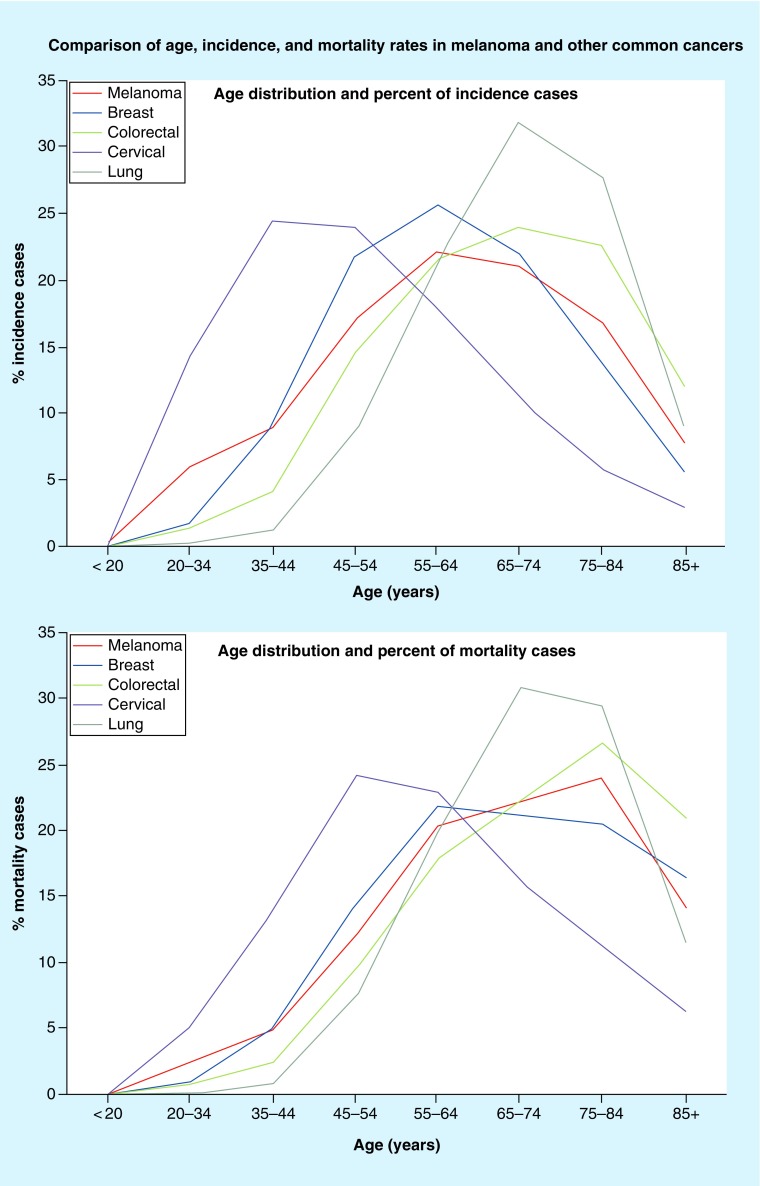
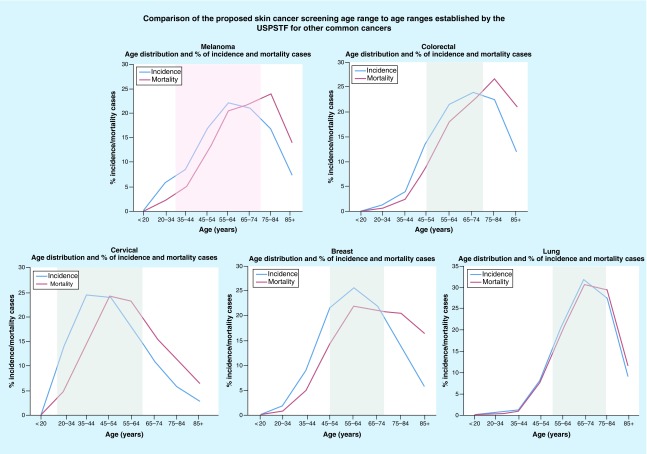
Melanoma is usually apparent on the skin and readily detected by trained medical providers using a routine total body skin examination, yet this malignancy is responsible for the majority of skin cancer-related deaths. Currently, there is no national consensus on skin cancer screening in the USA, but dermatologists and primary care providers are routinely confronted with making the decision about when to recommend total body skin examinations and at what interval. The objectives of this paper are: to propose rational, risk-based, data-driven guidelines commensurate with the US Preventive Services Task Force screening guidelines for other disorders; to compare our proposed guidelines to recommendations made by other national and international organizations; and to review the US Preventive Services Task Force's 2016 Draft Recommendation Statement on skin cancer screening.
黑色素瘤通常在皮肤上很明显,训练有素的医疗人员通过常规的全身皮肤检查很容易检测到,但这种恶性肿瘤却导致了大多数与皮肤癌相关的死亡。目前,美国在皮肤癌筛查方面尚未达成全国共识,但皮肤科医生和初级保健人员经常面临决定何时推荐进行全身皮肤检查以及检查间隔时间的问题。本文的目的是:提出合理的、基于风险的、数据驱动的指南,使其与美国预防服务工作组针对其他疾病的筛查指南相一致;将我们提出的指南与其他国家和国际组织的建议进行比较;并回顾美国预防服务工作组2016年关于皮肤癌筛查的建议声明草案。