Zhou Y, Huang T, Zhang J, Wong C C, Zhang B, Dong Y, Wu F, Tong J H M, Wu W K K, Cheng A S L, Yu J, Kang W, To K F
Department of Anatomical and Cellular Pathology, State Key Laboratory of Oncology in South China, Prince of Wales Hospital, The Chinese University of Hong Kong, Hong Kong SAR, PR China.
Institute of Digestive Disease, Partner State Key Laboratory of Digestive Disease, The Chinese University of Hong Kong, Hong Kong SAR, PR China.
Oncogene. 2017 Nov 23;36(47):6518-6530. doi: 10.1038/onc.2017.257. Epub 2017 Jul 31.
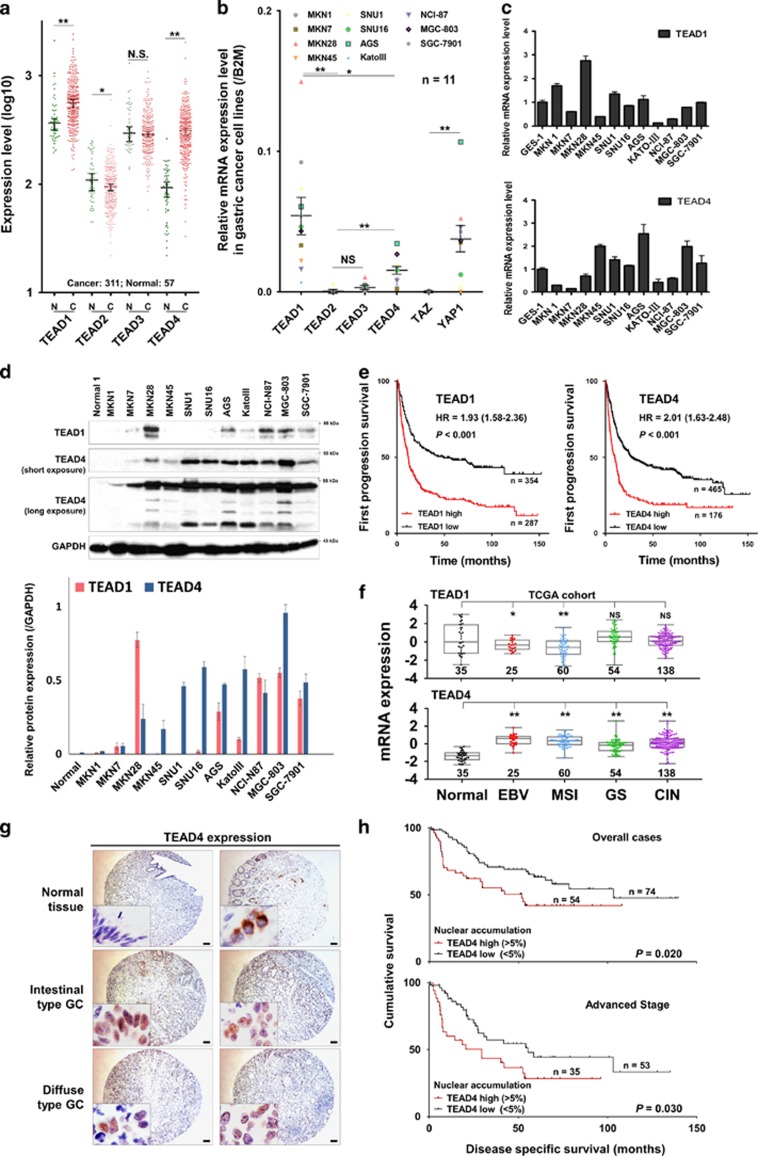
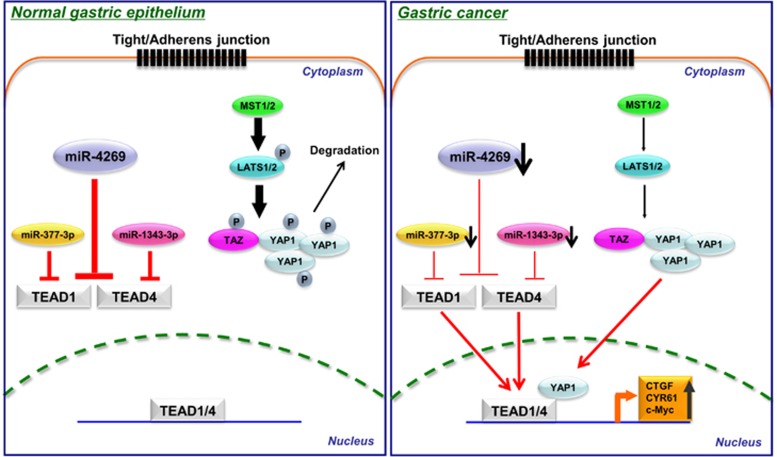
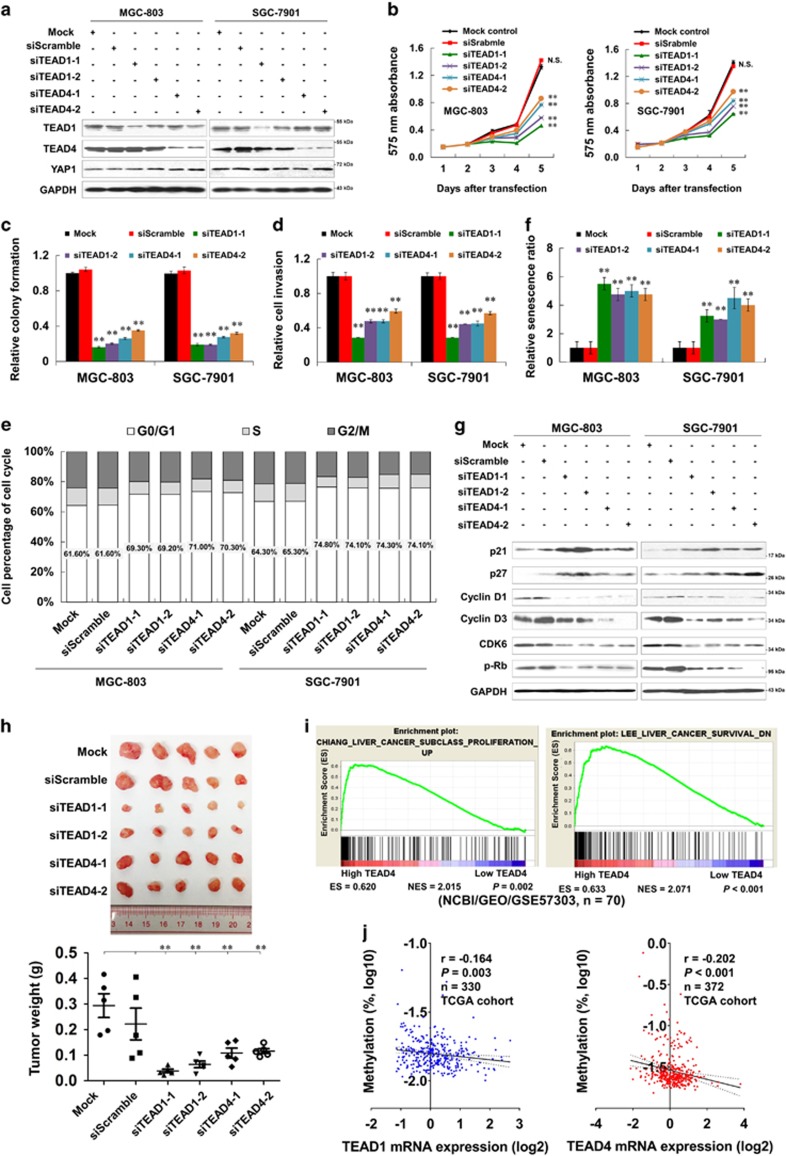
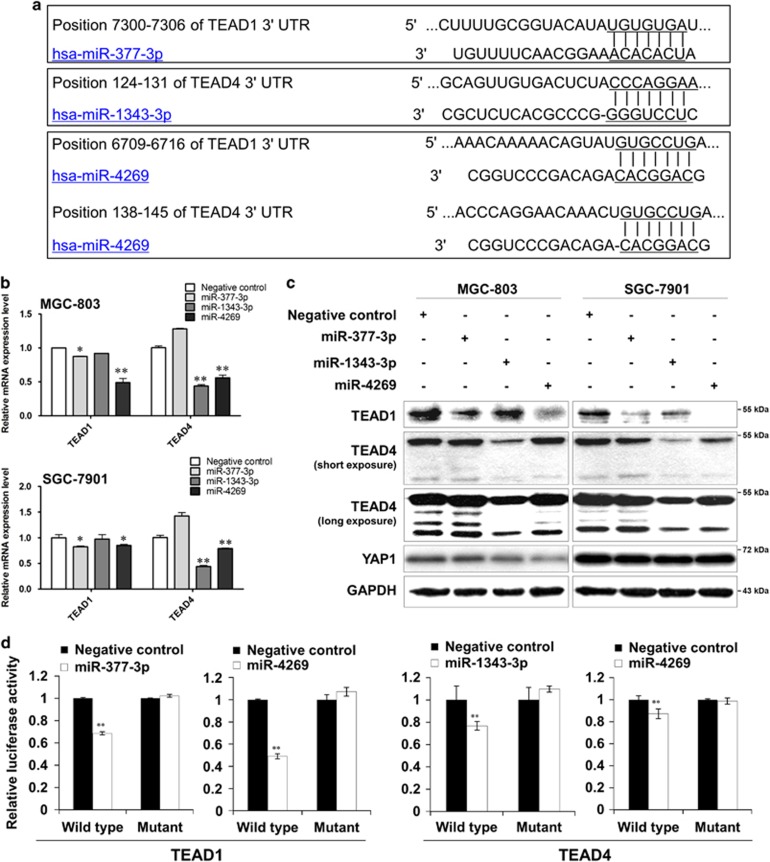
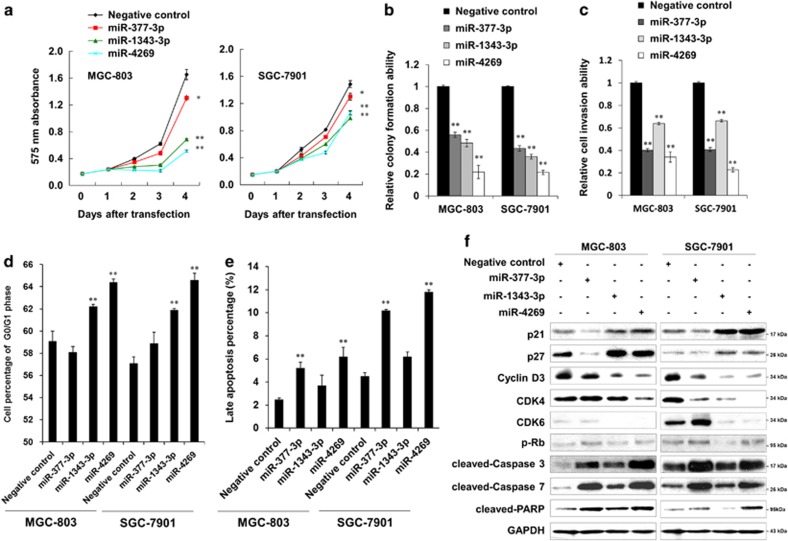
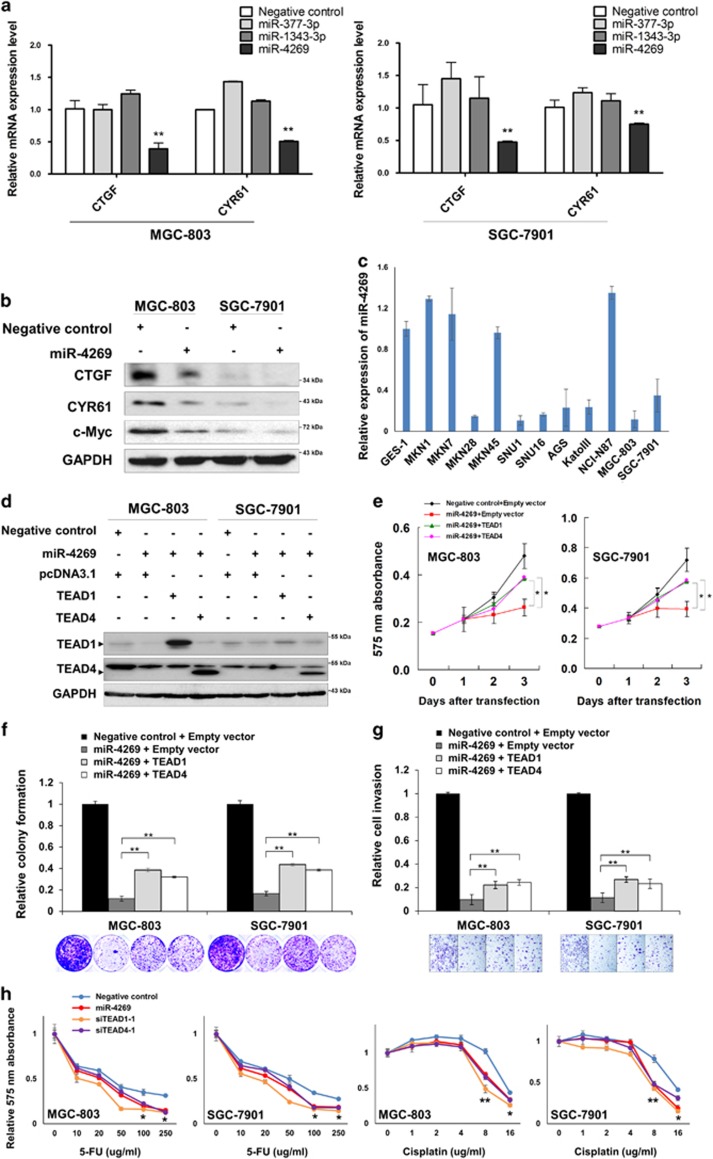
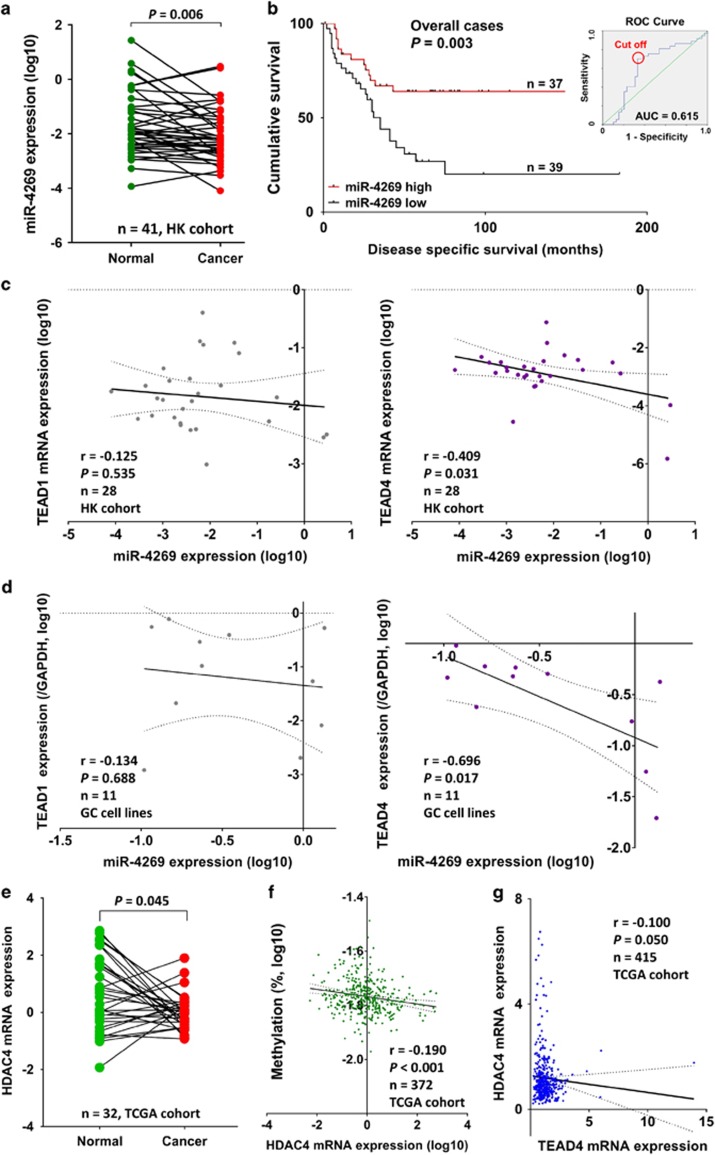
TEA domain (TEAD) transcription factors are key components of the Hippo-YAP1 signaling pathway, but their functional role and regulatory mechanisms remain unclear. This study aims to comprehensively explore the expression pattern and functional role of TEAD family in gastric carcinogenesis and investigate its regulation by microRNAs (miRNAs). The mRNA and protein expression of TEAD family were examined by quantitative reverse transcription-PCR (qRT-PCR) and western blot. Their functional roles were determined by in vitro and in vivo studies. The clinicopathological association of TEAD4 in gastric cancer (GC) was studied using immunohistochemistry on tissue microarray. The prediction of miRNAs, which potentially target TEAD1/4, was performed by TargetScan and miRDB. The regulation of TEAD1/4 by miRNAs was confirmed by qRT-PCR, western blot and luciferase assays. TEAD1/4 were overexpressed in GC cell lines and primary GC tissues. Knockdown of TEAD1/4 induced a significant anticancer effect in vitro and in vivo. TEAD1 was confirmed to be a direct target of miR-377-3p and miR-4269, while TEAD4 was negatively regulated by miR-1343-3p and miR-4269. Among them, miR-4269 was the most effective inhibitor of TEAD1/4. Ectopic expression of these miRNAs substantiated their tumor-suppressive effects. In primary GC tumors, downregulation of miR-4269 was associated with poor disease-specific survival and showed a negative correlation with TEAD4. TEAD1 and TEAD4 are oncogenic factors, whose aberrant activation are, in part, mediated by the silence of miR-377-3p, miR-1343-3p and miR-4269. For the first time, the nuclear accumulated TEAD4 and downregulated miR-4269 are proposed to serve as novel prognostic biomarkers in GC.
TEA 结构域(TEAD)转录因子是 Hippo-YAP1 信号通路的关键组成部分,但其功能作用和调控机制仍不清楚。本研究旨在全面探讨 TEAD 家族在胃癌发生中的表达模式和功能作用,并研究其受微小 RNA(miRNA)的调控情况。通过定量逆转录聚合酶链反应(qRT-PCR)和蛋白质免疫印迹法检测 TEAD 家族的 mRNA 和蛋白质表达。通过体外和体内研究确定其功能作用。利用组织芯片免疫组织化学研究 TEAD4 在胃癌(GC)中的临床病理相关性。通过 TargetScan 和 miRDB 对可能靶向 TEAD1/4 的 miRNA 进行预测。通过 qRT-PCR、蛋白质免疫印迹法和荧光素酶测定法证实 miRNA 对 TEAD1/4 的调控作用。TEAD1/4 在 GC 细胞系和原发性 GC 组织中过表达。敲低 TEAD1/4 在体外和体内均诱导出显著的抗癌作用。证实 TEAD1 是 miR-377-3p 和 miR-4269 的直接靶点,而 TEAD4 受 miR-1343-3p 和 miR-4269 的负调控。其中,miR-4269 是 TEAD1/4 最有效的抑制剂。这些 miRNA 的异位表达证实了它们的肿瘤抑制作用。在原发性 GC 肿瘤中,miR-4269 的下调与较差的疾病特异性生存率相关,且与 TEAD4 呈负相关。TEAD1 和 TEAD4 是致癌因子,其异常激活部分由 miR-377-3p、miR-1343-3p 和 miR-4269 的沉默介导。首次提出细胞核内积累的 TEAD4 和下调的 miR-4269 可作为 GC 中的新型预后生物标志物。