Koppelmans Vincent, Bloomberg Jacob J, De Dios Yiri E, Wood Scott J, Reuter-Lorenz Patricia A, Kofman Igor S, Riascos Roy, Mulavara Ajitkumar P, Seidler Rachael D
School of Kinesiology, University of Michigan, Ann Arbor, Michigan, United States of America.
NASA Johnson Space Center, Houston, TX, United States of America.
PLoS One. 2017 Aug 2;12(8):e0182236. doi: 10.1371/journal.pone.0182236. eCollection 2017.
Adverse effects of spaceflight on sensorimotor function have been linked to altered somatosensory and vestibular inputs in the microgravity environment. Whether these spaceflight sequelae have a central nervous system component is unknown. However, experimental studies have shown spaceflight-induced brain structural changes in rodents' sensorimotor brain regions. Understanding the neural correlates of spaceflight-related motor performance changes is important to ultimately develop tailored countermeasures that ensure mission success and astronauts' health.
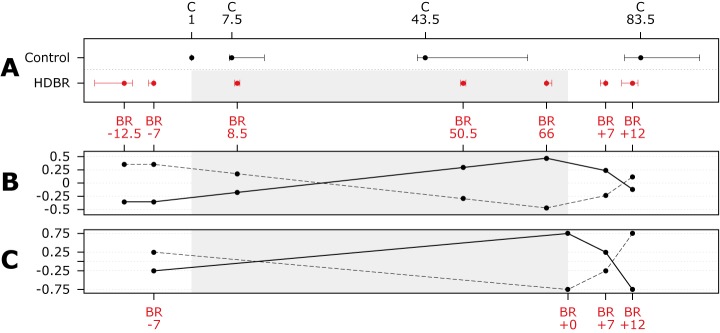
Head down-tilt bed rest (HDBR) can serve as a microgravity analog because it mimics body unloading and headward fluid shifts of microgravity. We conducted a 70-day 6° HDBR study with 18 right-handed males to investigate how microgravity affects focal gray matter (GM) brain volume. MRI data were collected at 7 time points before, during and post-HDBR. Standing balance and functional mobility were measured pre and post-HDBR. The same metrics were obtained at 4 time points over ~90 days from 12 control subjects, serving as reference data.
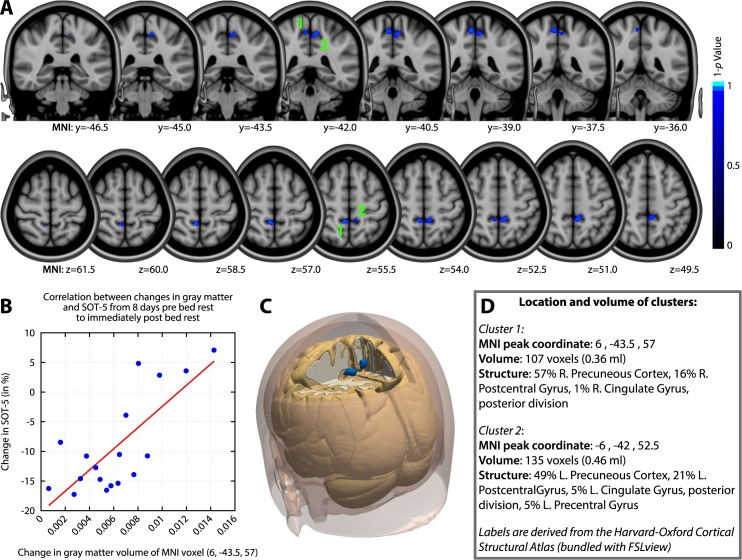
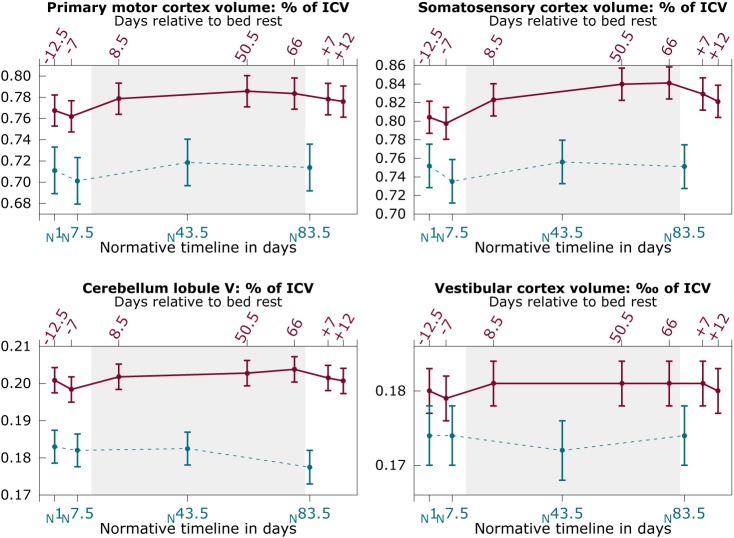
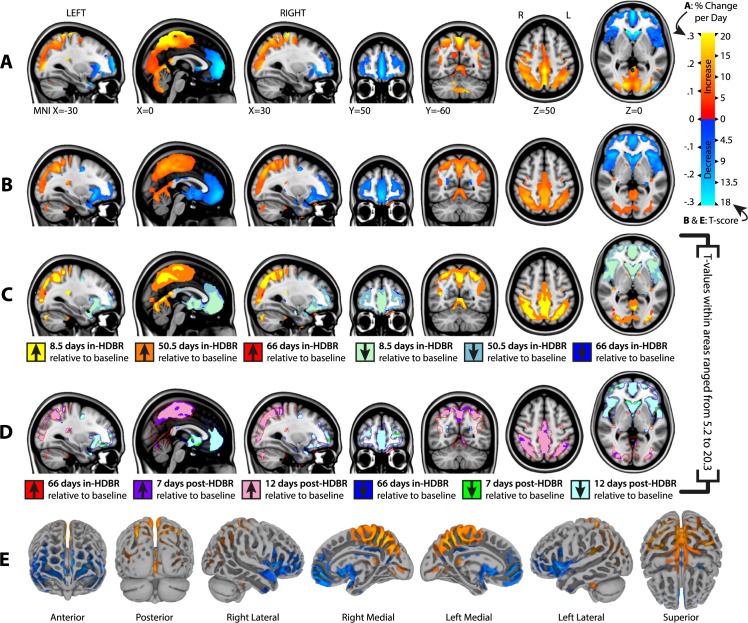
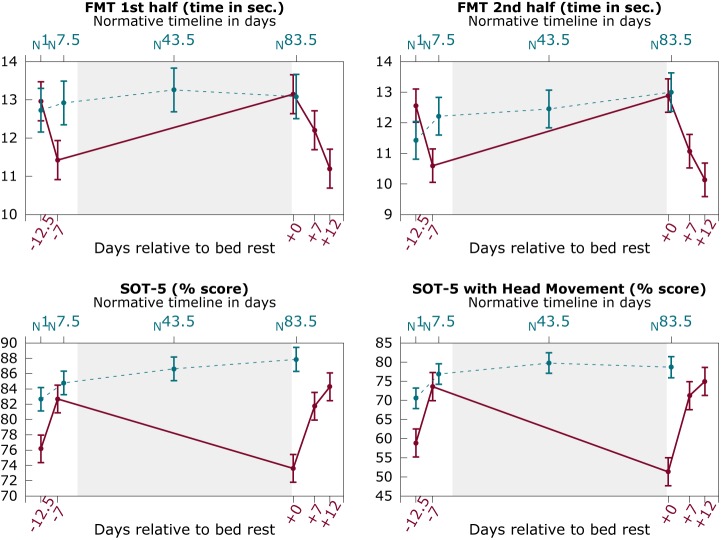
HDBR resulted in widespread increases GM in posterior parietal regions and decreases in frontal areas; recovery was not yet complete by 12 days post-HDBR. Additionally, HDBR led to balance and locomotor performance declines. Increases in a cluster comprising the precuneus, precentral and postcentral gyrus GM correlated with less deterioration or even improvement in standing balance. This association did not survive Bonferroni correction and should therefore be interpreted with caution. No brain or behavior changes were observed in control subjects.
Our results parallel the sensorimotor deficits that astronauts experience post-flight. The widespread GM changes could reflect fluid redistribution. Additionally, the association between focal GM increase and balance changes suggests that HDBR also may result in neuroplastic adaptation. Future studies are warranted to determine causality and underlying mechanisms.
太空飞行对感觉运动功能的不良影响与微重力环境中体感和前庭输入的改变有关。这些太空飞行后遗症是否具有中枢神经系统成分尚不清楚。然而,实验研究表明太空飞行会导致啮齿动物感觉运动脑区的脑结构变化。了解与太空飞行相关的运动性能变化的神经关联对于最终制定确保任务成功和宇航员健康的定制对策至关重要。
头低位卧床休息(HDBR)可作为微重力模拟,因为它模拟了微重力下的身体卸载和头部液体转移。我们对18名右利手男性进行了为期70天的6°HDBR研究,以调查微重力如何影响局灶性灰质(GM)脑容量。在HDBR之前、期间和之后的7个时间点收集MRI数据。在HDBR前后测量站立平衡和功能移动性。从12名对照受试者在约90天内的4个时间点获得相同指标,作为参考数据。
HDBR导致顶叶后部区域的GM广泛增加,额叶区域减少;在HDBR后12天恢复尚未完成。此外,HDBR导致平衡和运动性能下降。包括楔前叶、中央前回和中央后回GM的一个簇的增加与站立平衡的恶化较少甚至改善相关。这种关联在Bonferroni校正后不成立,因此应谨慎解释。在对照受试者中未观察到脑或行为变化。
我们的结果与宇航员飞行后经历的感觉运动缺陷相似。广泛的GM变化可能反映了液体再分布。此外,局灶性GM增加与平衡变化之间的关联表明HDBR也可能导致神经可塑性适应。未来的研究有必要确定因果关系和潜在机制。