Hupfeld Kathleen E, Lee Jessica K, Gadd Nichole E, Kofman Igor S, De Dios Yiri E, Bloomberg Jacob J, Mulavara Ajitkumar P, Seidler Rachael D
Department of Applied Physiology and Kinesiology, University of Florida, Gainesville, FL, United States.
German Aerospace Center, Institute of Aerospace Medicine, Cologne, Germany.
Front Syst Neurosci. 2020 Jan 10;13:80. doi: 10.3389/fnsys.2019.00080. eCollection 2019.
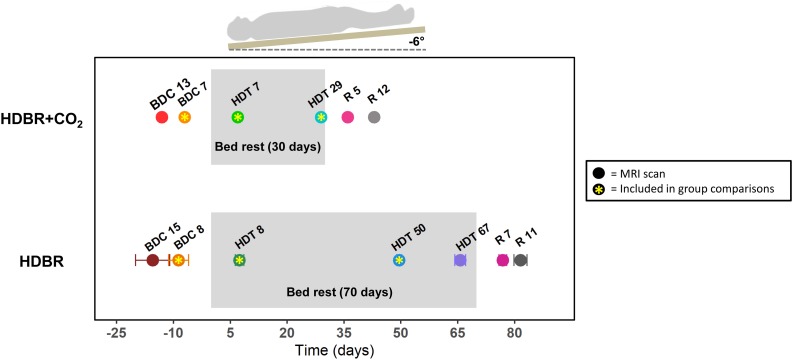
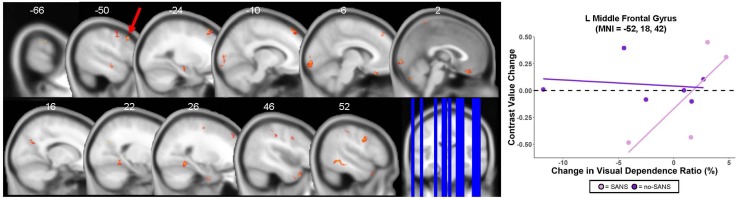
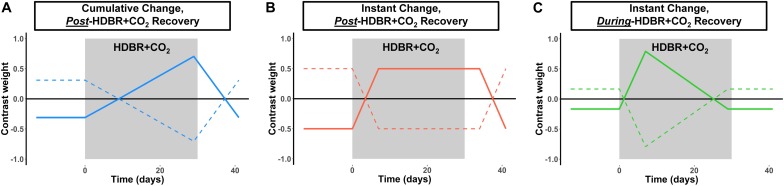
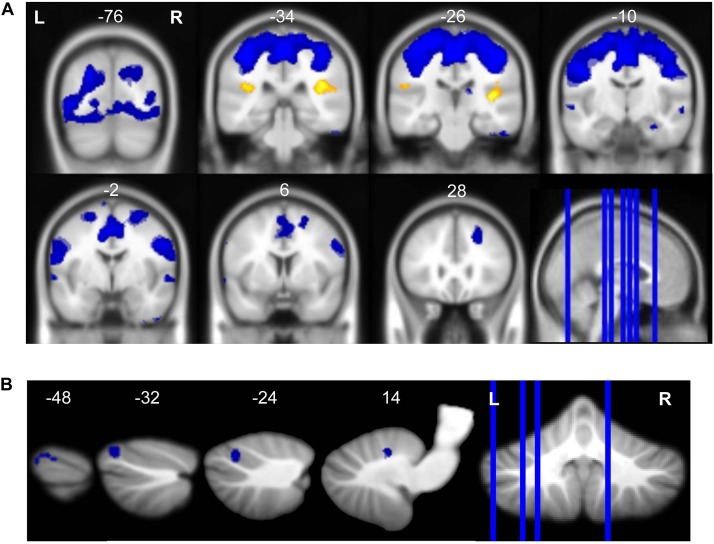
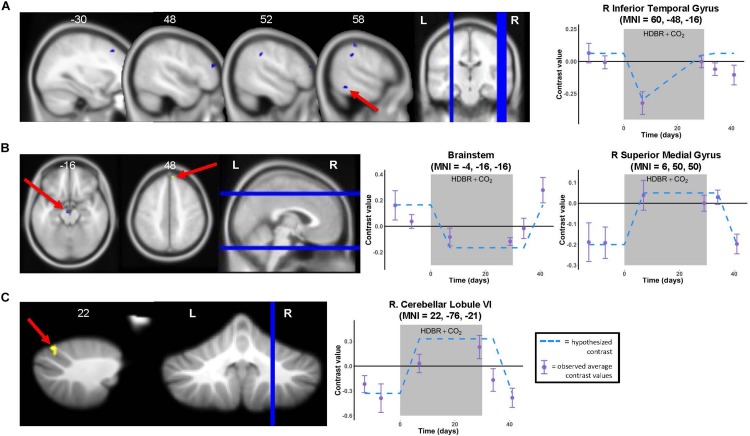
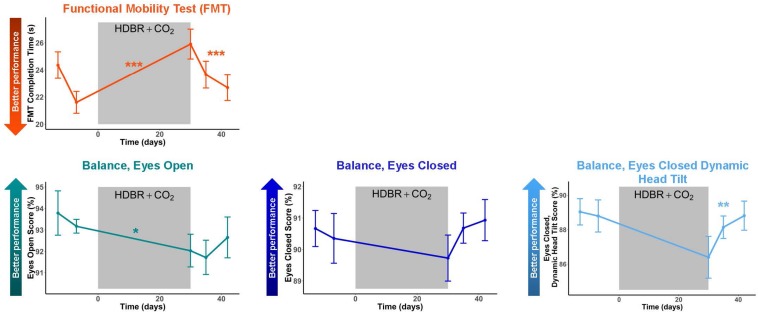
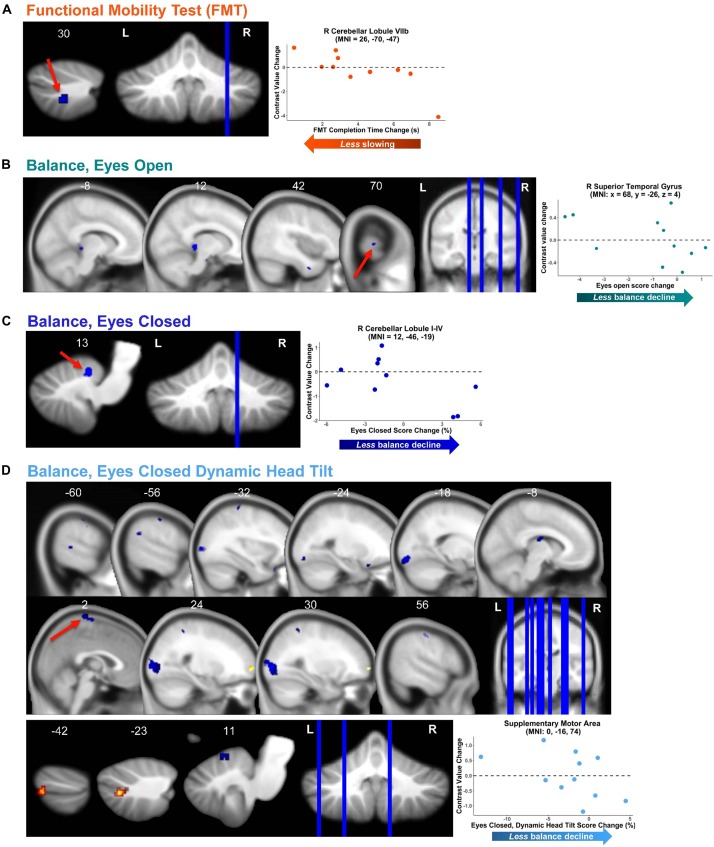
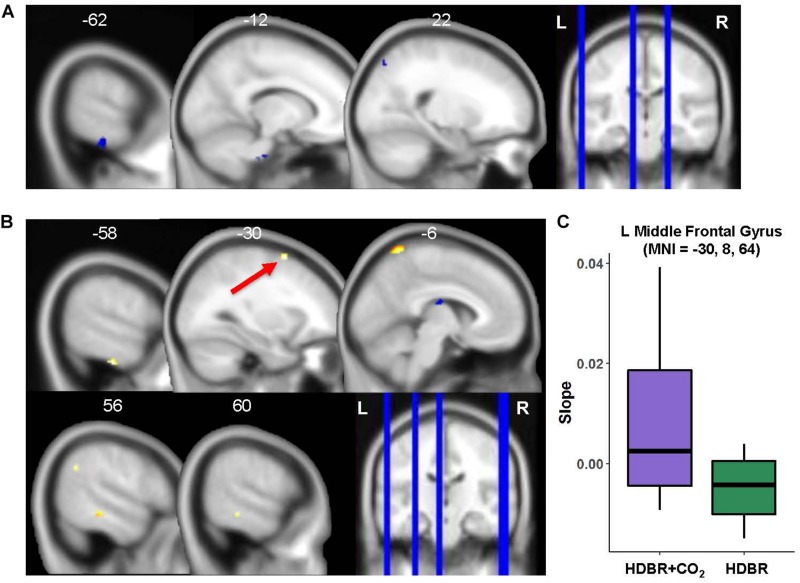
Astronauts return to Earth from spaceflight missions with impaired mobility and balance; recovery can last weeks postflight. This is due in large part to the altered vestibular signaling and sensory reweighting that occurs in microgravity. The neural mechanisms of spaceflight-induced vestibular changes are not well understood. Head-down-tilt bed rest (HDBR) is a common spaceflight analog environment that allows for study of body unloading, fluid shifts, and other consequences of spaceflight. Subjects in this context still show vestibular changes despite being in Earth's gravitational environment, potentially due to sensory reweighting. Previously, we found evidence of sensory reweighting and reduced neural efficiency for vestibular processing in subjects who underwent a 70-day HDBR intervention. Here we extend this work by evaluating the impact of HDBR paired with elevated carbon dioxide (CO) to mimic International Space Station conditions on vestibular neural processing. Eleven participants (6 males, 34 ± 8 years) completed 30 days of HDBR combined with 0.5% atmospheric CO (HDBR + CO). Participants underwent six functional magnetic resonance imaging (fMRI) sessions pre-, during, and post- HDBR + CO while we measured brain activity in response to pneumatic skull taps (a validated method of vestibular stimulation). We also measured mobility and balance performance several times before and after the intervention. We found support for adaptive neural changes within the vestibular system during bed rest that subsequently recovered in several cortical and cerebellar regions. Further, there were multiple brain regions where greater pre- to post- was associated with pre- to post- balance declines. That is, increased of certain brain regions associated with balance post-HDBR + CO. We also found that, compared to HDBR alone ( = 13 males; 29 ± 3 years) HDBR + CO is associated with greater increases in activation of multiple frontal, parietal, and temporal regions during vestibular stimulation. This suggests interactive or additive effects of bed rest and elevated CO. Finally, we found stronger correlations between pre- to post- HDBR + CO brain changes and dependence on the visual system during balance for subjects who developed signs of Spaceflight-Associated Neuro-ocular Syndrome (SANS). Together, these findings have clear implications for understanding the neural mechanisms of bed rest and spaceflight-related changes in vestibular processing, as well as adaptation to altered sensory inputs.
宇航员从太空飞行任务返回地球时,行动能力和平衡感会受损;恢复过程可能会持续到飞行后的数周。这在很大程度上是由于微重力环境下前庭信号改变和感觉重新加权所致。太空飞行引起的前庭变化的神经机制尚未完全了解。头低位卧床休息(HDBR)是一种常见的模拟太空飞行环境,可用于研究身体卸载、体液转移以及太空飞行的其他后果。在这种情况下,尽管处于地球引力环境中,受试者仍会出现前庭变化,这可能是由于感觉重新加权。此前,我们发现接受70天HDBR干预的受试者存在感觉重新加权以及前庭处理的神经效率降低的证据。在此,我们通过评估HDBR与高二氧化碳(CO)结合以模拟国际空间站条件对前庭神经处理的影响来扩展这项工作。11名参与者(6名男性,34±8岁)完成了30天的HDBR并结合0.5%的大气CO(HDBR + CO)。参与者在HDBR + CO之前、期间和之后接受了六次功能磁共振成像(fMRI)检查,同时我们测量了对气动颅骨轻敲(一种经过验证的前庭刺激方法)的大脑活动反应。我们还在干预前后多次测量了行动能力和平衡表现。我们发现支持卧床休息期间前庭系统内的适应性神经变化,随后在几个皮质和小脑区域恢复。此外,有多个脑区,其前后的[此处原文可能缺失部分内容]与前后平衡下降相关。也就是说,某些与HDBR + CO后平衡相关的脑区的[此处原文可能缺失部分内容]增加。我们还发现,与单独的HDBR(n = 13名男性;29±3岁)相比,HDBR + CO与前庭刺激期间多个额叶、顶叶和颞叶区域的激活增加幅度更大有关。这表明卧床休息和高CO之间存在交互或累加效应。最后,我们发现对于出现太空飞行相关神经眼综合征(SANS)迹象的受试者,HDBR + CO前后的大脑变化与平衡期间对视觉系统的依赖之间存在更强的相关性。总之,这些发现对于理解卧床休息和太空飞行相关的前庭处理变化的神经机制以及对改变的感觉输入的适应具有明确的意义。