Villari Ambra, Giurdanella Giovanni, Bucolo Claudio, Drago Filippo, Salomone Salvatore
Pharmacology Section, Department of Biomedical and Biotechnological Sciences, University of CataniaCatania, Italy.
Front Pharmacol. 2017 Jul 18;8:480. doi: 10.3389/fphar.2017.00480. eCollection 2017.
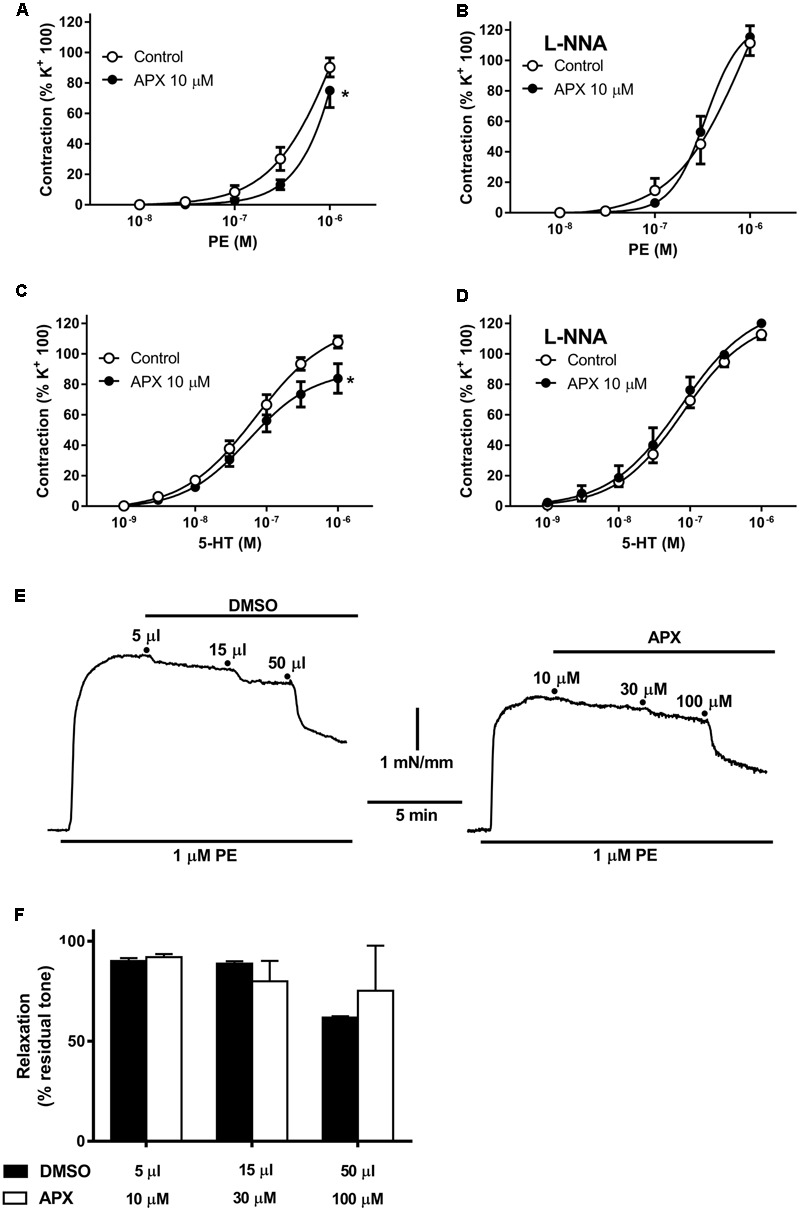
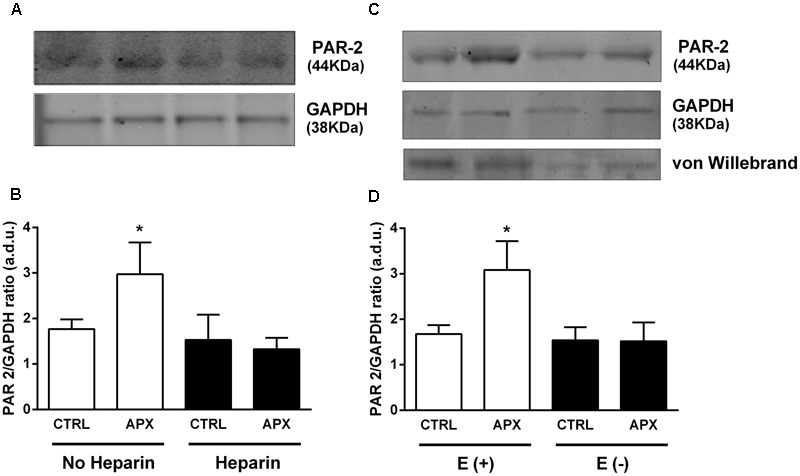
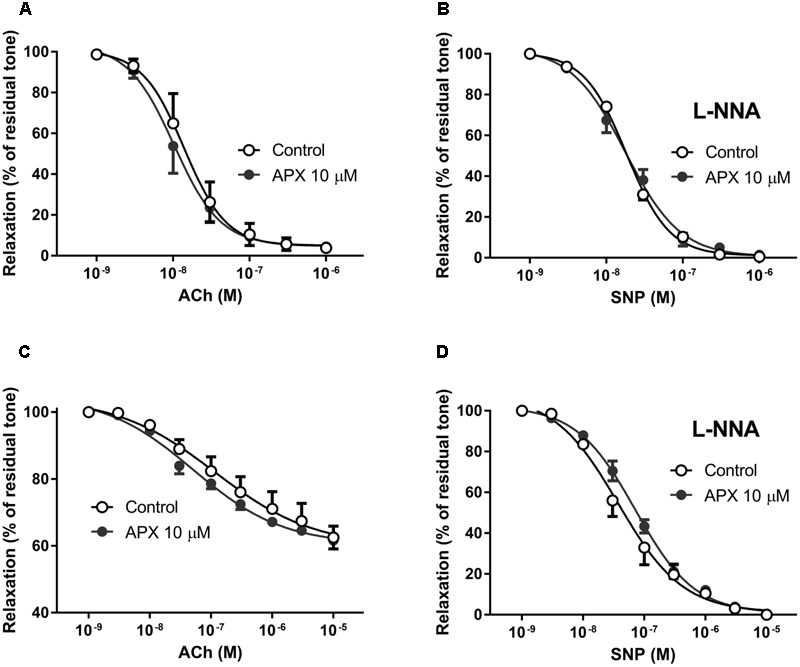
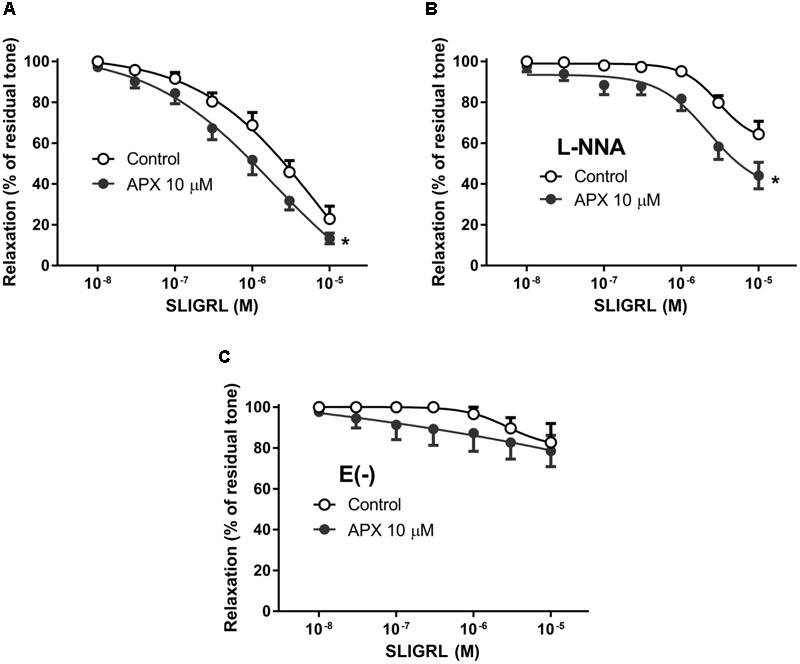
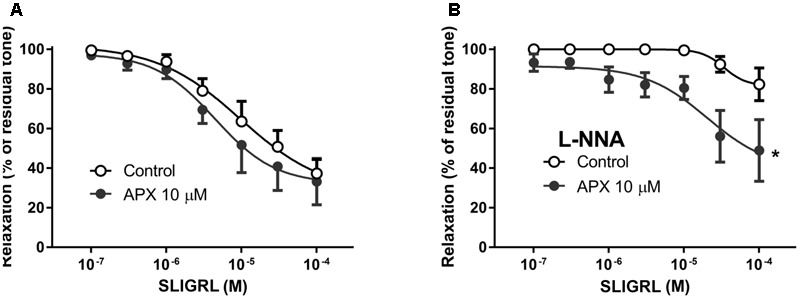
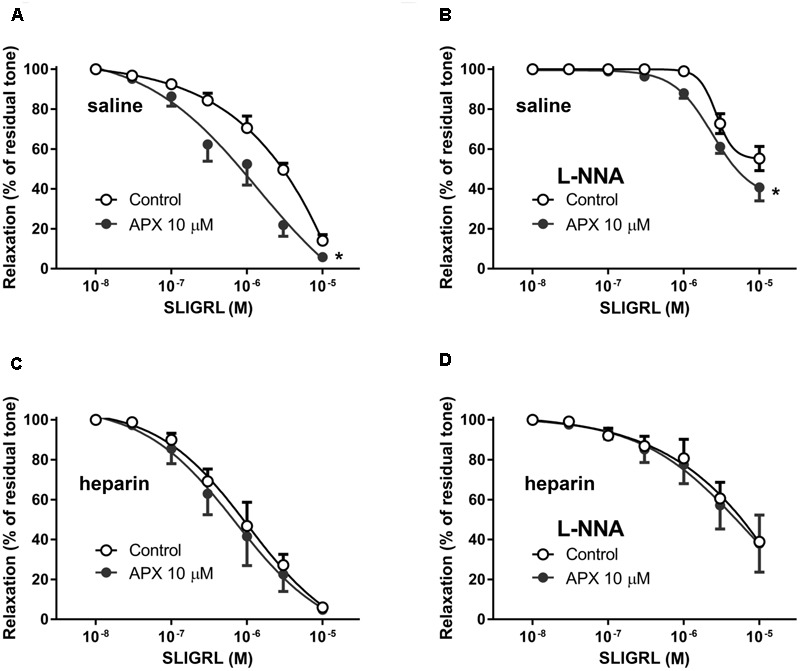
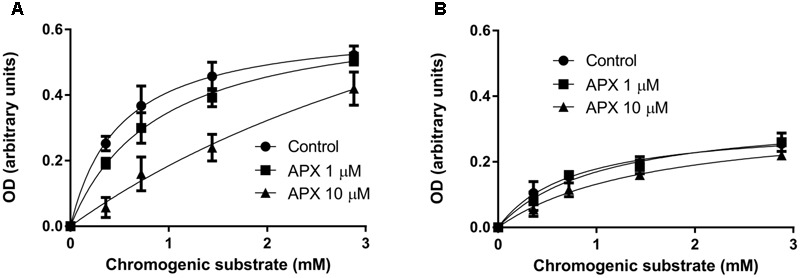
Apixaban (APX) is a direct inhibitor of factor X (FXa) approved for prophylaxis and treatment of deep venous thrombosis and atrial fibrillation. Because FXa activates protease-activated receptor 2 (PAR-2) in endothelium and vascular smooth muscle, inhibition of FXa by APX may affect vasomotor function. The effect of APX was assessed , by wire myography, in rat mesenteric resistance arteries (MRAs) and basilar arteries challenged with vasoconstrictors [phenylephrine (PE); 5-hydroxytryptamine (5-HT)], vasodilators [acetylcholine (ACh); sodium nitroprusside (SNP)] or with the PAR-2 peptide agonist SLIGRL. APX (10 μM) reduced the vasoconstriction to PE and 5-HT while did not change the vasodilatation to ACh or SNP. SLIGRL induced concentration-dependent vasodilation in pre-constricted arteries, that was reduced by incubation with the NO inhibitor N-nitro-L-arginine (L-NNA) and abolished by endothelium removal. APX enhanced vasodilation to SLIGRL either in the presence or in the absence of L-NNA, but was ineffective in endothelium-denuded vessels. In preparations from heparin-treated rats (to inhibit FXa) APX did not change the vasodilation to SLIGRL. FXa enzymatic activity, detected in mesentery homogenates from controls, was inhibited by APX, whereas APX-sensitive enzymatic activity was undetectable in homogenates from heparin-treated rats. Immunoblot analysis showed that incubation of MRA or aorta with APX increased the abundance of PAR-2, an effect not seen in MRA from heparin-treated rats or in endothelium-denuded aortas. In conclusion, inhibition of FXa by APX increases vasodilatation mediated by PAR-2. APX may act by inhibiting PAR-2 desensitization induced by endogenous FXa. This effect could be useful in the context of endothelial dysfunction associated to cardiovascular diseases.
阿哌沙班(APX)是一种X因子(FXa)直接抑制剂,已被批准用于预防和治疗深静脉血栓形成及心房颤动。由于FXa可激活内皮细胞和血管平滑肌中的蛋白酶激活受体2(PAR-2),APX对FXa的抑制作用可能会影响血管舒缩功能。通过线肌张力测定法,在受到血管收缩剂[去氧肾上腺素(PE);5-羟色胺(5-HT)]、血管舒张剂[乙酰胆碱(ACh);硝普钠(SNP)]刺激的大鼠肠系膜阻力动脉(MRA)和基底动脉中,或用PAR-2肽激动剂SLIGRL刺激的情况下,评估了APX的作用。APX(10 μM)可减轻对PE和5-HT的血管收缩反应,而对ACh或SNP引起的血管舒张反应无影响。SLIGRL可在预收缩动脉中诱导浓度依赖性血管舒张,这种作用可被与一氧化氮抑制剂N-硝基-L-精氨酸(L-NNA)共同孵育所减弱,并在内皮去除后消失。无论有无L-NNA,APX均可增强对SLIGRL的血管舒张作用,但对内皮剥脱的血管无效。在来自肝素处理大鼠的制剂中(以抑制FXa),APX对SLIGRL引起的血管舒张无影响。在对照组肠系膜匀浆中检测到的FXa酶活性受到APX的抑制,而在肝素处理大鼠的匀浆中未检测到对APX敏感的酶活性。免疫印迹分析表明,用APX孵育MRA或主动脉可增加PAR-2的丰度,在来自肝素处理大鼠的MRA或内皮剥脱的主动脉中未观察到这种作用。总之,APX对FXa的抑制作用可增强由PAR-2介导的血管舒张。APX可能通过抑制内源性FXa诱导的PAR-2脱敏发挥作用。这种作用在与心血管疾病相关的内皮功能障碍情况下可能是有益的。