Van Oosten Michael J, Silletti Silvia, Guida Gianpiero, Cirillo Valerio, Di Stasio Emilio, Carillo Petronia, Woodrow Pasqualina, Maggio Albino, Raimondi Giampaolo
Department of Agricultural Sciences, University of Naples Federico IINaples, Italy.
National Research Council of Italy, Institute for Agricultural and Forestry Systems in the Mediterranean (CNR-ISAFoM)Ercolano, Italy.
Front Plant Sci. 2017 Jul 18;8:1220. doi: 10.3389/fpls.2017.01220. eCollection 2017.
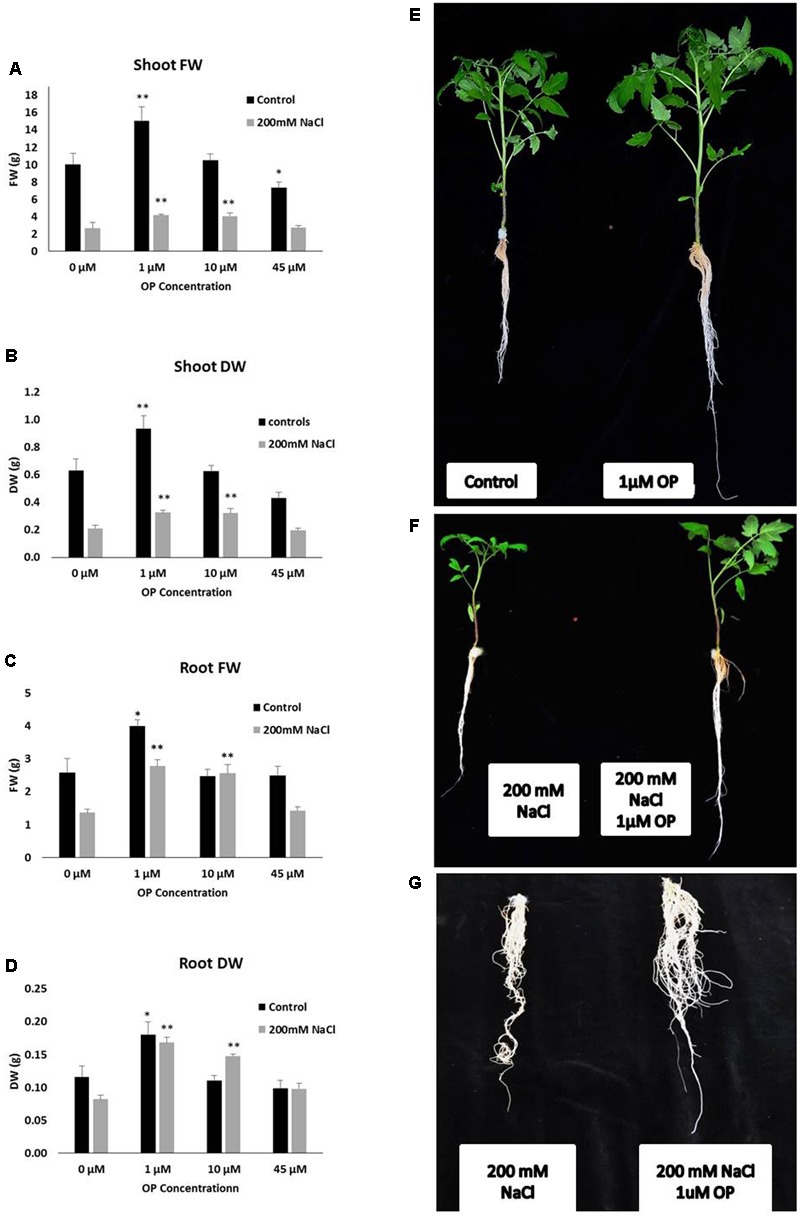
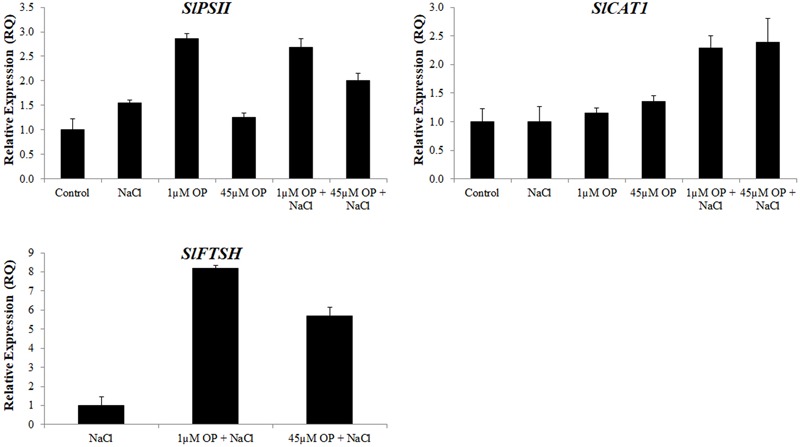
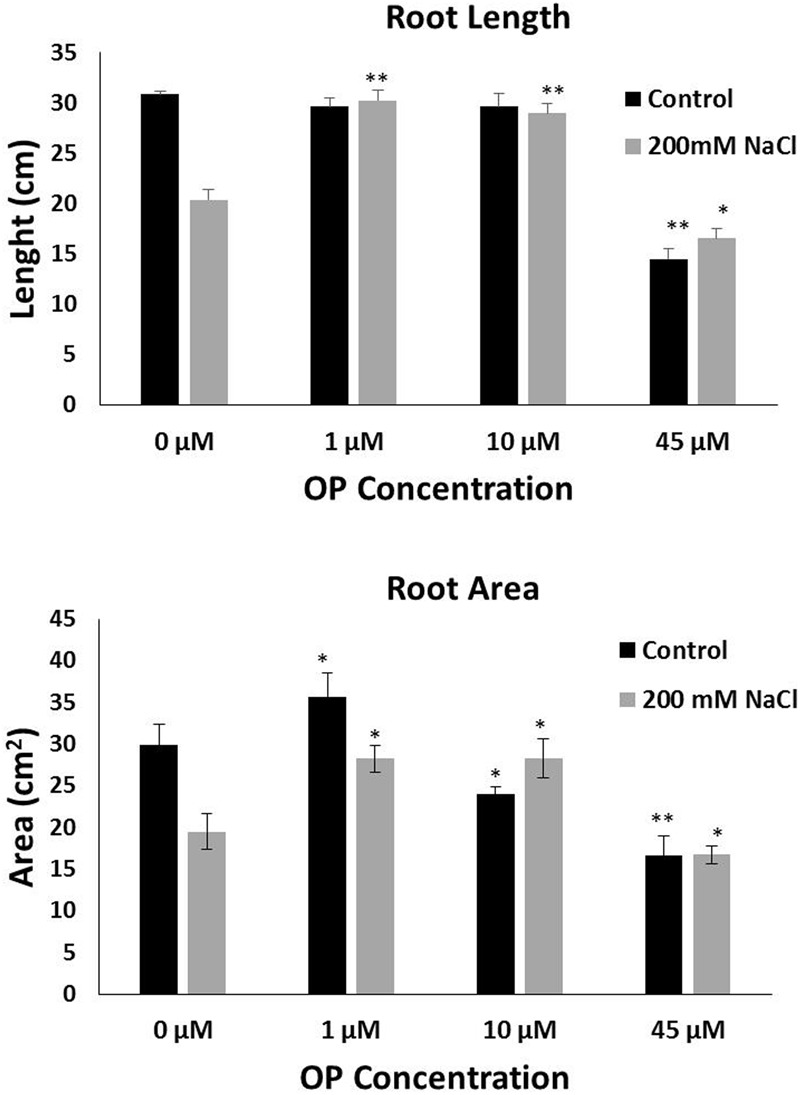
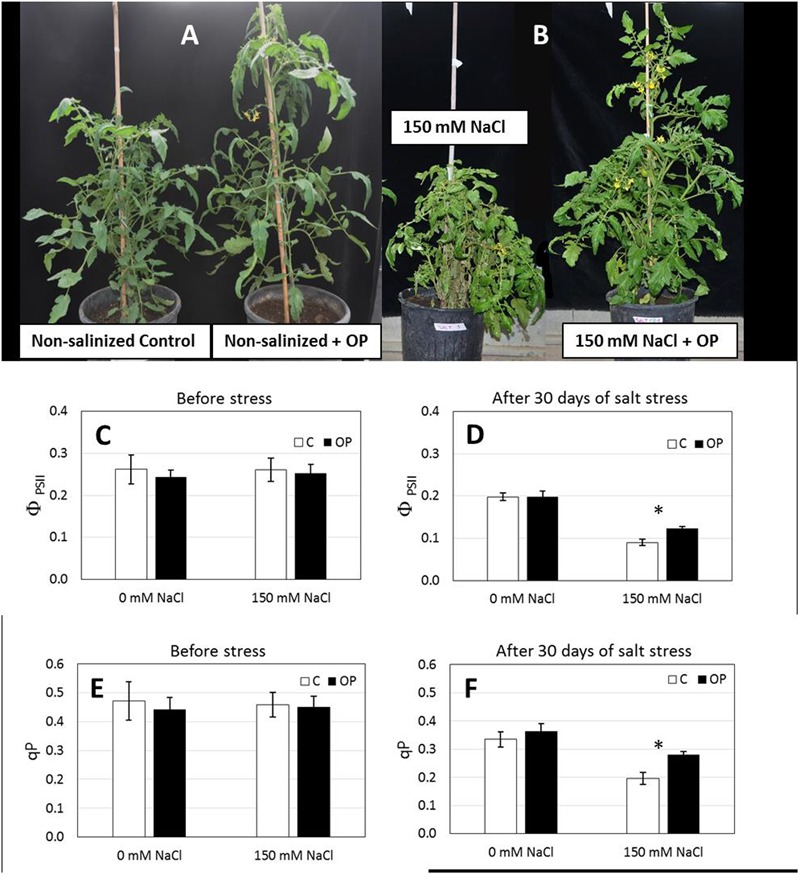
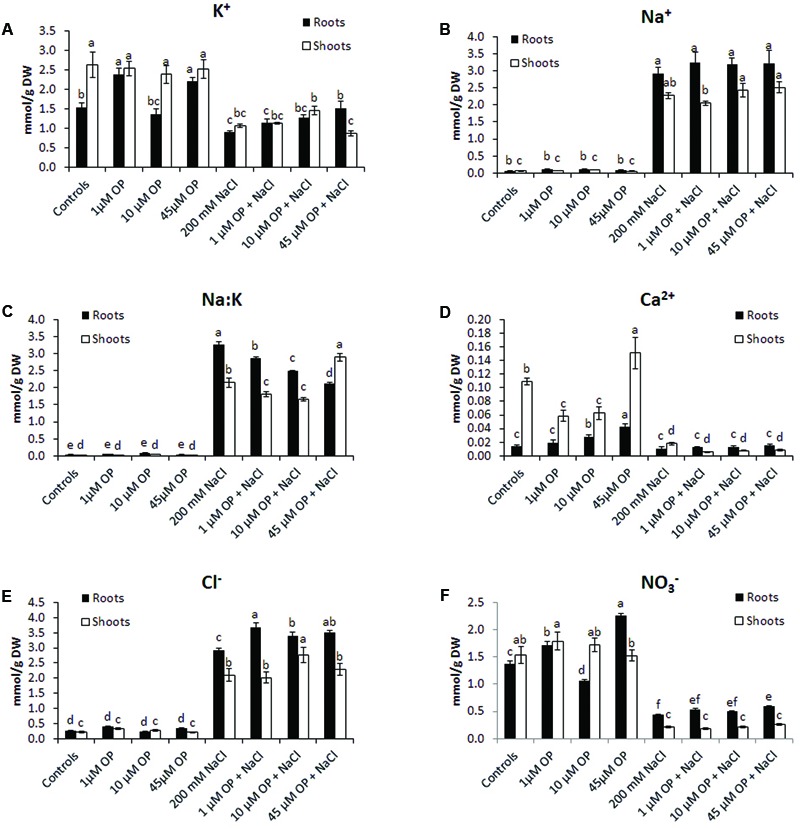
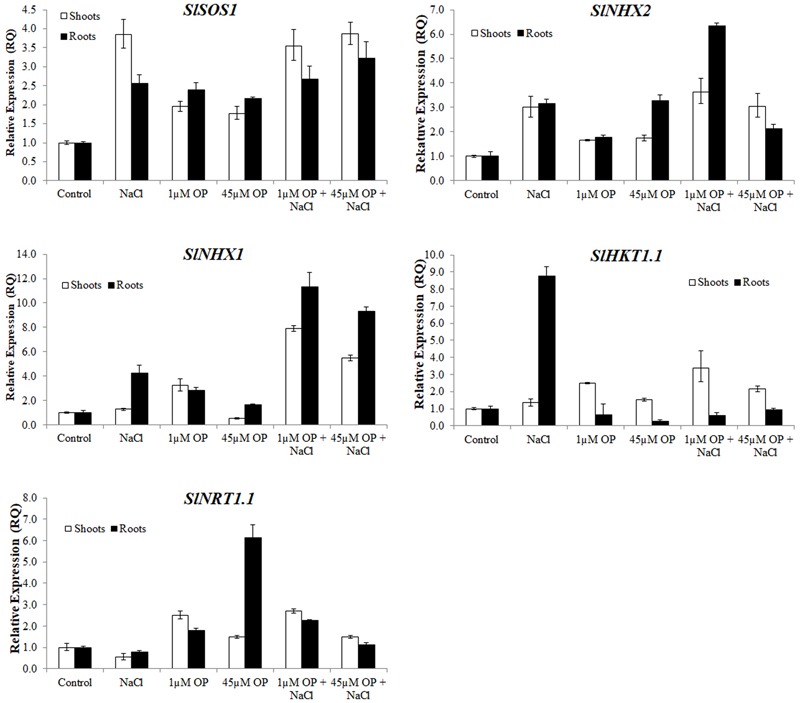
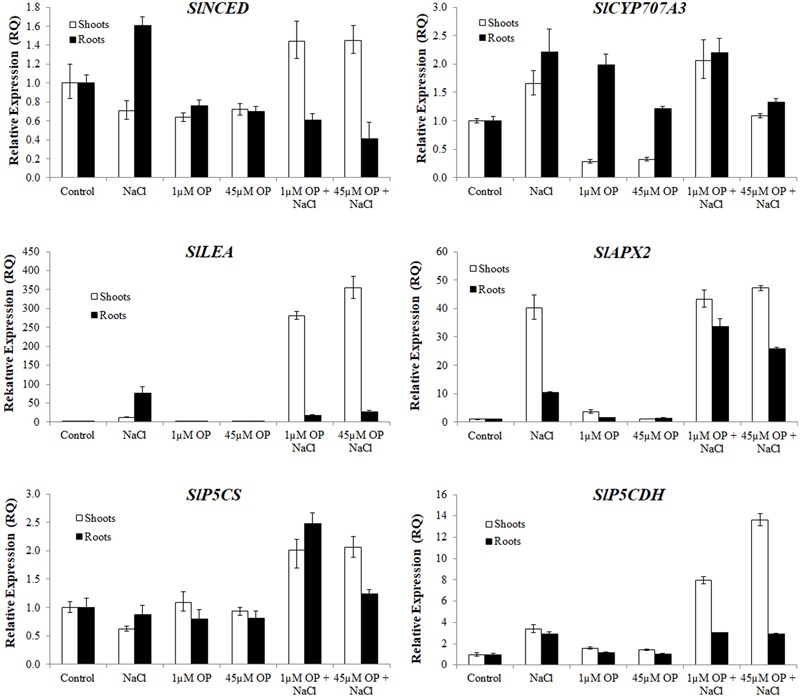
Pre-treatment of tomato plants with micromolar concentrations of omeprazole (OP), a benzimidazole proton pump inhibitor in mammalian systems, improves plant growth in terms of fresh weight of shoot and roots by 49 and 55% and dry weight by 54 and 105% under salt stress conditions (200 mM NaCl), respectively. Assessment of gas exchange, ion distribution, and gene expression profile in different organs strongly indicates that OP interferes with key components of the stress adaptation machinery, including hormonal control of root development (improving length and branching), protection of the photosynthetic system (improving quantum yield of photosystem II) and regulation of ion homeostasis (improving the K:Na ratio in leaves and roots). To our knowledge OP is one of the few known molecules that at micromolar concentrations manifests a dual function as growth enhancer and salt stress protectant. Therefore, OP can be used as new inducer of stress tolerance to better understand molecular and physiological stress adaptation paths in plants and to design new products to improve crop performance under suboptimal growth conditions. Omeprazole enhances growth of tomato and increases tolerance to salinity stress through alterations of gene expression and ion uptake and transport.
用微摩尔浓度的奥美拉唑(OP)对番茄植株进行预处理,奥美拉唑是一种在哺乳动物系统中使用的苯并咪唑质子泵抑制剂,在盐胁迫条件(200 mM NaCl)下,番茄地上部和根部的鲜重分别增加了49%和55%,干重分别增加了54%和105%,从而促进了植株生长。对不同器官的气体交换、离子分布和基因表达谱进行评估,结果有力地表明,OP干扰了胁迫适应机制的关键组成部分,包括根系发育的激素调控(增加根长和分支)、光合系统的保护(提高光系统II的量子产率)以及离子稳态的调节(提高叶片和根中的K:Na比率)。据我们所知,OP是少数已知的在微摩尔浓度下具有生长增强剂和盐胁迫保护剂双重功能的分子之一。因此,OP可作为一种新的胁迫耐受性诱导剂,用于更好地理解植物分子和生理胁迫适应途径,并设计新产品以提高次优生长条件下的作物性能。奥美拉唑通过改变基因表达以及离子吸收和转运来促进番茄生长并提高其对盐胁迫的耐受性。