Jankowich Matthew, Hebel Ryan, Jantz Jennifer, Abbasi Siddique, Choudhary Gaurav
1 20100 Providence VA Medical Center , Providence, RI, USA.
2 Division of Pulmonary, Critical Care and Sleep Medicine, Alpert Medical School of Brown University, Providence, RI, USA.
Pulm Circ. 2017 Oct-Dec;7(4):758-767. doi: 10.1177/2045893217726063. Epub 2017 Aug 22.
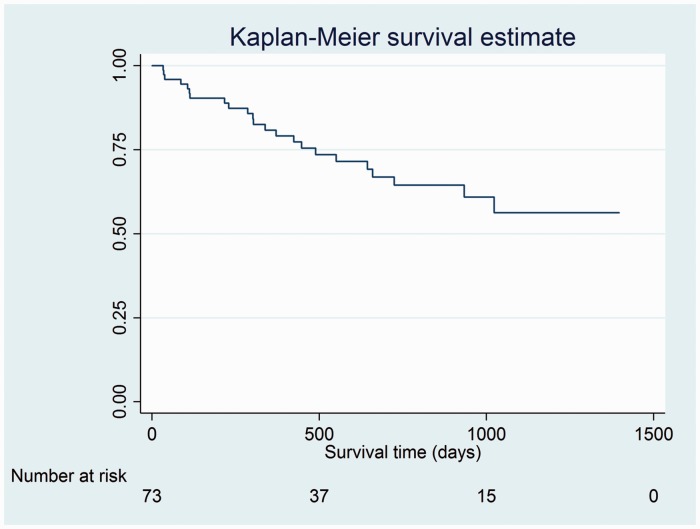
Pulmonary hypertension (PH) is often associated with cardiopulmonary co-morbidities, especially in older adults. A multispecialty approach to suspected PH is recommended, but there are few data on adherence to guidelines or outcomes in such patients. This was a single-center retrospective study of consecutively evaluated Veteran patients with suspected PH evaluated in a multispecialty PH clinic at a Veterans Affairs Medical Center, evaluating clinical characteristics, workup outcomes, and prognosis. The referral population (n = 125) was older (mean ± SD age = 73.6 ± 9.8 years) with frequent co-morbidities (e.g. COPD 60%) and obesity (mean ± SD BMI = 32.8 ± 8.1 kg/m). Of 94 patients undergoing right heart catheterization (RHC), 73 (78%) had confirmed PH (mean pulmonary artery pressure ≥ 25 mmHg). PH was associated with higher BMIs (odds ratio [95% CI] for PH per 1 unit increase = 1.10 [1.02-1.19]) and brachial pulse pressures (odds ratio per 1 mmHg increase = 1.07 [1.02-1.13]). Seventy out of 73 were classifiable by WHO PH groupings. Most patients underwent guideline-recommended PH evaluation. Observed one-year mortality was high (17.8%); the one-year hospitalization rate was 34.2%. These results compare favorably to observations from the VA Clinical Assessment, Reporting, and Tracking cohort of Veterans with PH by RHC (19.1% and 60.9% one-year mortality and hospitalization rates, respectively). Multispecialty PH clinic evaluation revealed a high prevalence of co-morbidities in veterans with suspected PH; PH was prevalent in this referral population. PH patients had significant morbidity and mortality but supportive care measures improved following PH evaluation. Further prospective randomized study is needed to determine if a multispecialty clinic approach improves PH morbidity and mortality in veterans.
肺动脉高压(PH)常与心肺合并症相关,尤其是在老年人中。对于疑似PH患者,建议采用多专科方法,但关于此类患者遵循指南情况或预后的数据较少。这是一项单中心回顾性研究,纳入了在退伍军人事务医疗中心的多专科PH诊所连续评估的疑似PH退伍军人患者,评估其临床特征、检查结果及预后。转诊人群(n = 125)年龄较大(平均±标准差年龄 = 73.6±9.8岁),合并症常见(如慢性阻塞性肺疾病占60%)且存在肥胖(平均±标准差体重指数 = 32.8±8.1kg/m²)。在94例行右心导管检查(RHC)的患者中,73例(78%)确诊为PH(平均肺动脉压≥25mmHg)。PH与较高的体重指数(PH每增加1个单位的比值比[95%置信区间] = 1.10[1.02 - 1.19])及肱动脉脉压相关(脉压每增加1mmHg的比值比 = 1.07[1.02 - 1.13])。73例患者中有70例可根据世界卫生组织PH分类进行归类。大多数患者接受了指南推荐的PH评估。观察到的一年死亡率较高(17.8%);一年住院率为34.2%。这些结果优于通过RHC评估的退伍军人事务部临床评估、报告和跟踪队列中的观察结果(一年死亡率和住院率分别为19.1%和60.9%)。多专科PH诊所评估显示,疑似PH退伍军人中合并症的患病率较高;PH在该转诊人群中普遍存在。PH患者有显著的发病率和死亡率,但PH评估后支持性护理措施有所改善。需要进一步开展前瞻性随机研究,以确定多专科诊所方法是否能改善退伍军人PH的发病率和死亡率。