Aranaz Inmaculada, Martínez-Campos Enrique, Moreno-Vicente Carolina, Civantos Ana, García-Arguelles Sara, Del Monte Francisco
Instituto de Ciencia de Materiales de Madrid-ICMM, Consejo Superior de Investigaciones Científicas-CSIC, Cantoblanco 28049, Madrid, Spain.
Tissue Engineering Group, Institute of Biofunctional Studies, Associated Unit to the Institute of Polymer Science and Technology (CSIC), Pharmacy Faculty, Complutense University of Madrid (UCM), Paseo Juan 23, n1 28040, Madrid, Spain.
Materials (Basel). 2017 May 8;10(5):516. doi: 10.3390/ma10050516.
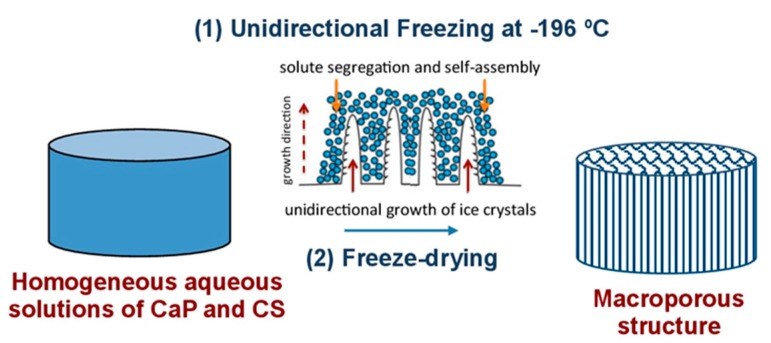
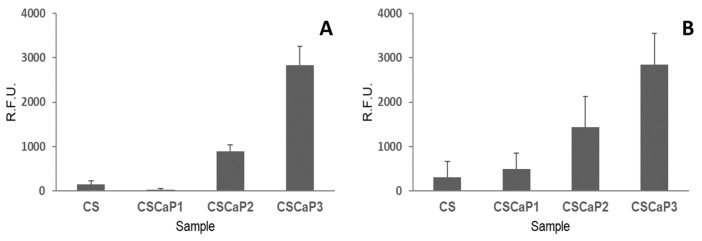
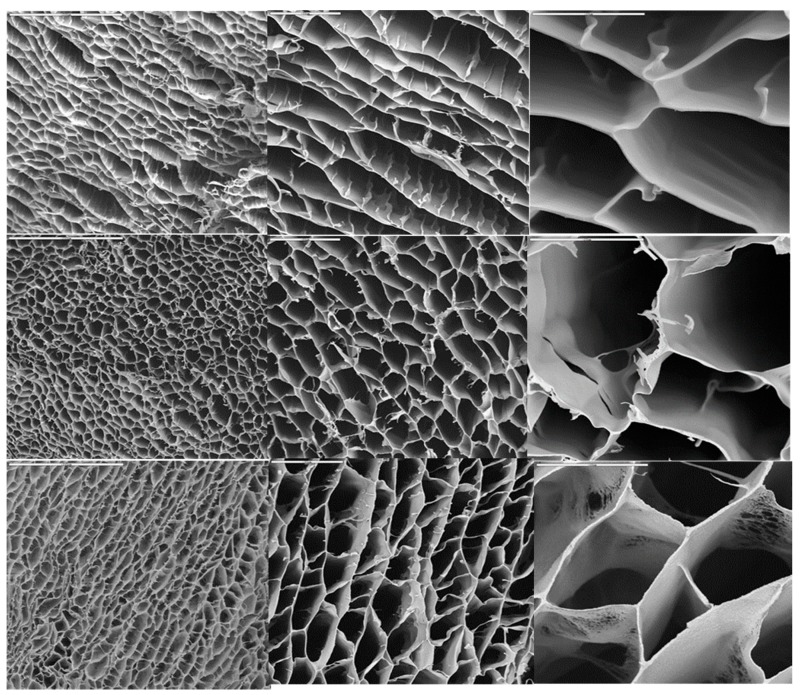
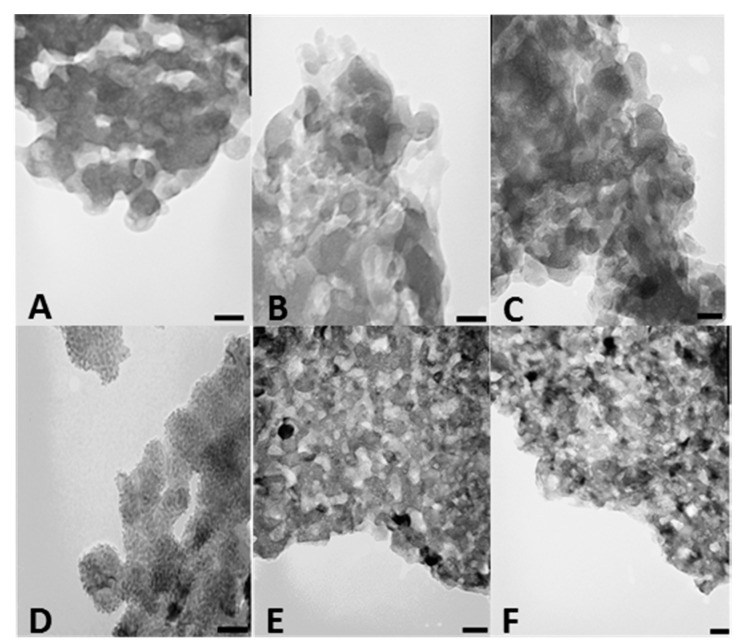
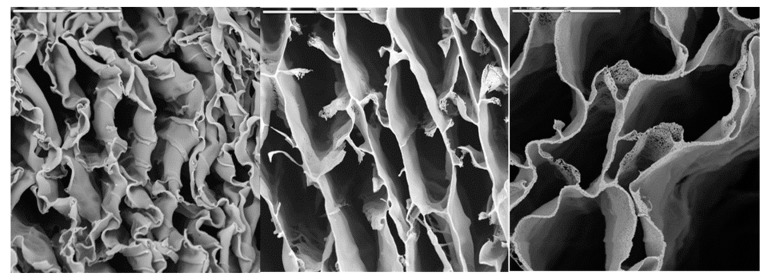
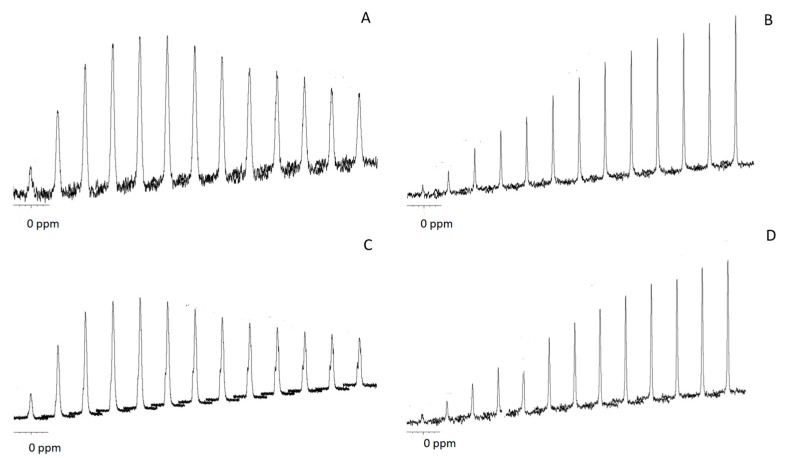
Calcium phosphate chitosan-based composites have gained much interest in recent years for biomedical purposes. In this paper, three-dimensional calcium phosphate chitosan-based composites with different mineral contents were produced using a green method called ice segregation induced self-assembly (ISISA). In this methodology, ice crystals were used as a template to produce porous structures from an aqueous solution of chitosan (CS) and hydroxyapatite (Hap) also containing acetic acid (pH = 4.5). For better characterization of the nature of the inorganic matter entrapped within the resulting composite, we performed either oxygen plasma or calcination processes to remove the organic matter. The nature of the phosphate salts was studied by XRD and NMR studies. Amorphous calcium phosphate (ACP) was identified as the mineral phase in the composites submitted to oxygen plasma, whereas crystalline Hap was obtained after calcination. SEM microscopy revealed the formation of porous structures (porosity around 80-85%) in the original composites, as well as in the inorganic matrices obtained after calcination, with porous channels of up to 50 µm in diameter in the former case and of up to 20 µm in the latter. The biocompatibility of the composites was assessed using two different cell lines: C2C12GFP premyoblastic cells and MC3T3 preosteoblastic cells.
近年来,磷酸钙壳聚糖基复合材料在生物医学领域备受关注。本文采用一种名为冰分离诱导自组装(ISISA)的绿色方法制备了具有不同矿物质含量的三维磷酸钙壳聚糖基复合材料。在该方法中,冰晶被用作模板,从含有醋酸(pH = 4.5)的壳聚糖(CS)和羟基磷灰石(Hap)水溶液中制备多孔结构。为了更好地表征所得复合材料中所含无机物的性质,我们进行了氧等离子体处理或煅烧过程以去除有机物。通过XRD和NMR研究对磷酸盐的性质进行了研究。在经过氧等离子体处理的复合材料中,非晶态磷酸钙(ACP)被鉴定为矿物相,而煅烧后得到的是结晶态的Hap。扫描电子显微镜(SEM)显示,原始复合材料以及煅烧后得到的无机基质中均形成了多孔结构(孔隙率约为80 - 85%),在前一种情况下,多孔通道直径可达50 µm,在后一种情况下可达20 µm。使用两种不同的细胞系评估了复合材料的生物相容性:C2C12GFP前成肌细胞和MC3T3前成骨细胞。