Liu Xiaorong, Kang Haijiao, Wang Zhong, Zhang Wei, Li Jianzhang, Zhang Shifeng
MOE Key Laboratory of Wood Material Science and Utilization, Beijing Key Laboratory of Wood Science and Engineering, College of Materials Science and Technology, Beijing Forestry University, Beijing 100083, China.
Materials (Basel). 2017 Jun 14;10(6):653. doi: 10.3390/ma10060653.
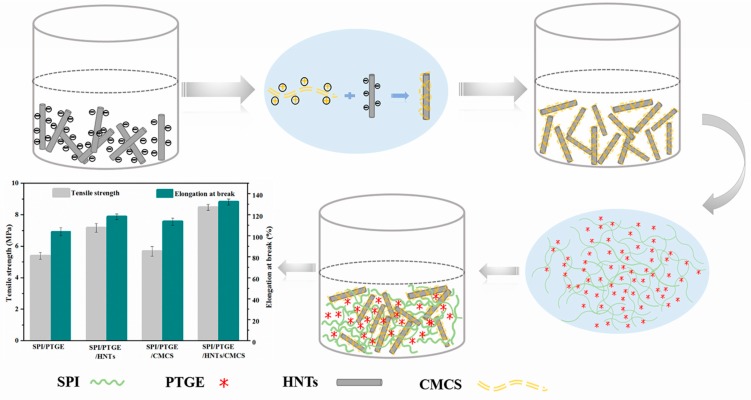
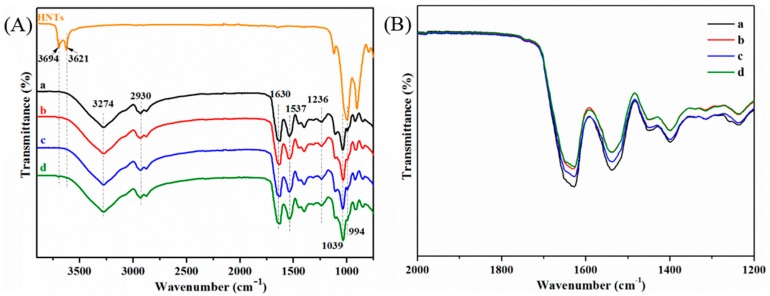
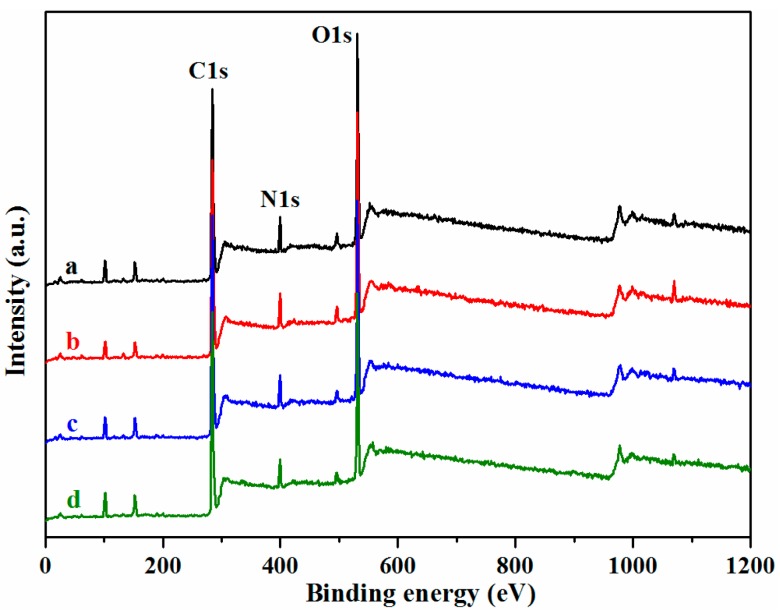
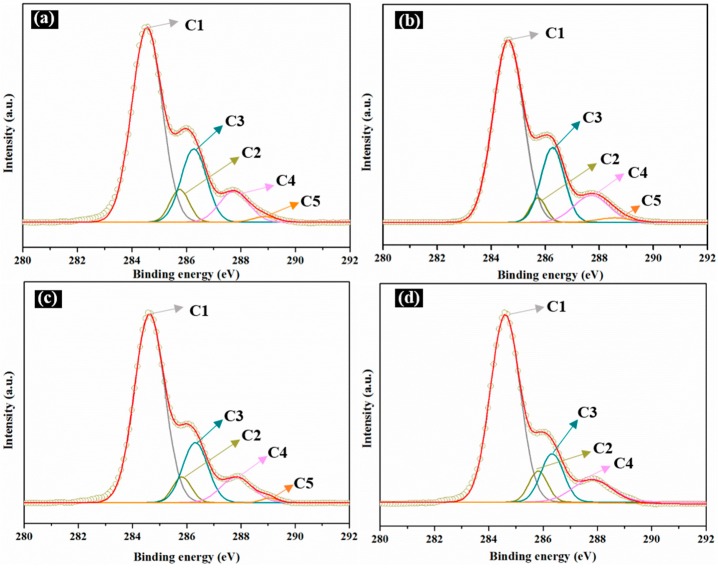
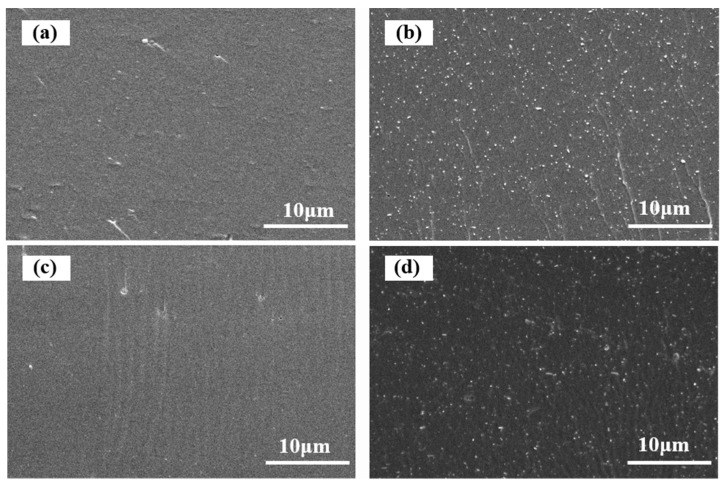
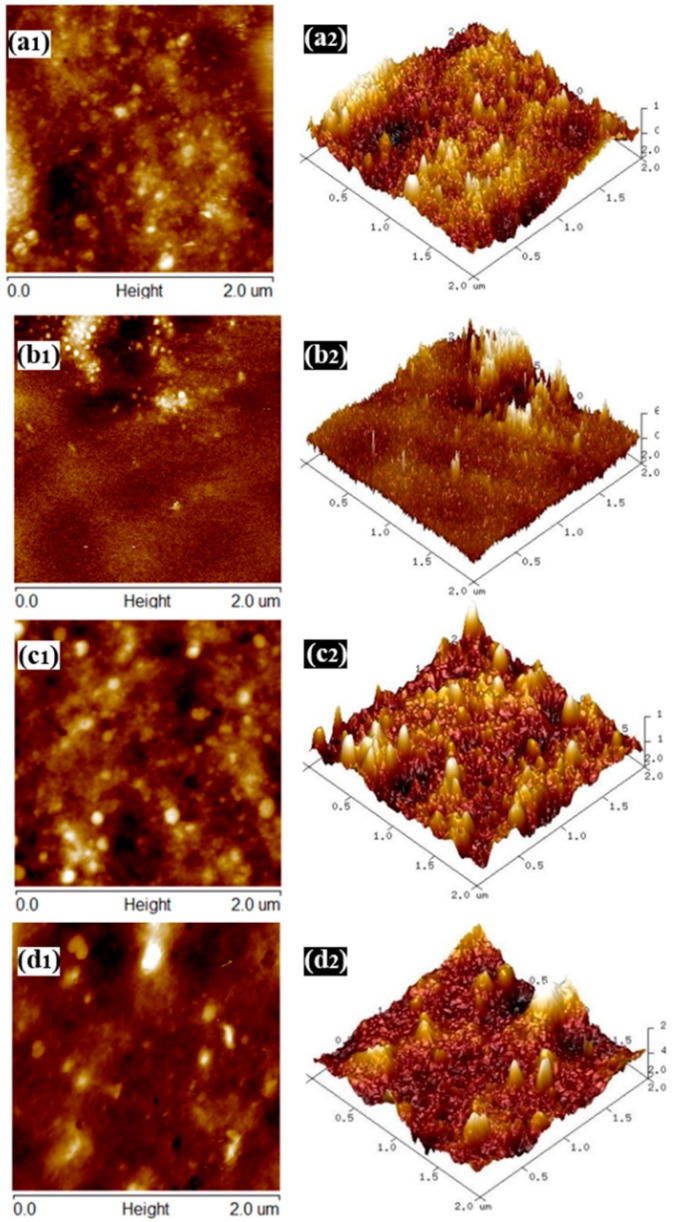
Chemical cross-linking modification can significantly enhance the tensile strength (TS) of soy protein isolate (SPI)-based composites, but usually at the cost of a reduction in the elongation at break (EB). In this study, eco-friendly and high-potential hybrid SPI-based nanocomposites with improved TS were fabricated without compromising the reduction of EB. The hybrid of carboxymethylated chitosan (CMCS) and halloysite nanotubes (HNTs) as the enhancement center was added to the SPI and 1,2,3-propanetriol-diglycidyl-ether (PTGE) solution. The chemical structure, crystallinity, micromorphology, and opacity properties of the obtained SPI/PTGE/HNTs/CMCS film was analyzed by the attenuated total reflectance-Fourier transform infrared (ATR-FTIR) spectroscopy, X-ray photoelectron spectroscopy (XPS), X-ray diffraction (XRD), scanning electron microscopy (SEM), atomic force microscopy (AFM), and UV-Vis spectroscopy. The results indicated that HNTs were uniformly dispersed in the SPI matrix without crystal structure damages. Compared to the SPI/PTGE film, the TS and EB of the SPI/PTGE/HNTs/CMCS film were increased by 57.14% and 27.34%, reaching 8.47 MPa and 132.12%, respectively. The synergy of HNTs and CMCS via electrostatic interactions also improved the water resistance of the SPI/PTGE/HNTs/CMCS film. These films may have considerable potential in the field of sustainable and environmentally friendly packaging.
化学交联改性可以显著提高大豆分离蛋白(SPI)基复合材料的拉伸强度(TS),但通常是以牺牲断裂伸长率(EB)为代价。在本研究中,制备了具有改善的TS且不降低EB的环保型和高潜力的SPI基杂化纳米复合材料。将羧甲基化壳聚糖(CMCS)和埃洛石纳米管(HNTs)的杂化物作为增强中心添加到SPI和1,2,3-丙三醇二缩水甘油醚(PTGE)溶液中。通过衰减全反射傅里叶变换红外(ATR-FTIR)光谱、X射线光电子能谱(XPS)、X射线衍射(XRD)、扫描电子显微镜(SEM)、原子力显微镜(AFM)和紫外可见光谱对所得SPI/PTGE/HNTs/CMCS薄膜的化学结构、结晶度、微观形态和不透明度性能进行了分析。结果表明,HNTs均匀分散在SPI基体中,且晶体结构未受损。与SPI/PTGE薄膜相比,SPI/PTGE/HNTs/CMCS薄膜的TS和EB分别提高了57.14%和27.34%,分别达到8.47 MPa和132.12%。HNTs和CMCS通过静电相互作用的协同作用也提高了SPI/PTGE/HNTs/CMCS薄膜的耐水性。这些薄膜在可持续和环保包装领域可能具有相当大的潜力。