Kim Hae Ri, Jang Seong-Ho, Kim Young Kyung, Son Jun Sik, Min Bong Ki, Kim Kyo-Han, Kwon Tae-Yub
Department of Dental Science, Graduate School, Kyungpook National University, Daegu 700-412, Korea.
Department of Conservative Dentistry, School of Dentistry, Kyungpook National University, Daegu 700-412, Korea.
Materials (Basel). 2016 Jul 20;9(7):596. doi: 10.3390/ma9070596.
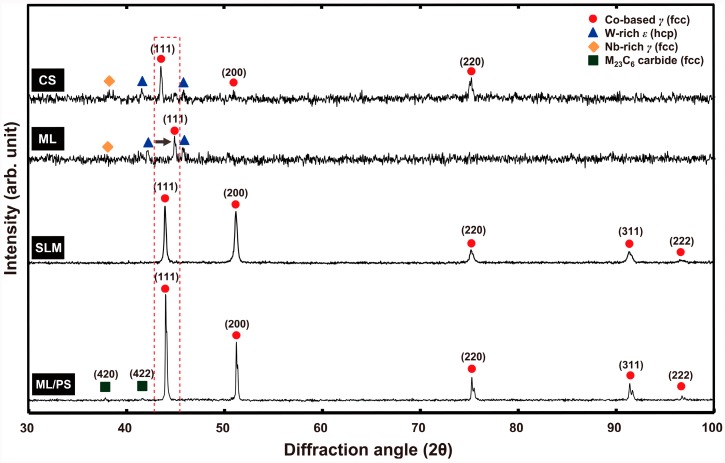
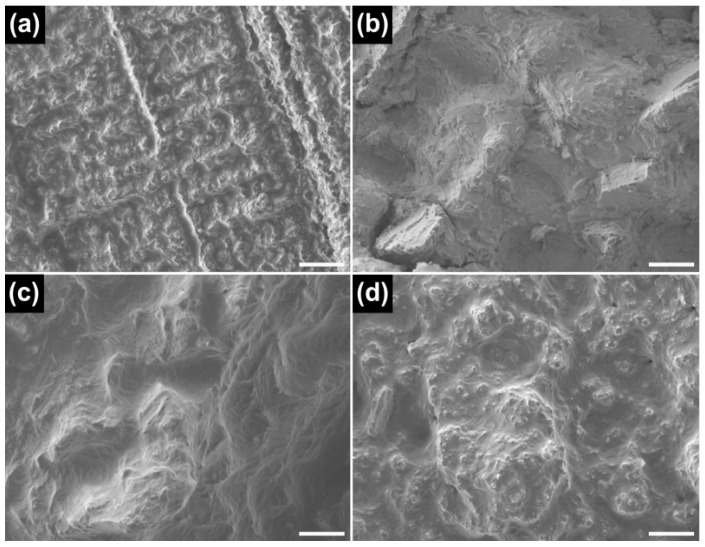
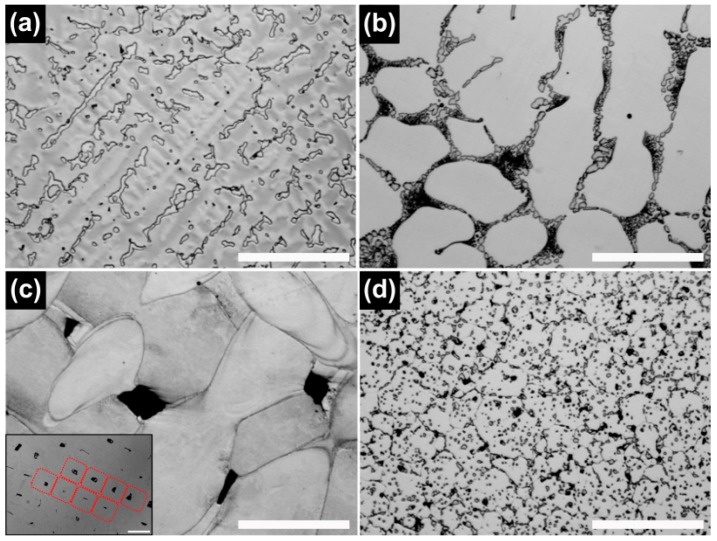
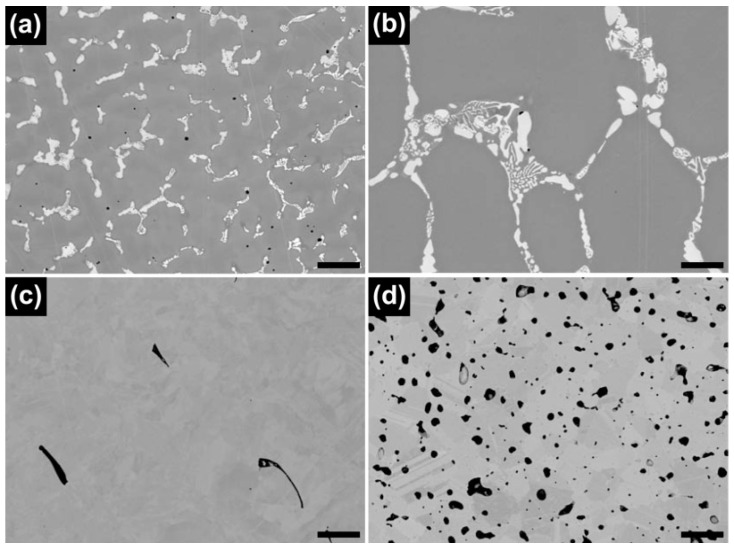
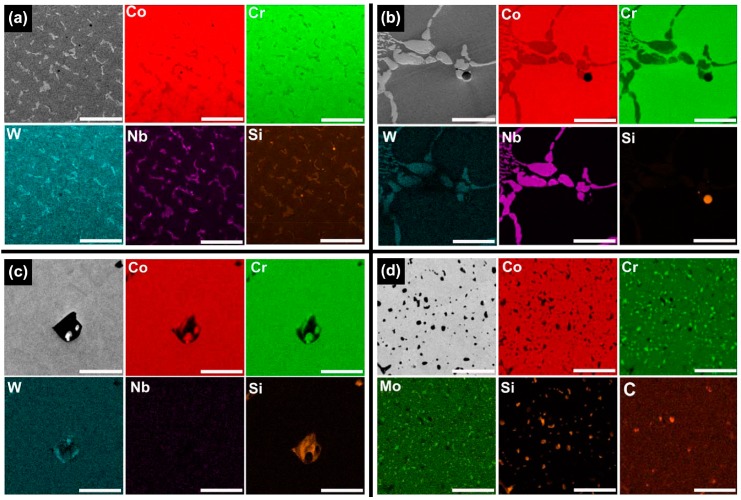
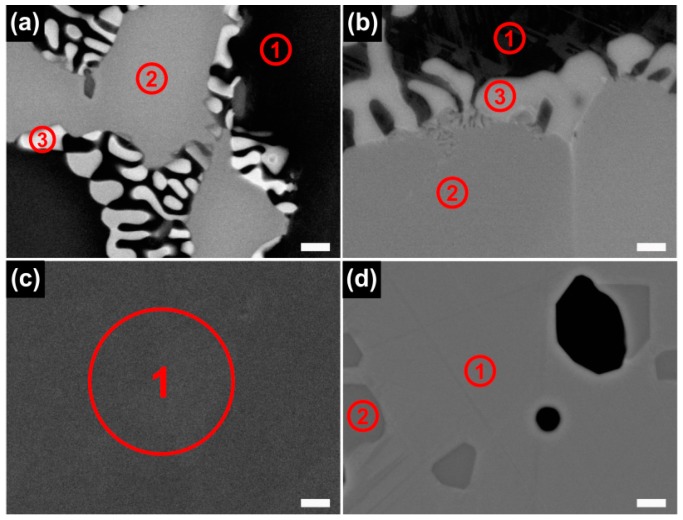
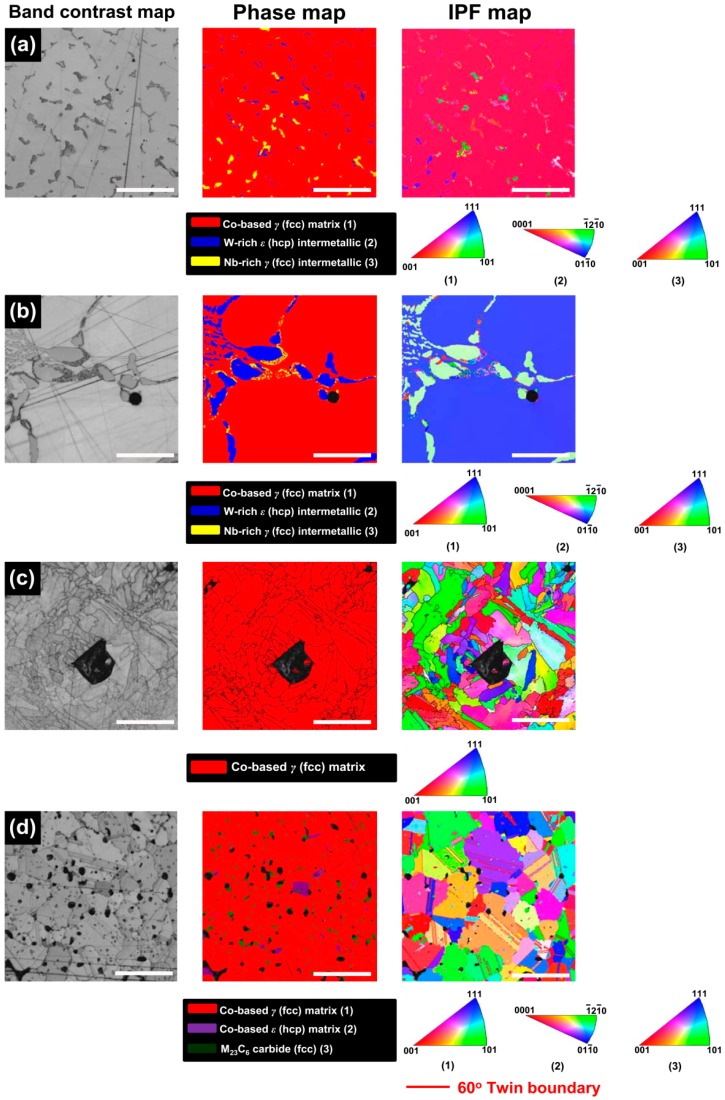
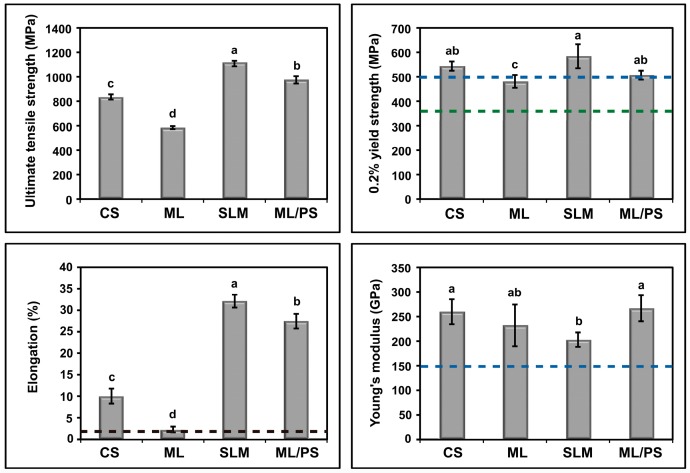
The microstructures and mechanical properties of cobalt-chromium (Co-Cr) alloys produced by three CAD/CAM-based processing techniques were investigated in comparison with those produced by the traditional casting technique. Four groups of disc- (microstructures) or dumbbell- (mechanical properties) specimens made of Co-Cr alloys were prepared using casting (CS), milling (ML), selective laser melting (SLM), and milling/post-sintering (ML/PS). For each technique, the corresponding commercial alloy material was used. The microstructures of the specimens were evaluated via X-ray diffractometry, optical and scanning electron microscopy with energy-dispersive X-ray spectroscopy, and electron backscattered diffraction pattern analysis. The mechanical properties were evaluated using a tensile test according to ISO 22674 ( = 6). The microstructure of the alloys was strongly influenced by the manufacturing processes. Overall, the SLM group showed superior mechanical properties, the ML/PS group being nearly comparable. The mechanical properties of the ML group were inferior to those of the CS group. The microstructures and mechanical properties of Co-Cr alloys were greatly dependent on the manufacturing technique as well as the chemical composition. The SLM and ML/PS techniques may be considered promising alternatives to the Co-Cr alloy casting process.
研究了三种基于计算机辅助设计与制造(CAD/CAM)的加工技术所制备的钴铬(Co-Cr)合金的微观结构和力学性能,并与传统铸造技术制备的合金进行了比较。使用铸造(CS)、铣削(ML)、选择性激光熔化(SLM)和铣削/后烧结(ML/PS)工艺制备了四组由Co-Cr合金制成的圆盘状(微观结构)或哑铃状(力学性能)试样。对于每种工艺,均使用了相应的商用合金材料。通过X射线衍射、带有能量色散X射线光谱的光学和扫描电子显微镜以及电子背散射衍射图案分析对试样的微观结构进行了评估。根据ISO 22674(=6)使用拉伸试验对力学性能进行了评估。合金的微观结构受制造工艺的影响很大。总体而言,SLM组表现出优异的力学性能,ML/PS组与之相近。ML组的力学性能不如CS组。Co-Cr合金的微观结构和力学性能在很大程度上取决于制造技术以及化学成分。SLM和ML/PS技术可被视为Co-Cr合金铸造工艺的有前景的替代方法。