Department of Physiology, Yong Loo Lin School of Medicine, National University of Singapore, Singapore, Singapore.
Lee Kong Chian School of Medicine, Nanyang Technological University, Singapore, Singapore.
Sci Rep. 2017 Aug 4;7(1):7271. doi: 10.1038/s41598-017-07400-8.
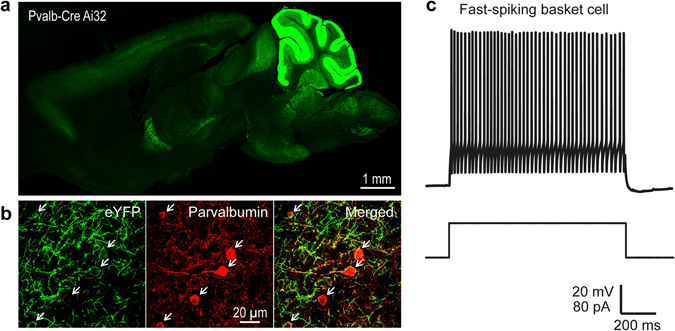
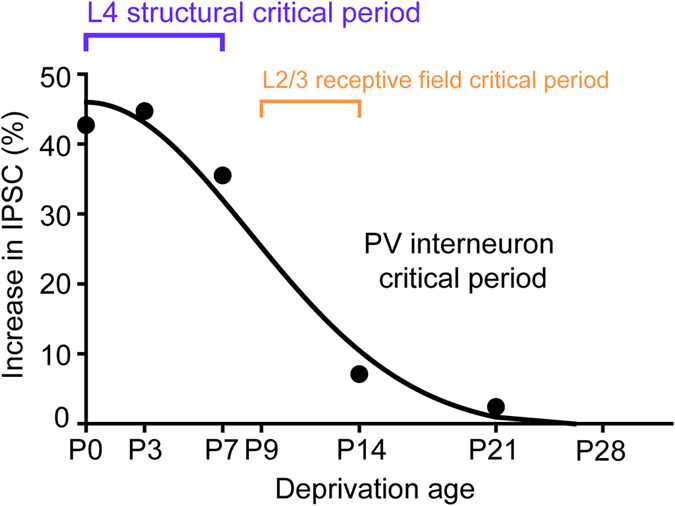
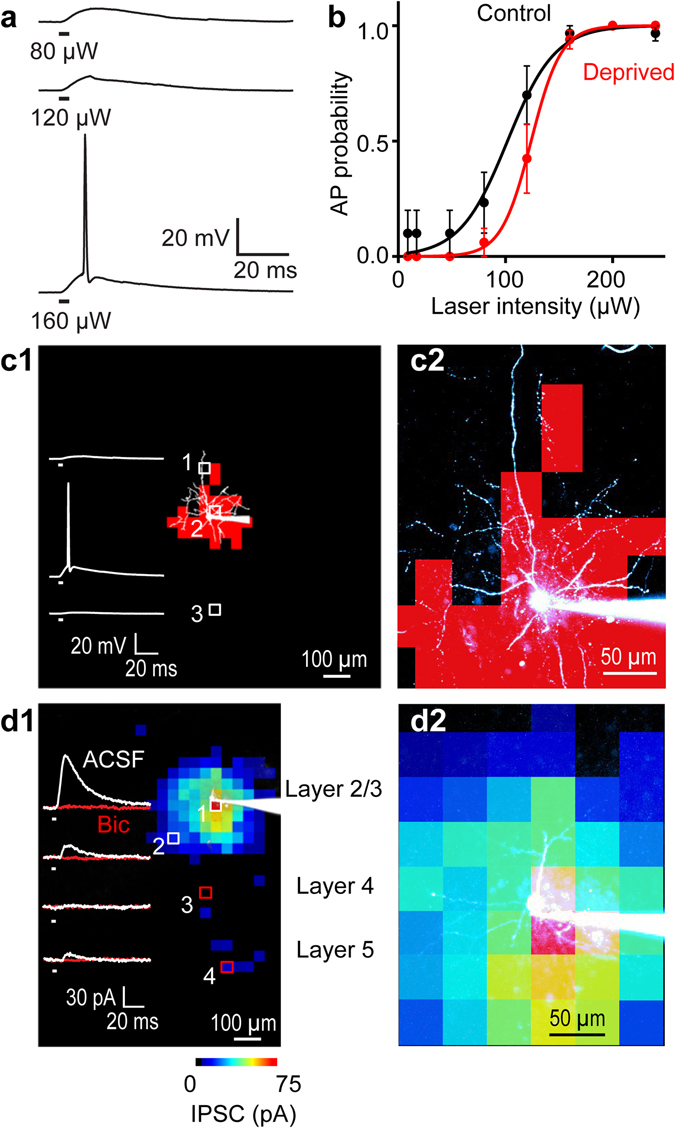
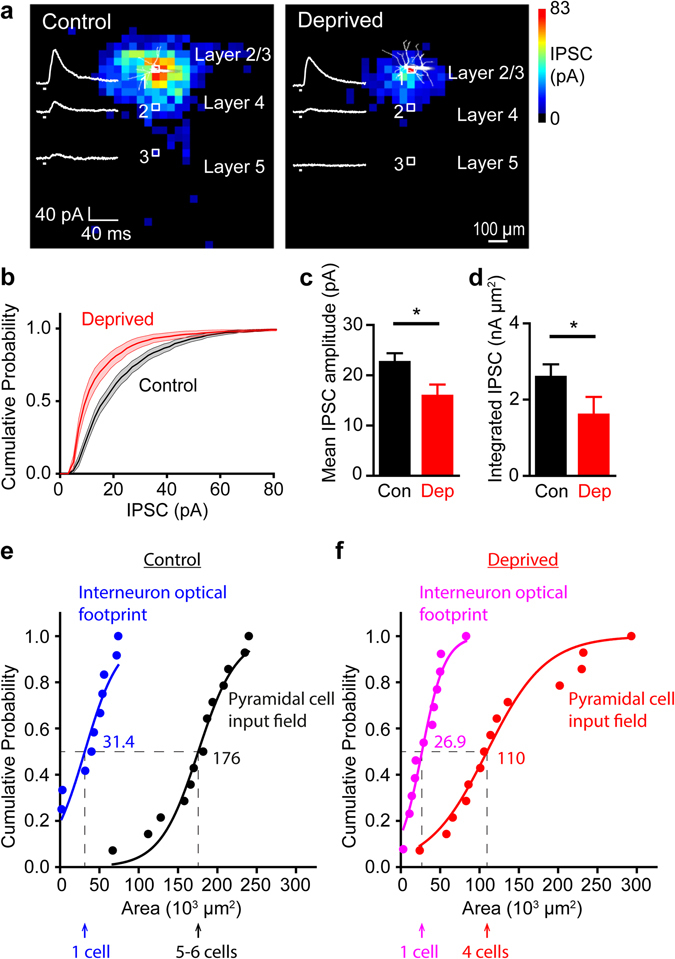
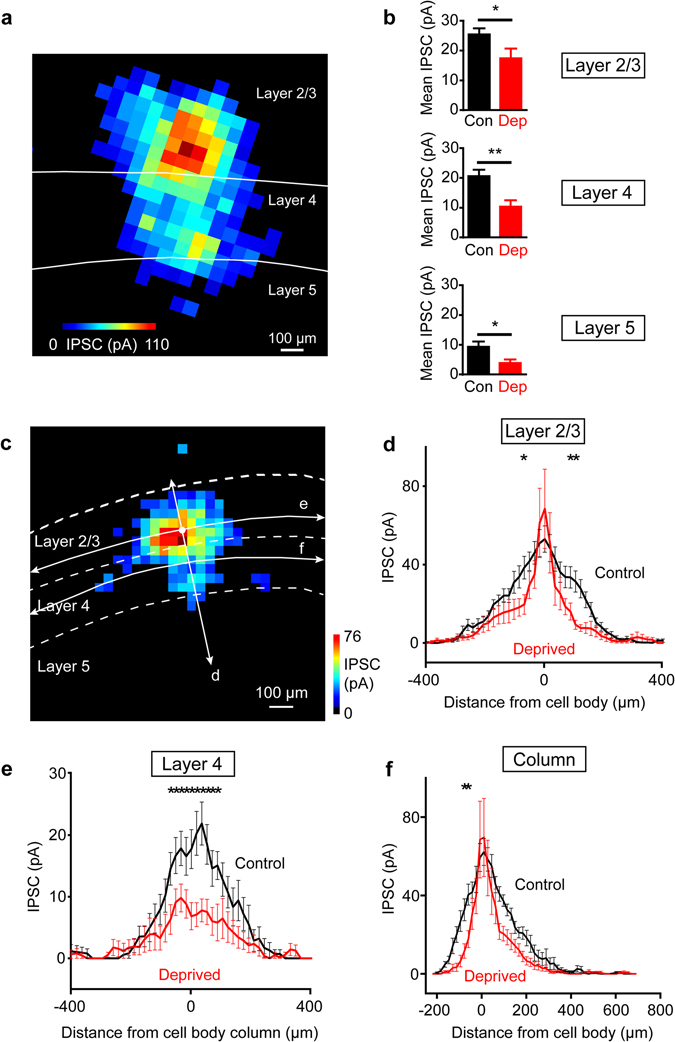
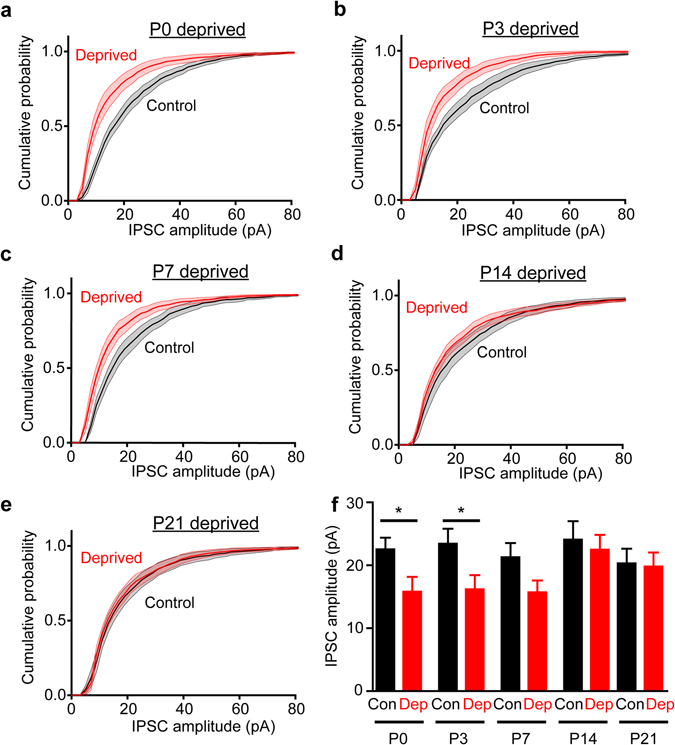
Although experience-dependent changes in brain inhibitory circuits are thought to play a key role during the "critical period" of brain development, the nature and timing of these changes are poorly understood. We examined the role of sensory experience in sculpting an inhibitory circuit in the primary somatosensory cortex (S1) of mice by using optogenetics to map the connections between parvalbumin (PV) expressing interneurons and layer 2/3 pyramidal cells. Unilateral whisker deprivation decreased the strength and spatial range of inhibitory input provided to pyramidal neurons by PV interneurons in layers 2/3, 4 and 5. By varying the time when sensory input was removed, we determined that the critical period closes around postnatal day 14. This yields the first precise time course of critical period plasticity for an inhibitory circuit.
虽然人们认为大脑抑制性回路的经验依赖性变化在大脑发育的“关键期”中起着关键作用,但这些变化的性质和时间尚不清楚。我们通过使用光遗传学来绘制表达 Parvalbumin(PV)的中间神经元与第 2/3 层锥体神经元之间的连接,研究了感觉经验在塑造初级体感皮层(S1)中的抑制性回路中的作用。单侧胡须剥夺减少了 PV 中间神经元在第 2/3、4 和 5 层向锥体神经元提供的抑制性输入的强度和空间范围。通过改变去除感觉输入的时间,我们确定关键期在出生后第 14 天左右关闭。这给出了第一个精确的抑制性回路关键期可塑性的时间过程。