Department of Biochemistry, Benjamin S Carson (Snr.) School of Medicine, Babcock University, Ilisan-Remo, Ogun State, Ikeja 21244, Nigeria.
Department of Pharmacology, Benjamin Carson (Snr.) School of Medicine, Babcock University, Ilisan-Remo, Ogun State, Ikeja 21244, Nigeria
Biosci Rep. 2019 Feb 15;39(2). doi: 10.1042/BSR20170665. Print 2019 Feb 28.
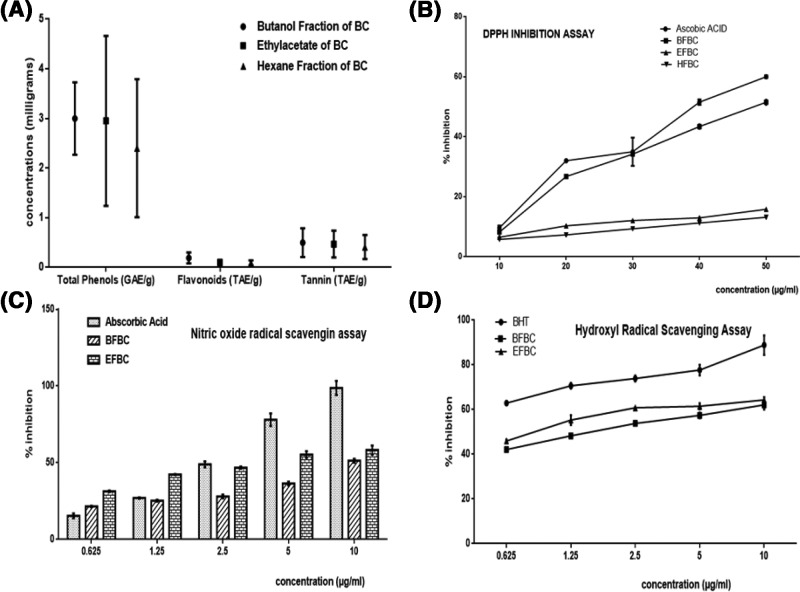
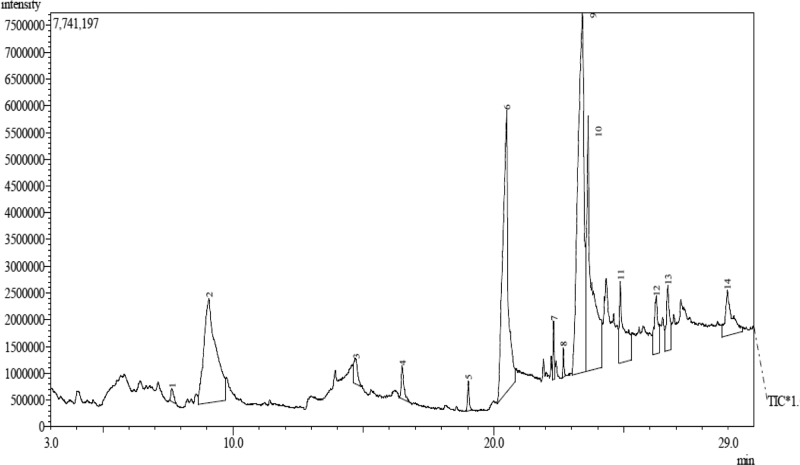
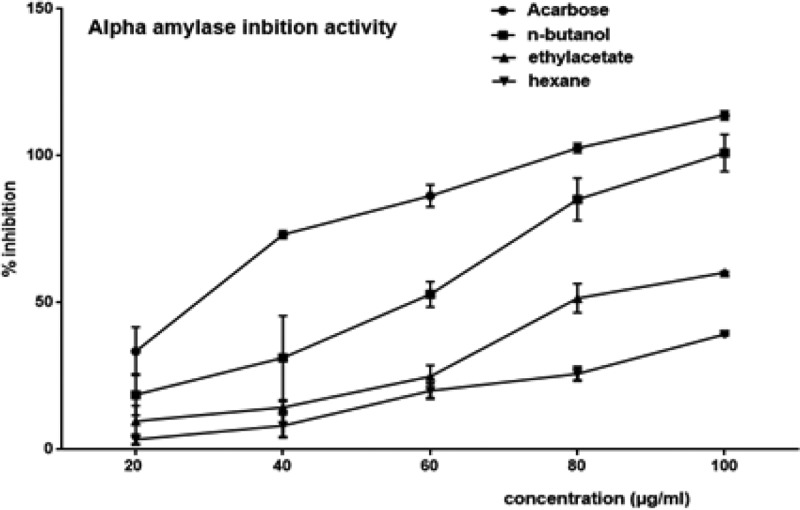
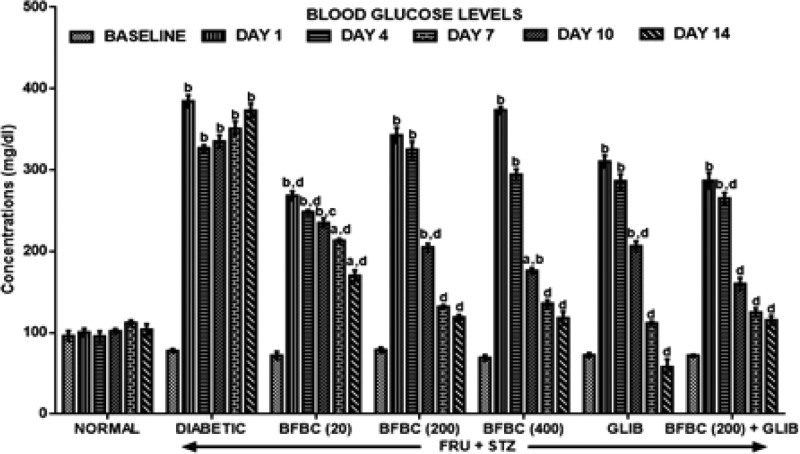
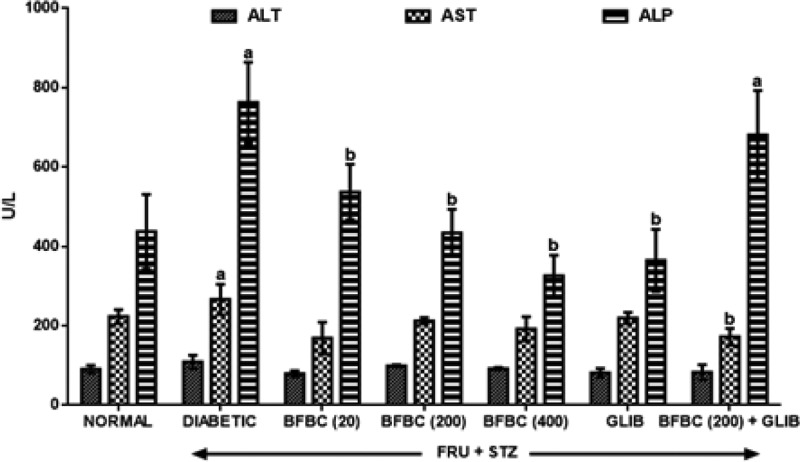
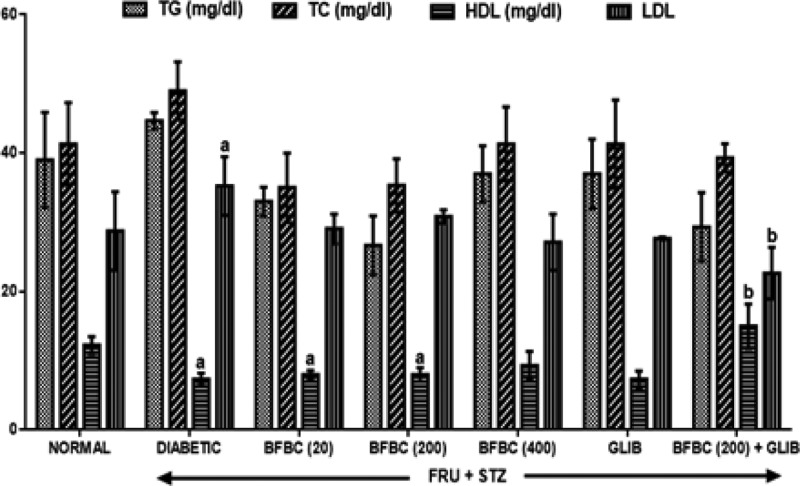
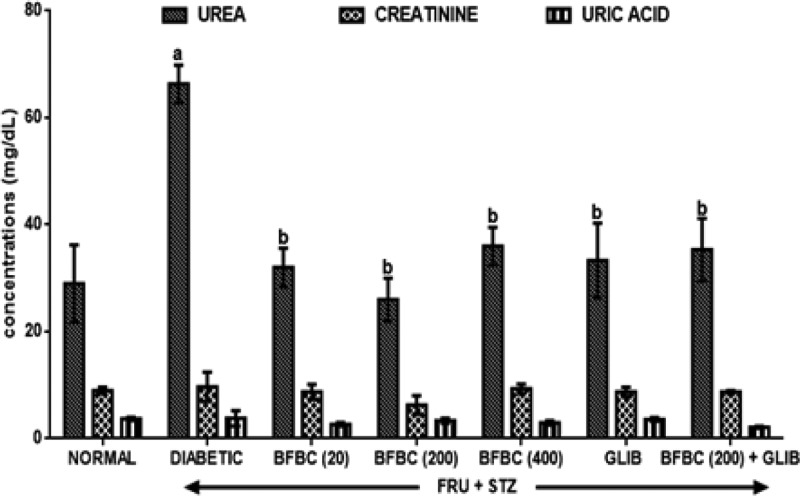
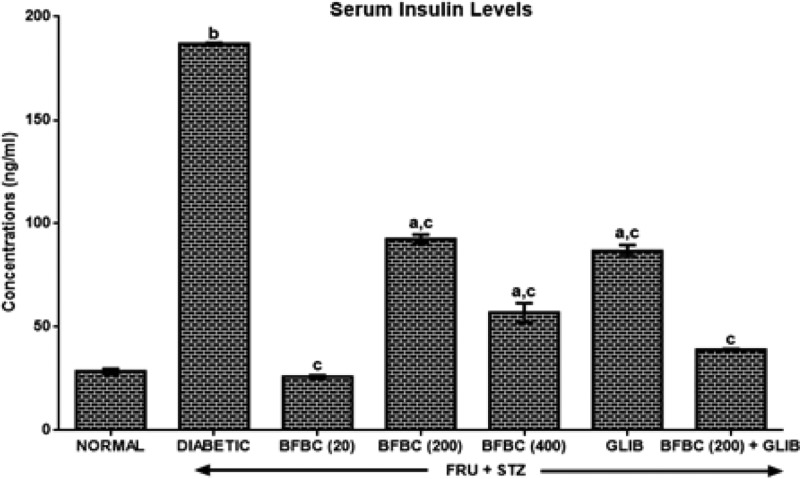
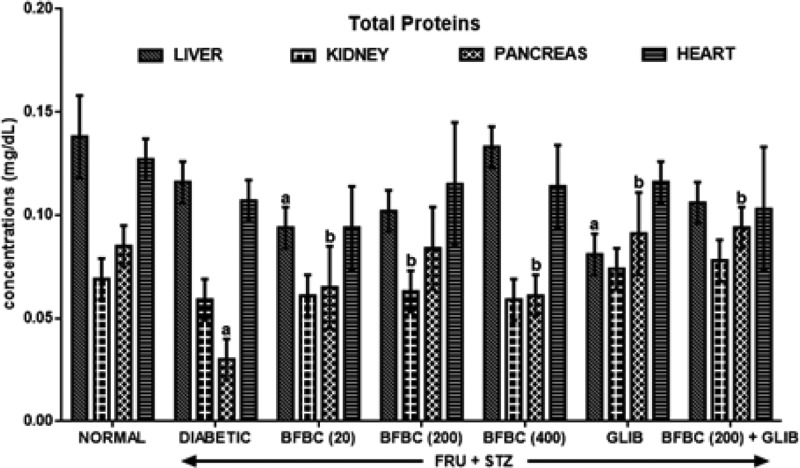
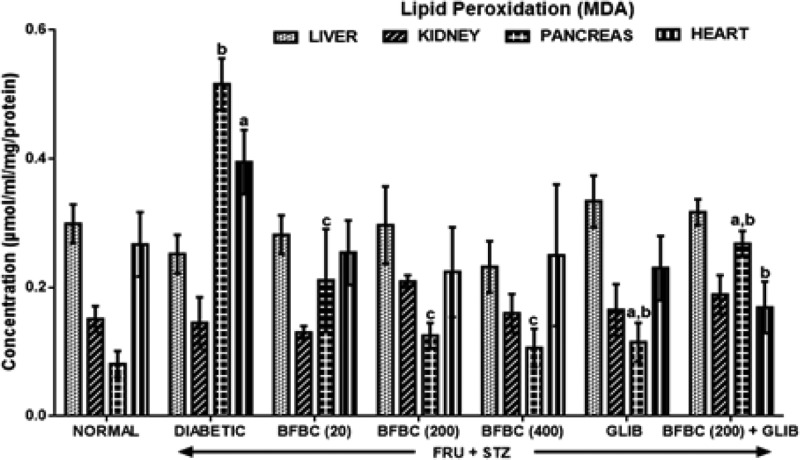
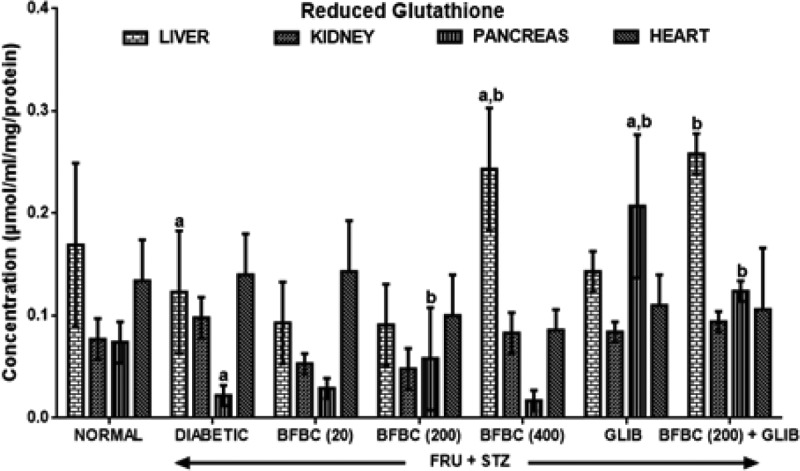
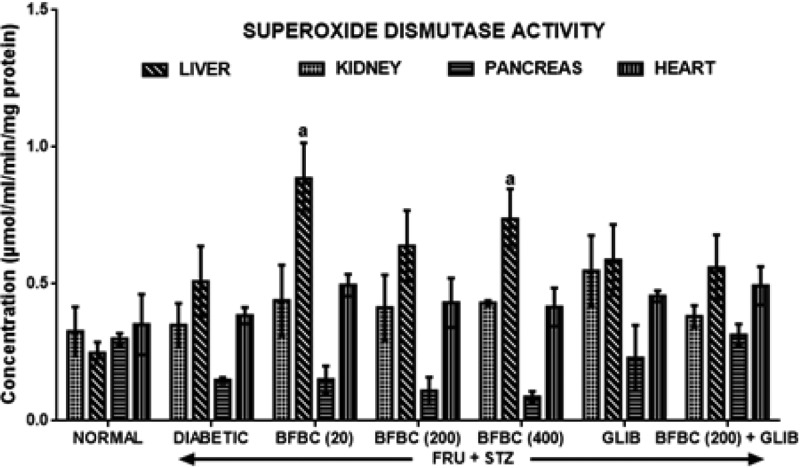
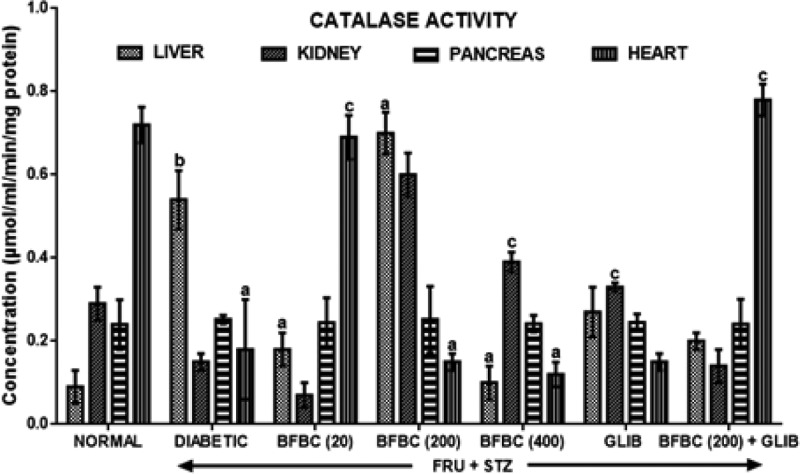
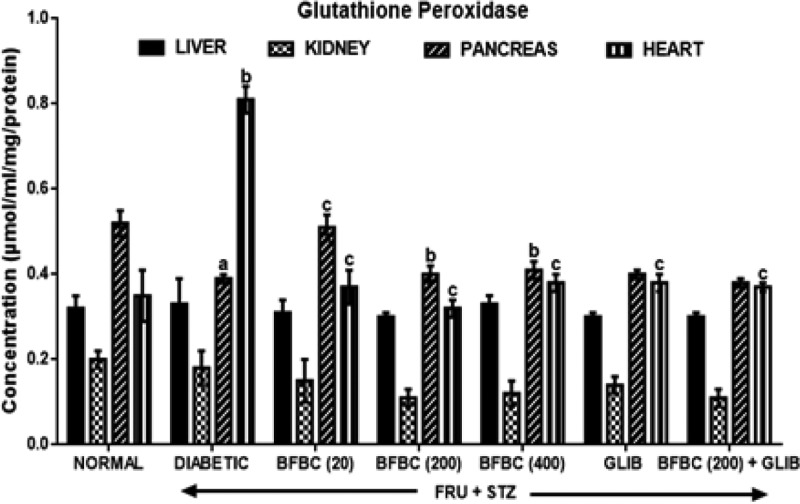
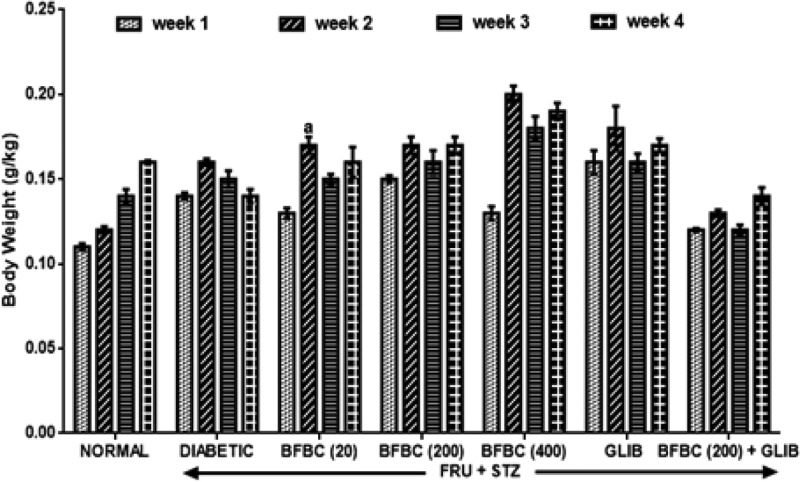
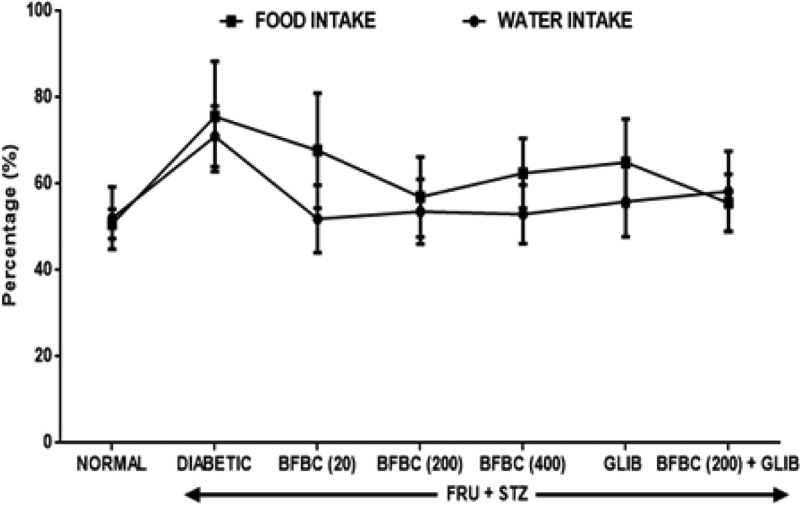
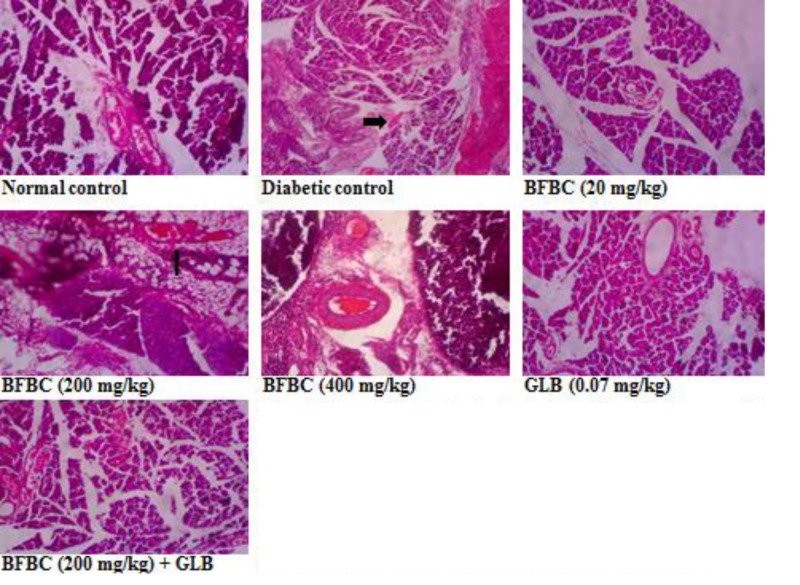
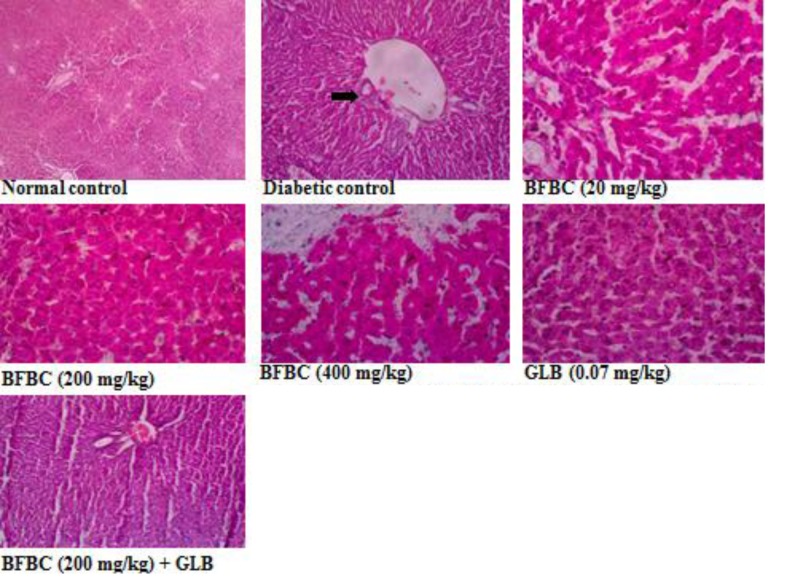
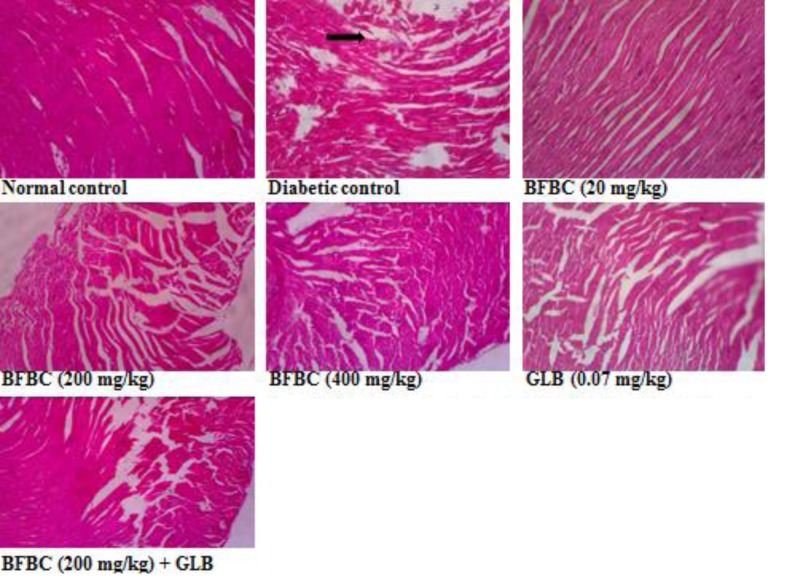
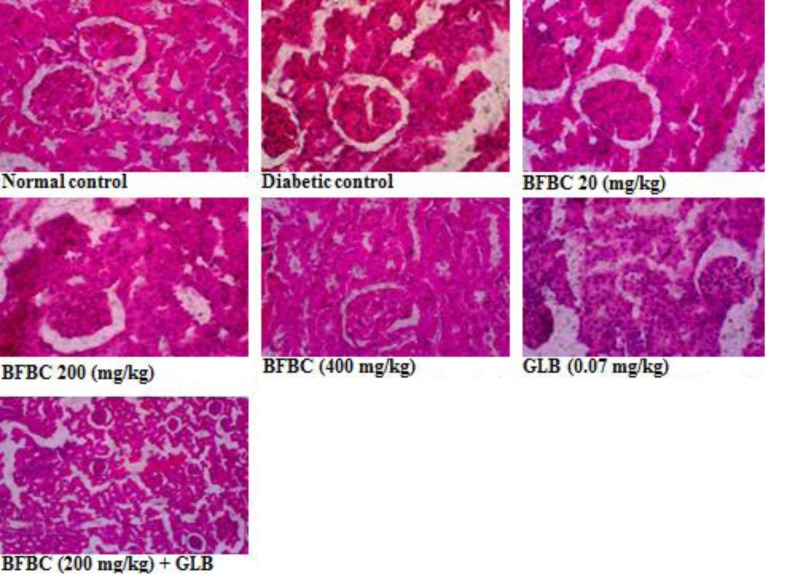
Recent studies have shown that Type 2 diabetes (T2D) in rats can result through a synergy that links obesity to insulin resistance and β-cell dysfunction. The present study achieved T2D via high fructose (20%, p.o.), streptozotocin single dose (40 mg/kg, i.p.) (HFSTZ) in rats. Also, chemoprotective potential of butanol fraction of (BFBC) was demonstrated. Control normal and diabetic untreated (HFSTZ-induced T2D) rats received CM-cellulose (1 mg/kg, p.o.). Diabetic rats received intragastric BFBC (20, 200, 400 mg/kg), glibenclamide (0.07 mg/kg), and BFBC (200 mg/kg) plus glibenclamide treatments, respectively. 2,2-Diphenyl-1-picrylhydrazyl, nitric oxide radical, hydroxyl radical scavenging activities, and α-amylase inhibition were assessed. After 2 weeks of treatments, blood glucose levels, lipid profiles, renal and liver function, serum insulin as well as oxidative stress biomarkers were assessed. BFBC shows highest antioxidants and α-amylase inhibitory activities HFSTZ-induced T2D produced hyperglycemia (<0.05-0.001; F = 5.26-26.47), serum hyperinsulinemia (six-folds) plus elevated lipid peroxidation levels. Similarly, there were altered lipid profiles, liver and renal biomarker enzymes plus weight loss. BFBC administration alone or in combination with glibenclamide reversed T2D symptomatologies in treated animals, and improved body weights against control diabetic rats. antioxidant activities also improved while histological sections in treated rats show reduced tissue damage in pancreas, kidneys, liver, and heart, respectively. Oleic, stearic, 2-methyl-pyrrolidine-2-carboxylic, and n-hexadecanoic acids were present in BFBC in large quantities given GC-MS analysis. Overall, data from the present study suggest chemoprotective potentials of BFBC against HFSTZ-induced T2D rats.
最近的研究表明,肥胖与胰岛素抵抗和β细胞功能障碍之间的协同作用可导致大鼠 2 型糖尿病(T2D)。本研究通过高果糖(20%,口服)(HFSTZ)和链脲佐菌素单次剂量(40mg/kg,腹腔注射)(HFSTZ)在大鼠中实现了 T2D。此外,还证明了丁醇部分(BFBC)的化学保护潜力。对照正常和未经治疗的糖尿病(HFSTZ 诱导的 T2D)大鼠给予羧甲基纤维素(1mg/kg,口服)。糖尿病大鼠分别给予灌胃 BFBC(20、200、400mg/kg)、格列本脲(0.07mg/kg)和 BFBC(200mg/kg)加格列本脲治疗。评估了 2,2-二苯基-1-苦基肼基、一氧化氮自由基、羟基自由基清除活性和α-淀粉酶抑制活性。治疗 2 周后,评估血糖水平、血脂谱、肾功能和肝功能、血清胰岛素以及氧化应激生物标志物。BFBC 显示出最高的抗氧化和α-淀粉酶抑制活性 HFSTZ 诱导的 T2D 导致高血糖(<0.05-0.001;F=5.26-26.47)、血清高胰岛素血症(六倍)加上脂质过氧化水平升高。同样,脂质谱发生改变,肝和肾生物标志物酶以及体重减轻。BFBC 单独给药或与格列本脲联合给药可逆转治疗动物的 T2D 症状,并改善体重,与对照糖尿病大鼠相比。抗氧化活性也得到改善,而治疗大鼠的组织切片显示胰腺、肾脏、肝脏和心脏的组织损伤分别减少。GC-MS 分析表明 BFBC 中大量存在油酸、硬脂酸、2-甲基-吡咯烷-2-羧酸和正十六烷酸。总体而言,本研究的数据表明 BFBC 对 HFSTZ 诱导的 T2D 大鼠具有化学保护潜力。