Maffetone Philip B, Rivera-Dominguez Ivan, Laursen Paul B
Independent Researcher, Oracle, AZ, United States.
Research Assistant, San Diego, CA, United States.
Front Public Health. 2017 Jul 24;5:190. doi: 10.3389/fpubh.2017.00190. eCollection 2017.
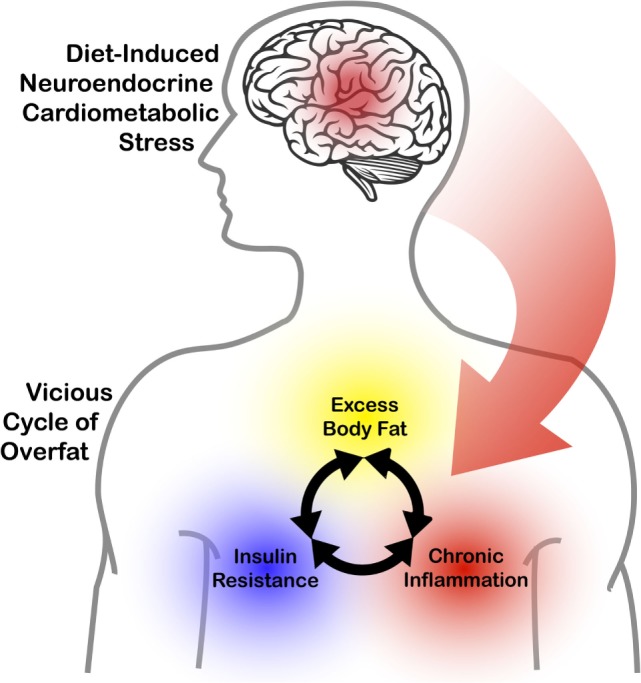
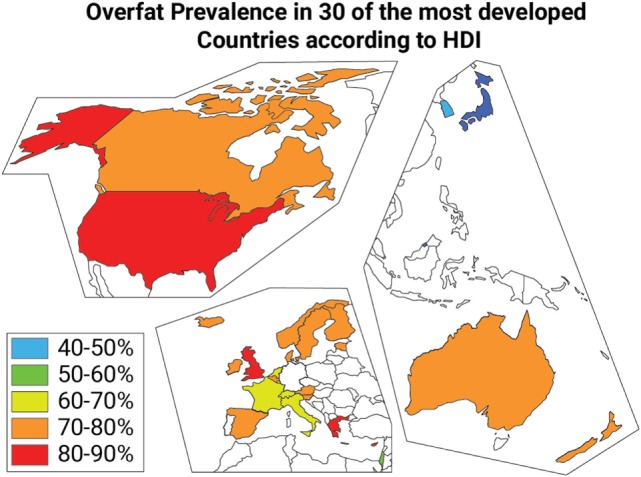
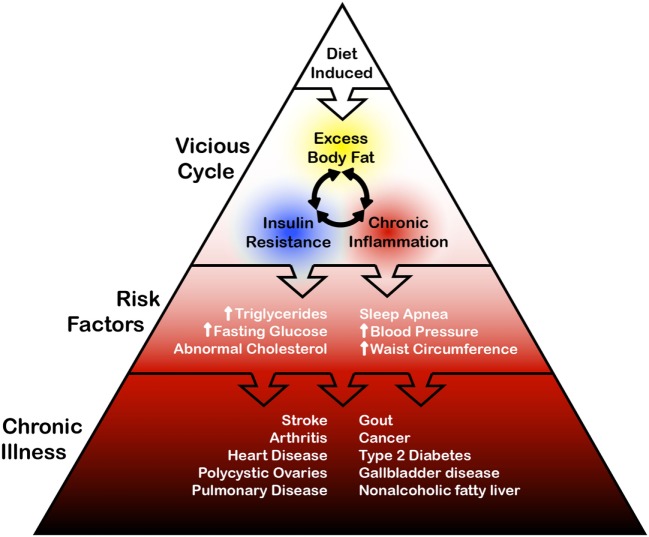
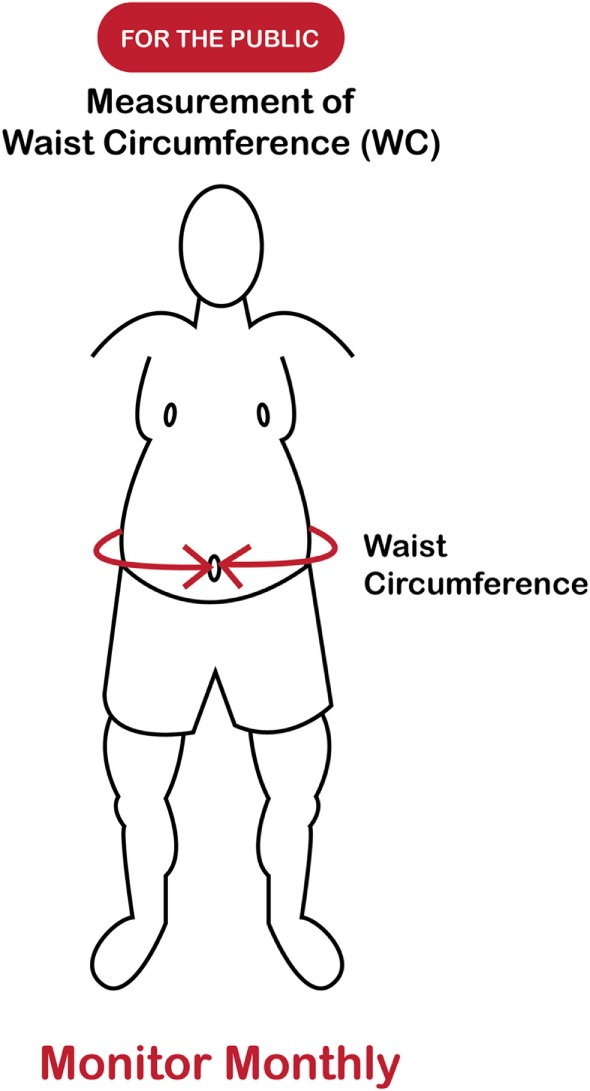
The global overfat pandemic is a serious public health crisis that places a substantial burden on economic resources in developed countries. The term refers to the presence of excess body fat that can impair health, even for normal weight non-obese individuals. Excess body fat is associated with cardiometabolic dysfunction, a clinical situation that can progressively worsen, potentially leading to various common disease risk factors, chronic diseases, increased morbidity and mortality, and reduced quality of life. The prevalence of overfat populations in 30 of the world's most developed countries is substantially higher than recent global estimations, with the largest growth due to a relatively recent increased number of people with excess abdominal fat. Abdominal overfat is the most unhealthful form of this condition, so it is concerning that average waist circumference measures, generally indicative of abdominal overfat, have increased. Despite a leveling off appearance of being overweight and/or obese in some developed countries, the overfat pandemic continues to grow.
全球超重流行是一场严重的公共卫生危机,给发达国家的经济资源带来了沉重负担。该术语指的是即使对于正常体重的非肥胖个体而言,过量体脂的存在也会损害健康。过量体脂与心脏代谢功能障碍有关,这种临床状况会逐渐恶化,有可能导致各种常见疾病风险因素、慢性病、发病率和死亡率增加以及生活质量下降。世界上30个最发达国家的超重人群患病率远高于近期的全球估计数,增长幅度最大的原因是近期腹部脂肪过多的人数有所增加。腹部超重是这种状况最不健康的形式,因此令人担忧的是,通常表明腹部超重的平均腰围有所增加。尽管在一些发达国家,超重和/或肥胖现象看似趋于平稳,但超重流行仍在继续。