INSERM, UMR-S 1124, F-75006, Paris, France.
Université Paris Descartes, Sorbonne Paris Cité, UMR-S 1124, F-75006, Paris, France.
Sci Rep. 2017 Aug 9;7(1):7671. doi: 10.1038/s41598-017-08110-x.
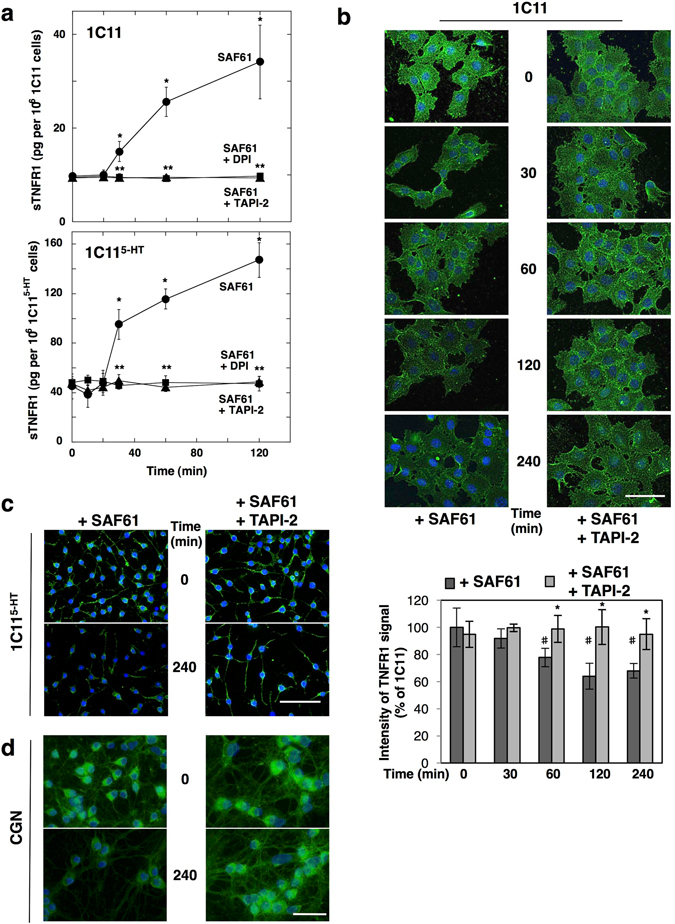
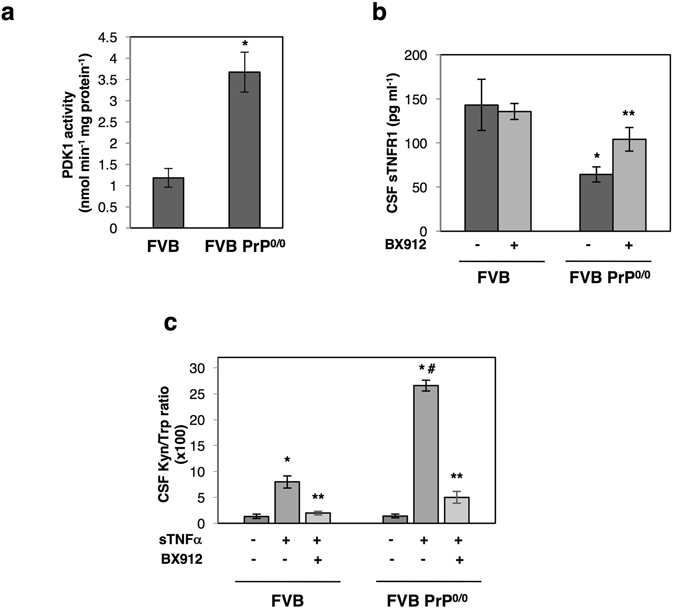
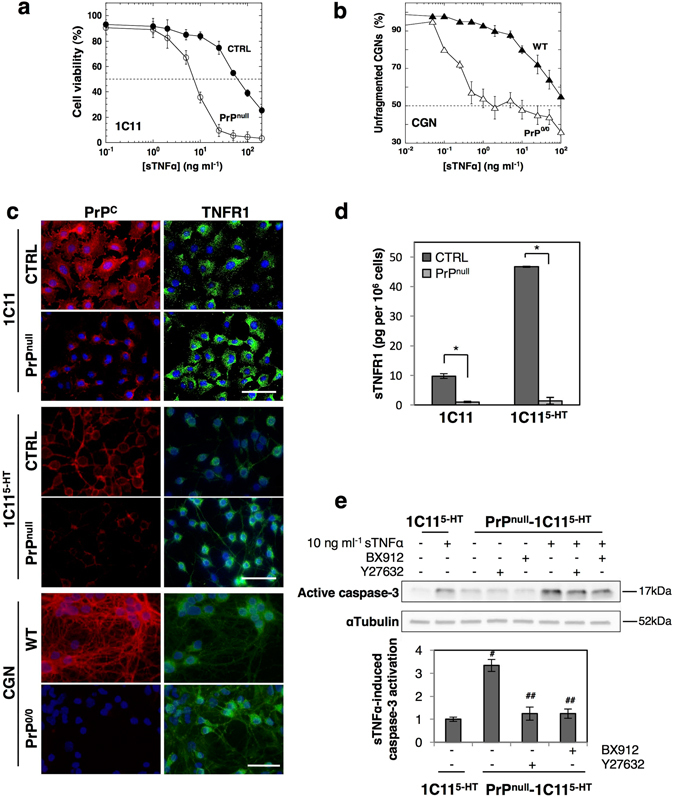
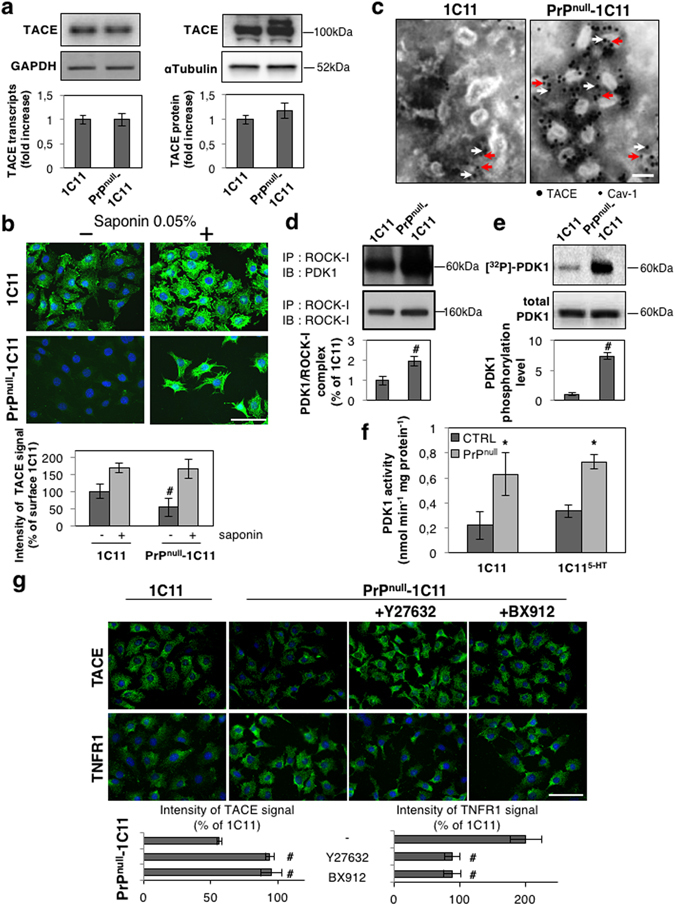
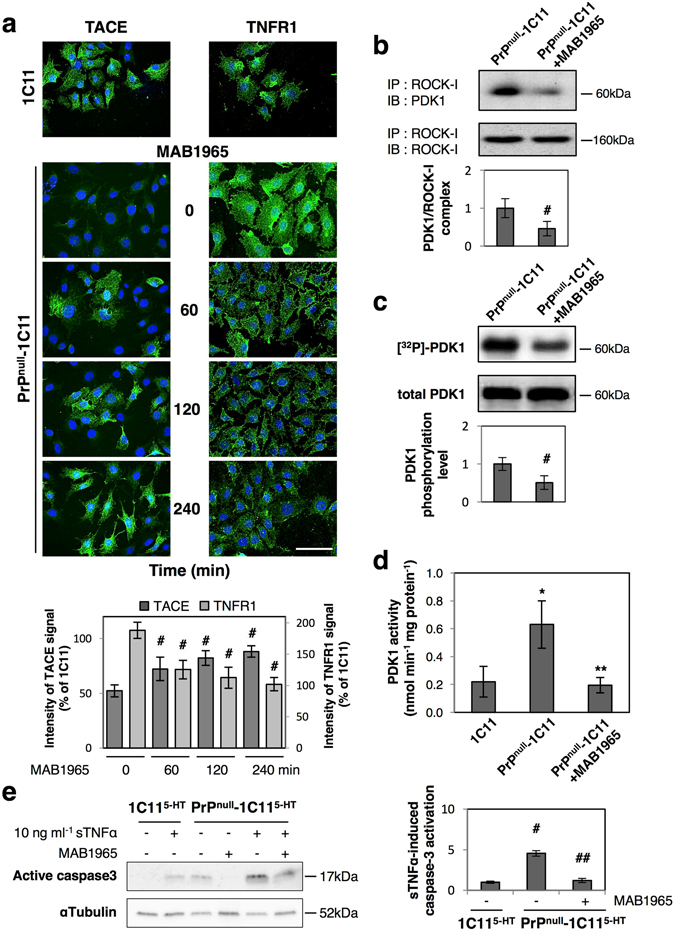
Although cellular prion protein PrP is well known for its implication in Transmissible Spongiform Encephalopathies, its functions remain elusive. Combining in vitro and in vivo approaches, we here show that PrP displays the intrinsic capacity to protect neuronal cells from a pro-inflammatory TNFα noxious insult. Mechanistically, PrP coupling to the NADPH oxidase-TACE α-secretase signaling pathway promotes TACE-mediated cleavage of transmembrane TNFα receptors (TNFRs) and the release of soluble TNFR, which limits the sensitivity of recipient cells to TNFα. We further show that PrP expression is necessary for TACE α-secretase to stay at the plasma membrane in an active state for TNFR shedding. Such PrP control of TACE localization depends on PrP modulation of β1 integrin signaling and downstream activation of ROCK-I and PDK1 kinases. Loss of PrP provokes TACE internalization, which in turn cancels TACE-mediated cleavage of TNFR and renders PrP-depleted neuronal cells as well as PrP knockout mice highly vulnerable to pro-inflammatory TNFα insult. Our work provides the prime evidence that in an inflammatory context PrP adjusts the response of neuronal cells targeted by TNFα through TACE α-secretase. Our data also support the view that abnormal TACE trafficking and activity in prion diseases originate from a-loss-of-PrP cytoprotective function.
尽管细胞朊蛋白 PrP 因其在传染性海绵状脑病中的作用而广为人知,但它的功能仍不清楚。通过结合体外和体内方法,我们在这里显示 PrP 具有内在的能力,可以保护神经元细胞免受促炎 TNFα 的有害侵袭。从机制上讲,PrP 与 NADPH 氧化酶-TACE α-分泌酶信号通路偶联,促进 TACE 介导的跨膜 TNFα 受体(TNFR)的切割和可溶性 TNFR 的释放,从而限制了受体细胞对 TNFα 的敏感性。我们进一步表明,PrP 表达对于 TACE α-分泌酶以活性状态留在质膜上以进行 TNFR 脱落是必需的。PrP 对 TACE 定位的这种控制取决于 PrP 对 β1 整合素信号的调节以及下游 ROCK-I 和 PDK1 激酶的激活。PrP 的缺失会引发 TACE 内化,这反过来又会取消 TACE 介导的 TNFR 切割,并使 PrP 耗尽的神经元细胞和 PrP 敲除小鼠对促炎 TNFα 非常敏感。我们的工作提供了主要证据,即在炎症环境中,PrP 通过 TACE α-分泌酶来调节 TNFα 靶向神经元细胞的反应。我们的数据还支持这样一种观点,即在朊病毒病中,异常的 TACE 运输和活性源于 PrP 细胞保护功能的丧失。