Campo Gianluca, Pavasini Rita, Morciano Giampaolo, Lincoff Michael A, C Gibson Michael, Kitakaze Masafumi, Lonborg Jacob, Ahluwalia Amrita, Ishii Hideki, Frenneaux Michael, Ovize Michel, Galvani Marcello, Atar Dan, Ibanez Borja, Cerisano Giampaolo, Biscaglia Simone, Neil Brandon J, Asakura Masanori, Engstrom Thomas, Jones Daniel A, Dawson Dana, Ferrari Roberto, Pinton Paolo, Ottani Filippo
Cardiology Unit, Azienda Ospedaliero-Universitaria di Ferrara, Cona, FE, Italy.
Department of Morphology, Surgery and Experimental Medicine. Section of Pathology, Oncology and Experimental Biology, University of Ferrara, Ferrara, Italy.
Data Brief. 2017 Jul 18;14:197-205. doi: 10.1016/j.dib.2017.07.033. eCollection 2017 Oct.
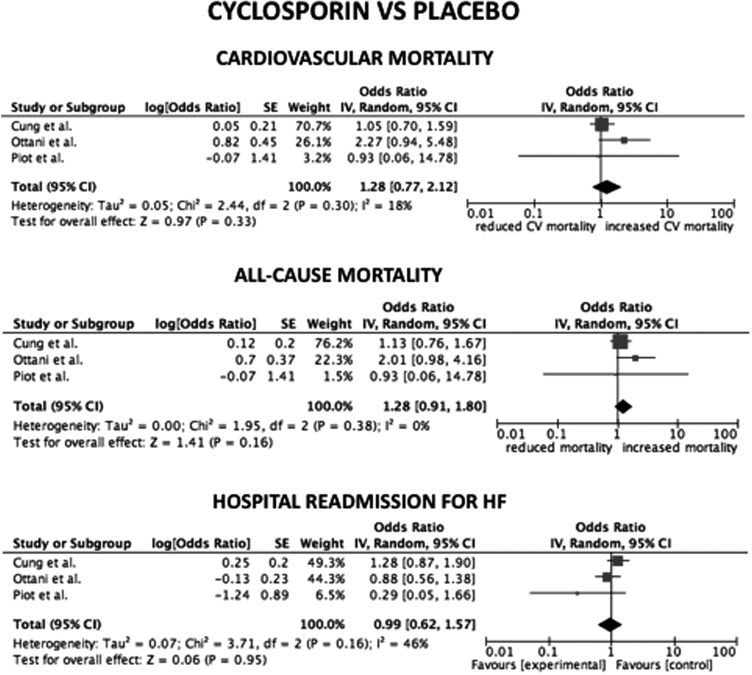
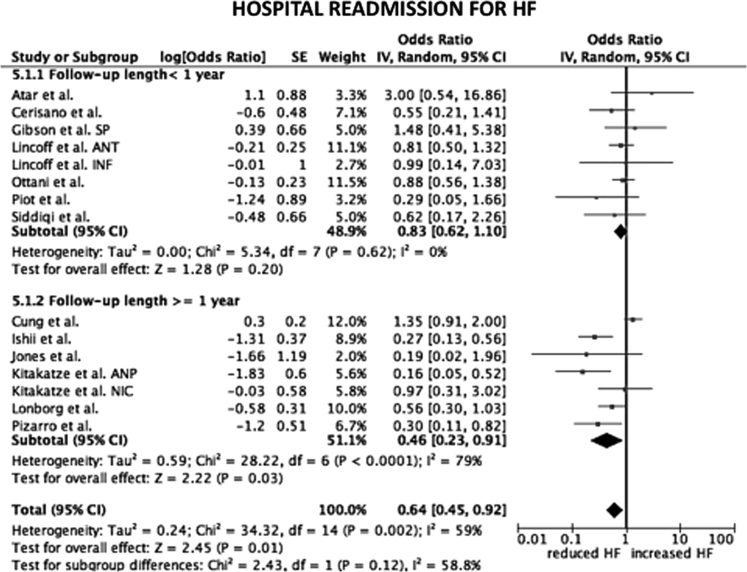
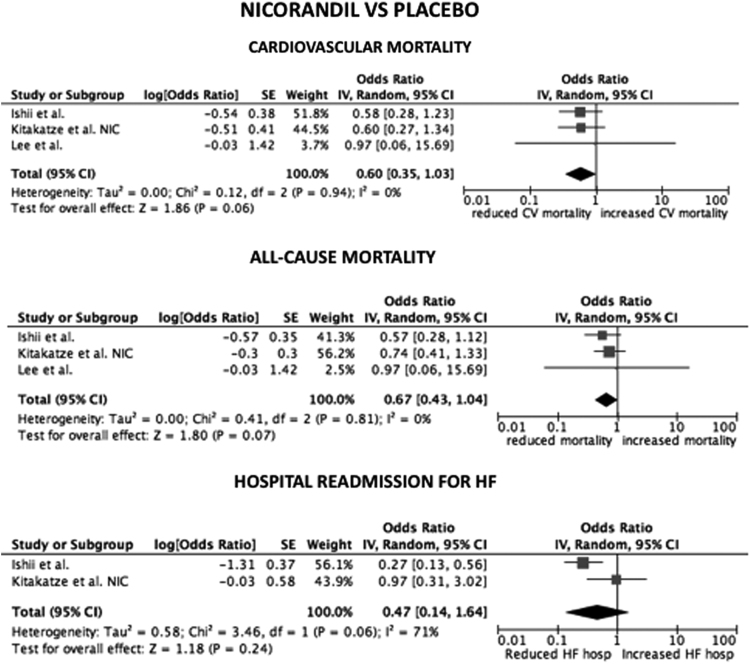
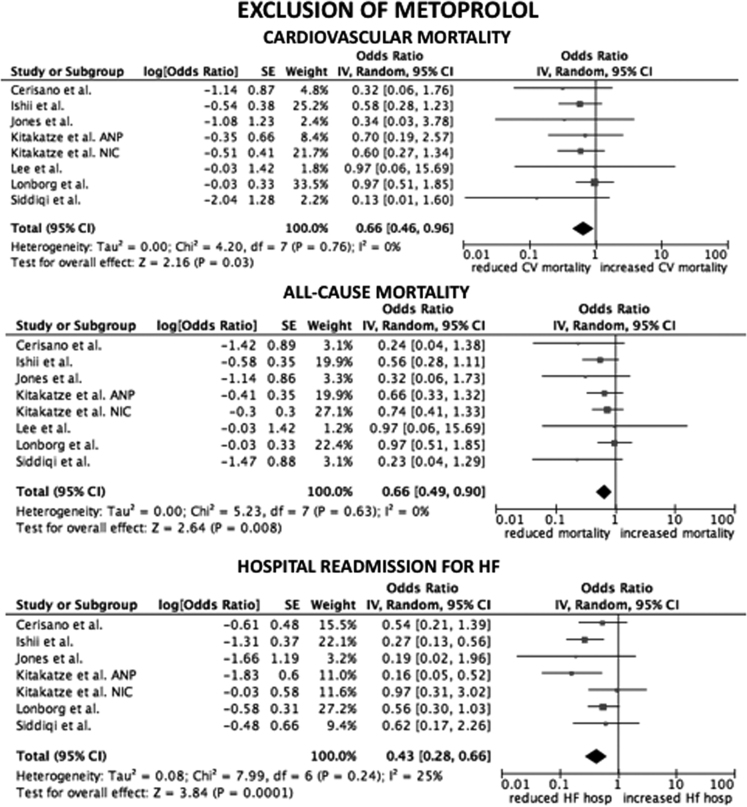
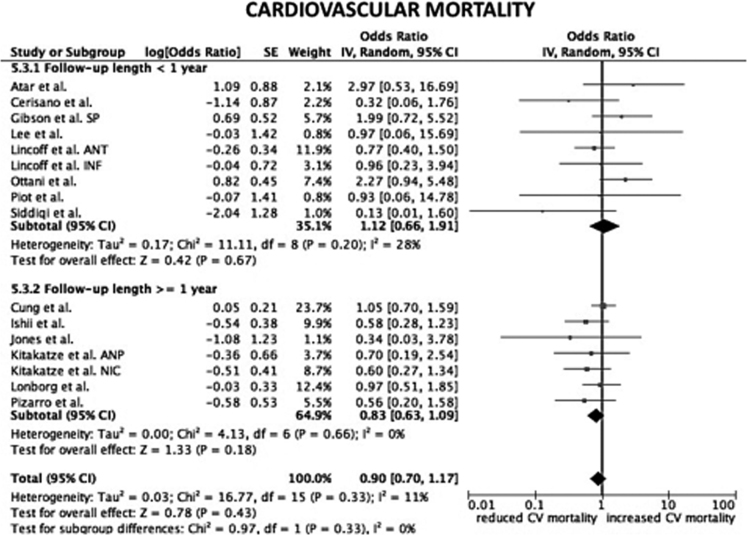
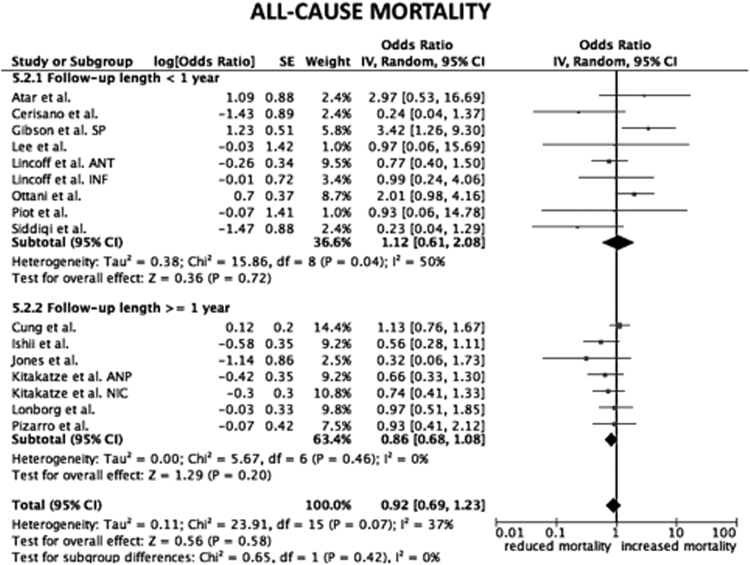
Mortality and morbidity in patients with ST elevation myocardial infarction (STEMI) treated with primary percutaneous coronary intervention (PCI) are still high [1]. A huge amount of the myocardial damage is related to the mitochondrial events happening during reperfusion [2]. Several drugs directly and indirectly targeting mitochondria have been administered at the time of the PCI and their effect on fatal (all-cause mortality, cardiovascular (CV) death) and non fatal (hospital readmission for heart failure (HF)) outcomes have been tested showing conflicting results [3], [4], [5], [6], [7], [8], [9], [10], [11], [12], [13], [14], [15], [16]. Data from 15 trials have been pooled with the aim to analyze the effect of drug administration versus placebo on outcome [17]. Subgroup analysis are here analyzed: considering only randomized clinical trial (RCT) on cyclosporine or nicorandil [3], [4], [5], [9], [10], [11], excluding a trial on metoprolol [12] and comparing trial with follow-up length <12 months versus those with longer follow-up [3], [4], [5], [6], [7], [8], [9], [10], [11], [12], [13], [14], [15], [16]. This article describes data related article titled "Clinical Benefit of Drugs Targeting Mitochondrial Function as an Adjunct to Reperfusion in ST-segment Elevation Myocardial Infarction: a Meta-Analysis of Randomized Clinical Trials" [17].
接受直接经皮冠状动脉介入治疗(PCI)的ST段抬高型心肌梗死(STEMI)患者的死亡率和发病率仍然很高[1]。大量心肌损伤与再灌注期间发生的线粒体事件有关[2]。在PCI时已经使用了几种直接和间接靶向线粒体的药物,并且已经测试了它们对致命(全因死亡率、心血管(CV)死亡)和非致命(因心力衰竭(HF)再次入院)结局的影响,结果相互矛盾[3,4,5,6,7,8,9,10,11,12,13,14,15,16]。汇总了15项试验的数据,旨在分析药物给药与安慰剂对结局的影响[17]。这里进行亚组分析:仅考虑关于环孢素或尼可地尔的随机临床试验(RCT)[3,4,5,9,10,11],排除一项关于美托洛尔的试验[12],并比较随访时间<12个月的试验与随访时间更长的试验[3,4,5,6,7,8,9,10,11,12,13,14,15,16]。本文描述了与题为“靶向线粒体功能的药物作为ST段抬高型心肌梗死再灌注辅助治疗的临床益处:随机临床试验的荟萃分析”的文章相关的数据[17]。