Berends Anne C, de Mello Donega Celso
Condensed Matter and Interfaces, Debye Institute for Nanomaterials Science, Utrecht University , P.O. Box 80 000, 3508 TA Utrecht, The Netherlands.
J Phys Chem Lett. 2017 Sep 7;8(17):4077-4090. doi: 10.1021/acs.jpclett.7b01640. Epub 2017 Aug 16.
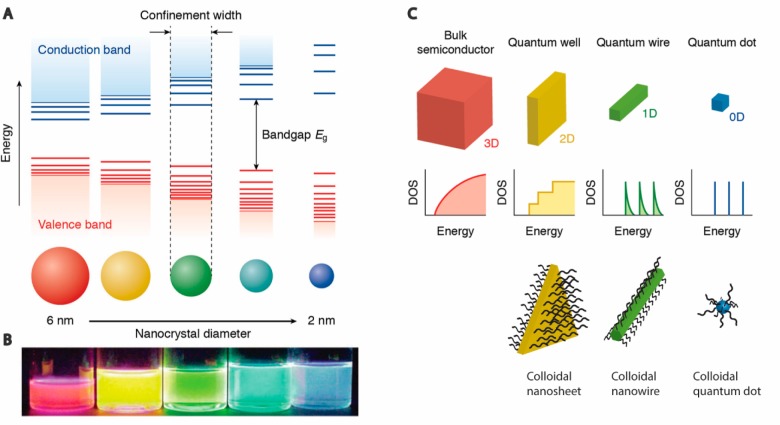
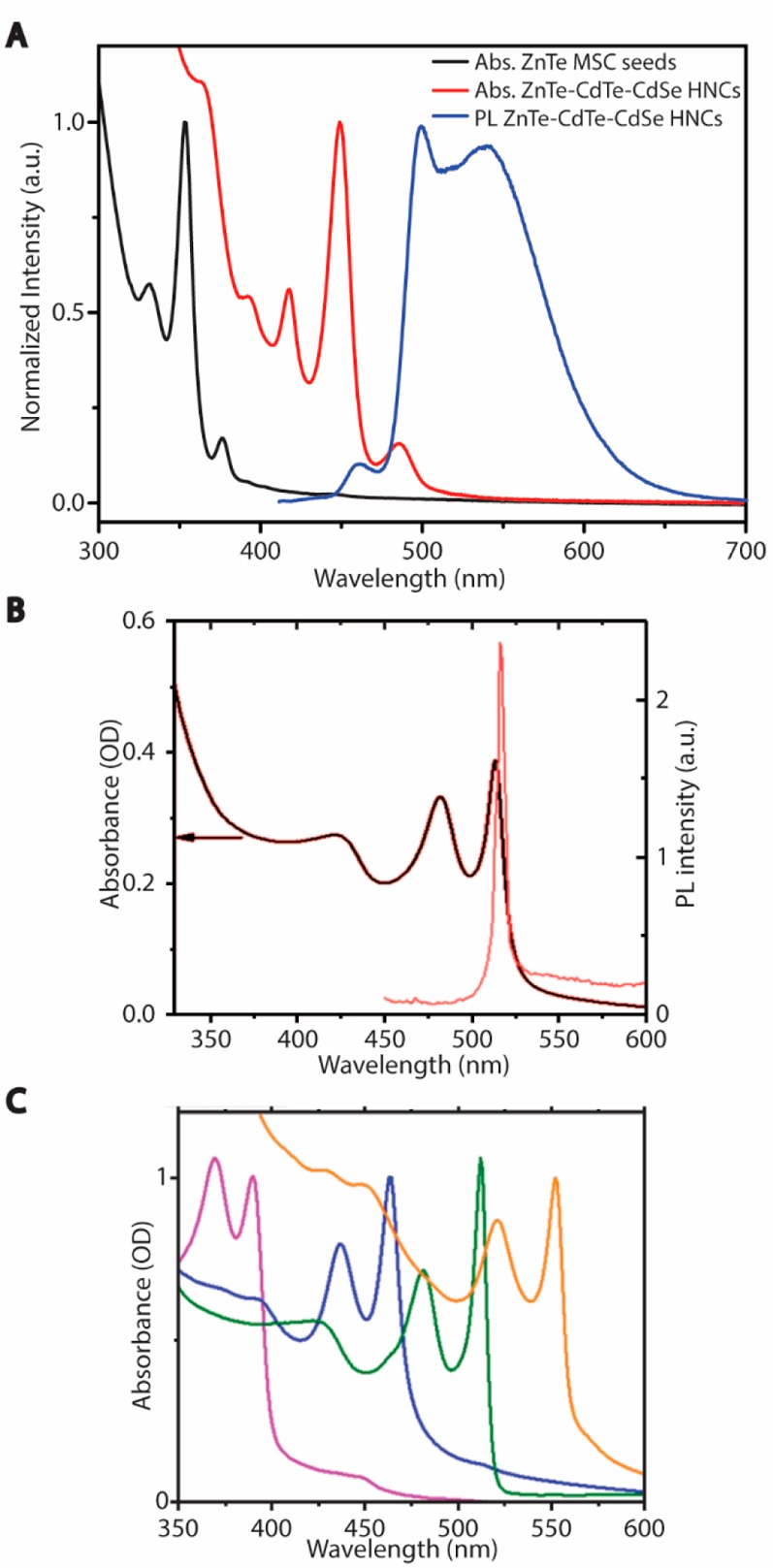
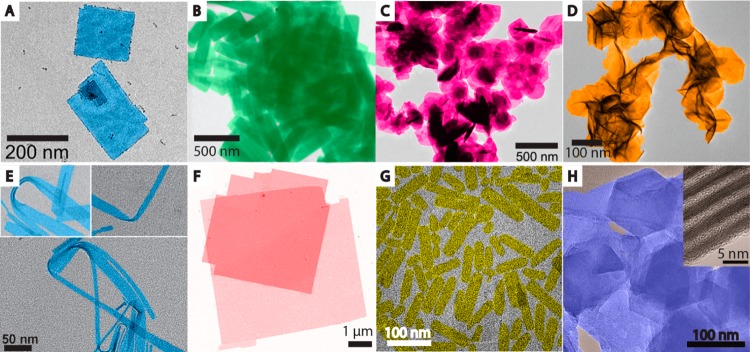
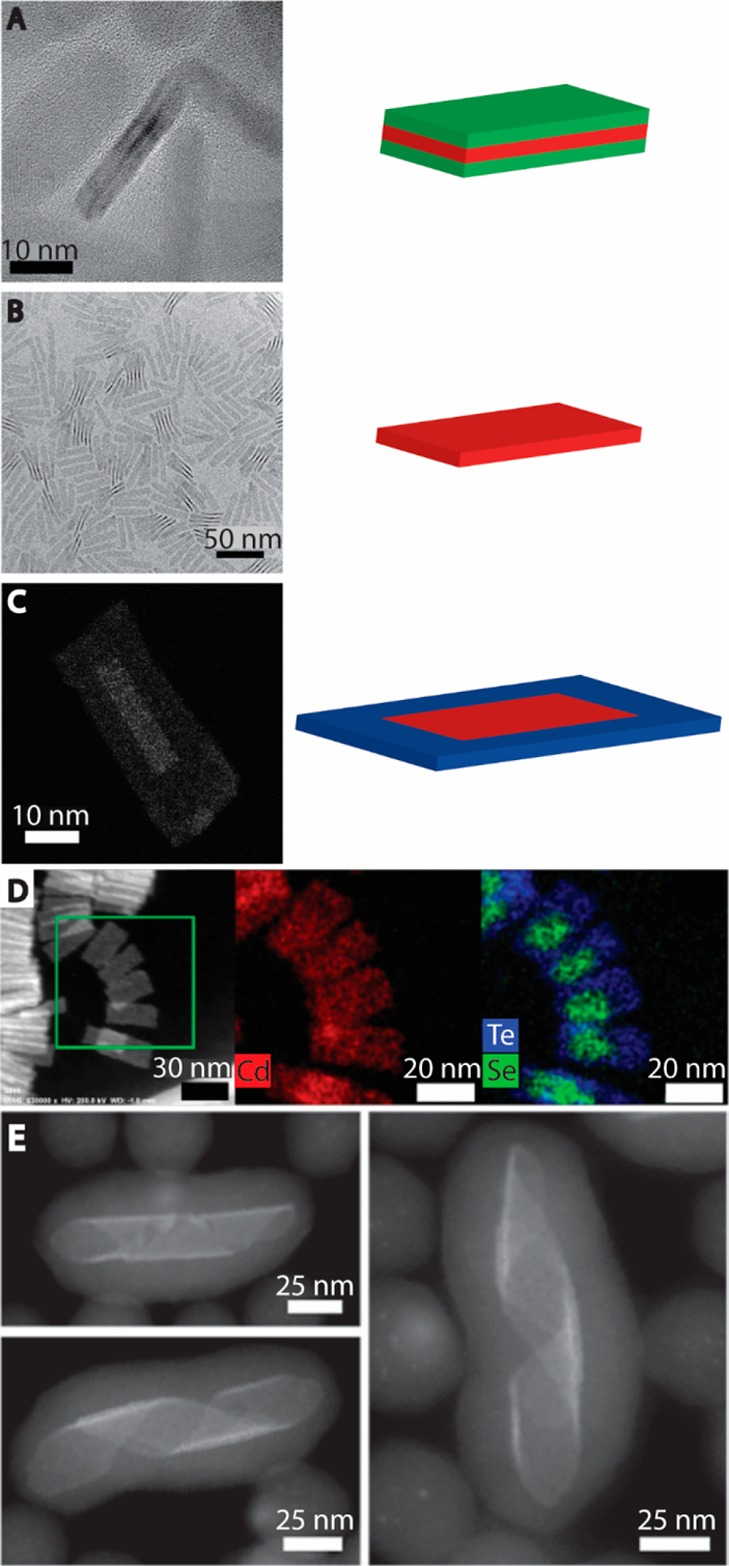
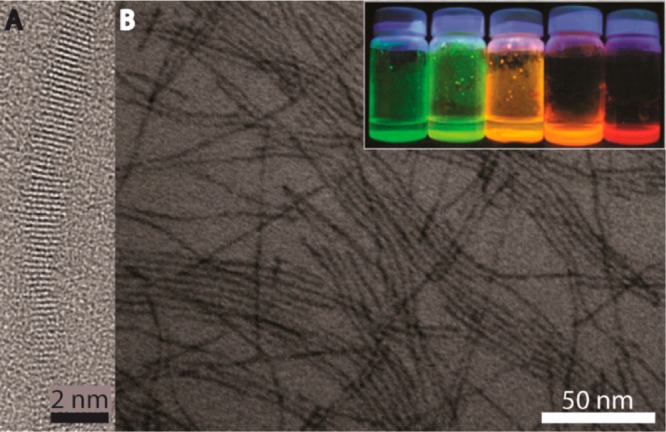
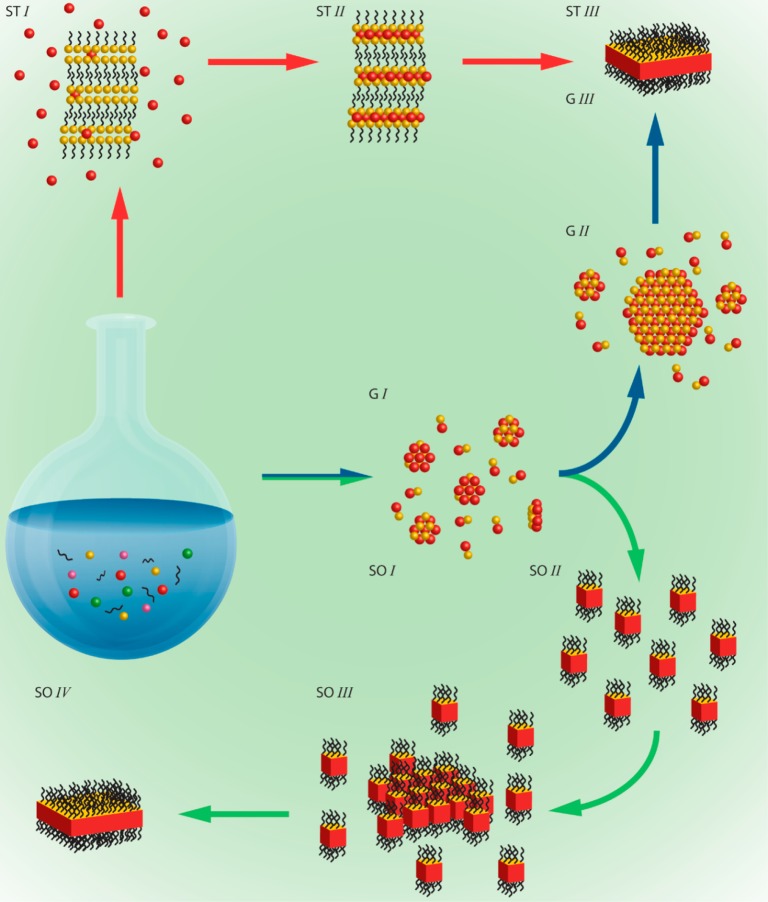
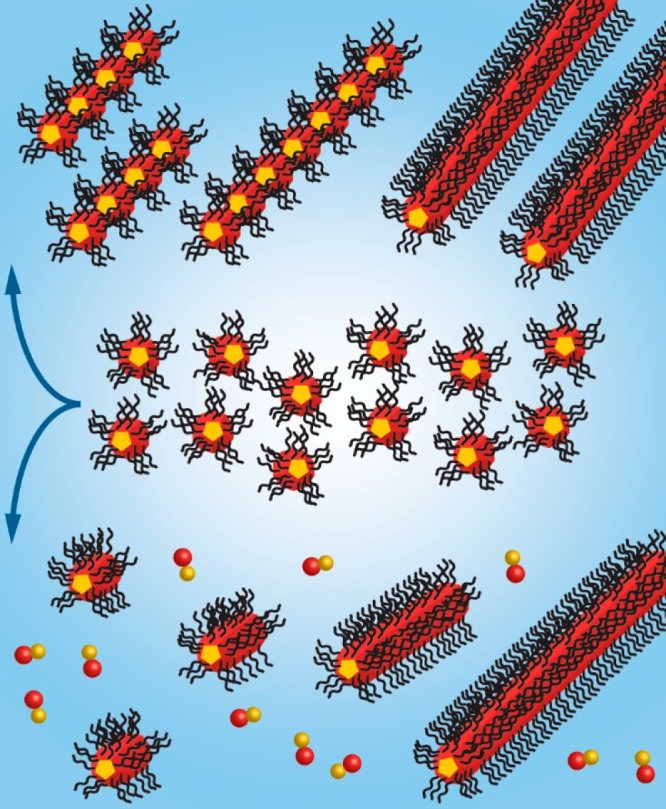
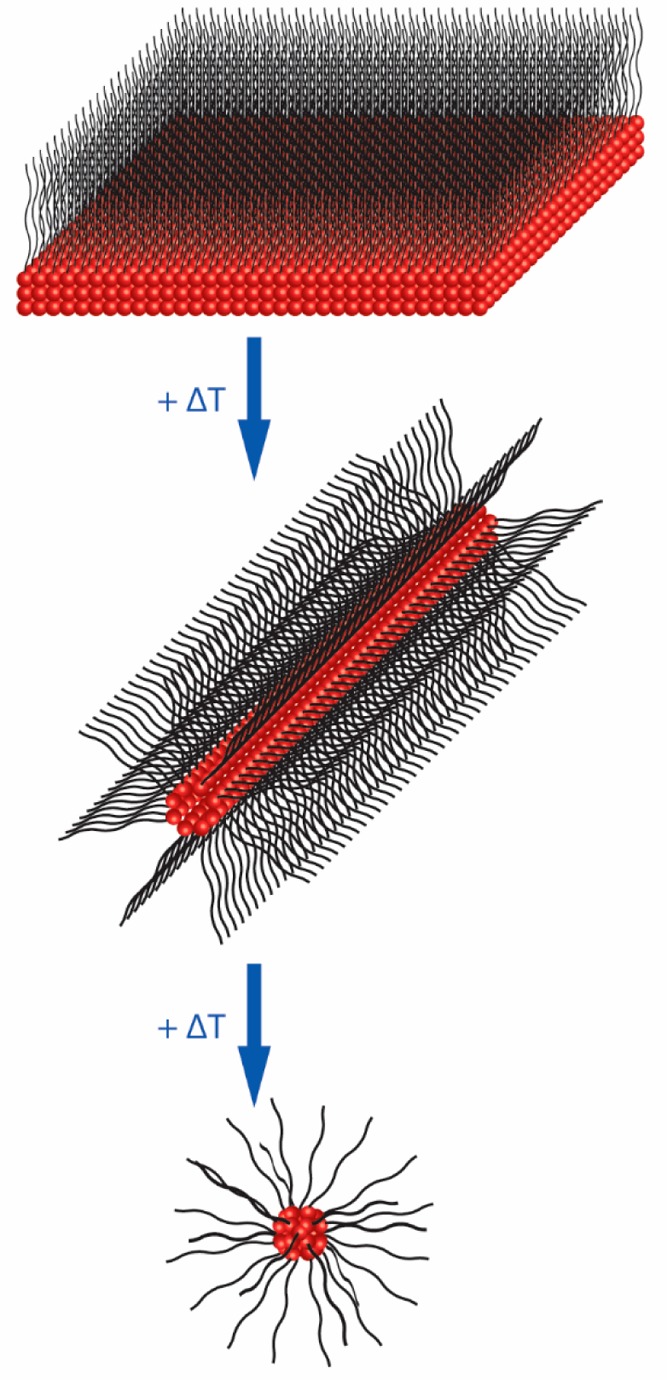
Research on ultrathin nanomaterials is one of the fastest developing areas in contemporary nanoscience. The field of ultrathin one- (1D) and two-dimensional (2D) colloidal nanocrystals (NCs) is still in its infancy, but offers the prospect of production of ultrathin nanomaterials in liquid-phase at relatively low costs, with versatility in terms of composition, size, shape, and surface control. In this Perspective, the state of the art in the field is concisely outlined and critically discussed to highlight the essential concepts and challenges. We start by presenting a brief overview of the ultrathin colloidal 1D and 2D semiconductor NCs prepared to date, after which the synthesis strategies and formation mechanisms of both 1D and 2D NCs are discussed. The properties of these low-dimensional materials are then reviewed, with emphasis on the optical properties of luminescent NCs. Finally, the future prospects for the field are addressed.
超薄纳米材料的研究是当代纳米科学中发展最快的领域之一。超薄一维(1D)和二维(2D)胶体纳米晶体(NCs)领域仍处于起步阶段,但它提供了以相对低成本在液相中生产超薄纳米材料的前景,在组成、尺寸、形状和表面控制方面具有多样性。在这篇综述文章中,我们简要概述并批判性地讨论了该领域的现状,以突出基本概念和挑战。我们首先简要介绍了迄今为止制备的超薄胶体1D和2D半导体NCs,然后讨论了1D和2D NCs的合成策略和形成机制。接着回顾了这些低维材料的性质,重点是发光NCs的光学性质。最后,探讨了该领域的未来前景。