Jethwa Ashok R, Khariwala Samir S
Department of Otolaryngology-Head and Neck Surgery, University of Minnesota, MMC 396, 420 Delaware St SE, Minneapolis, MN, 55455, USA.
Cancer Metastasis Rev. 2017 Sep;36(3):411-423. doi: 10.1007/s10555-017-9689-6.
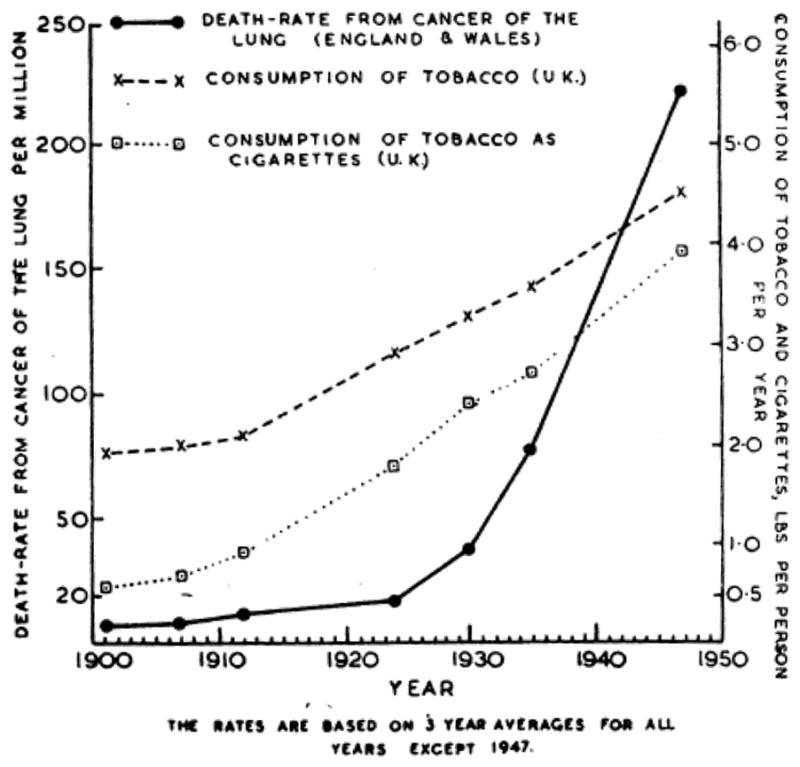
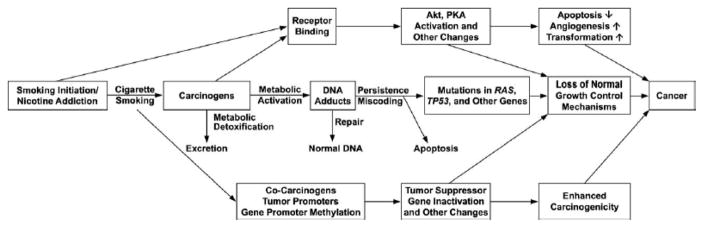
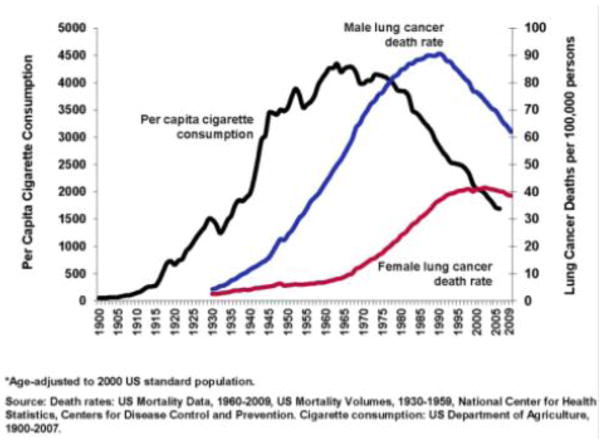
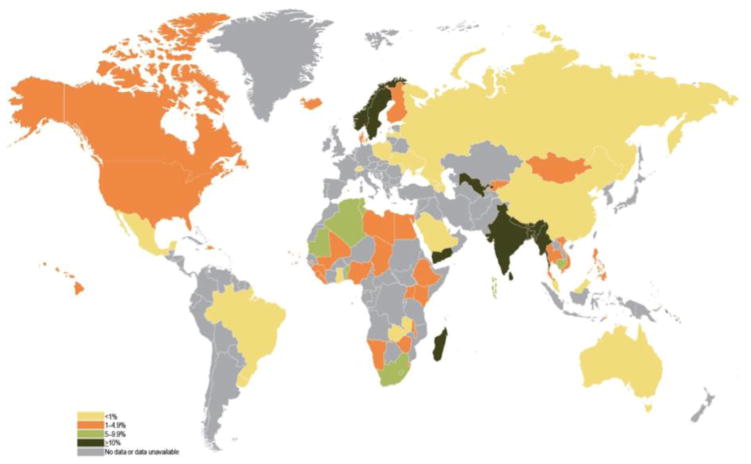
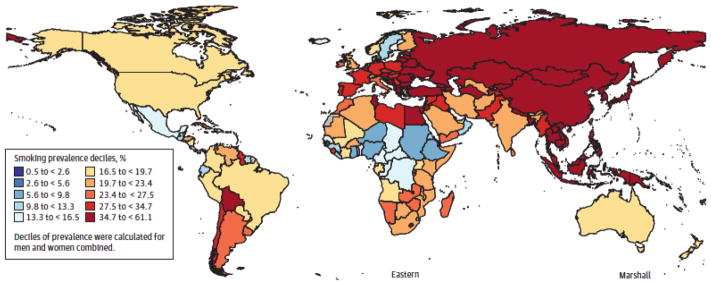
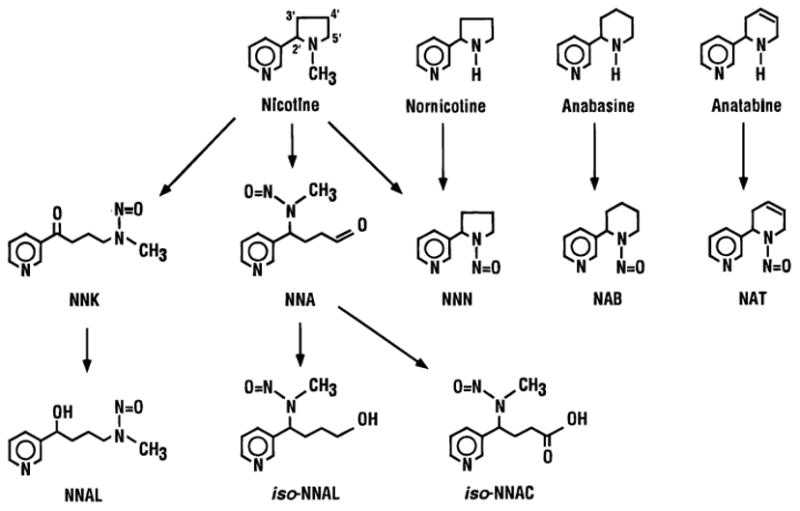
Head and neck cancer (head and neck squamous cell carcinoma (HNSCC)) is a devastating disease. Patients require intensive treatment that is often disfiguring and debilitating. Those who survive are often left with poor speech articulation, difficulties in chewing and swallowing, and cosmetic disfigurement, as well as loss of taste. Furthermore, given that HNSCC survivors are frequently disabled and unable to return to work, the economic and societal costs associated with HNSCC are massive. HNSCC is one of many cancers that are strongly associated with tobacco use. The risk for HNSCC in smokers is approximately ten times higher than that of never smokers, and 70-80% of new HNSCC diagnoses are associated with tobacco and alcohol use. Tobacco products have been used for centuries; however, it is just within the last 60-70 years that we have developed an understanding of their damaging effects. This relatively recent understanding has created a pathway towards educational and regulatory efforts aimed at reducing tobacco use. Understanding the carcinogenic components of tobacco products and how they lead to HNSCC is critical to regulatory and harm reduction measures. To date, nitrosamines and other carcinogenic agents present in tobacco products have been associated with cancer development. The disruption of DNA structure through DNA adduct formation is felt to be a common mutagenic pathway of many carcinogens. Intense work pertaining to tobacco product constituents, tobacco use, and tobacco regulation has resulted in decreased use in some parts of the world. Still, much work remains as tobacco continues to impart significant harm and contribute to HNSCC development worldwide.
头颈癌(头颈部鳞状细胞癌,即HNSCC)是一种极具破坏性的疾病。患者需要接受强化治疗,而这种治疗往往会导致容貌受损和身体衰弱。幸存者常常存在言语清晰度差、咀嚼和吞咽困难、容貌毁损以及味觉丧失等问题。此外,鉴于HNSCC幸存者经常残疾且无法重返工作岗位,与HNSCC相关的经济和社会成本巨大。HNSCC是与烟草使用密切相关的众多癌症之一。吸烟者患HNSCC的风险比从不吸烟者高出约十倍,新诊断的HNSCC病例中有70 - 80%与烟草和酒精使用有关。烟草制品已使用了几个世纪;然而,直到最近60 - 70年,我们才开始了解它们的有害影响。这种相对较新的认识为旨在减少烟草使用的教育和监管努力开辟了道路。了解烟草制品的致癌成分以及它们如何导致HNSCC对于监管和减少危害措施至关重要。迄今为止,烟草制品中存在的亚硝胺和其他致癌物质已被认为与癌症发展有关。通过DNA加合物形成破坏DNA结构被认为是许多致癌物常见的诱变途径。围绕烟草制品成分、烟草使用和烟草监管的大量工作已使世界某些地区的烟草使用量有所下降。尽管如此,由于烟草继续在全球造成重大危害并促使HNSCC发生,仍有许多工作要做。