Pérez-Rambla Clara, Puchades-Carrasco Leonor, García-Flores María, Rubio-Briones José, López-Guerrero José Antonio, Pineda-Lucena Antonio
Structural Biochemistry Laboratory, Centro de Investigación Príncipe Felipe, 46012 Valencia, Spain.
Laboratory of Molecular Biology, Fundación Instituto Valenciano de Oncología, 46009 Valencia, Spain.
Metabolomics. 2017;13(5):52. doi: 10.1007/s11306-017-1194-y. Epub 2017 Mar 9.
Prostate cancer (PCa) is one of the most common malignancies in men worldwide. Serum prostate specific antigen (PSA) level has been extensively used as a biomarker to detect PCa. However, PSA is not cancer-specific and various non-malignant conditions, including benign prostatic hyperplasia (BPH), can cause a rise in PSA blood levels, thus leading to many false positive results.
In this study, we evaluated the potential of urinary metabolomic profiling for discriminating PCa from BPH.
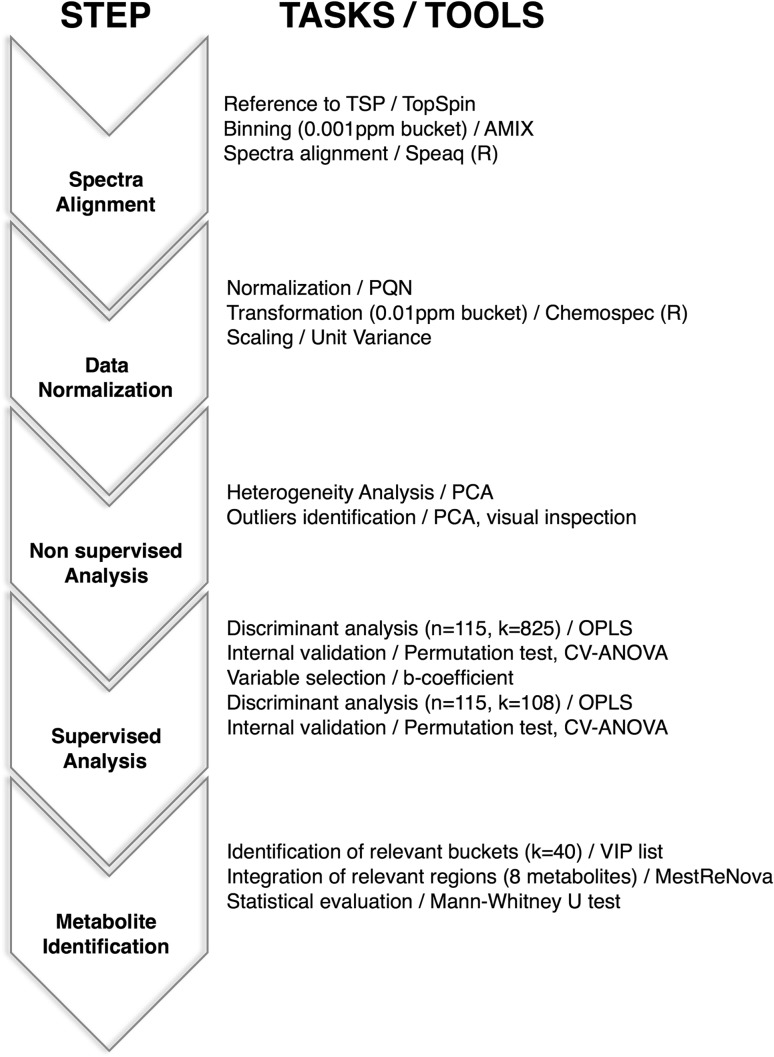
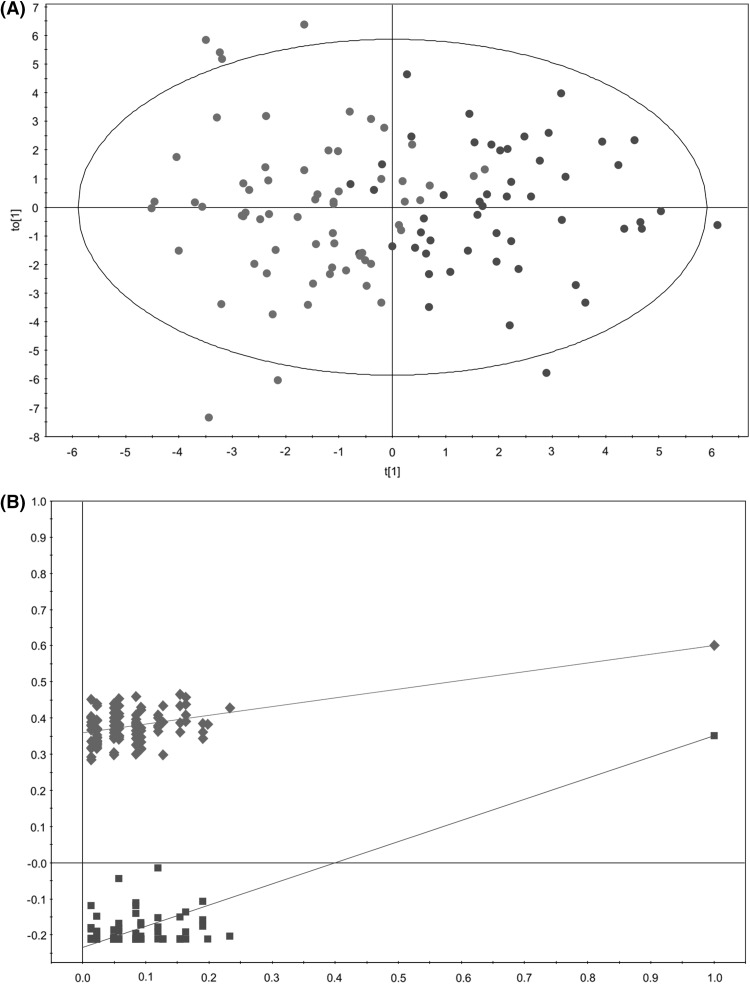
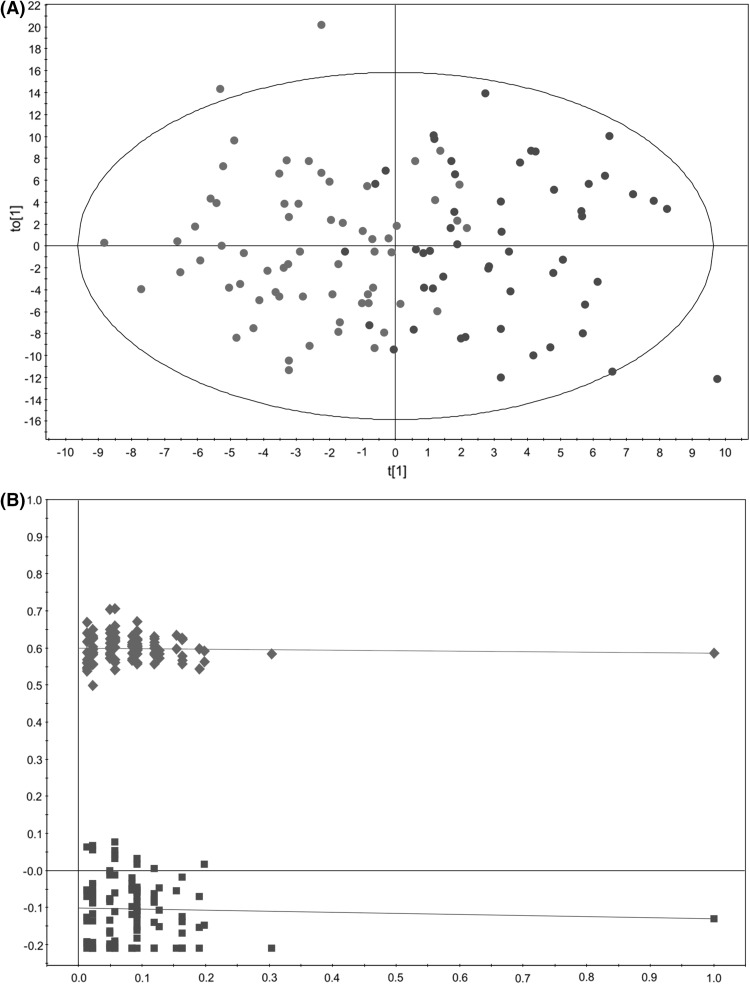
Urine samples from 64 PCa patients and 51 individuals diagnosed with BPH were analysed using H nuclear magnetic resonance (H-NMR). Comparative analysis of urinary metabolomic profiles was carried out using multivariate and univariate statistical approaches.
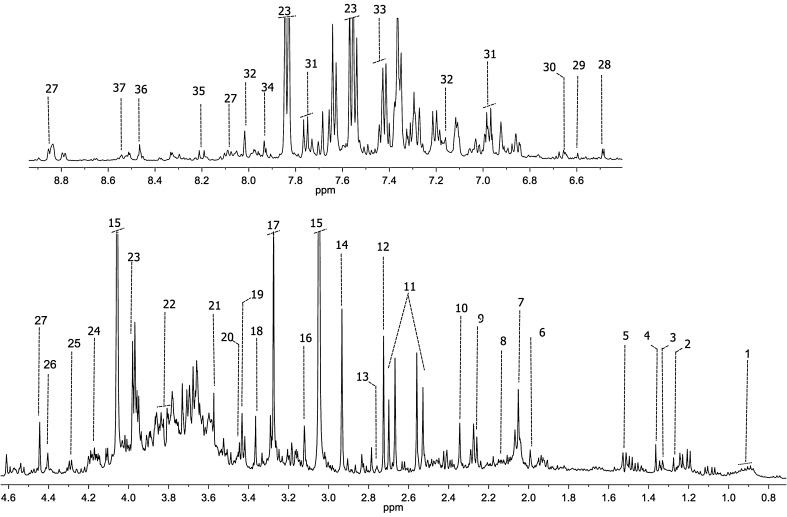
The urine metabolomic profile of PCa patients is characterised by increased concentrations of branched-chain amino acids (BCAA), glutamate and pseudouridine, and decreased concentrations of glycine, dimethylglycine, fumarate and 4-imidazole-acetate compared with individuals diagnosed with BPH.
PCa patients have a specific urinary metabolomic profile. The results of our study underscore the clinical potential of metabolomic profiling to uncover metabolic changes that could be useful to discriminate PCa from BPH in a clinical context.
前列腺癌(PCa)是全球男性中最常见的恶性肿瘤之一。血清前列腺特异性抗原(PSA)水平已被广泛用作检测PCa的生物标志物。然而,PSA并非癌症特异性的,各种非恶性疾病,包括良性前列腺增生(BPH),都可导致PSA血液水平升高,从而导致许多假阳性结果。
在本研究中,我们评估了尿液代谢组学分析在区分PCa和BPH方面的潜力。
使用氢核磁共振(H-NMR)分析了64例PCa患者和51例诊断为BPH的个体的尿液样本。采用多变量和单变量统计方法对尿液代谢组学谱进行比较分析。
与诊断为BPH的个体相比,PCa患者的尿液代谢组学谱的特征是支链氨基酸(BCAA)、谷氨酸和假尿苷浓度增加,而甘氨酸、二甲基甘氨酸、富马酸和4-咪唑乙酸浓度降低。
PCa患者具有特定的尿液代谢组学谱。我们的研究结果强调了代谢组学分析在揭示代谢变化方面的临床潜力,这些代谢变化在临床背景下可能有助于区分PCa和BPH。