Zhang Liang-Liang, Zhang Li-Fang, Xu Jian-Guo, Hu Qing-Ping
School of Chemistry and Material Science, Shanxi Normal University, Linfen, China.
School of Food Science, Shanxi Normal University, Linfen, China.
Food Nutr Res. 2017 Jul 18;61(1):1353356. doi: 10.1080/16546628.2017.1353356. eCollection 2017.
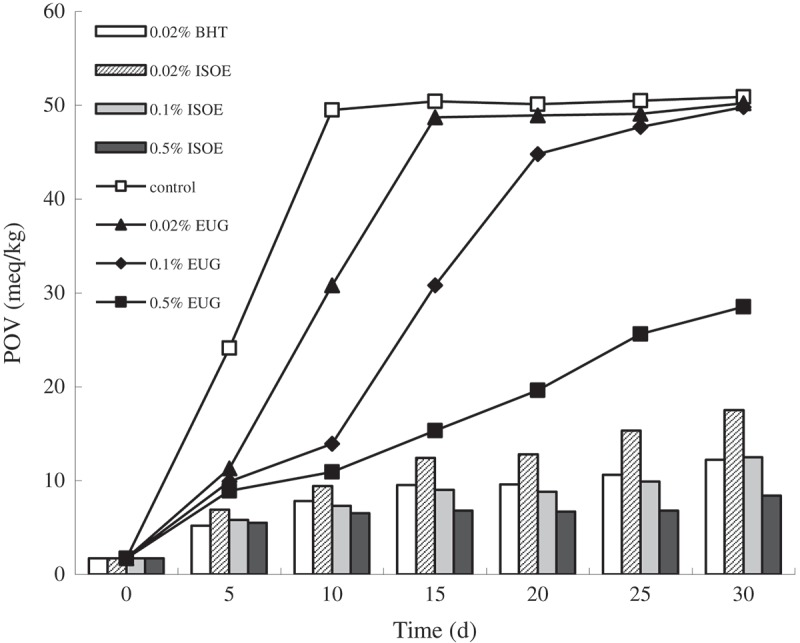
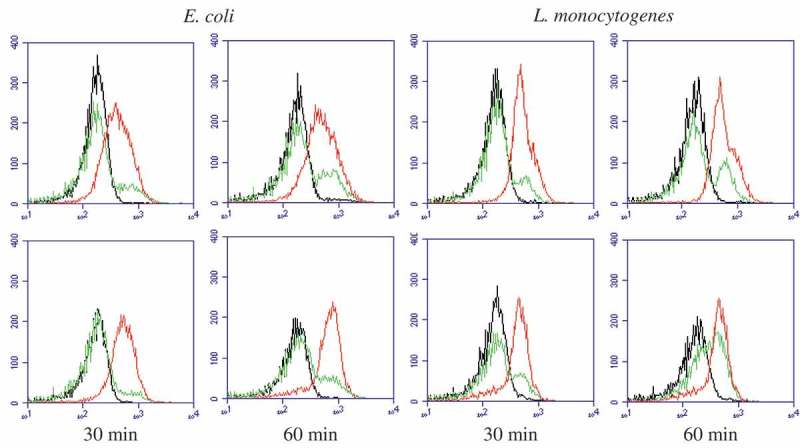
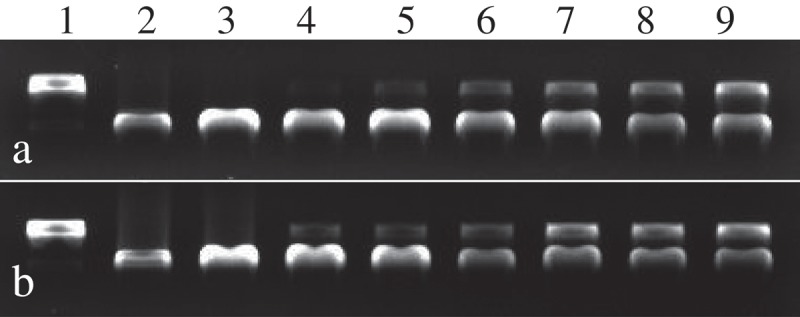
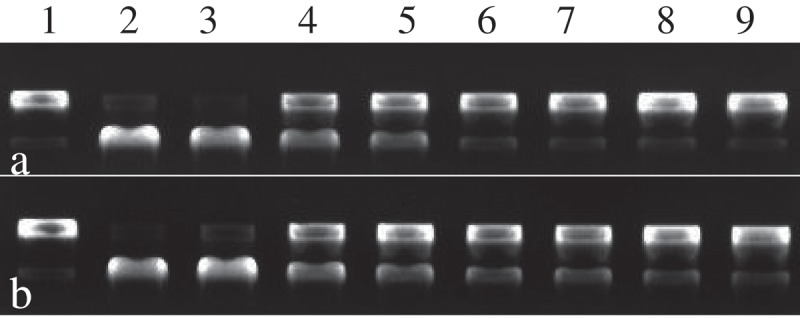
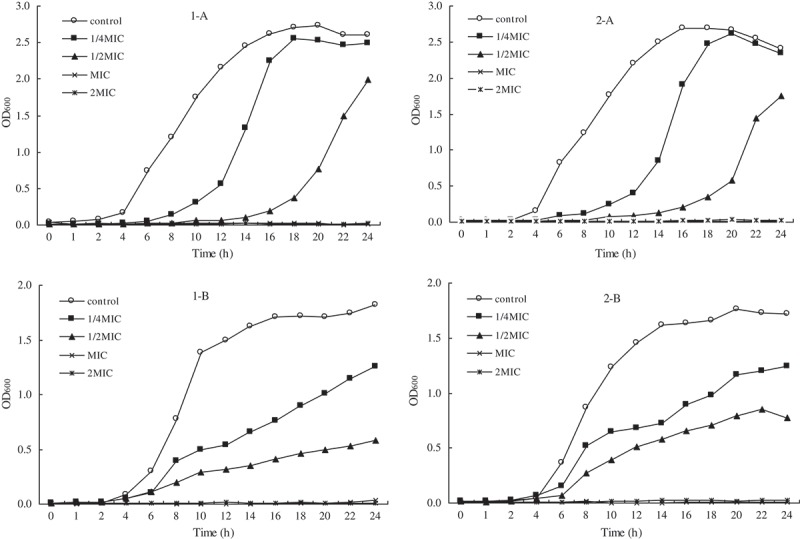
Eugenol and its isomer isoeugenol are both used as flavouring agents or food additives in food products, and have both some similar biological properties. However, the difference in biological activities between eugenol and isoeugenol is rarely studied. In this study, the profiles of antioxidant, DNA-protective effects and antibacterial activities of eugenol and isoeugenol against several common foodborne pathogens were investigated and compared under various experiment conditions. Results showed that eugenol and isoeugenol had strong antioxidant activity, the protective effect against DNA damage and antibacterial activity. In addition, it was found that isoeugenol exhibited the higher biological activities mentioned above than eugenol, which was because isoeugenol had a carbon-carbon double bond closer to the benzene ring compared with eugenol. However, the specific reason needs to be further studied.
丁香酚及其异构体异丁香酚均用作食品中的调味剂或食品添加剂,且二者具有一些相似的生物学特性。然而,丁香酚和异丁香酚之间的生物活性差异鲜有研究。在本研究中,考察并比较了丁香酚和异丁香酚在不同实验条件下对几种常见食源性病原体的抗氧化、DNA保护作用及抗菌活性。结果表明,丁香酚和异丁香酚具有较强的抗氧化活性、对DNA损伤的保护作用及抗菌活性。此外,发现异丁香酚在上述生物学活性方面表现高于丁香酚,这是因为与丁香酚相比,异丁香酚具有一个更靠近苯环的碳碳双键。然而,具体原因有待进一步研究。