Matsuda Shinji, Hammaker Deepa, Topolewski Katharyn, Briegel Karoline J, Boyle David L, Dowdy Steven, Wang Wei, Firestein Gary S
Division of Rheumatology, Allergy and Immunology, University of California San Diego School of Medicine, La Jolla, CA 92093.
Department of Surgery, University of Miami Miller School of Medicine, Miami, FL 33136.
J Immunol. 2017 Oct 1;199(7):2316-2322. doi: 10.4049/jimmunol.1700719. Epub 2017 Aug 14.
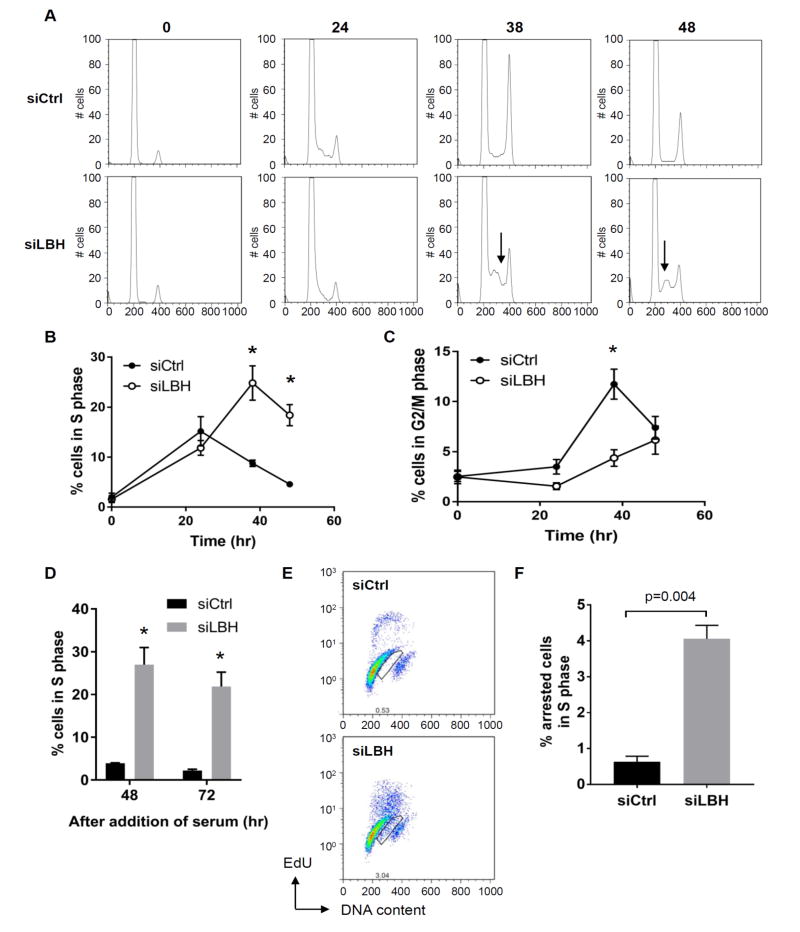
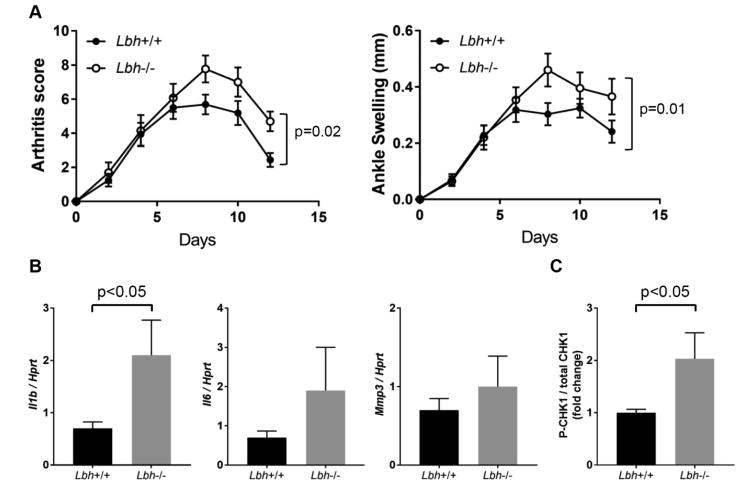
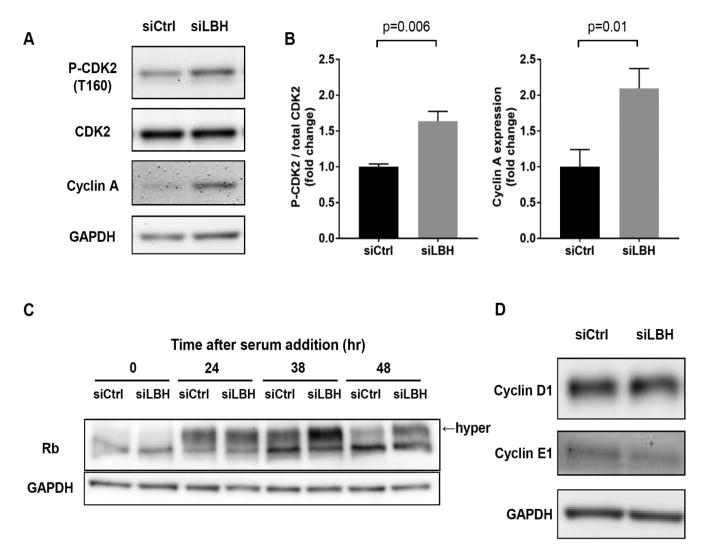
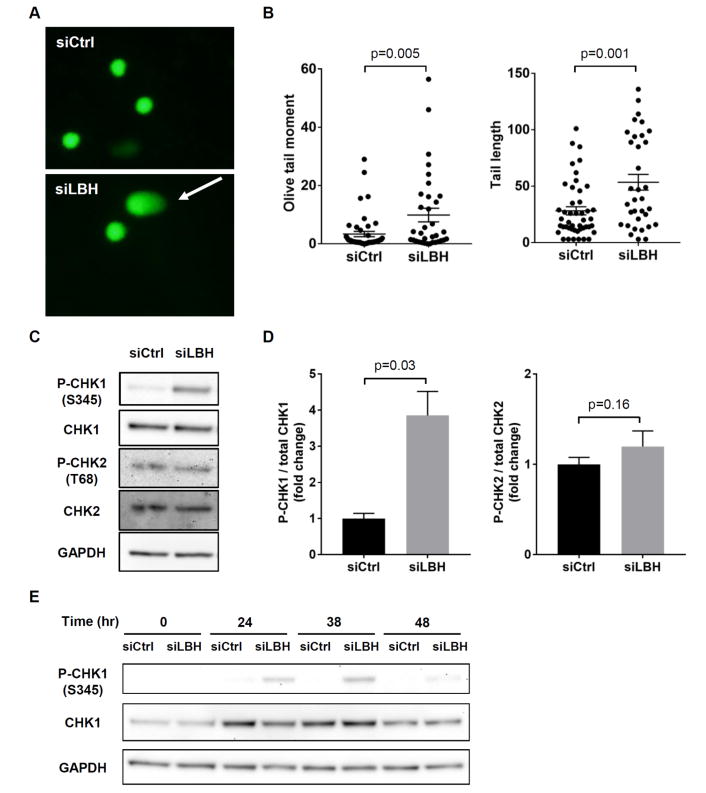
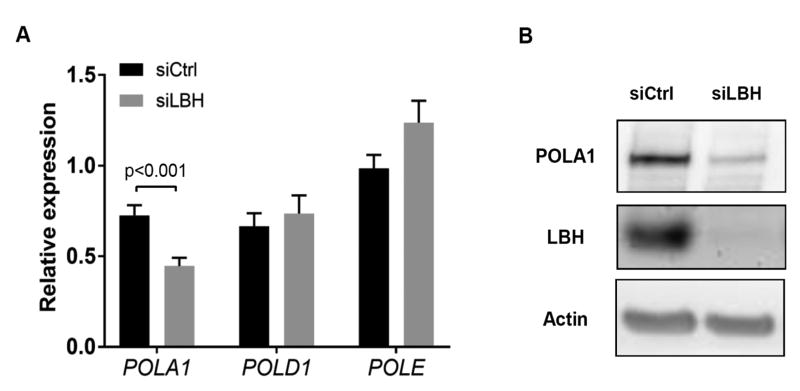
Rheumatoid arthritis (RA) fibroblast-like synoviocytes (FLS) display unique aggressive behavior, invading the articular cartilage and promoting inflammation. Using an integrative analysis of RA risk alleles, the transcriptome and methylome in RA FLS, we recently identified the limb bud and heart development () gene as a key dysregulated gene in RA and other autoimmune diseases. Although some evidence suggests that LBH could modulate the cell cycle, the precise mechanism is unknown and its impact on inflammation in vivo has not been defined. Our cell cycle analysis studies show that LBH deficiency in FLS leads to S-phase arrest and failure to progress through the cell cycle. LBH-deficient FLS had increased DNA damage and reduced expression of the catalytic subunit of DNA polymerase α. Decreased DNA polymerase α was followed by checkpoint arrest due to phosphorylation of checkpoint kinase 1. Because DNA fragments can increase arthritis severity in preclinical models, we then explored the effect of LBH deficiency in the K/BxN serum transfer model. knockout exacerbated disease severity, which is associated with elevated levels of IL-1β and checkpoint kinase 1 phosphorylation. These studies indicate that LBH deficiency induces S-phase arrest that, in turn, exacerbates inflammation. Because gene variants are associated with type I diabetes mellitus, systemic lupus erythematosus, RA, and celiac disease, these results suggest a general mechanism that could contribute to immune-mediated diseases.
类风湿关节炎(RA)成纤维细胞样滑膜细胞(FLS)表现出独特的侵袭性行为,侵入关节软骨并促进炎症。通过对RA FLS中的RA风险等位基因、转录组和甲基化组进行综合分析,我们最近确定肢芽和心脏发育(LBH)基因是RA和其他自身免疫性疾病中一个关键的失调基因。尽管一些证据表明LBH可能调节细胞周期,但其确切机制尚不清楚,其对体内炎症的影响也未明确。我们的细胞周期分析研究表明,FLS中LBH的缺失导致S期停滞以及细胞周期进程受阻。LBH缺陷的FLS中DNA损伤增加,DNA聚合酶α催化亚基的表达降低。DNA聚合酶α减少后,由于检查点激酶1的磷酸化导致检查点停滞。因为在临床前模型中DNA片段可增加关节炎的严重程度,我们随后在K/BxN血清转移模型中探究了LBH缺失的影响。敲除加剧了疾病严重程度,这与IL-1β水平升高和检查点激酶1磷酸化有关。这些研究表明,LBH缺陷诱导S期停滞,进而加剧炎症。由于LBH基因变异与1型糖尿病、系统性红斑狼疮、RA和乳糜泻相关,这些结果提示了一种可能导致免疫介导疾病的普遍机制。