Institute for Insect Biotechnology, Justus Liebig University of Giessen, Heinrich-Buff-Ring 26-32, D-35392, Giessen, Germany.
Fraunhofer Institute for Molecular Biology and Applied Ecology, Department of Bioresources, Winchester Strasse 2, D-35394, Giessen, Germany.
Sci Rep. 2017 Aug 15;7(1):8192. doi: 10.1038/s41598-017-08407-x.
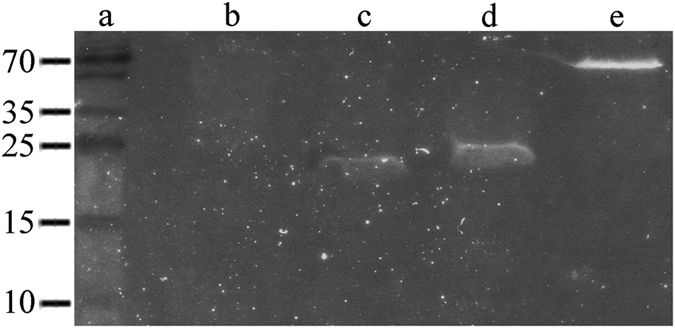
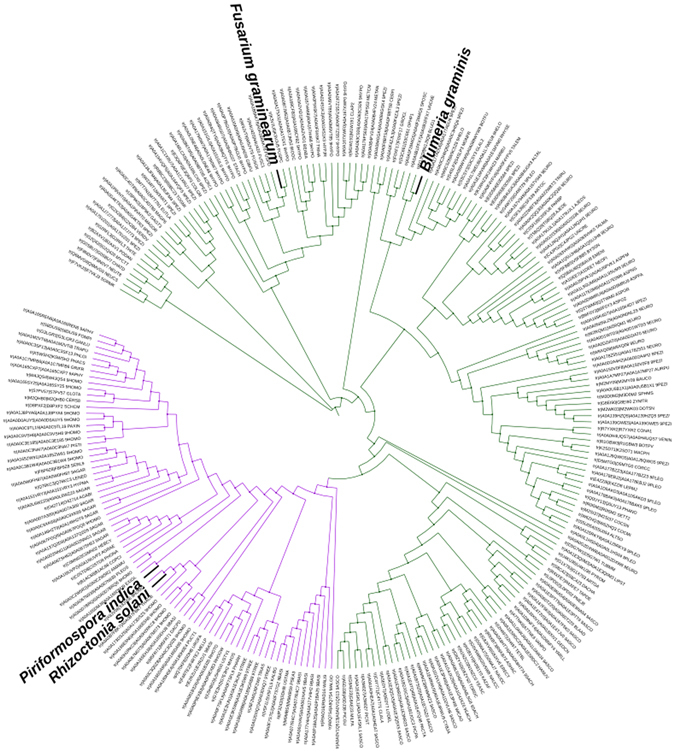
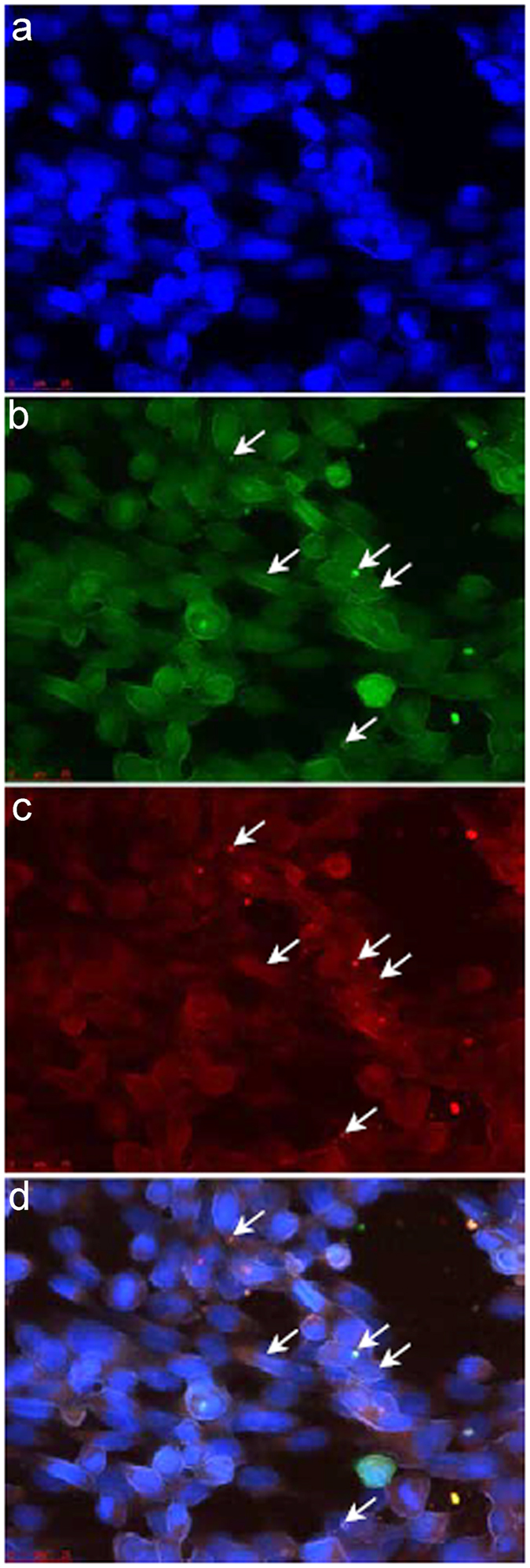
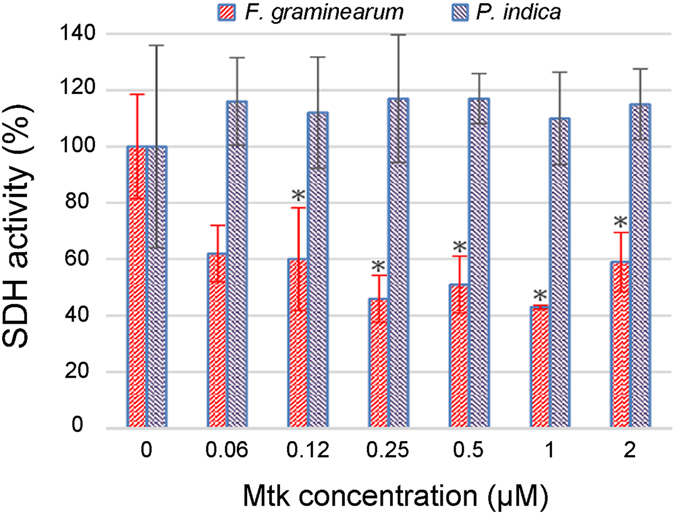
Insect-derived antifungal peptides have a significant economic potential, particularly for the engineering of pathogen-resistant crops. However, the nonspecific antifungal activity of such peptides could result in detrimental effects against beneficial fungi, whose interactions with plants promote growth or increase resistance against biotic and abiotic stress. The antifungal peptide metchnikowin (Mtk) from Drosophila melanogaster acts selectively against pathogenic Ascomycota, including Fusarium graminearum, without affecting Basidiomycota such as the beneficial symbiont Piriformospora indica. Here we investigated the mechanism responsible for the selective antifungal activity of Mtk by using the peptide to probe a yeast two-hybrid library of F. graminearum cDNAs. We found that Mtk specifically targets the iron-sulfur subunit (SdhB) of succinate-coenzyme Q reductase (SQR). A functional assay based on the succinate dehydrogenase (SDH) activity of mitochondrial complex II clearly demonstrated that Mtk inhibited the SDH activity of F. graminearum mitochondrial SQR by up to 52%, but that the equivalent enzyme in P. indica was unaffected. A phylogenetic analysis of the SdhB family revealed a significant divergence between the Ascomycota and Basidiomycota. SQR is one of the key targets of antifungal agents and we therefore propose Mtk as an environmentally sustainable and more selective alternative to chemical fungicides.
昆虫来源的抗真菌肽具有重要的经济潜力,特别是在工程抗病原体作物方面。然而,这些肽的非特异性抗真菌活性可能对有益真菌产生不利影响,而有益真菌与植物的相互作用促进了植物的生长或增加了对生物和非生物胁迫的抗性。黑腹果蝇的抗真菌肽 Metchnikowin (Mtk) 选择性地针对包括禾谷镰刀菌在内的致病性子囊菌,而不影响担子菌门的有益共生菌如印楝。在这里,我们通过使用该肽来探测禾谷镰刀菌 cDNA 的酵母双杂交文库,研究了 Mtk 选择性抗真菌活性的机制。我们发现 Mtk 特异性靶向琥珀酸辅酶 Q 还原酶 (SQR) 的铁硫亚基 (SdhB)。基于线粒体复合物 II 的琥珀酸脱氢酶 (SDH) 活性的功能测定清楚地表明,Mtk 抑制了禾谷镰刀菌线粒体 SQR 的 SDH 活性,最高可达 52%,而印楝中的等效酶则不受影响。SdhB 家族的系统发育分析表明,子囊菌和担子菌之间存在显著的分化。SQR 是抗真菌剂的关键靶标之一,因此我们建议将 Mtk 作为化学杀菌剂的一种更具可持续性和选择性的替代方案。