Hassan Nathaniel, McCarville Kirstin, Morinaga Kenzo, Mengatto Cristiane M, Langfelder Peter, Hokugo Akishige, Tahara Yu, Colwell Christopher S, Nishimura Ichiro
Weintraub Center for Reconstructive Biotechnology, UCLA School of Dentistry, Los Angeles, California, United States of America.
Division of Oral Biology & Medicine, UCLA School of Dentistry, Los Angeles, California, United States of America.
PLoS One. 2017 Aug 17;12(8):e0183359. doi: 10.1371/journal.pone.0183359. eCollection 2017.
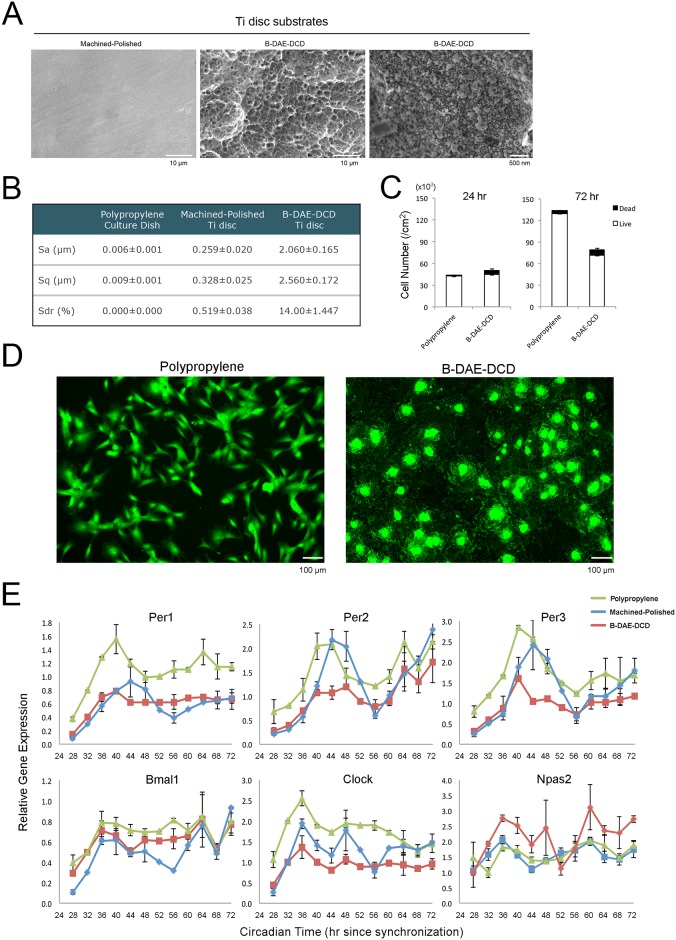
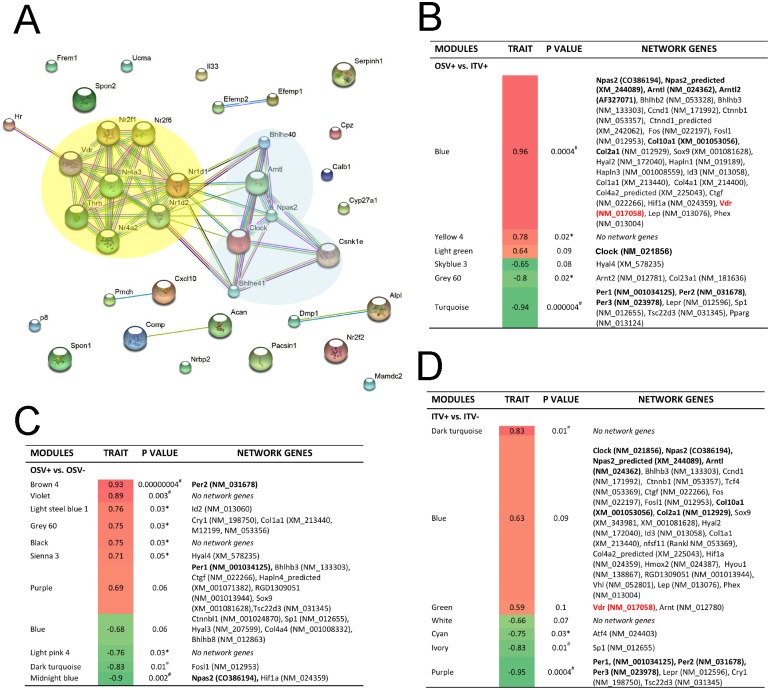
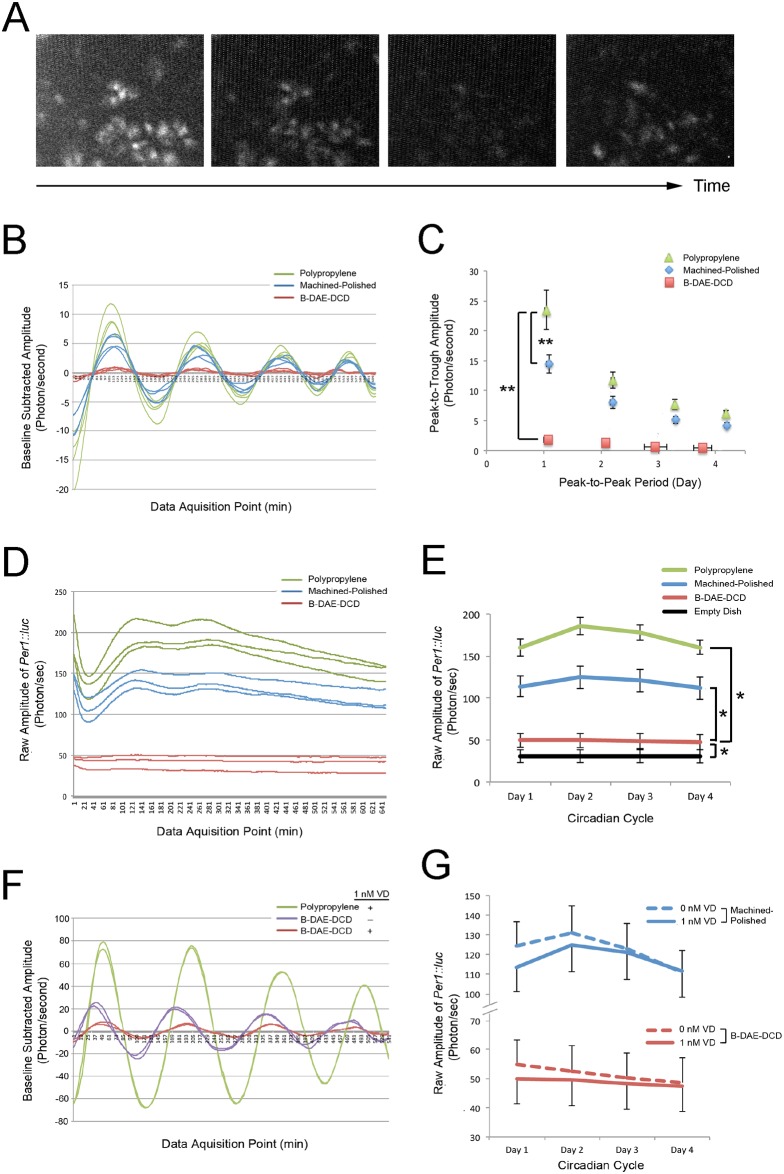
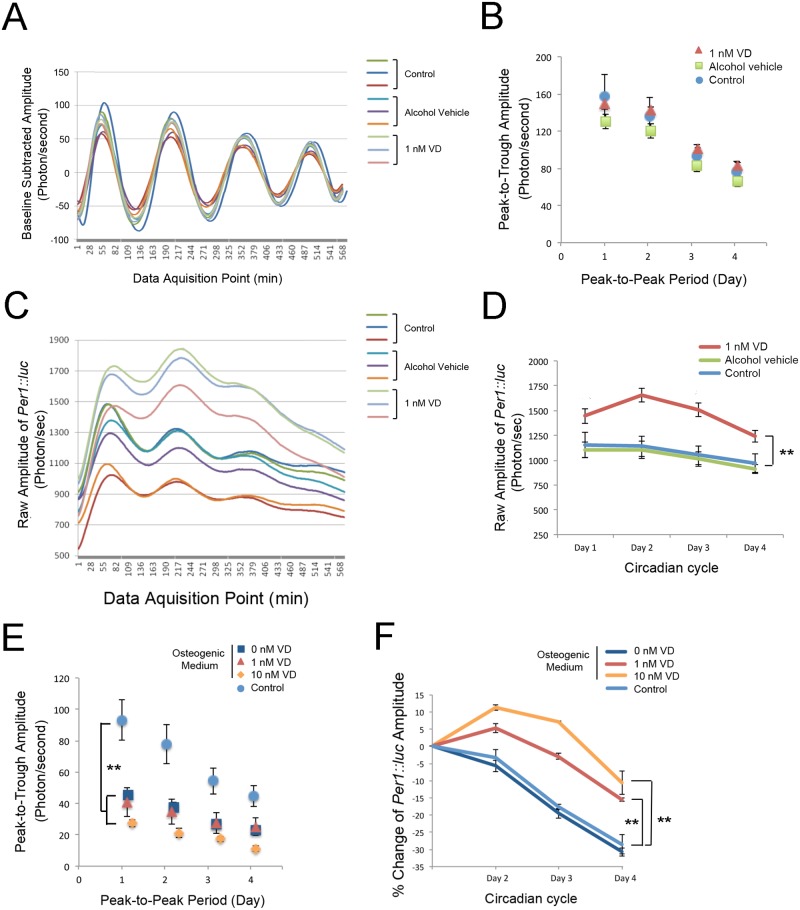
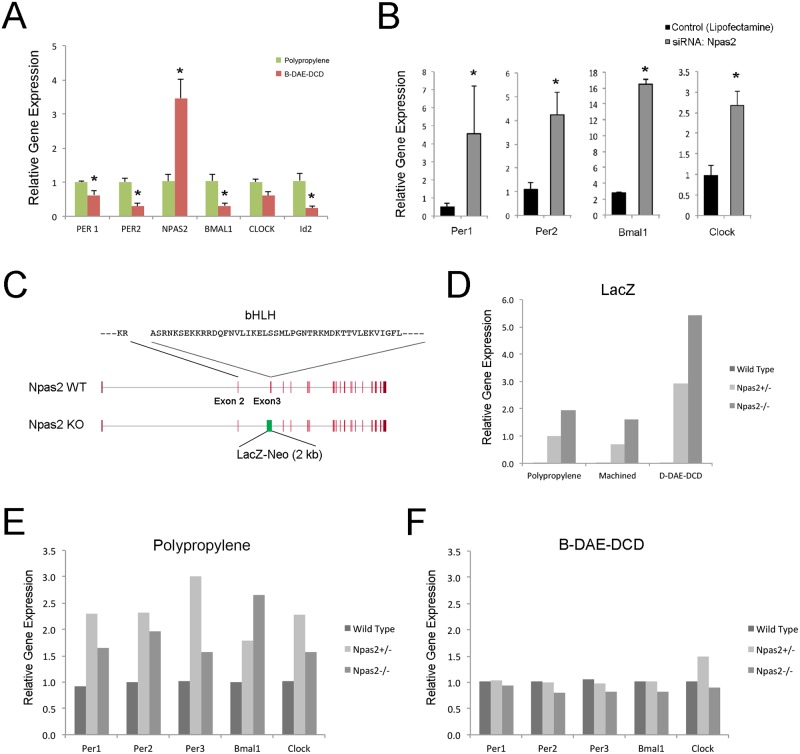
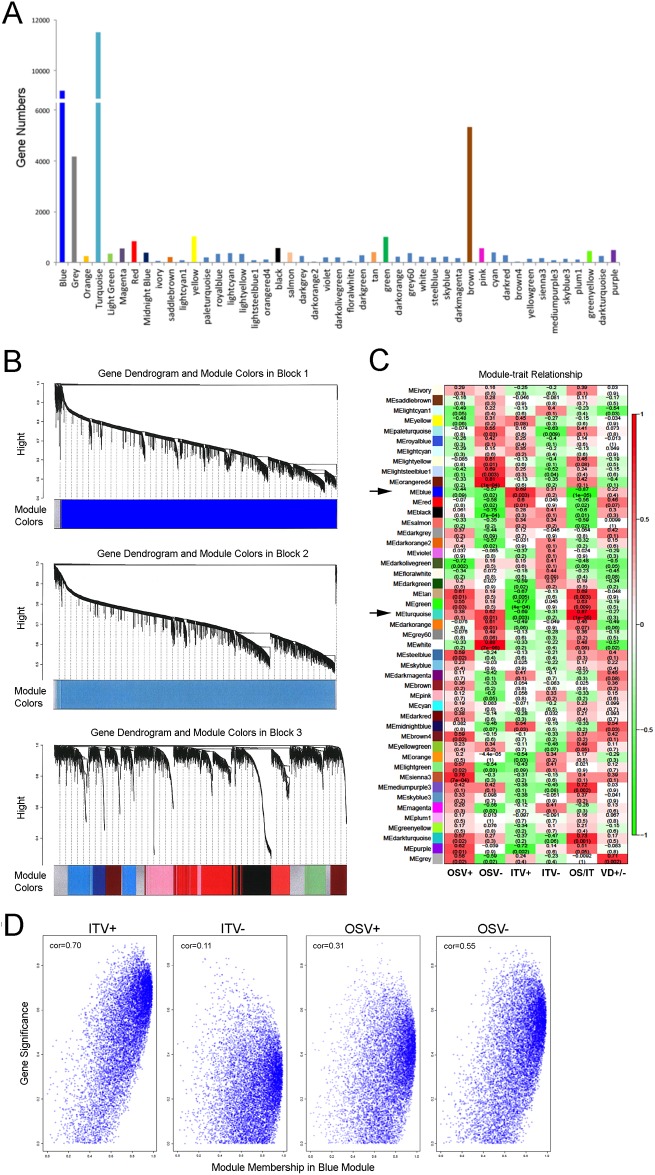
Circadian rhythms maintain a high level of homeostasis through internal feed-forward and -backward regulation by core molecules. In this study, we report the highly unusual peripheral circadian rhythm of bone marrow mesenchymal stromal cells (BMSCs) induced by titanium-based biomaterials with complex surface modifications (Ti biomaterial) commonly used for dental and orthopedic implants. When cultured on Ti biomaterials, human BMSCs suppressed circadian PER1 expression patterns, while NPAS2 was uniquely upregulated. The Ti biomaterials, which reduced Per1 expression and upregulated Npas2, were further examined with BMSCs harvested from Per1::luc transgenic rats. Next, we addressed the regulatory relationship between Per1 and Npas2 using BMSCs from Npas2 knockout mice. The Npas2 knockout mutation did not rescue the Ti biomaterial-induced Per1 suppression and did not affect Per2, Per3, Bmal1 and Clock expression, suggesting that the Ti biomaterial-induced Npas2 overexpression was likely an independent phenomenon. Previously, vitamin D deficiency was reported to interfere with Ti biomaterial osseointegration. The present study demonstrated that vitamin D supplementation significantly increased Per1::luc expression in BMSCs, though the presence of Ti biomaterials only moderately affected the suppressed Per1::luc expression. Available in vivo microarray data from femurs exposed to Ti biomaterials in vitamin D-deficient rats were evaluated by weighted gene co-expression network analysis. A large co-expression network containing Npas2, Bmal1, and Vdr was observed to form with the Ti biomaterials, which was disintegrated by vitamin D deficiency. Thus, the aberrant BMSC peripheral circadian rhythm may be essential for the integration of Ti biomaterials into bone.
昼夜节律通过核心分子的内部前馈和反馈调节维持高度的内稳态。在本研究中,我们报道了由常用于牙科和骨科植入物的具有复杂表面修饰的钛基生物材料(Ti生物材料)诱导的骨髓间充质基质细胞(BMSC)极不寻常的外周昼夜节律。当在Ti生物材料上培养时,人BMSC抑制昼夜节律相关的PER1表达模式,而NPAS2则独特地上调。进一步用从Per1::luc转基因大鼠收获的BMSC对降低Per1表达并上调Npas2的Ti生物材料进行了研究。接下来,我们使用来自Npas2基因敲除小鼠的BMSC研究了Per1和Npas2之间的调节关系。Npas2基因敲除突变不能挽救Ti生物材料诱导的Per1抑制,也不影响Per2、Per3、Bmal1和Clock的表达,这表明Ti生物材料诱导的Npas2过表达可能是一种独立现象。此前有报道称维生素D缺乏会干扰Ti生物材料的骨整合。本研究表明,补充维生素D可显著增加BMSC中Per1::luc的表达,尽管Ti生物材料的存在仅适度影响受抑制的Per1::luc表达。通过加权基因共表达网络分析评估了维生素D缺乏大鼠股骨暴露于Ti生物材料的可用体内微阵列数据。观察到与Ti生物材料形成了一个包含Npas2、Bmal1和Vdr的大共表达网络,而维生素D缺乏会使其解体。因此,异常的BMSC外周昼夜节律可能对Ti生物材料与骨的整合至关重要。