Bell Brandon, Adhikari Koushik, Chambers Edgar, Alavi Sajid, King Silvia, Haub Mark
WhiteWave Foods Company, Broomfield, CO 80021, USA.
Food Science & Technology, University of Georgia, Griffin, GA 30223, USA.
Foods. 2017 Aug 18;6(8):70. doi: 10.3390/foods6080070.
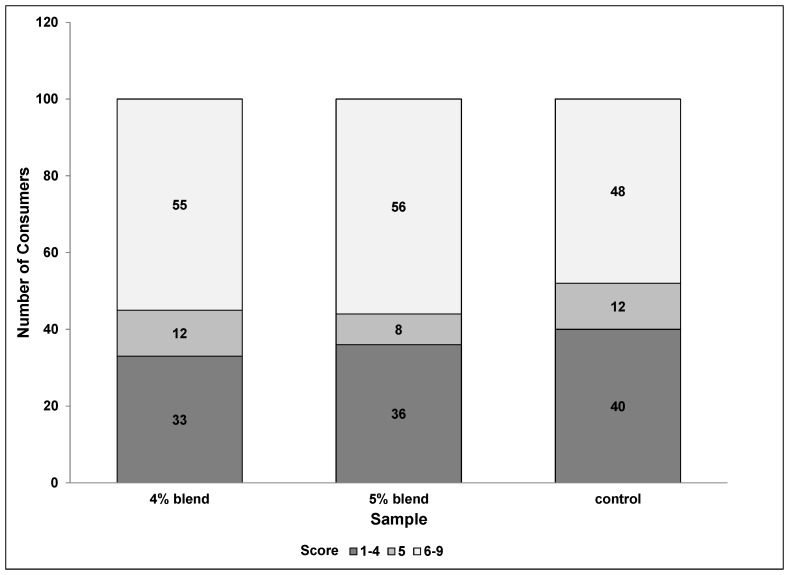
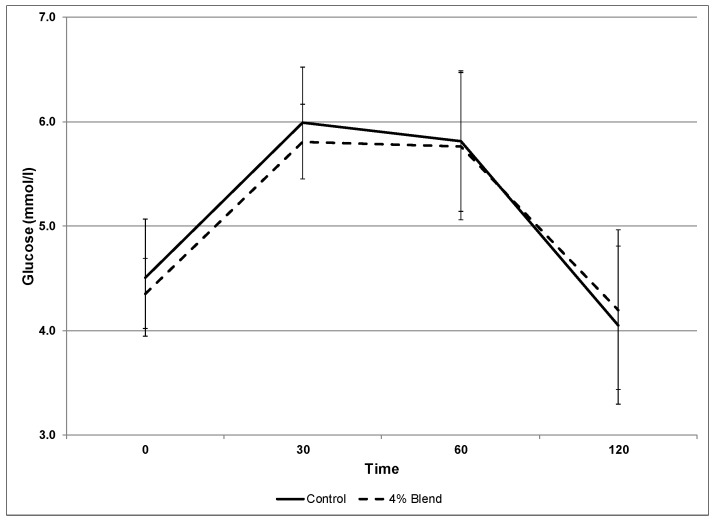
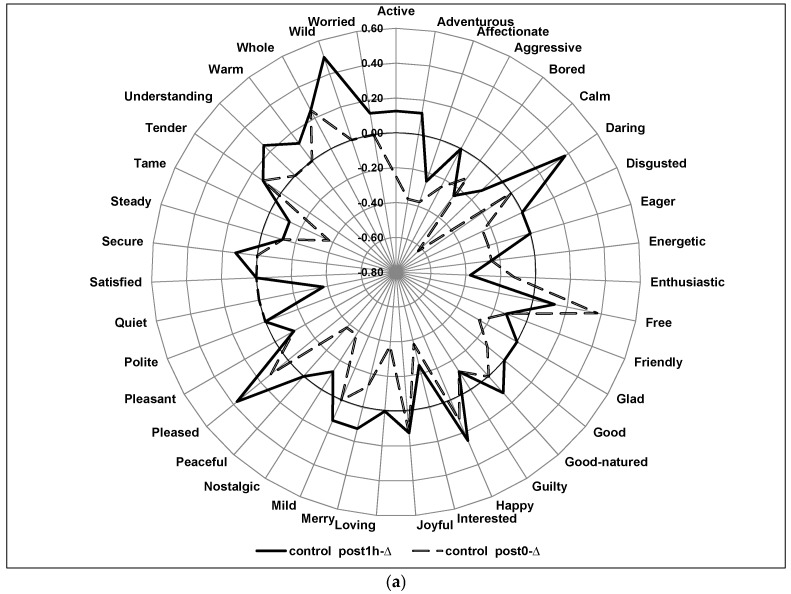
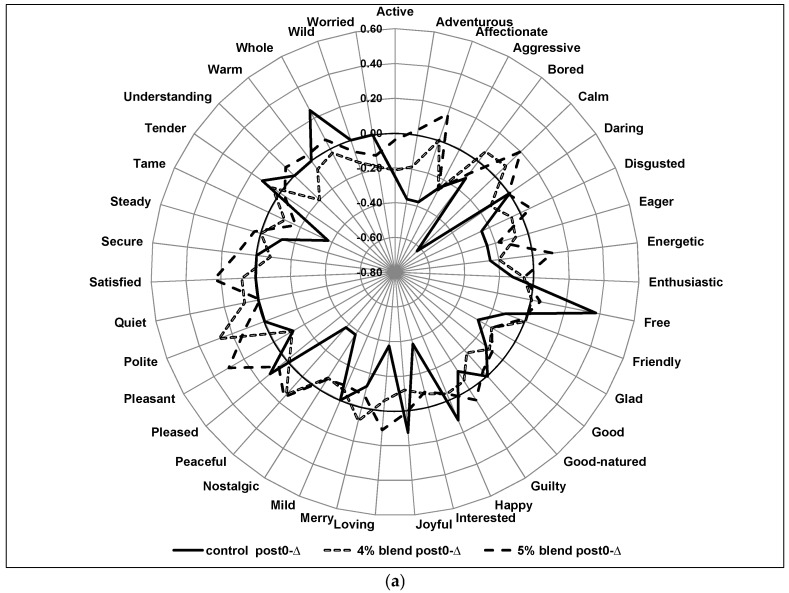
Food commonly is associated with emotion. The study was designed to determine if a spice blend (cinnamon, ginger, nutmeg, and cloves) high in antioxidants can evoke changes in consumer emotions. This was an exploratory study to determine the effects of these four spices on emotions. Three extruded, dry snack products containing 0, 4, or a 5% spice blend were tested. One day of hedonic and just-about-right evaluations ( = 100), followed by three days of emotion testing were conducted. A human clinical trial ( = 10), using the control and the 4% samples, measured total antioxidant capacity and blood glucose levels. The emotion "Satisfied" increased significantly in the 5% blend, showing an effect of a higher spice content. The 4% blend was significantly higher in total antioxidant capacity than the baseline, but blood glucose levels were not significantly different.
食物通常与情感相关联。本研究旨在确定一种富含抗氧化剂的混合香料(肉桂、姜、肉豆蔻和丁香)是否能引发消费者情绪的变化。这是一项探索性研究,旨在确定这四种香料对情绪的影响。对三种含有0%、4%或5%混合香料的挤压式干零食产品进行了测试。进行了一天的享乐和恰到好处评价(n = 100),随后进行了三天的情绪测试。一项人体临床试验(n = 10),使用对照和4%的样品,测量了总抗氧化能力和血糖水平。在5%混合香料组中,“满意”情绪显著增加,表明香料含量较高有影响。4%混合香料组的总抗氧化能力显著高于基线,但血糖水平无显著差异。