Hendy Ashlee M, Chye Lilian, Teo Wei-Peng
Institute for Physical Activity and Nutrition (IPAN), School of Exercise and Nutrition Science, Deakin UniversityBurwood, VIC, Australia.
Frailty Research Programme, Geriatric Education and Research InstituteYishun Central, Singapore.
Front Hum Neurosci. 2017 Aug 3;11:397. doi: 10.3389/fnhum.2017.00397. eCollection 2017.
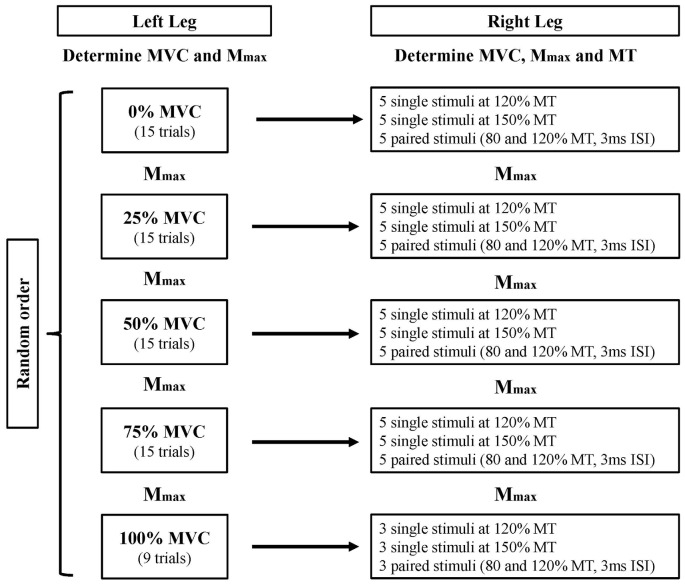
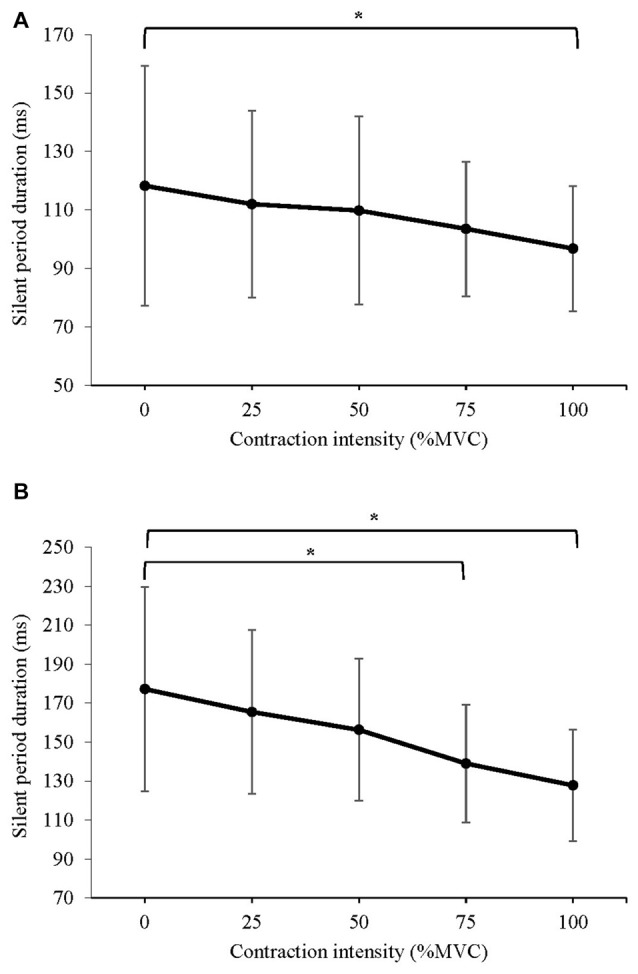
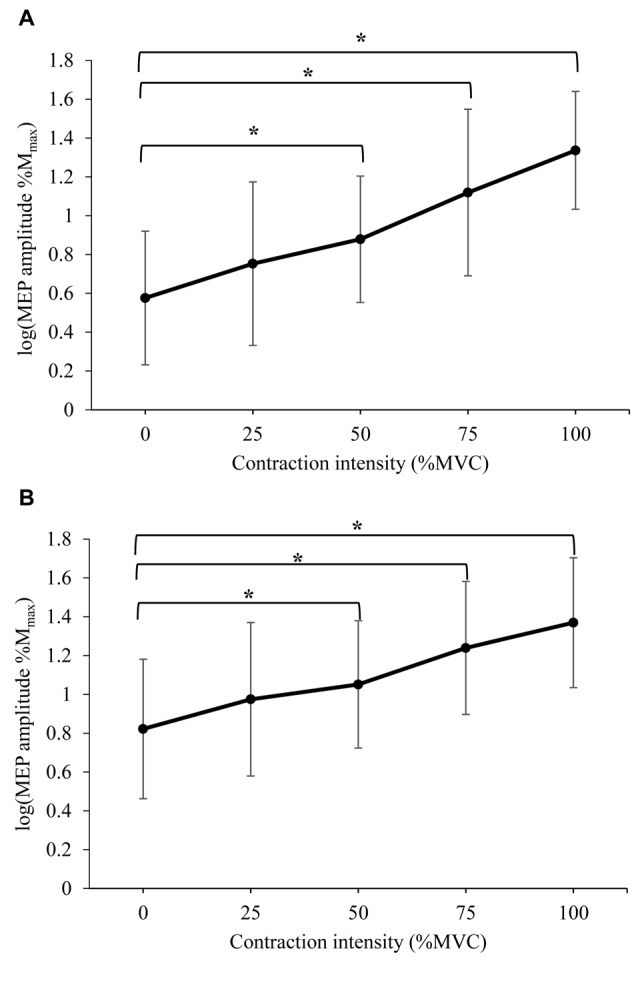
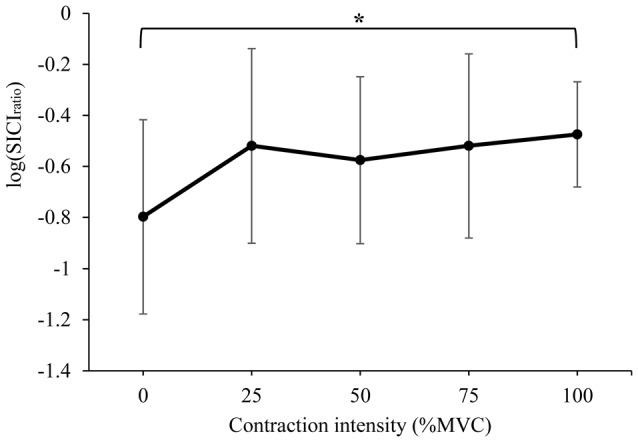
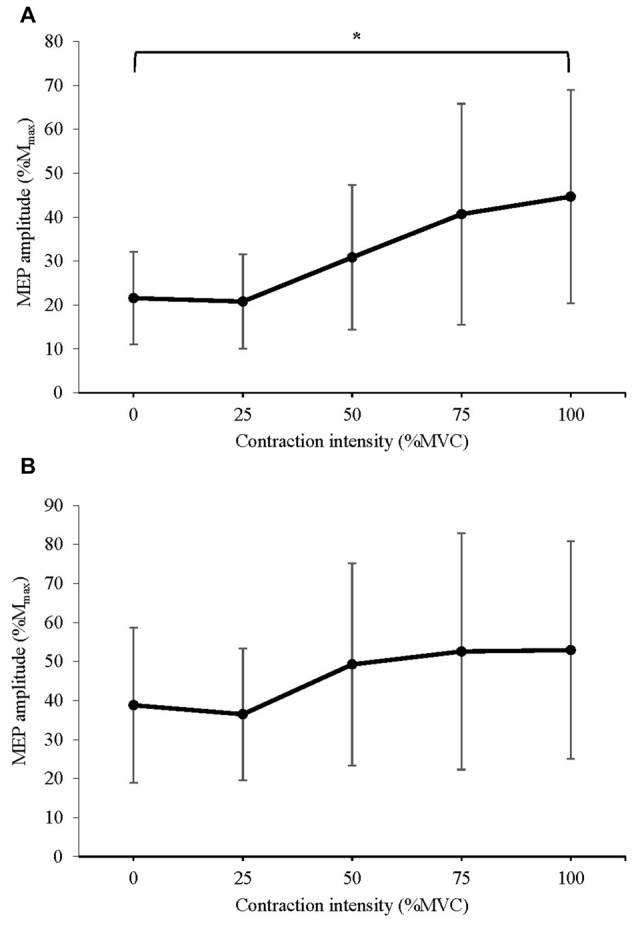
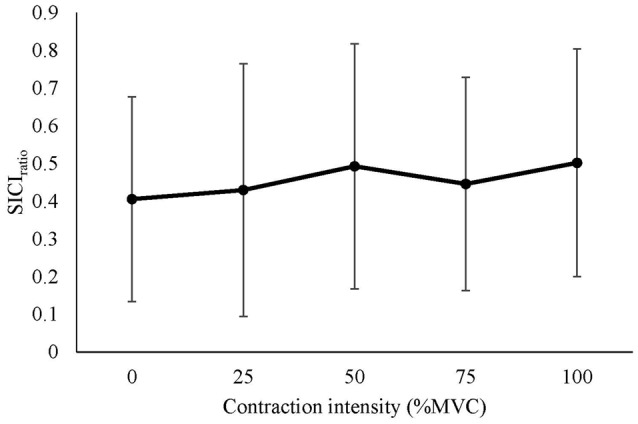
Transcranial magnetic stimulation (TMS) studies have demonstrated that unilateral muscle contractions in the upper limb produce motor cortical activity in both the contralateral and ipsilateral motor cortices. The increase in excitability of the corticomotor pathway activating the resting limb has been termed "cross-activation", and is of importance due to its involvement in cross-education and rehabilitation. To date, very few studies have investigated cross-activation in the lower limb. Sixteen healthy participants (mean age 29 ± 9 years) took part in this study. To determine the effect of varying contraction intensities in the lower limb, we investigated corticomotor excitability and intracortical inhibition of the right rectus femoris (RF) while the left leg performed isometric extension at 0%, 25%, 50%, 75% and 100% of maximum force output. Contraction intensities of 50% maximal force output and greater produced significant cross-activation of the corticomotor pathway. A reduction in silent period duration was observed during 75% and 100% contractions, while the release of short-interval intracortical inhibition (SICI) was only observed during maximal (100%) contractions. We conclude that increasing isometric contraction intensities produce a monotonic increase in cross-activation, which was greatest during 100% force output. Unilateral training programs designed to induce cross-education of strength in the lower limb should therefore be prescribed at the maximal intensity tolerable.
经颅磁刺激(TMS)研究表明,上肢的单侧肌肉收缩会在对侧和同侧运动皮层产生运动皮层活动。激活静息肢体的皮质运动通路兴奋性增加被称为“交叉激活”,由于其参与交叉训练和康复,因此具有重要意义。迄今为止,很少有研究调查下肢的交叉激活情况。16名健康参与者(平均年龄29±9岁)参与了这项研究。为了确定下肢不同收缩强度的影响,我们在左腿以最大力输出的0%、25%、50%、75%和100%进行等长伸展时,研究了右股直肌(RF)的皮质运动兴奋性和皮质内抑制。最大力输出的50%及以上的收缩强度产生了皮质运动通路的显著交叉激活。在75%和100%收缩期间观察到静息期持续时间缩短,而仅在最大(100%)收缩期间观察到短间隔皮质内抑制(SICI)的释放。我们得出结论,增加等长收缩强度会使交叉激活呈单调增加,在100%力输出时最大。因此,旨在诱导下肢力量交叉训练的单侧训练计划应以可耐受的最大强度进行。