Antimicrobial Pharmacodynamics and Therapeutics, University of Liverpool, Liverpool, United Kingdom
Antimicrobial Pharmacodynamics and Therapeutics, University of Liverpool, Liverpool, United Kingdom.
mBio. 2017 Aug 22;8(4):e01157-17. doi: 10.1128/mBio.01157-17.
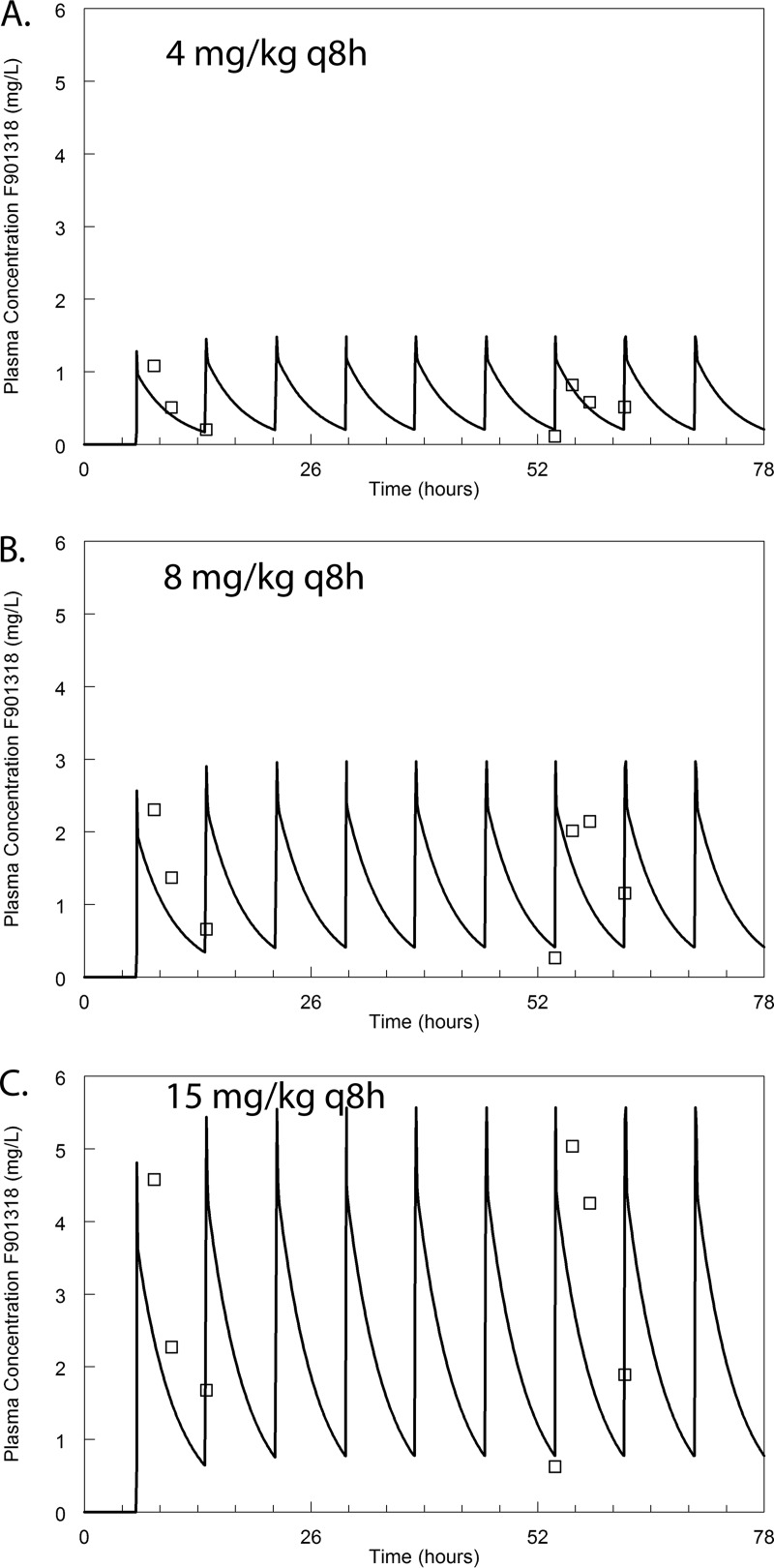
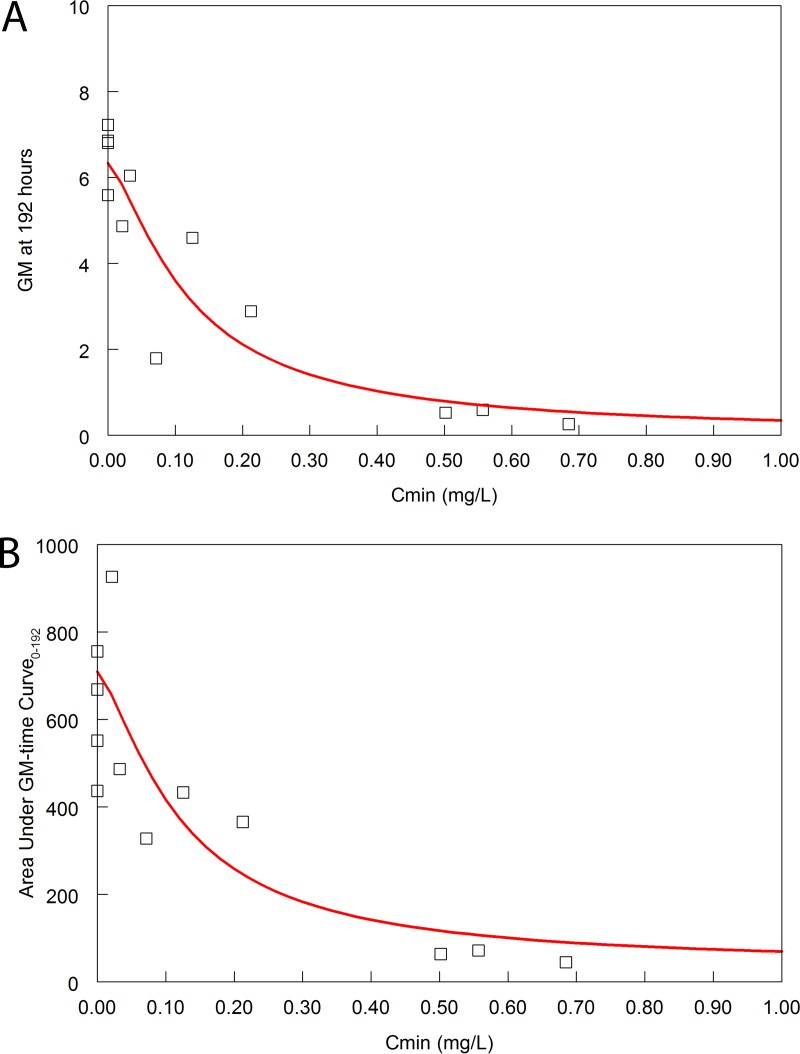
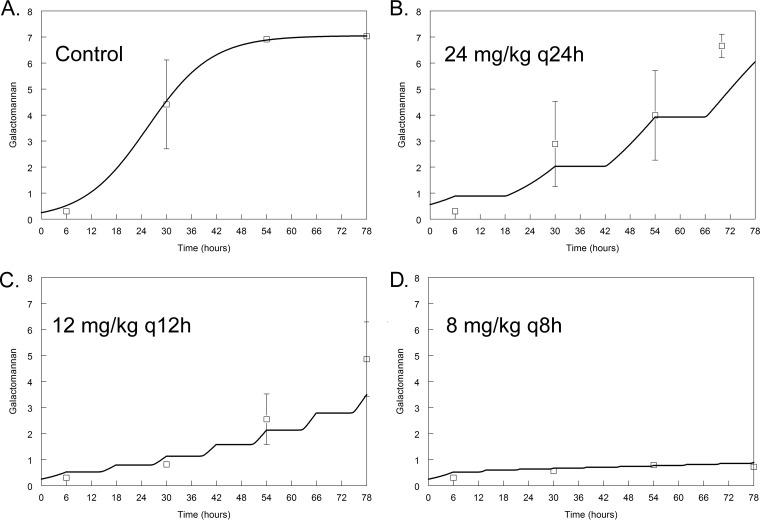
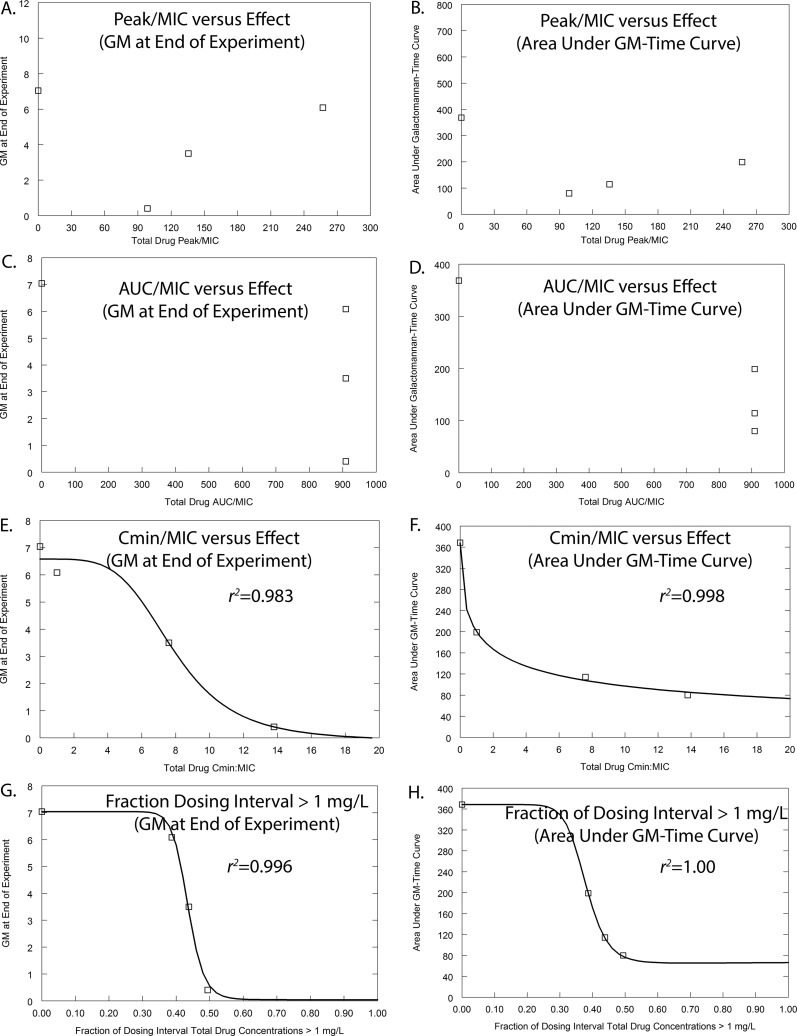
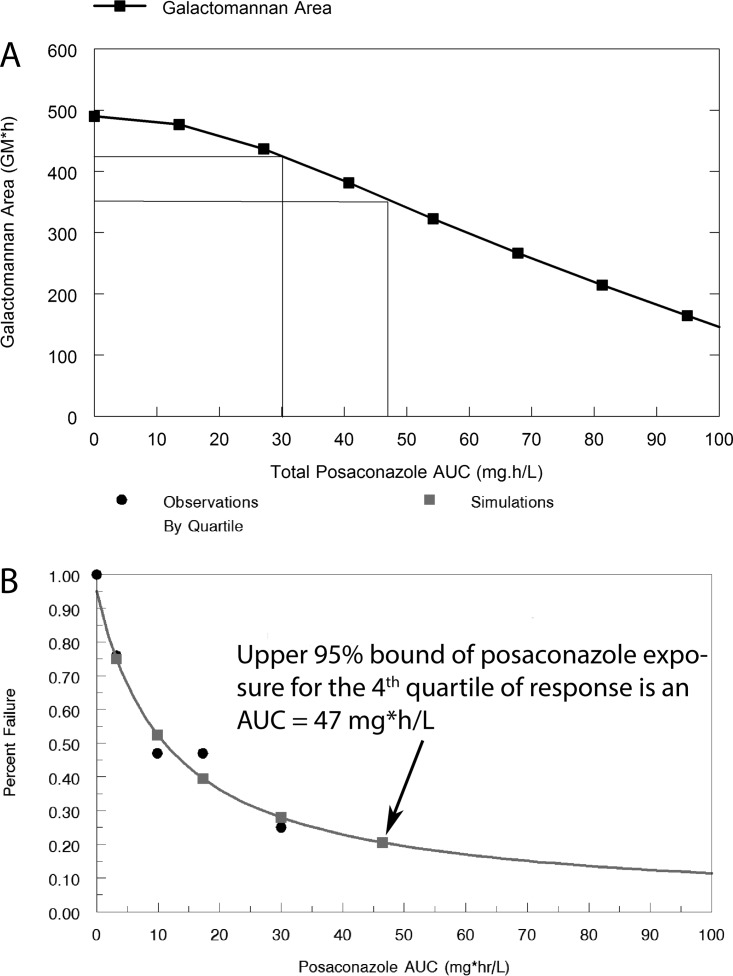
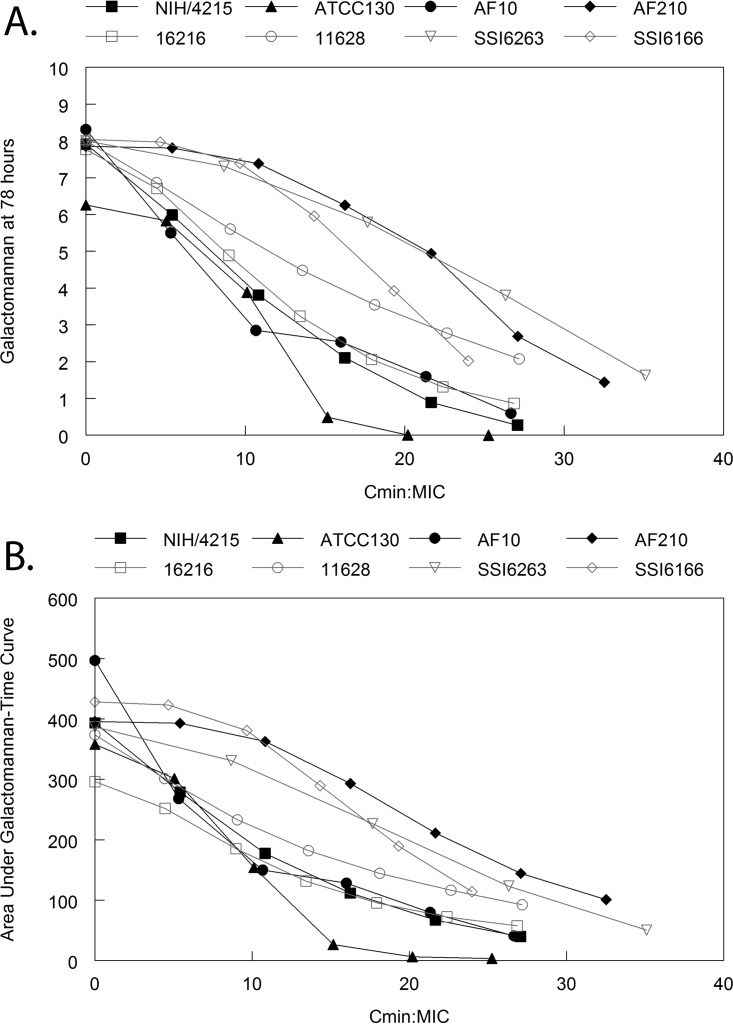
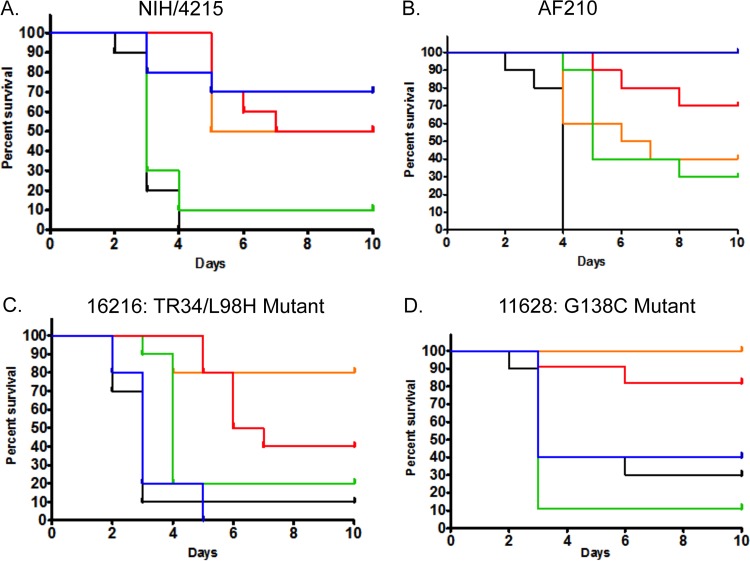
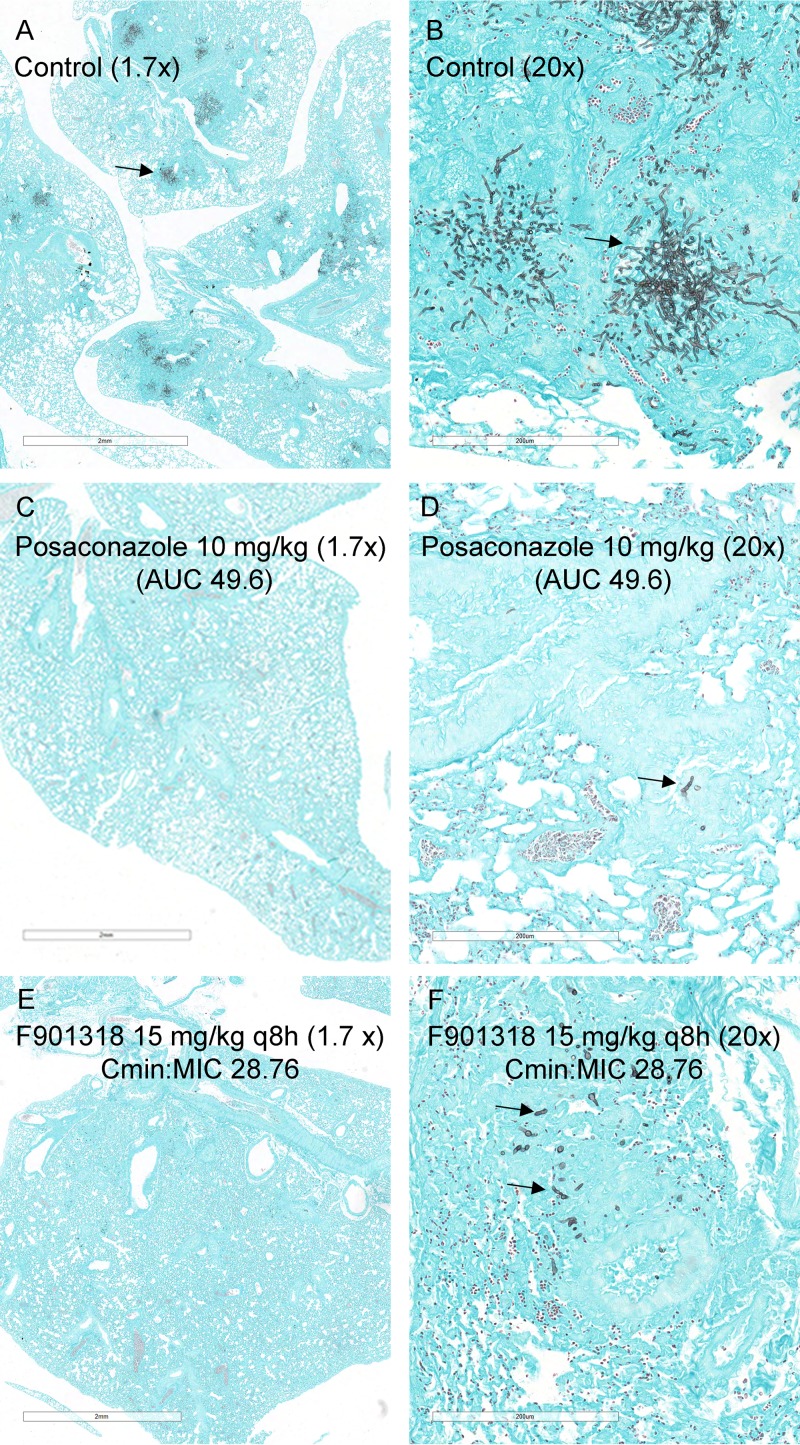
F901318 is an antifungal agent with a novel mechanism of action and potent activity against spp. An understanding of the pharmacodynamics (PD) of F901318 is required for selection of effective regimens for study in phase II and III clinical trials. Neutropenic murine and rabbit models of invasive pulmonary aspergillosis were used. The primary PD endpoint was serum galactomannan. The relationships between drug exposure and the impacts of dose fractionation on galactomannan, survival, and histopathology were determined. The results were benchmarked against a clinically relevant exposure of posaconazole. In the murine model, administration of a total daily dose of 24 mg/kg of body weight produced consistently better responses with increasingly fractionated regimens. The ratio of the minimum total plasma concentration/MIC (/MIC) was the PD index that best linked drug exposure with observed effect. An average (mg/liter) and /MIC of 0.3 and 9.1, respectively, resulted in antifungal effects equivalent to the effect of posaconazole at the upper boundary of its expected human exposures. This pattern was confirmed in a rabbit model, where and /MIC targets of 0.1 and 3.3, respectively, produced effects previously reported for expected human exposures of isavuconazole. These targets were independent of triazole susceptibility. The pattern of maximal effect evident with these drug exposure targets was also apparent when survival and histopathological clearance were used as study endpoints. F901318 exhibits time-dependent antifungal activity. The PD targets can now be used to select regimens for phase II and III clinical trials. Invasive fungal infections are common and often lethal. There are relatively few antifungal agents licensed for clinical use. Antifungal drug toxicity and the emergence of drug resistance make the treatment of these infections very challenging. F901318 is the first in a new class of antifungal agents called the orotomides. This class has a novel mechanism of action that involves the inhibition of the fungal enzyme dihydroorotate dehydrogenase. F901318 is being developed for clinical use. A deep understanding of the relationship between dosages, drug concentrations in the body, and the antifungal effect is fundamental to the identification of the regimens to administer to patients with invasive fungal infections. This study provides the necessary information to ensure that the right dose of F901318 is used the first time. Such an approach considerably reduces the risks in drug development programs and ensures that patients with few therapeutic options can receive potentially life-saving antifungal therapy at the earliest opportunity.
F901318 是一种具有新型作用机制的抗真菌药物,对 spp 具有强大的活性。为了选择有效的方案用于 II 期和 III 期临床试验,需要了解 F901318 的药效动力学(PD)。使用中性粒细胞减少的鼠和兔侵袭性肺曲霉病模型。主要 PD 终点是血清半乳甘露聚糖。确定药物暴露与剂量分割对半乳甘露聚糖、生存和组织病理学的影响之间的关系。将结果与泊沙康唑的临床相关暴露进行了基准比较。在鼠模型中,给予 24 毫克/千克体重的总日剂量可产生一致性更好的反应,并随着剂量分割方案的增加而改善。最小总血浆浓度/最低抑菌浓度(/MIC)比值是将药物暴露与观察到的效果联系起来的最佳 PD 指标。平均(mg/liter)和 /MIC 分别为 0.3 和 9.1,可产生与泊沙康唑在预期人体暴露上限相当的抗真菌作用。在兔模型中证实了这一模式,其中分别为 0.1 和 3.3 的 和 /MIC 目标产生了先前报道的伊曲康唑预期人体暴露的效果。这些目标与三唑类药物敏感性无关。当将生存和组织病理学清除用作研究终点时,这些药物暴露目标的最大效果模式也很明显。F901318 表现出时间依赖性抗真菌活性。现在可以使用 PD 目标来选择 II 期和 III 期临床试验的方案。侵袭性真菌感染很常见且常常致命。临床上可用的抗真菌药物相对较少。抗真菌药物毒性和耐药性的出现使这些感染的治疗极具挑战性。F901318 是一种新型抗真菌药物类别的第一个药物,称为 orotomides。该类别具有新型作用机制,涉及抑制真菌酶二氢乳清酸脱氢酶。F901318 正在开发用于临床使用。深入了解剂量、体内药物浓度和抗真菌作用之间的关系是确定侵袭性真菌感染患者用药方案的基础。本研究提供了必要的信息,以确保首次使用正确剂量的 F901318。这种方法大大降低了药物开发计划的风险,并确保了治疗选择有限的患者能够尽早获得潜在的救命抗真菌治疗。