Forsberg Bruce R, Melack John M, Dunne Thomas, Barthem Ronaldo B, Goulding Michael, Paiva Rodrigo C D, Sorribas Mino V, Silva Urbano L, Weisser Sabine
Environmental Dynamics Department, National Institute for Amazon Research, Manaus, Amazonas, Brazil.
Bren School of Environmental Science and Management, University of California, Santa Barbara, California, United States of America.
PLoS One. 2017 Aug 23;12(8):e0182254. doi: 10.1371/journal.pone.0182254. eCollection 2017.
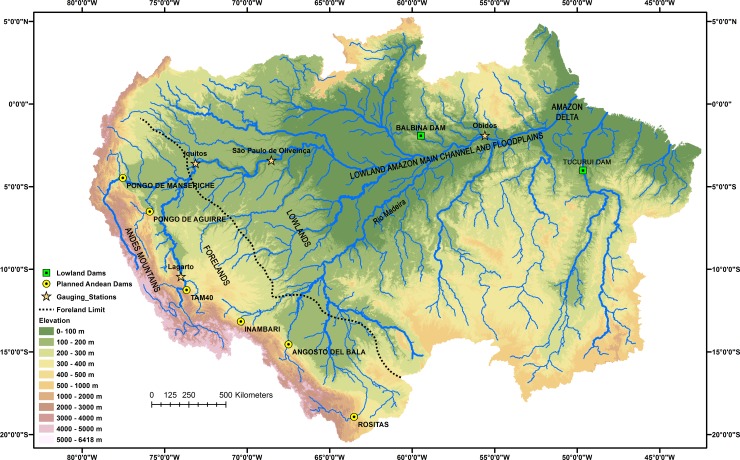
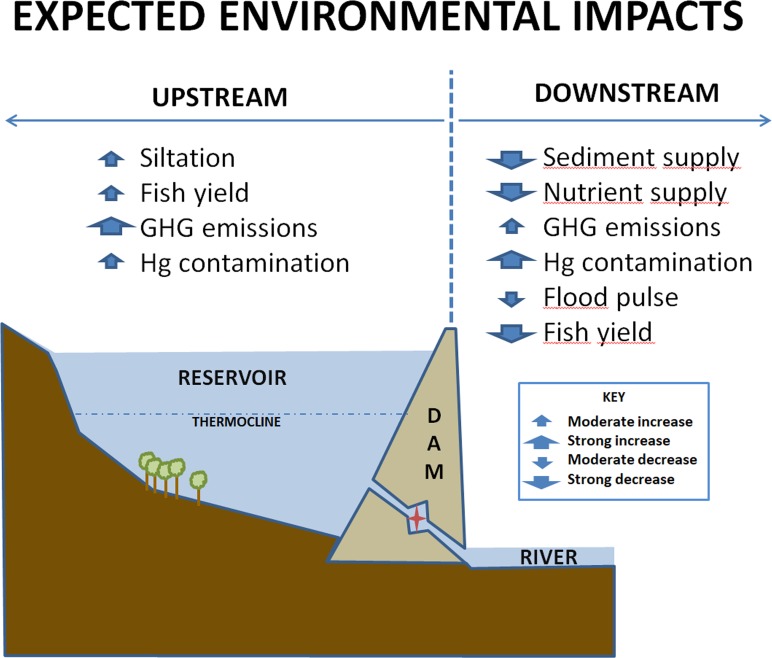
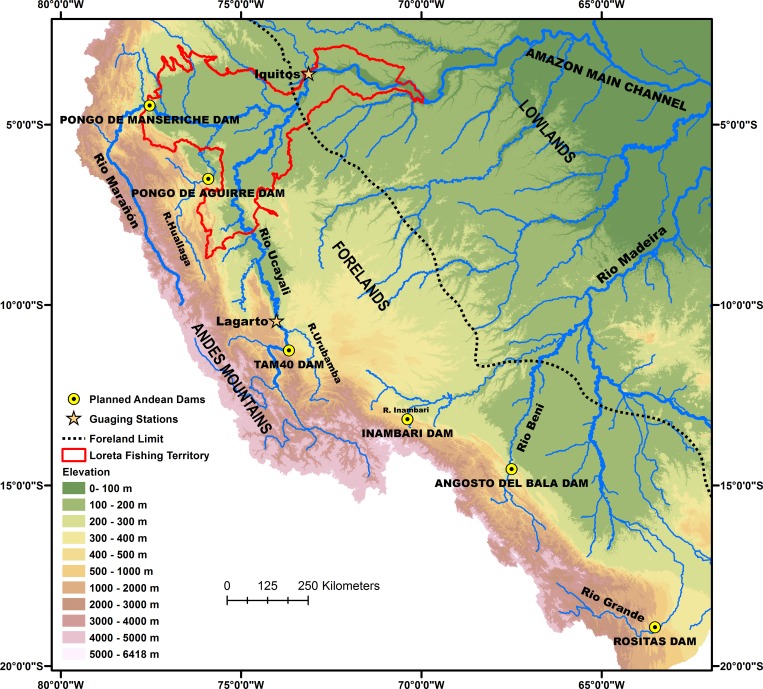
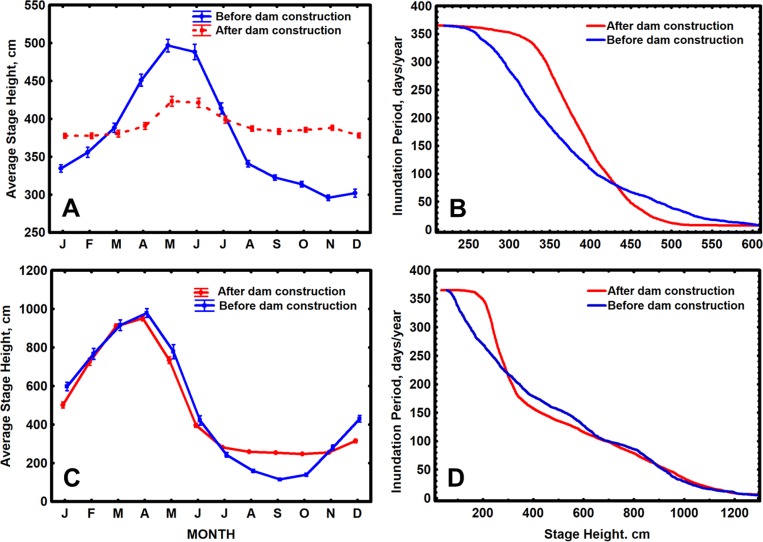
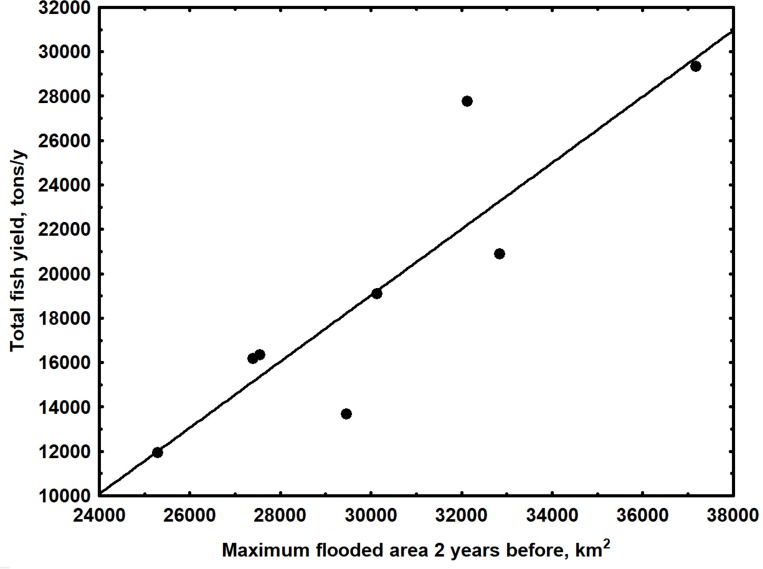
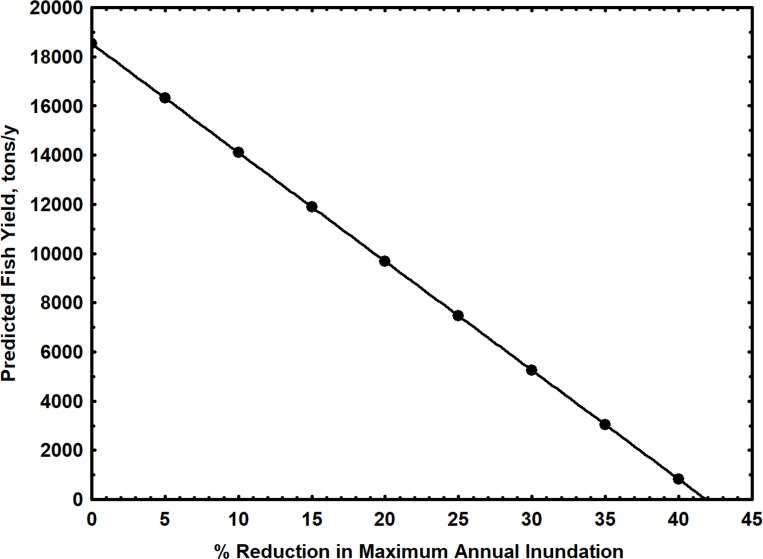
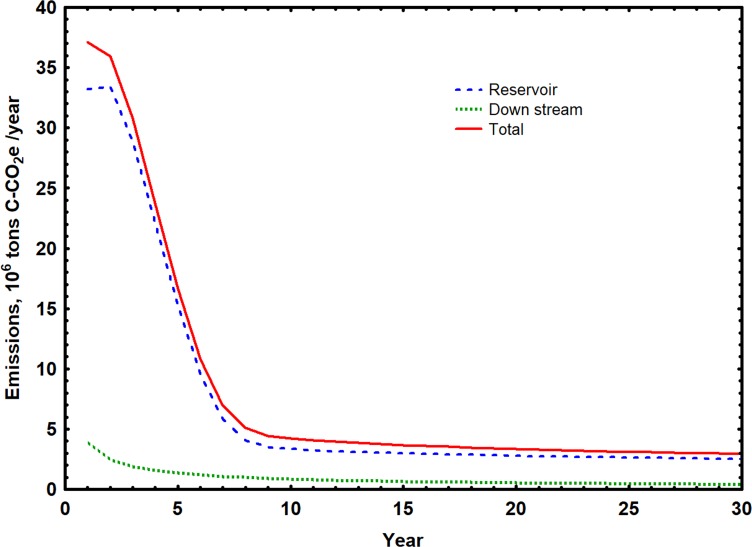
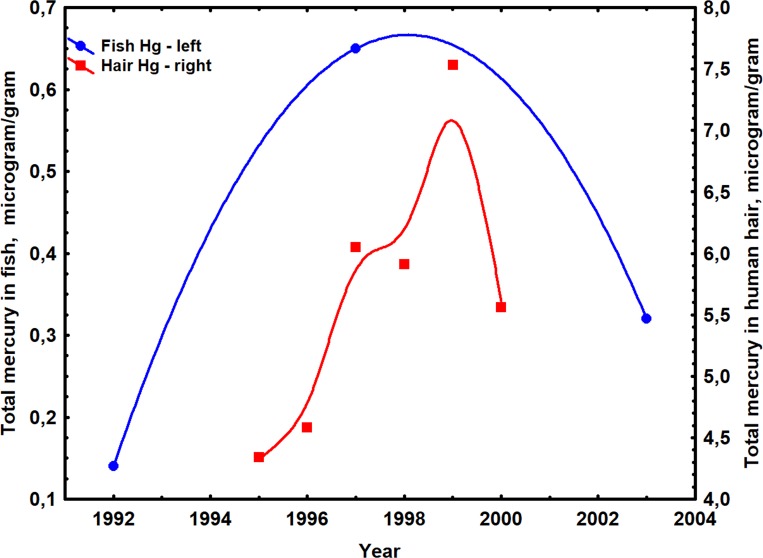
Increased energy demand has led to plans for building many new dams in the western Amazon, mostly in the Andean region. Historical data and mechanistic scenarios are used to examine potential impacts above and below six of the largest dams planned for the region, including reductions in downstream sediment and nutrient supplies, changes in downstream flood pulse, changes in upstream and downstream fish yields, reservoir siltation, greenhouse gas emissions and mercury contamination. Together, these six dams are predicted to reduce the supply of sediments, phosphorus and nitrogen from the Andean region by 69, 67 and 57% and to the entire Amazon basin by 64, 51 and 23%, respectively. These large reductions in sediment and nutrient supplies will have major impacts on channel geomorphology, floodplain fertility and aquatic productivity. These effects will be greatest near the dams and extend to the lowland floodplains. Attenuation of the downstream flood pulse is expected to alter the survival, phenology and growth of floodplain vegetation and reduce fish yields below the dams. Reservoir filling times due to siltation are predicted to vary from 106-6240 years, affecting the storage performance of some dams. Total CO2 equivalent carbon emission from 4 Andean dams was expected to average 10 Tg y-1 during the first 30 years of operation, resulting in a MegaWatt weighted Carbon Emission Factor of 0.139 tons C MWhr-1. Mercury contamination in fish and local human populations is expected to increase both above and below the dams creating significant health risks. Reservoir fish yields will compensate some downstream losses, but increased mercury contamination could offset these benefits.
能源需求的增加促使人们计划在亚马逊西部,主要是安第斯地区建造许多新水坝。利用历史数据和机制情景来研究计划在该地区建造的六座最大水坝上下游的潜在影响,包括下游沉积物和养分供应的减少、下游洪水脉冲的变化、上下游鱼类产量的变化、水库淤积、温室气体排放和汞污染。预计这六座水坝共同作用将使安第斯地区的沉积物、磷和氮供应量分别减少69%、67%和57%,使整个亚马逊流域的相应供应量分别减少64%、51%和23%。沉积物和养分供应的大幅减少将对河道地貌、洪泛区肥力和水生生产力产生重大影响。这些影响在水坝附近最为显著,并会延伸至低地洪泛区。预计下游洪水脉冲的减弱将改变洪泛区植被的存活、物候和生长,并降低水坝下游的鱼类产量。由于淤积导致的水库蓄水时间预计在106 - 6240年之间变化,影响一些水坝的蓄水性能。预计4座安第斯水坝在运营的前30年里,二氧化碳当量碳排放总量平均为每年10太克,兆瓦加权碳排放因子为0.139吨碳/兆瓦时。预计水坝上下游鱼类和当地居民中的汞污染都会增加,从而带来重大健康风险。水库鱼类产量将弥补一些下游损失,但汞污染的增加可能抵消这些益处。