Anhui Province Key Laboratory of Major Autoimmune Diseases, Anhui Institute of Innovative Drugs, School of Pharmacy, Anhui Medical University, Hefei 230032, PR China.
School of Pharmacy, BengBu Medical College, BengBu 233030, PR China.
Cell Death Dis. 2017 Aug 24;8(8):e3016. doi: 10.1038/cddis.2017.384.
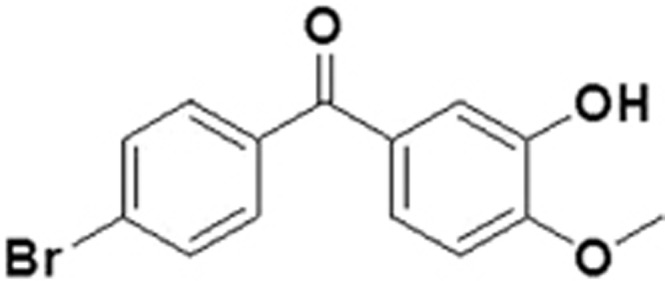
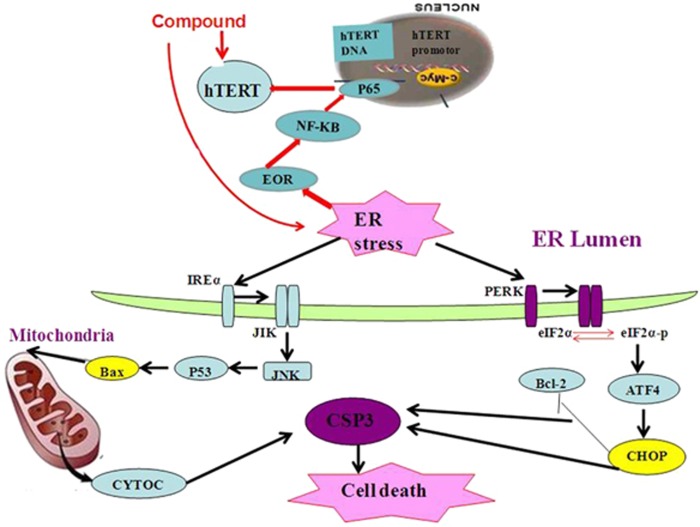
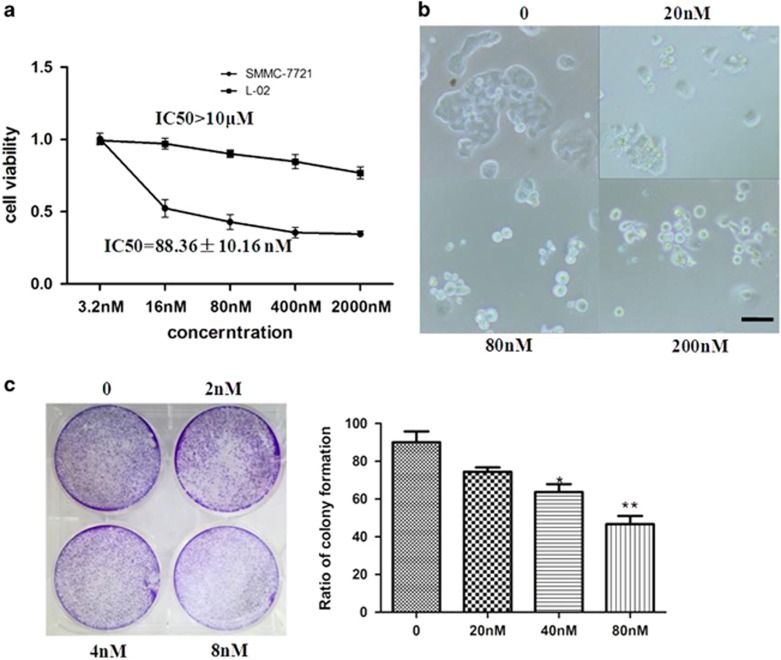
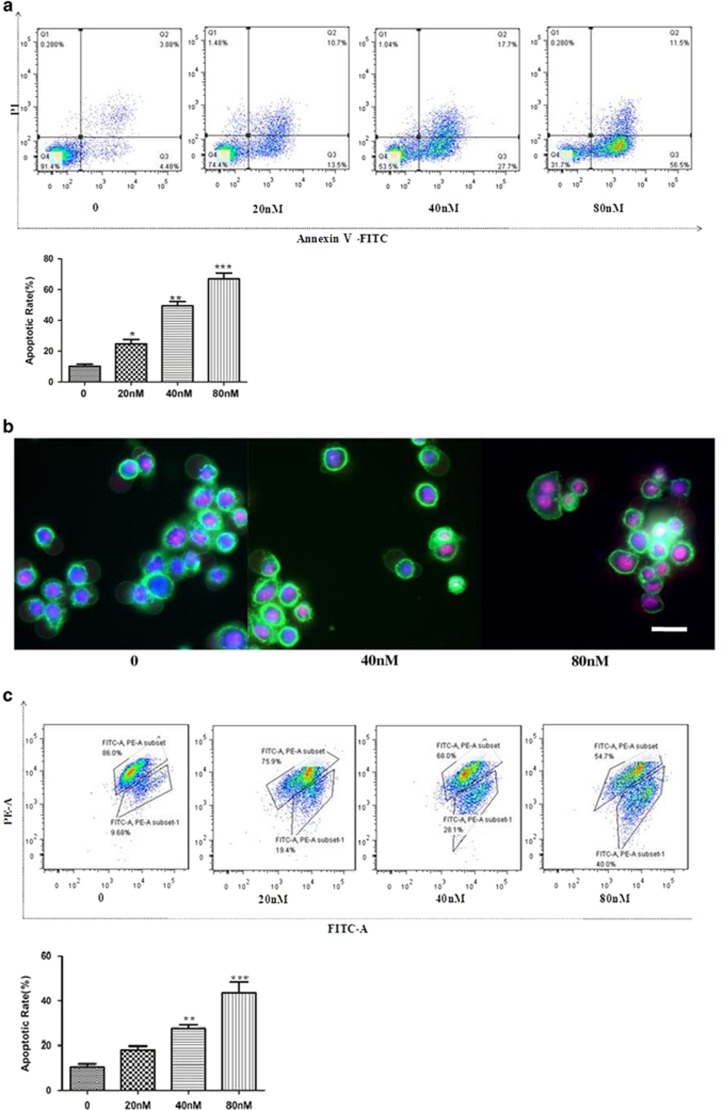
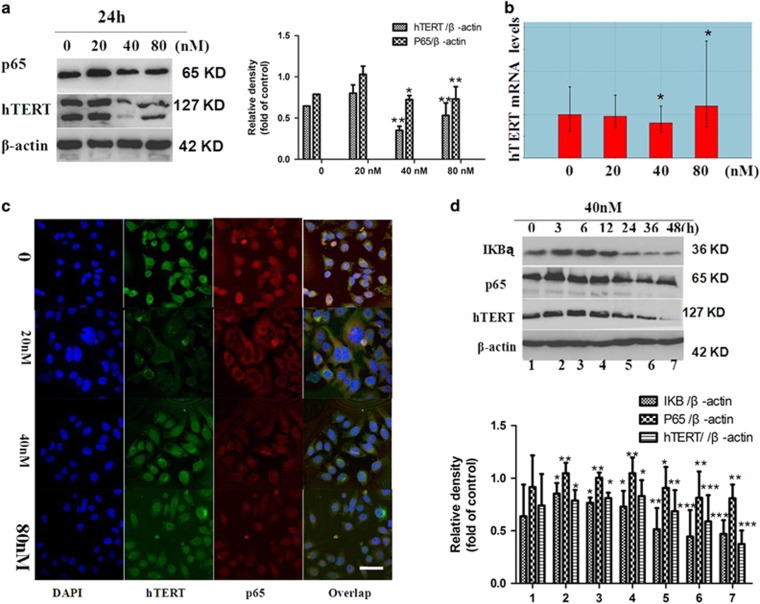
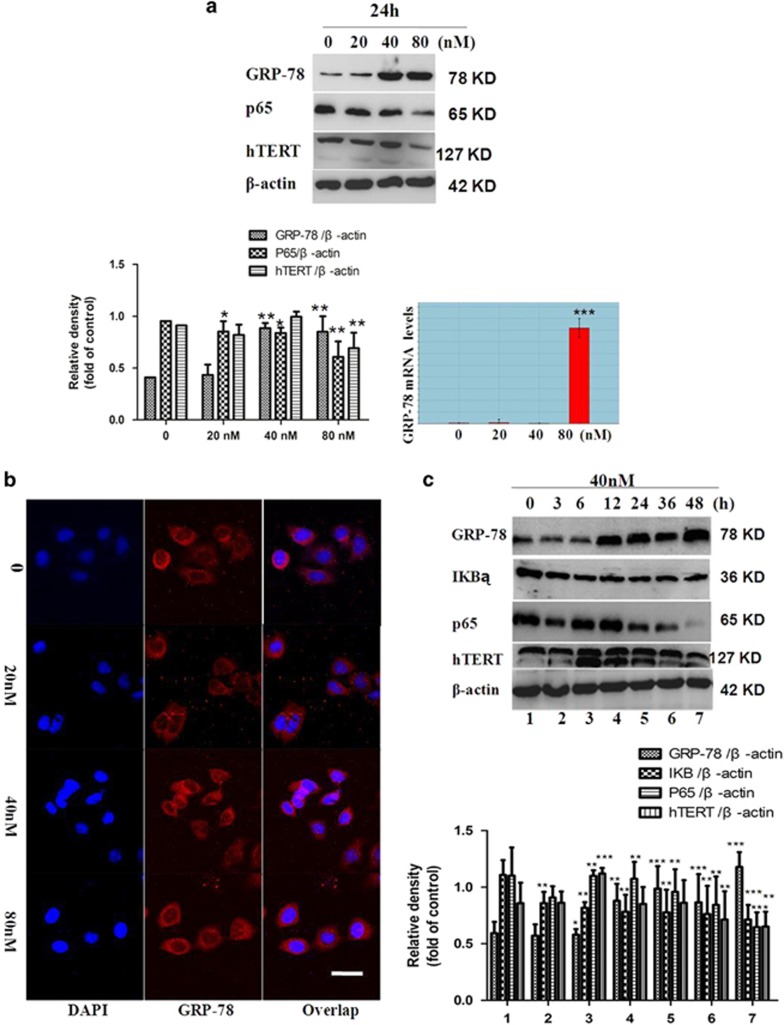
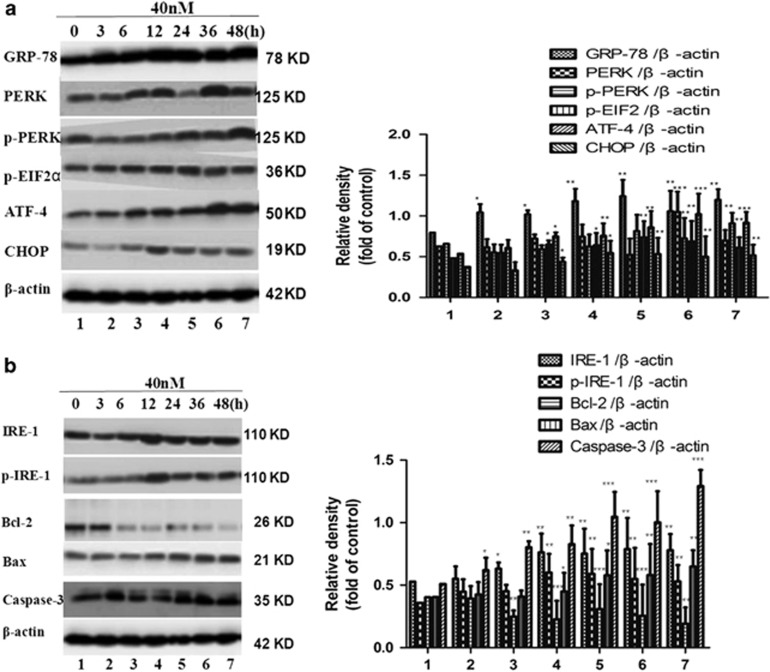
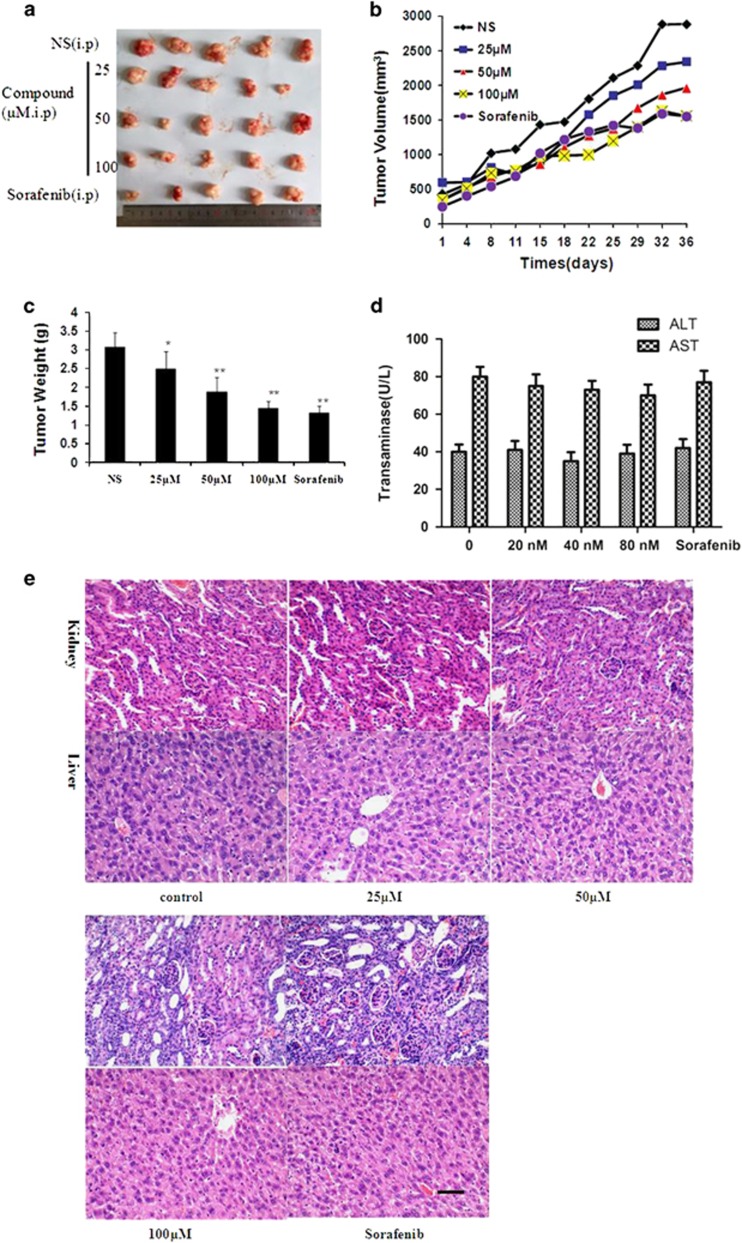
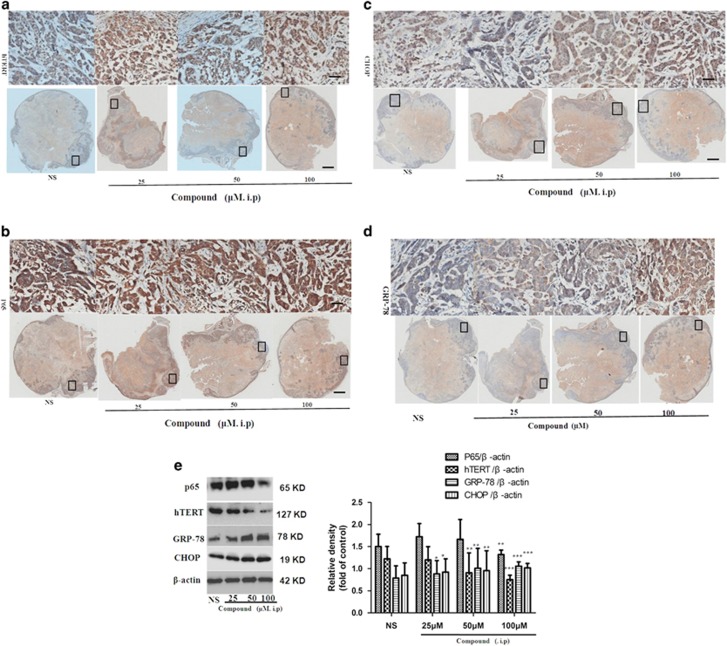
Dominant-negative mutants of telomerase hTERT were demonstrated to have selective effects in tumor cells. However, no any effective and highly selective hTERT inhibitor has been developed so far. We focused on developing new hTERT modulators and synthesized a small molecular compound, named (4-bromophenyl)(3-hydroxy-4-methoxyphenyl)methanone. Our in vitro studies found that title compound showed high inhibitory activity against telomerase, had high antiproliferative capacity on SMMC-7721 cells with IC value 88 nm, and had no obvious toxic effect on human normal hepatocyte cells with IC value 10 μM. Our in vivo studies showed that this compound significantly inhibited tumor growth in xenograft tumor models. The further molecular mechanisms of title compound inhibition SMMC-7721 cell proliferation by modulating hTERT were explored; the results showed that endoplasmic reticulum stress (ERS) through ER over response (EOR) activates the expression of hTERT, and then induces ERS, which is believed to be intricately associated with oxidative stress and mitochondrial dysfunction, resulting in apoptotic cell death, thereby modulating the expression of downstream signaling molecules including CHOP (CAAT/enhancer-binding protein homologous protein)) and mitochondrion pathway of apoptosis, leading to inhibition of cell proliferation.
端粒酶 hTERT 的显性负突变体已被证明对肿瘤细胞具有选择性作用。然而,迄今为止尚未开发出任何有效且高度选择性的 hTERT 抑制剂。我们专注于开发新的 hTERT 调节剂,并合成了一种小分子化合物,名为(4-溴苯基)(3-羟基-4-甲氧基苯基)甲酮。我们的体外研究发现,该标题化合物对端粒酶表现出高抑制活性,对 SMMC-7721 细胞具有高的抗增殖能力,IC 值为 88nm,对人正常肝细胞无明显毒性,IC 值为 10μM。我们的体内研究表明,该化合物在异种移植肿瘤模型中显著抑制肿瘤生长。进一步探讨了该化合物通过调节 hTERT 抑制 SMMC-7721 细胞增殖的分子机制;结果表明,内质网应激(ERS)通过过度反应(EOR)激活 hTERT 的表达,然后诱导 ERS,这与氧化应激和线粒体功能障碍密切相关,导致细胞凋亡死亡,从而调节下游信号分子的表达,包括 CHOP(CCAAT/增强子结合蛋白同源蛋白)和线粒体凋亡途径,从而抑制细胞增殖。