Abd-Rabou Ahmed A, Abdalla Aboelfetoh M, Ali Naglaa A, Zoheir Khairy MA
Hormones Department, Medical Research Division, National Research Centre, Giza, Egypt. Email:
Asian Pac J Cancer Prev. 2017 Aug 27;18(8):2141-2149. doi: 10.22034/APJCP.2017.18.8.2141.
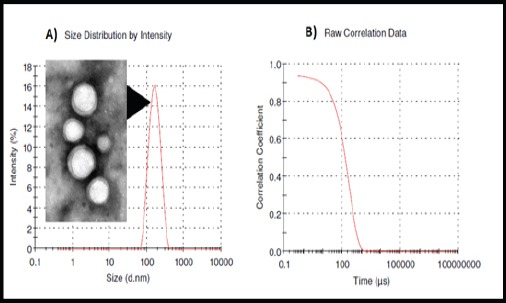
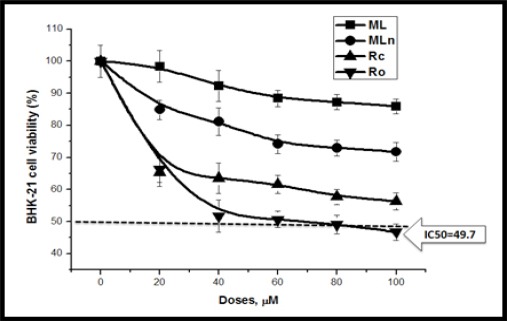
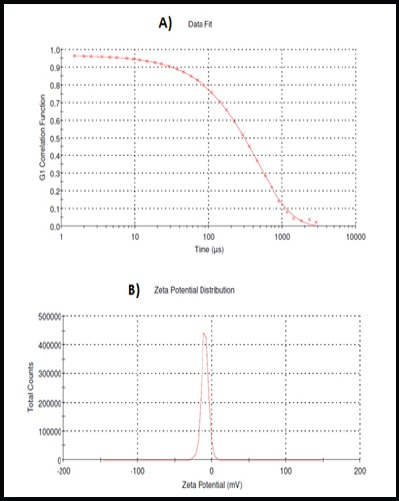
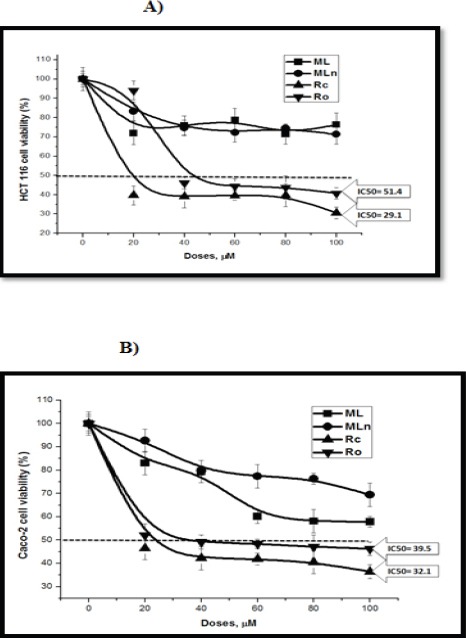
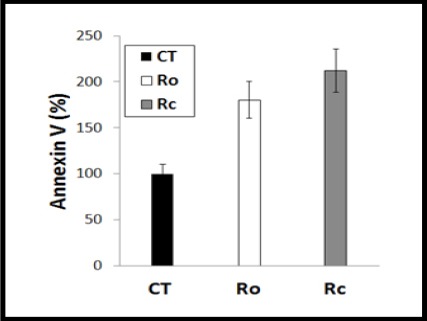
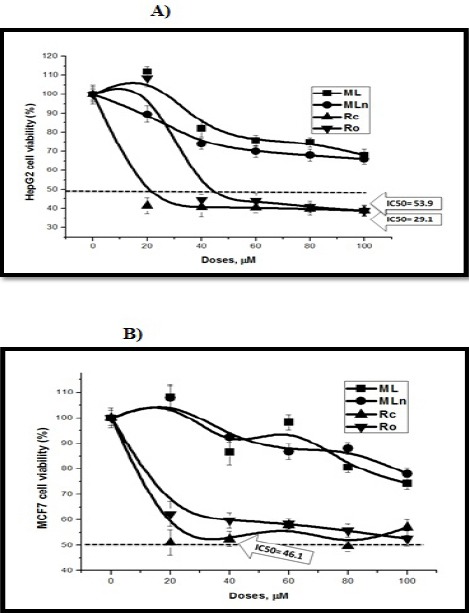
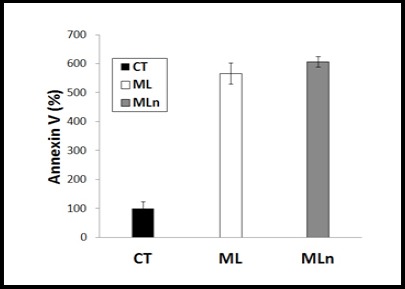
Medicinal plants are important elements of indigenous medical system that have persisted in developing countries. Many of the botanical chemo-preventions currently used as potent anticancer agents. However, some important anticancer agents are still extracted from plants because they cannot be synthesized chemically on a commercial scale due to their complex structures that often contain several chiral centers. The aim of this study was to test different extracts from the Moringa oleifera leaves (ML), its PLGA-CS-PEG nanocomposites (MLn), as well as root core (Rc) and outer (Ro) parts for activity against hepatocarcinoma HepG2, breast MCF7, and colorectal HCT 116/ Caco-2 cells in vitro. Nano-composites were prepared and characterized. Then, the nanocomposites and the free counterparts were screened on different propagated cancer cell lines. The underlying cytotoxic impact was followed using apoptosis measurements. All extracts kill the different cancer cells with different ratios, but intriguingly, the root core extract could kill the majority of cancer cells (approximately 70-80%), while sparing normal BHK-21 cells with minimal inhibitory effect (approximately 30-40%). Apoptotic cell increment came to confirm the cytotoxic effects of these extracts on HCT 116 cells (Rc: 212% and Ro: 180%, respectively) and HepG2 cells (ML: 567.5% and MLn: 608%, respectively) compared to control (100%) mechanistically wise. Moringa oleifera nanocomposites may have potential for use as a natural source of anti-cancer compounds.
药用植物是发展中国家一直存在的本土医疗体系的重要组成部分。目前许多植物化学预防剂被用作有效的抗癌药物。然而,一些重要的抗癌药物仍从植物中提取,因为它们由于结构复杂(通常含有多个手性中心)而无法进行商业规模的化学合成。本研究的目的是测试辣木叶片(ML)、其聚乳酸-羟基乙酸共聚物-壳聚糖-聚乙二醇纳米复合材料(MLn)以及根芯(Rc)和根外皮(Ro)部分的不同提取物对肝癌HepG2、乳腺癌MCF7和结肠直肠癌HCT 116/Caco-2细胞的体外活性。制备并表征了纳米复合材料。然后,在不同的传代癌细胞系上筛选纳米复合材料和游离提取物。通过凋亡测量来跟踪潜在的细胞毒性影响。所有提取物都能以不同比例杀死不同的癌细胞,但有趣的是,根芯提取物能杀死大多数癌细胞(约70-80%),同时对正常的BHK-21细胞的抑制作用最小(约30-40%)。凋亡细胞的增加证实了这些提取物对HCT 116细胞(Rc:分别为212%和Ro:180%)和HepG2细胞(ML:567.5%和MLn:608%)的细胞毒性作用,与对照组(100%)相比,从机制上来说是这样的。辣木纳米复合材料可能有潜力作为抗癌化合物的天然来源。