Fawcett Christine, Arslan Melda, Falck-Ytter Terje, Roeyers Herbert, Gredebäck Gustaf
Uppsala University, Uppsala, Sweden.
Ghent University, Gent, Belgium.
Sci Rep. 2017 Aug 29;7(1):9601. doi: 10.1038/s41598-017-08223-3.
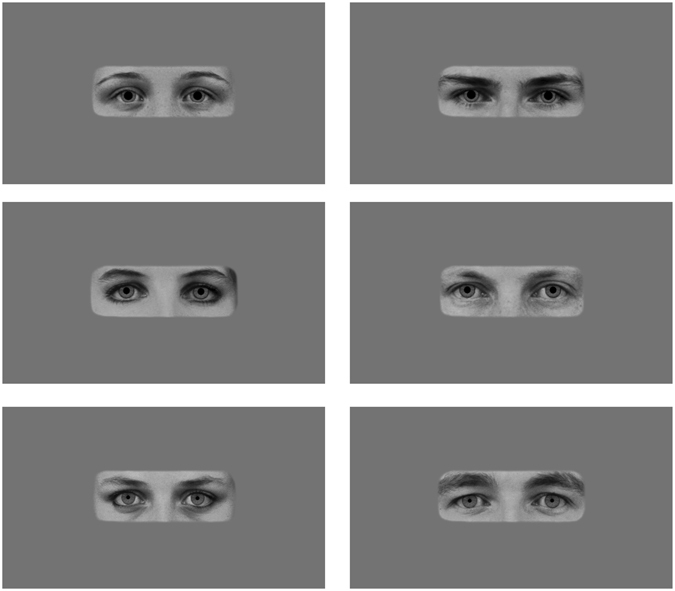
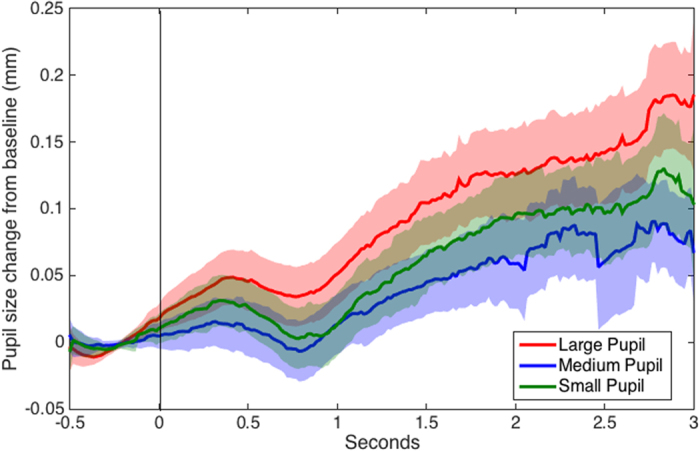
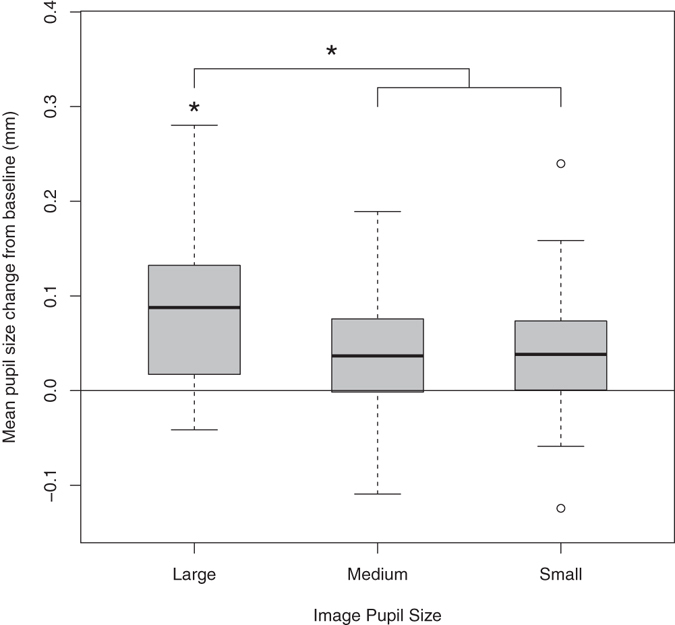
Being sensitive and responsive to others' internal states is critical for social life. One reliable cue to what others might be feeling is pupil dilation because it is linked to increases in arousal. When adults view an individual with dilated pupils, their pupils dilate in response, suggesting not only sensitivity to pupil size, but a corresponding response as well. However, little is known about the origins or mechanism underlying this phenomenon of pupillary contagion. Here we show that 4- to 6-month-old infants show pupillary contagion when viewing photographs of eyes with varying pupil sizes: their pupils dilate in response to others' large, but not small or medium pupils. The results suggest that pupillary contagion is likely driven by a transfer of arousal and that it is present very early in life in human infants, supporting the view that it could be an adaptation fundamental for social and emotional development.
对他人的内在状态保持敏感并做出反应对社交生活至关重要。他人可能的感受的一个可靠线索是瞳孔扩张,因为它与唤醒水平的提高有关。当成年人看到一个瞳孔扩张的人时,他们的瞳孔也会相应地扩张,这不仅表明对瞳孔大小敏感,而且也有相应的反应。然而,对于这种瞳孔传染现象的起源或机制知之甚少。在这里,我们表明4至6个月大的婴儿在观看瞳孔大小不同的眼睛照片时会出现瞳孔传染:他们的瞳孔会对他人扩张的大瞳孔做出反应,而对小瞳孔或中等大小的瞳孔则不会。结果表明,瞳孔传染可能是由唤醒的传递驱动的,并且在人类婴儿生命的早期就存在,这支持了它可能是社交和情感发展的基本适应的观点。