School of Pharmaceutical Sciences, Key Laboratory of State Ministry of Education, Key Laboratory of Henan province for Drug Quality Control and Evaluation, Collaborative Innovation Center of New Drug Research and Safety Evaluation, Zhengzhou University, 100 Kexue Avenue, Zhengzhou, Henan, 450001, China.
School of Basic Medicinal Science, Zhengzhou University, 100 Kexue Avenue, Zhengzhou, Henan, 450001, China.
Sci Rep. 2017 Aug 29;7(1):9873. doi: 10.1038/s41598-017-10400-3.
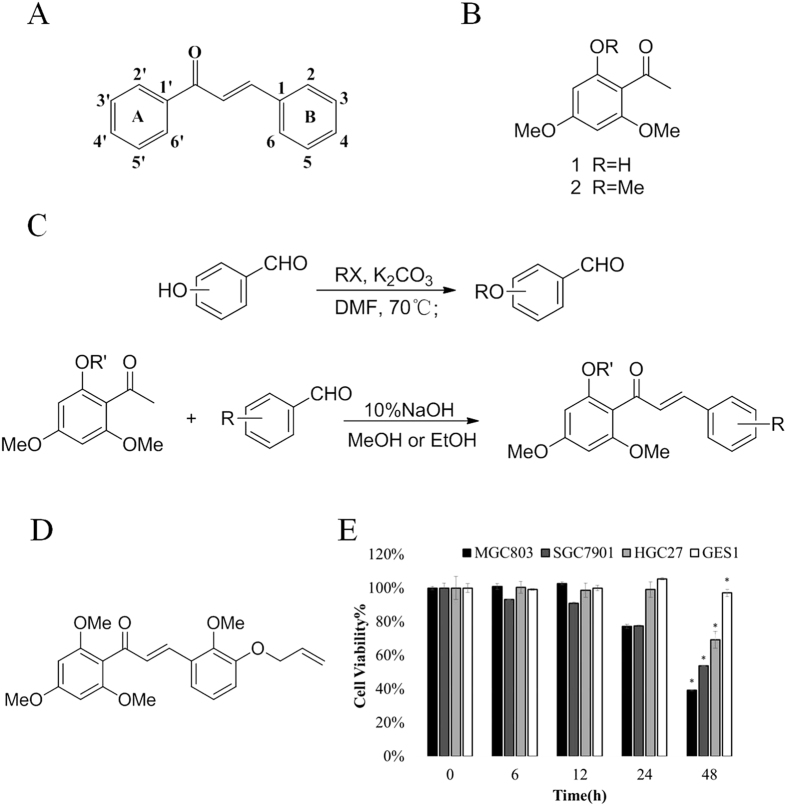
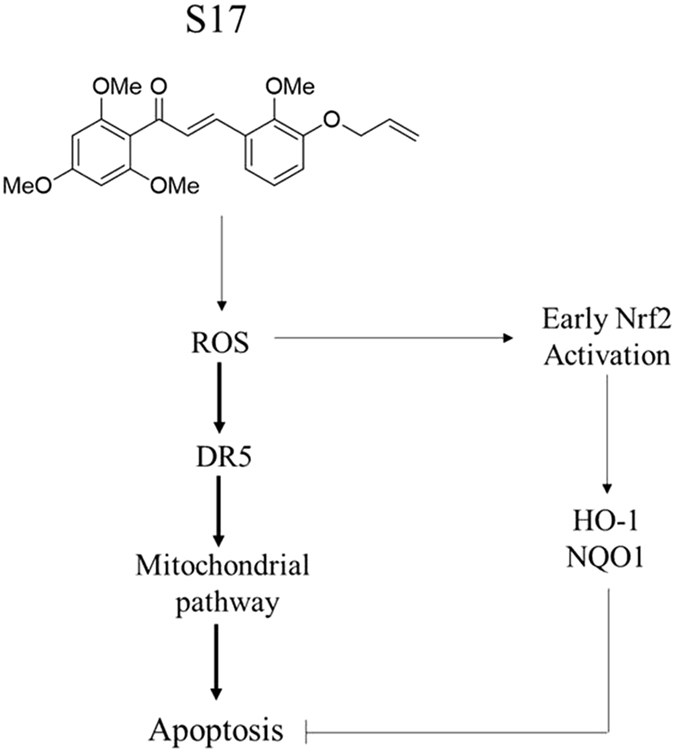
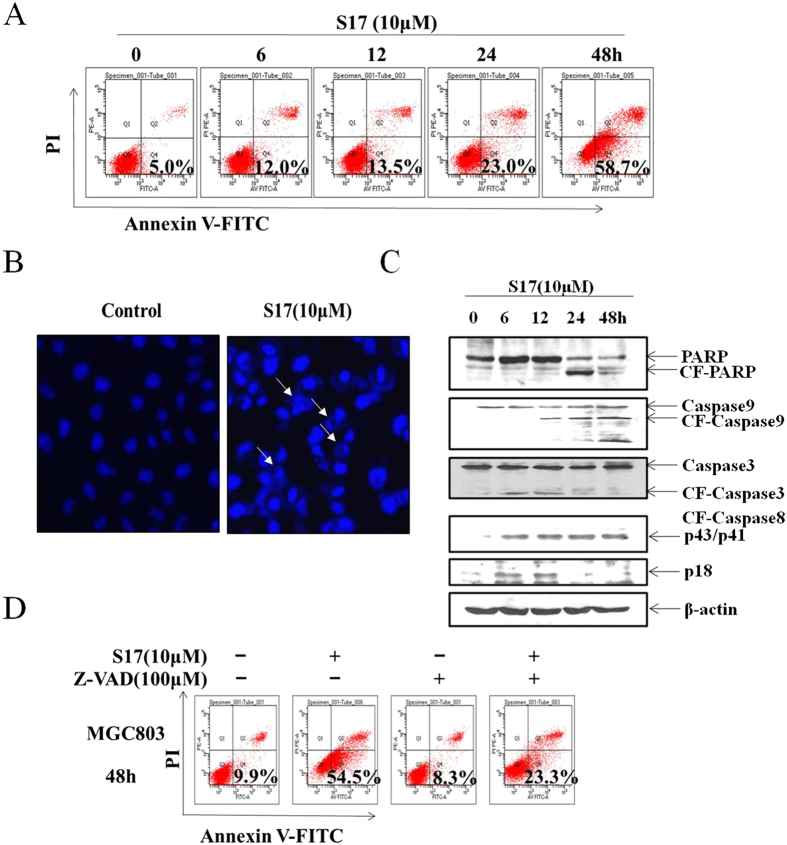
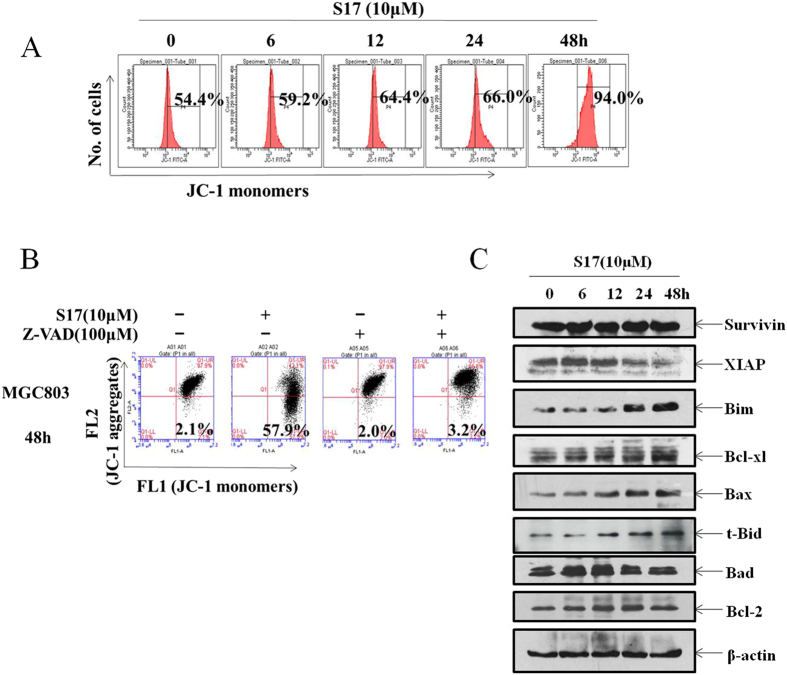
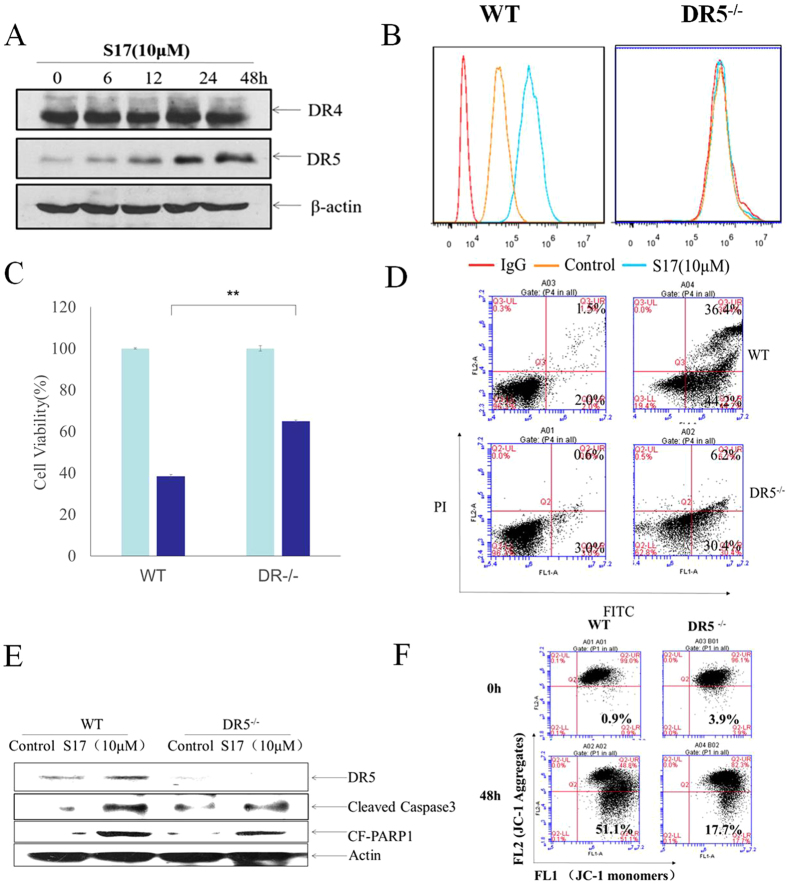
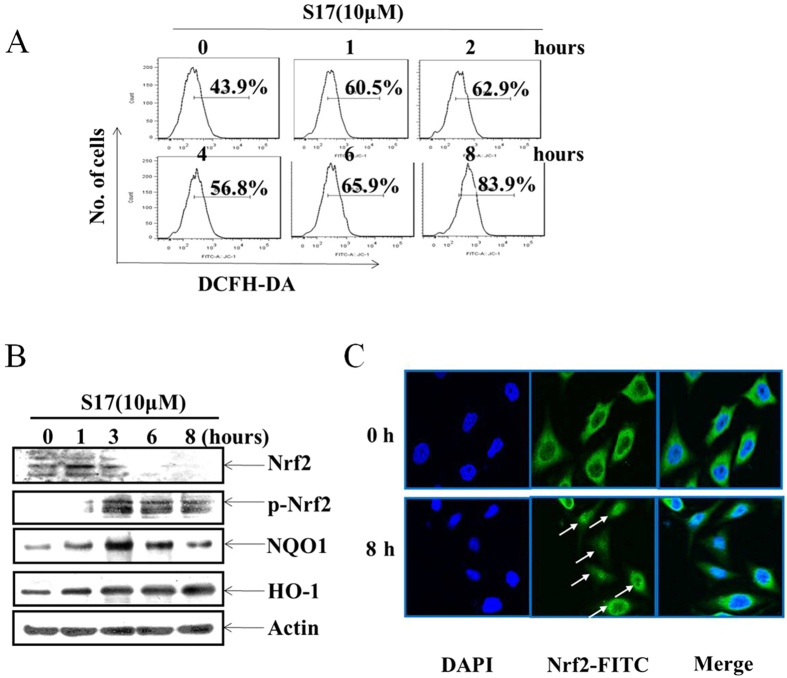
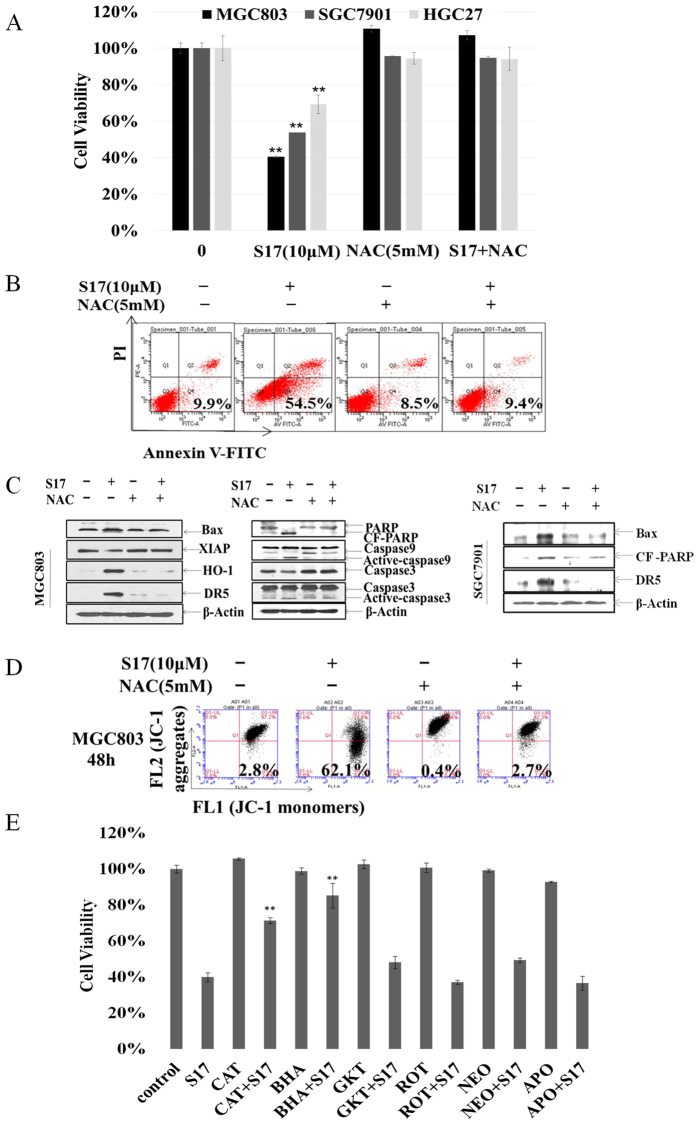
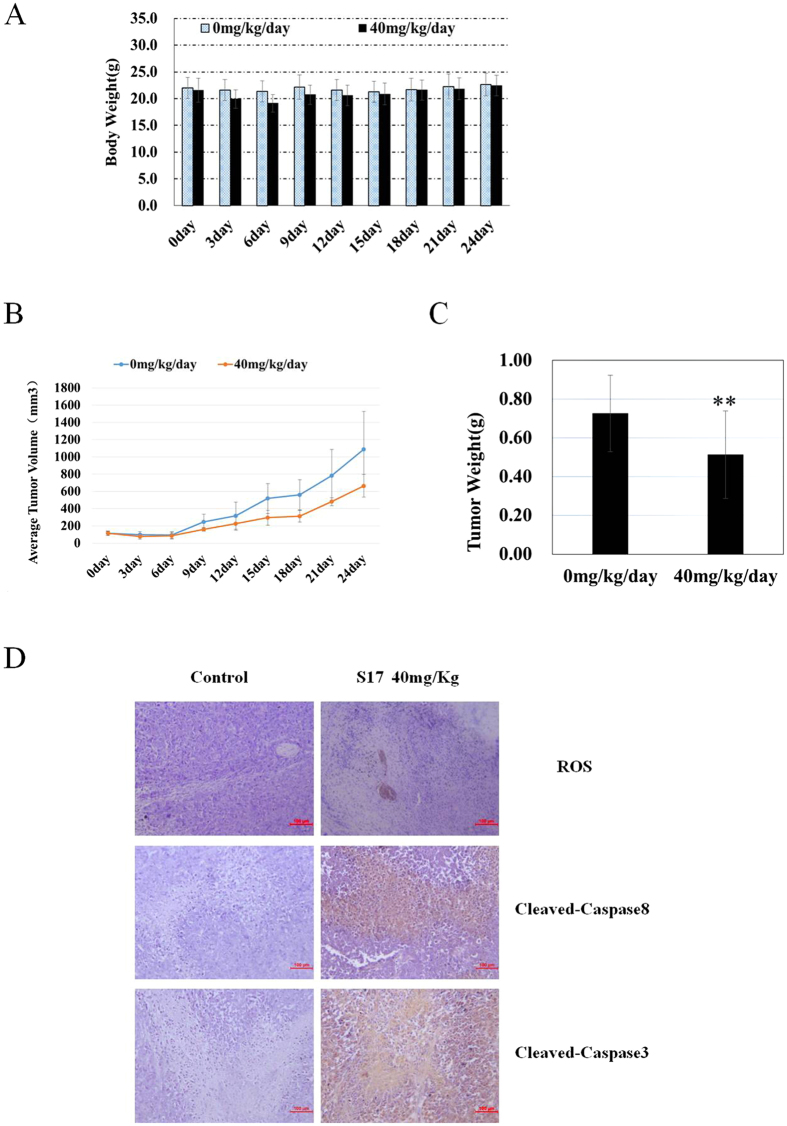
A new series of etherification chalcone derivatives were designed and synthesized through Willimison etherification and Claisen-Schmidt condensation. Among them, compound 2-c which was given chemical name of S17, has been successfully screened out as the most potent one on gastric cancer cell line(MGC803) through the investigation for their effects against the growth of five cancer cell lines (EC109, HepG2, MCF7, MGC803, SKNSH). S17 exhibited strong anti-proliferative activity on other two gastric cancer cells (HGC27 and SGC7901), but less cytotoxicity to non-malignant gastric epithelial cells GES1. S17 potently killed gastric cancer cells with causing modulation of Bcl-2 family proteins and activation of caspase 9/3 cascade. S17 also up-regulated DR5 expression and DR5 knockdown partially reversed S17-induced apoptosis, caspase activation and MMP decrease. S17 robustly induced generation of ROS with Keap/Nrf2 pathway activated and the application of ROS scavenger N-acetyl cysteine (NAC) completely blocked these effects by S17 in MGC803 cells. Intraperitoneal administration of S17 significantly inhibited the growth of MGC803 cells in vivo in a xenograft mouse model without observed toxicity. These results indicated that S17 is a leadbrominated chalcone derivate and deserves further investigation for prevention and treatment of gastric cancer.
设计并合成了一系列新型的醚化查尔酮衍生物,通过Williamson 醚化和Claisen-Schmidt 缩合反应得到。其中,化合物 2-c 被命名为 S17,通过对五种癌细胞系(EC109、HepG2、MCF7、MGC803、SKNSH)生长抑制作用的研究,成功筛选出对胃癌细胞系(MGC803)活性最强的化合物。S17 对另外两种胃癌细胞(HGC27 和 SGC7901)也表现出很强的抗增殖活性,但对非恶性胃上皮细胞 GES1 的细胞毒性较小。S17 能有效地杀死胃癌细胞,导致 Bcl-2 家族蛋白的调节和 caspase 9/3 级联的激活。S17 还上调了 DR5 的表达,DR5 敲低部分逆转了 S17 诱导的细胞凋亡、caspase 激活和 MMP 下降。S17 能强烈诱导 ROS 的产生,同时激活 Keap/Nrf2 通路,应用 ROS 清除剂 N-乙酰半胱氨酸(NAC)可完全阻断 S17 在 MGC803 细胞中的这些作用。S17 在体内异种移植小鼠模型中腹腔给药能显著抑制 MGC803 细胞的生长,且未观察到毒性。这些结果表明,S17 是一种含溴查尔酮衍生物,值得进一步研究用于预防和治疗胃癌。