Álvarez García Jesús, García Gómez-Heras Soledad, Riera Del Moral Luis, Largo Carlota, García-Olmo Damián, García-Arranz Mariano
Vascular Surgery, Hospital Quirón San Camilo, Madrid, Spain.
Department of Human Hystology, Health Science Faculty, Rey Juan Carlos University, Alcorcón, Madrid, Spain.
PeerJ. 2017 Aug 21;5:e3664. doi: 10.7717/peerj.3664. eCollection 2017.
Diabetes is one of the major risk factors for peripheral arterial disease. In patients in whom surgery cannot be performed, cell therapy may be an alternative treatment. Since time is crucial for these patients, we propose the use of allogenic mesenchymal cells.
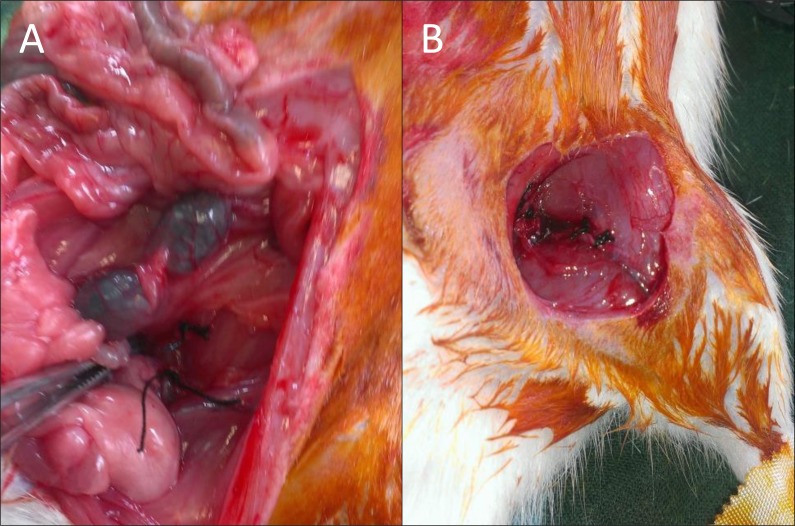
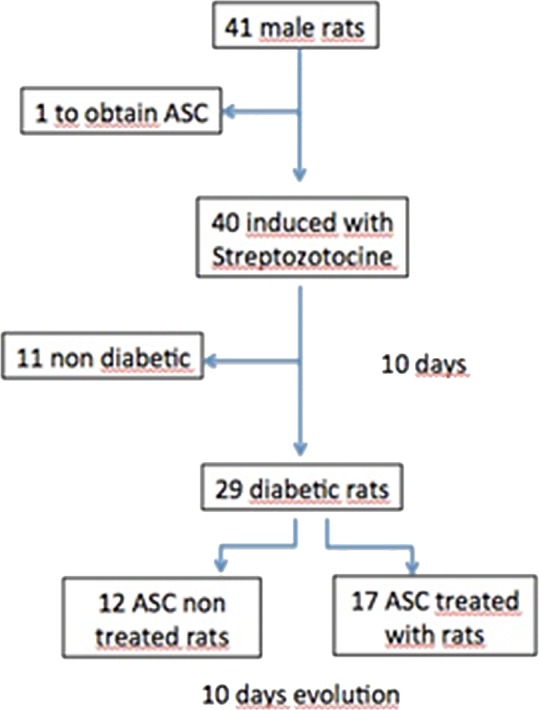
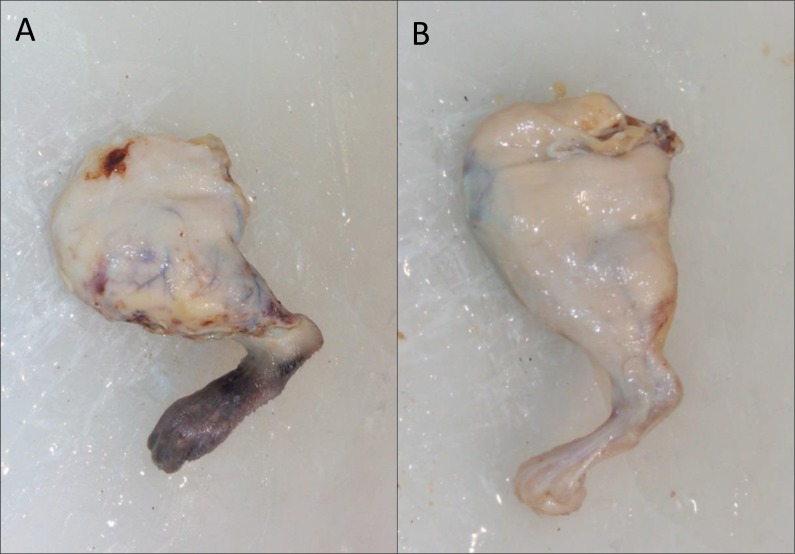
We obtained mesenchymal cells derived from the fat tissue of a healthy Sprague-Dawley rat. Previous diabetic induction with streptozotocin in 40 male Sprague-Dawley rats, ligation plus left iliac and femoral artery sections were performed as a previously described model of ischemia. After 10 days of follow-up, macroscopic and histo-pathological analysis was performed to evaluate angiogenic and inflammatory parameters in the repair of the injured limb. All samples were evaluated by the same blind researcher. Statistical analysis was performed using the SPSS v.11.5 program ( < 0.05).
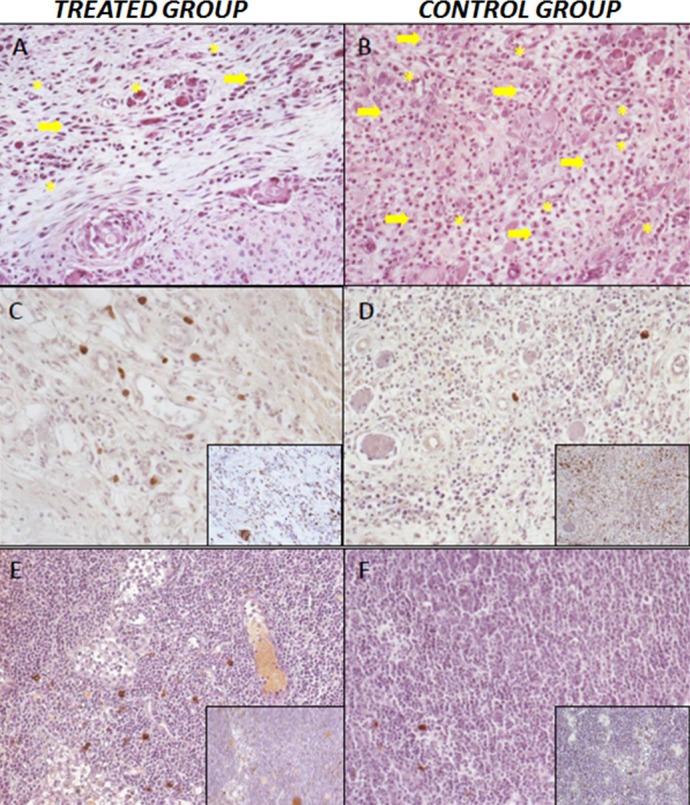
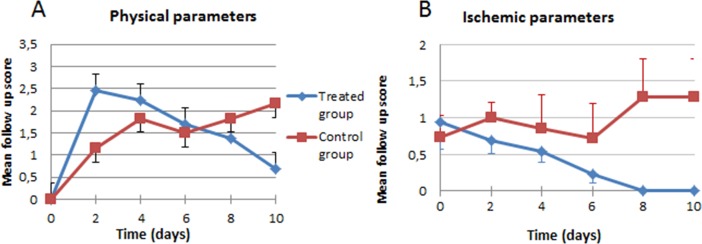
Seventy percent of the rats treated with streptozotocin met the criteria for diabetes. Macroscopically, cell-treated rats presented better general and lower ischemic clinical status, and histologically, a better trend towards angiogenesis, greater infiltration of type 2 macrophages and a shortening of the inflammatory process. However, only the inflammatory variables were statistically significant. No immunological reaction was observed with the use of allogeneic cells.
The application of allogeneic ASCs in a hind limb ischemic model in diabetic animals shows no rejection reactions and a reduction in inflammatory parameters in favor of better repair of damaged tissue. These results are consistent with other lines of research in allogeneic cell therapy. This approach might be a safe, effective treatment option that makes it feasible to avoid the time involved in the process of isolation, expansion and production of the use of autologous cells.
糖尿病是外周动脉疾病的主要危险因素之一。对于无法进行手术的患者,细胞治疗可能是一种替代治疗方法。由于时间对这些患者至关重要,我们建议使用同种异体间充质细胞。
我们从健康的Sprague-Dawley大鼠的脂肪组织中获取间充质细胞。先前对40只雄性Sprague-Dawley大鼠用链脲佐菌素诱导糖尿病,按照先前描述的缺血模型进行结扎加左髂动脉和股动脉切断。随访10天后,进行宏观和组织病理学分析,以评估受伤肢体修复中的血管生成和炎症参数。所有样本均由同一位盲法研究人员进行评估。使用SPSS v.11.5程序进行统计分析(P<0.05)。
用链脲佐菌素治疗的大鼠中有70%符合糖尿病标准。宏观上,细胞治疗的大鼠总体状况更好,缺血临床状态更低,组织学上,血管生成趋势更好,2型巨噬细胞浸润更多,炎症过程缩短。然而,只有炎症变量具有统计学意义。使用同种异体细胞未观察到免疫反应。
在糖尿病动物的后肢缺血模型中应用同种异体脂肪干细胞未显示排斥反应,炎症参数降低,有利于受损组织的更好修复。这些结果与同种异体细胞治疗的其他研究方向一致。这种方法可能是一种安全、有效的治疗选择,使得避免自体细胞分离、扩增和生产过程中所涉及的时间成为可能。