Liu Xiangcheng, Liu Jinglong, Sun Ganghe
Department of Orthopaedics, The Eighty-Ninth Hospital of PLA, Weifang, Shandong Province, China.
Medicine (Baltimore). 2017 Sep;96(35):e7836. doi: 10.1097/MD.0000000000007836.
The ability of preoperative intravenous glucocorticoids to control pain after total knee arthroplasty (TKA) has been examined in many studies, but it remains controversial. Therefore, we undertook a meta-analysis of randomized controlled trials (RCTs) to evaluate the efficacy and safety of preoperative intravenous glucocorticoids for postoperative pain management after TKA.
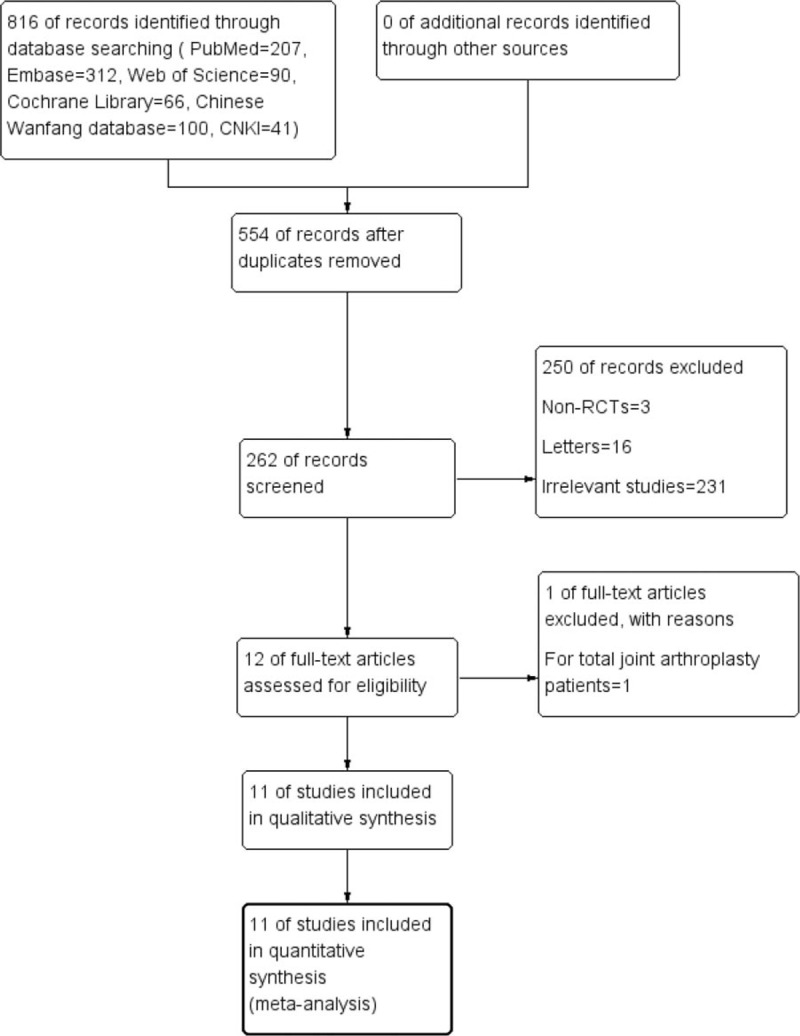
We systematically searched RCTs from electronic databases, including PubMed, Embase, Web of Science, the Cochrane Library, the Chinese Wanfang Database, and the China National Knowledge Infrastructure database. The outcomes included visual analogue scale (VAS) scores at 6, 12, 24, 48, and 72 hours after TKA; the occurrence of postoperative nausea and vomiting (PONV); blood glucose at 6 and 24 hours after TKA; and the occurrence of infection.
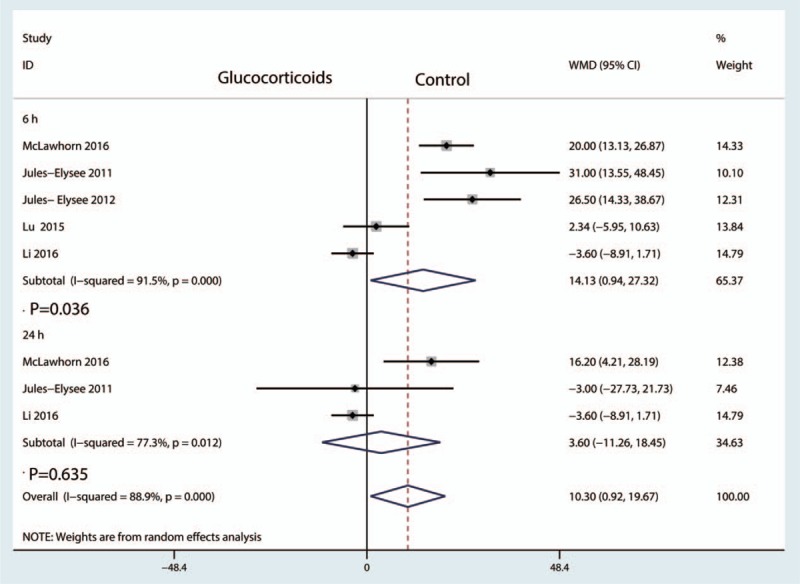
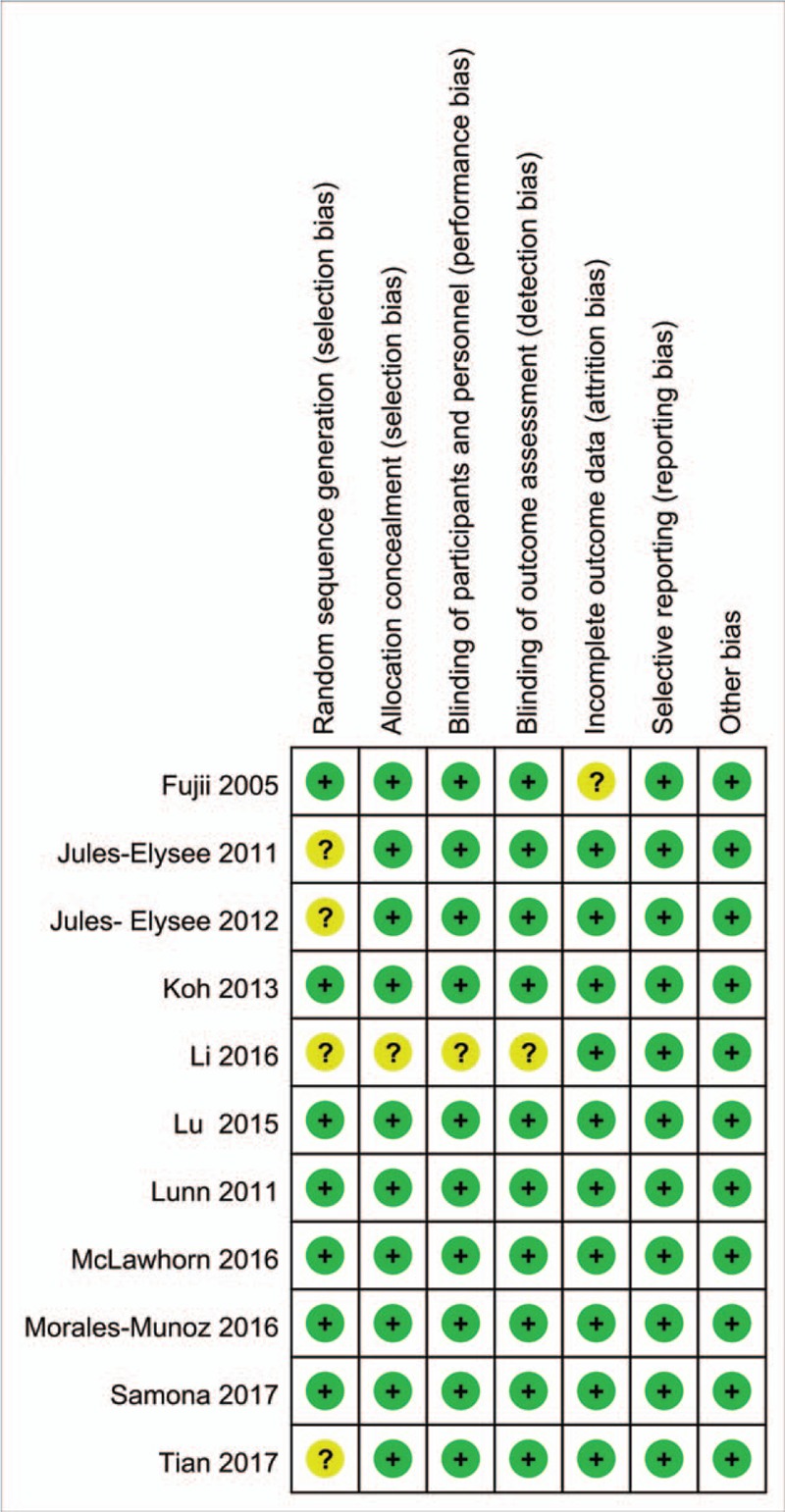
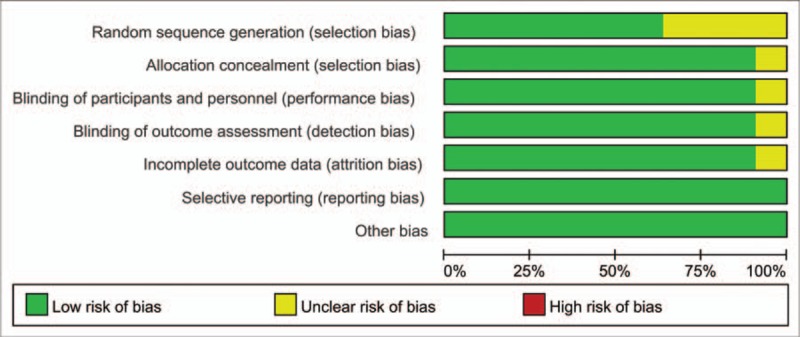
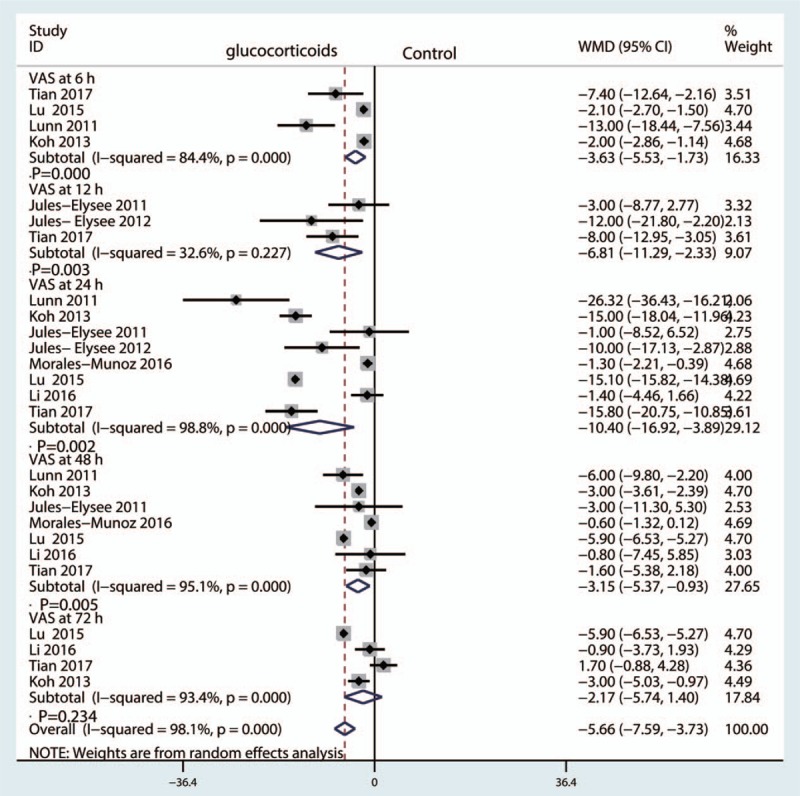
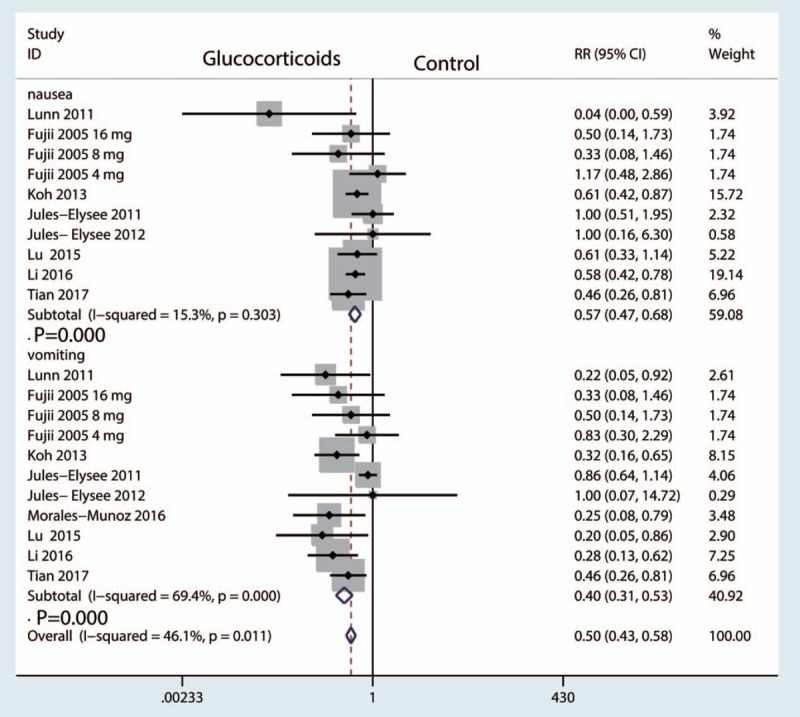
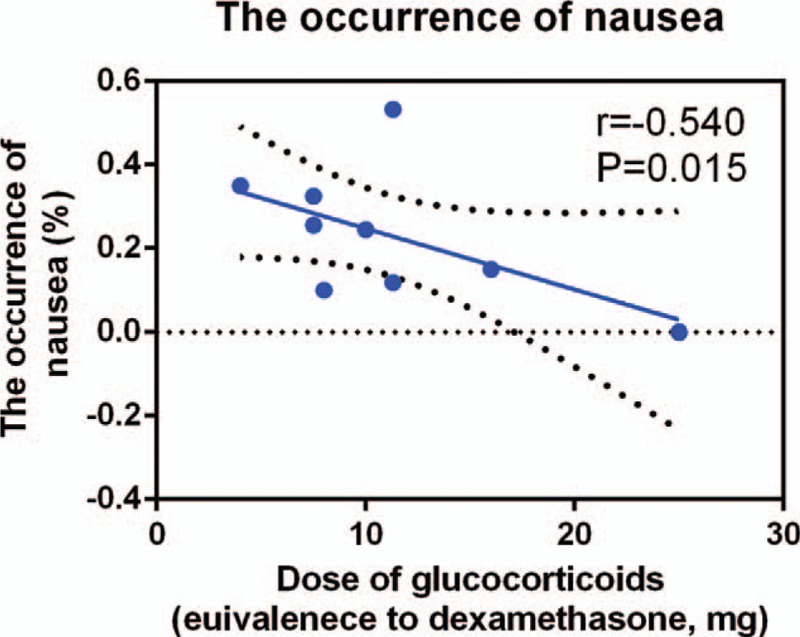
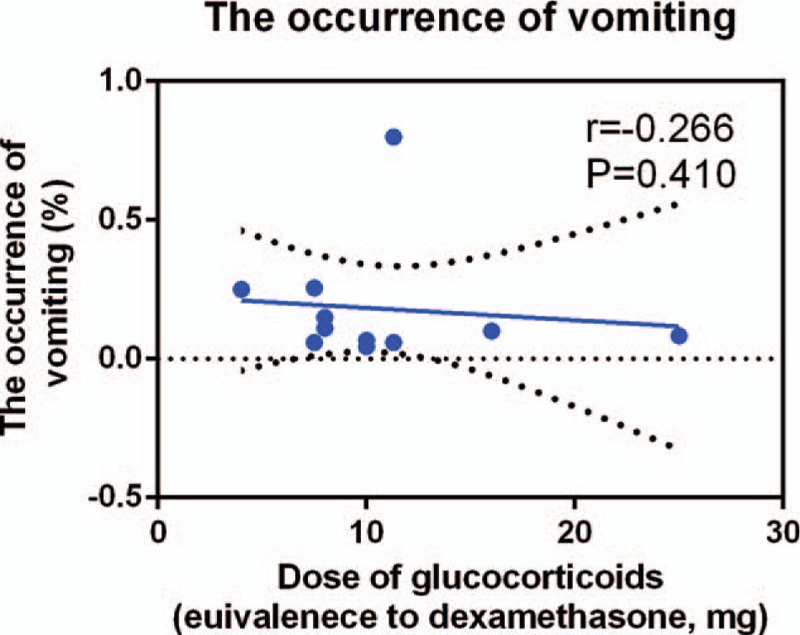
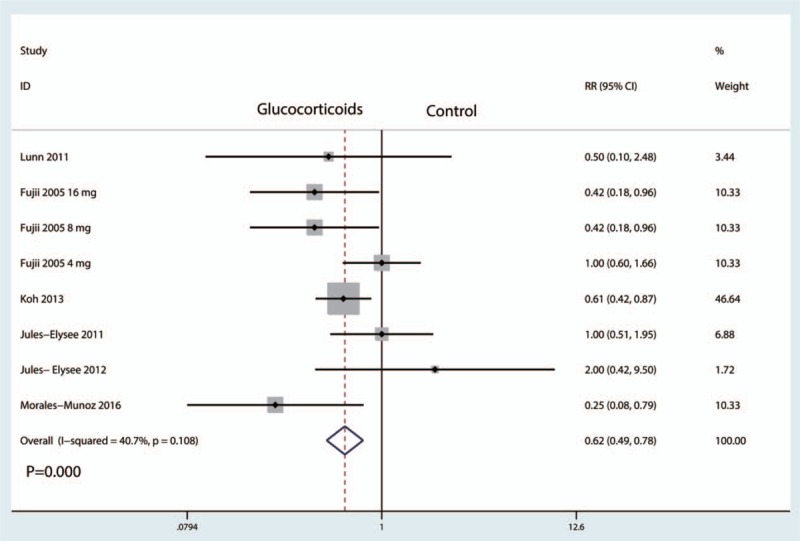
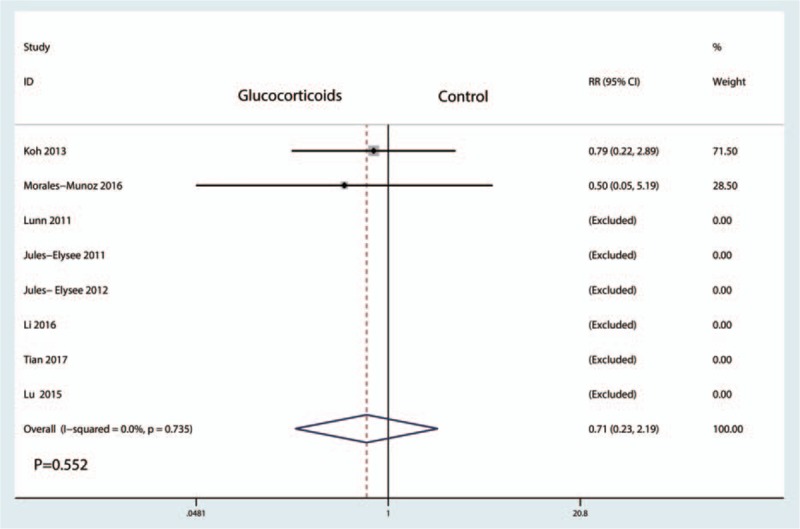
Of the identified studies, a total of 11 RCTs involving 1000 patients (glucocorticoids = 501, control = 499) were included in this meta-analysis. Compared with a placebo, preoperative intravenous glucocorticoids significantly reduced VAS scores at 6, 12, 24, and 48 hours, with decreases of 3.63 points, 6.81 points, 10.40 points, and 3.15 points, respectively, on a 110-point VAS. Moreover, intravenous glucocorticoids were associated with significant decreases of 19.4% and 16.8% in the occurrence of nausea and vomiting, respectively. However, intravenous glucocorticoids were also associated with increased blood glucose with no clinical importance at 6 hours after TKA. No significant difference was found in the occurrence of infection or in blood glucose at 24 hours after TKA.
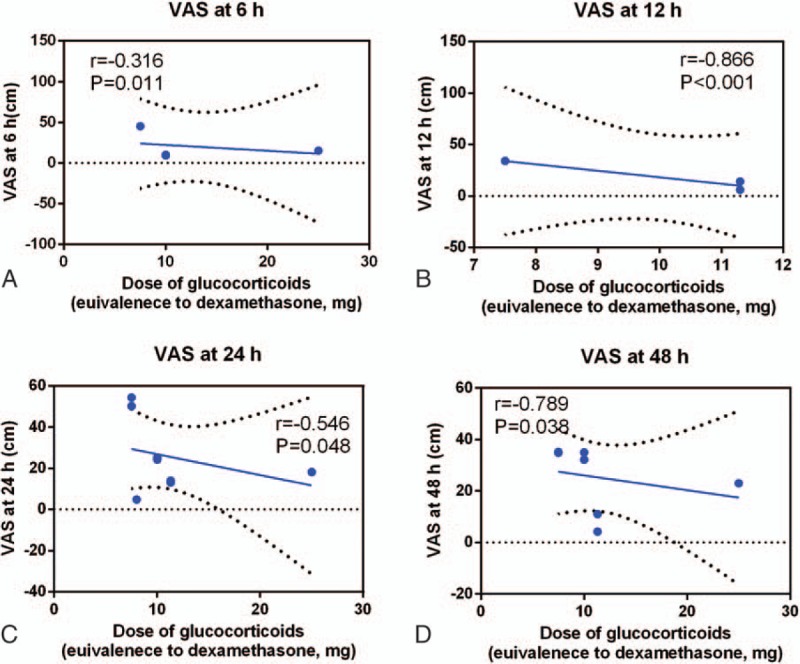
Preoperative intravenous glucocorticoids are an effective and safe method to reduce postoperative pain and PONV in patients following TKA. More studies are necessary to identify the optimal dose and type of glucocorticoids for maximal pain control.
许多研究已对术前静脉注射糖皮质激素控制全膝关节置换术(TKA)后疼痛的能力进行了研究,但仍存在争议。因此,我们进行了一项随机对照试验(RCT)的荟萃分析,以评估术前静脉注射糖皮质激素用于TKA术后疼痛管理的疗效和安全性。
我们系统地检索了电子数据库中的RCT,包括PubMed、Embase、科学网、Cochrane图书馆、中国万方数据库和中国知网数据库。结局指标包括TKA术后6、12、24、48和72小时的视觉模拟评分(VAS);术后恶心呕吐(PONV)的发生情况;TKA术后6和24小时的血糖;以及感染的发生情况。
在纳入的研究中,本荟萃分析共纳入了11项RCT,涉及1000例患者(糖皮质激素组=501例,对照组=499例)。与安慰剂相比,术前静脉注射糖皮质激素显著降低了6、12、24和48小时的VAS评分,在110分的VAS上分别降低了3.63分、6.81分、10.40分和3.15分。此外,静脉注射糖皮质激素使恶心呕吐的发生率分别显著降低了19.4%和16.8%。然而,静脉注射糖皮质激素也与TKA术后6小时血糖升高有关,但无临床意义。TKA术后24小时感染的发生情况或血糖水平未发现显著差异。
术前静脉注射糖皮质激素是减轻TKA患者术后疼痛和PONV的一种有效且安全的方法。需要更多的研究来确定糖皮质激素的最佳剂量和类型以实现最大程度的疼痛控制。