Department of Biology, Queen's University, Kingston, Ontario, K7L 3N6, Canada.
Sci Rep. 2017 Aug 31;7(1):10297. doi: 10.1038/s41598-017-10586-6.
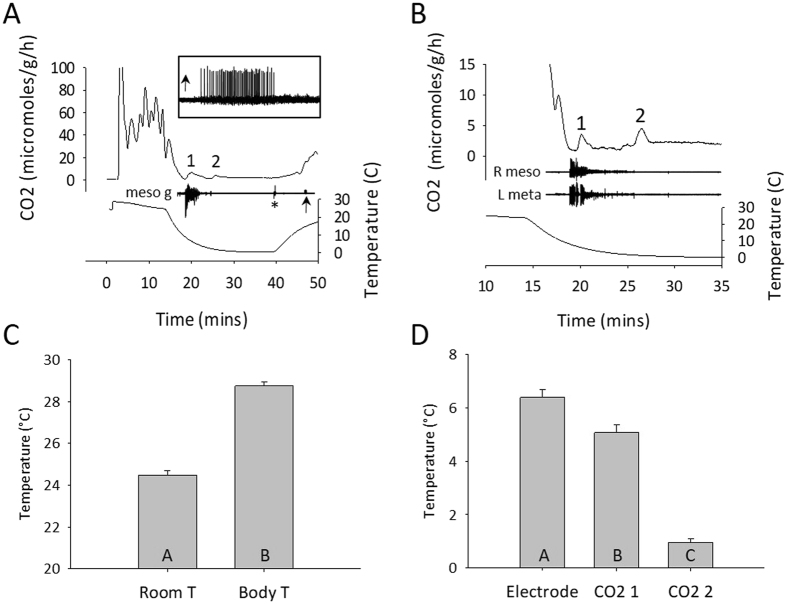
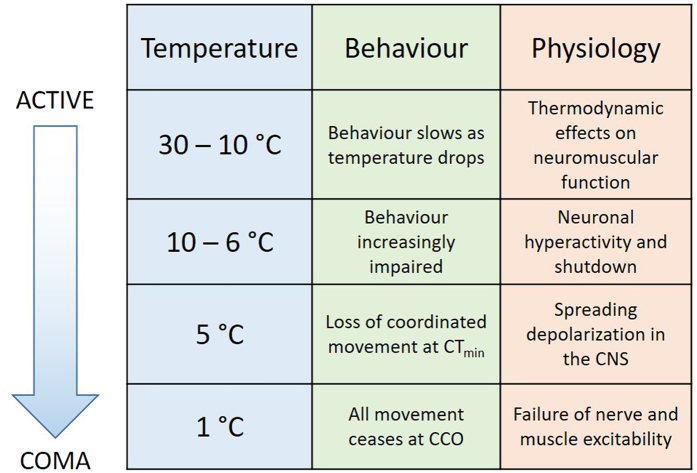
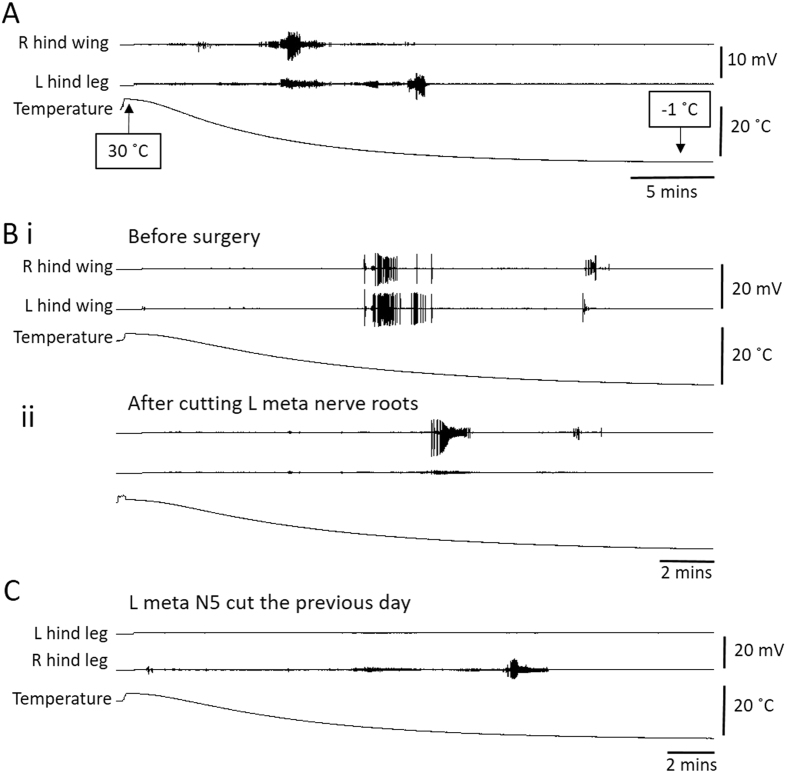
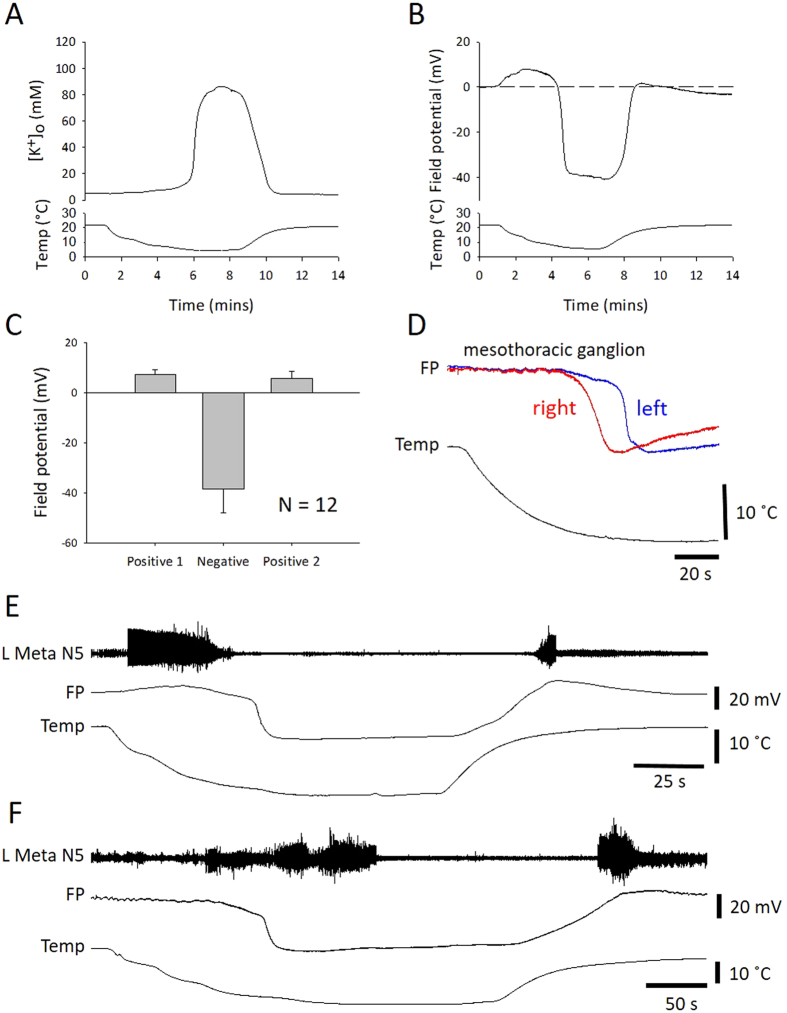
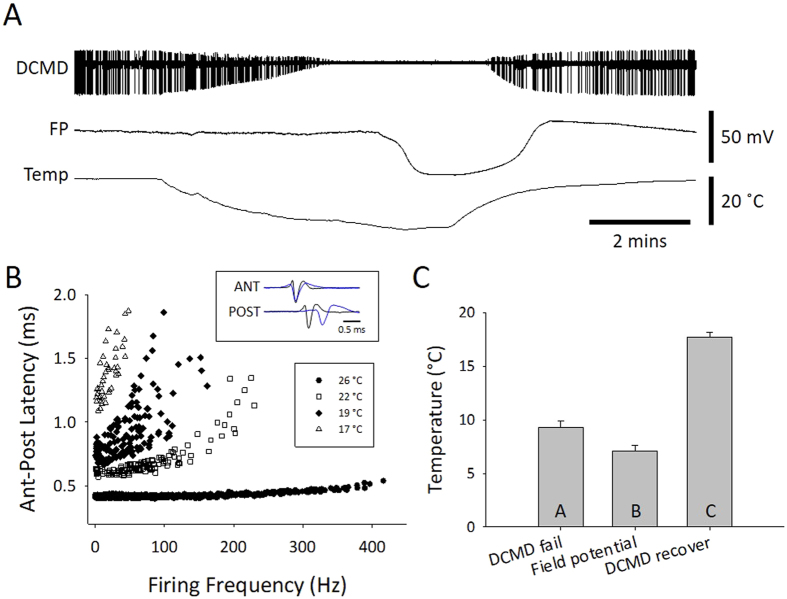
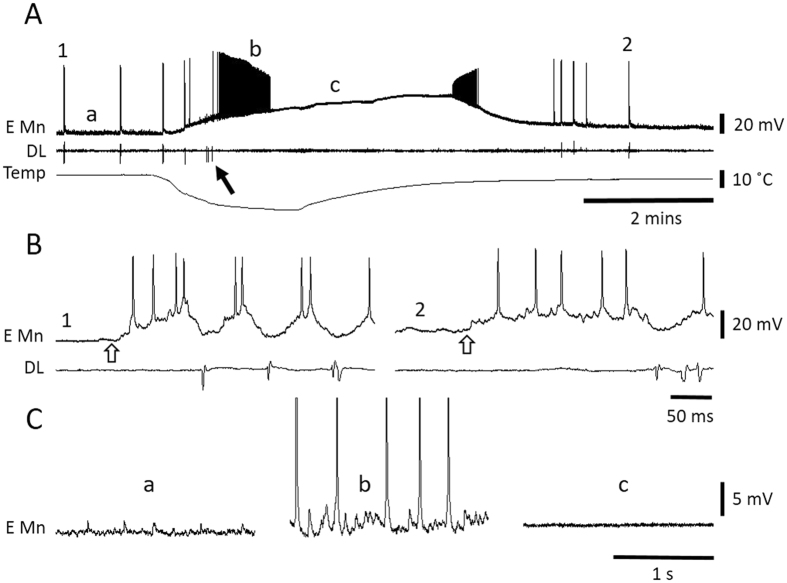
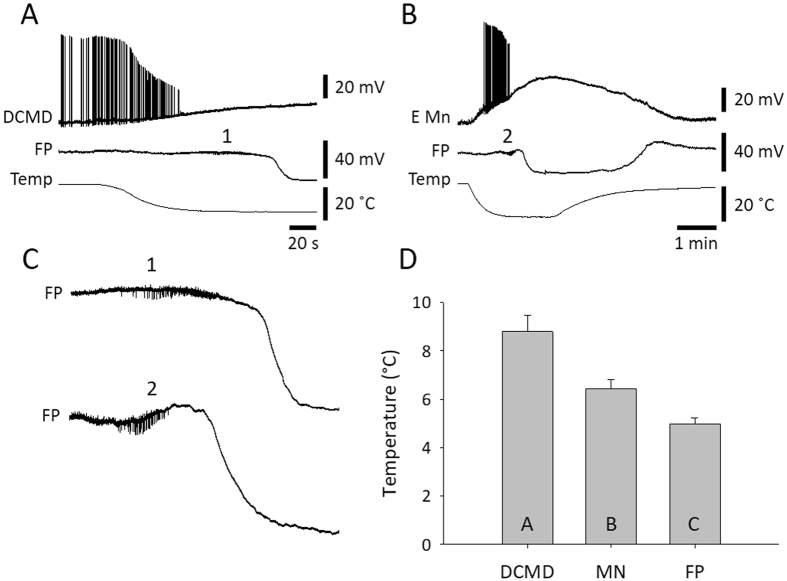
The ability of chill-sensitive insects to function at low temperatures limits their geographic ranges. They have species-specific temperatures below which movements become uncoordinated prior to entering a reversible state of neuromuscular paralysis. In spite of decades of research, which in recent years has focused on muscle function, the role of neural mechanisms in determining chill coma is unknown. Spreading depolarization (SD) is a phenomenon that causes a shutdown of neural function in the integrating centres of the central nervous system. We investigated the role of SD in the process of entering chill coma in the locust, Locusta migratoria. We used thermolimit respirometry and electromyography in whole animals and extracellular and intracellular recording techniques in semi-intact preparations to characterize neural events during chilling. We show that chill-induced SD in the central nervous system is the mechanism underlying the critical thermal minimum for coordinated movement in locusts. This finding will be important for understanding how insects adapt and acclimate to changing environmental temperatures.
对低温敏感的昆虫在低温下的活动能力限制了它们的地理分布范围。在进入可逆的神经肌肉麻痹状态之前,它们有特定于物种的温度,低于该温度,昆虫的运动就会变得不协调。尽管几十年来的研究一直集中在肌肉功能上,但神经机制在确定冷昏迷中的作用仍不清楚。 扩布性去极化(SD)是一种导致中枢神经系统整合中心的神经功能关闭的现象。我们研究了 SD 在蝗虫 Locusta migratoria 进入冷昏迷过程中的作用。我们在整体动物中使用热极限呼吸测量法和肌电图,以及在半完整制剂中使用细胞外和细胞内记录技术来描述冷却过程中的神经事件。我们表明,中枢神经系统中冷诱导的 SD 是导致蝗虫协调运动的临界热最小值的机制。这一发现对于理解昆虫如何适应和适应环境温度的变化将非常重要。