RS Mehta Jain Department of Biochemistry & Cell Biology, KBIRVO Block, Vision Research Foundation, Chennai, India.
Department of Pharmacy, Birla Institute of Technology and Science, Pilani, India.
Indian J Med Res. 2017 Apr;145(4):513-520. doi: 10.4103/ijmr.IJMR_1284_14.
BACKGROUND & OBJECTIVES: The enzyme paraoxonase (PON), an antioxidant enzyme that has both arylesterase and thiolactonase activity, is well studied in cardiovascular diseases. Although a few studies have shown altered PON activity in ocular diseases such as age-related macular degeneration and diabetic retinopathy, but the tissue-wise expression of PON in its three gene forms has not been studied. This study was conducted to see the ocular distribution of PON for any altered expression in ocular pathologies such as in cataract and diabetes mellitus.
Immunohistochemistry (IHC) of the ocular tissues was done for localizing all three forms of the PON in the human donor eyeballs. The PON arylesterase (PON-AREase) and thiolactonase (PON-HCTLase) activities were determined by spectrophotometry in kinetic mode, and the mRNA expression of the PON genes (PON1-3) was determined by reverse transcription-polymerase chain reaction.
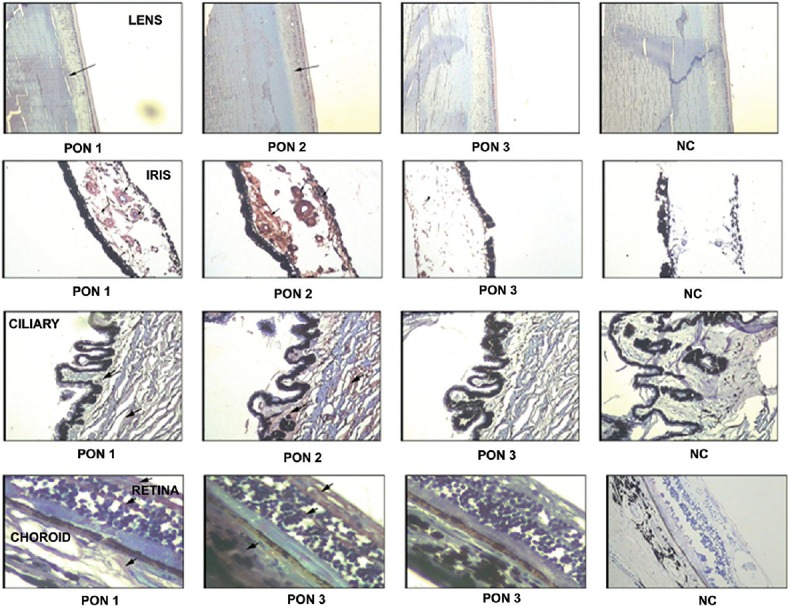
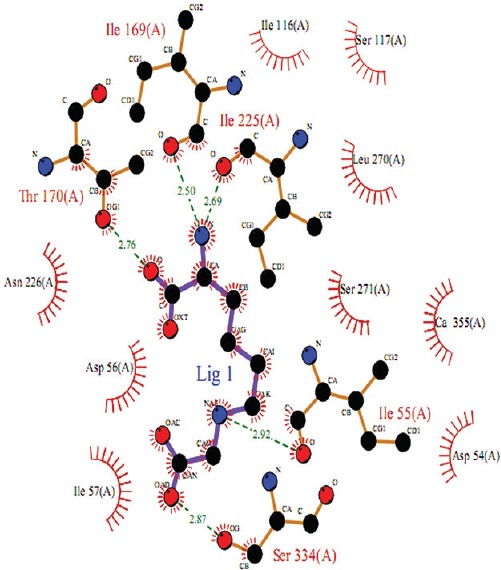
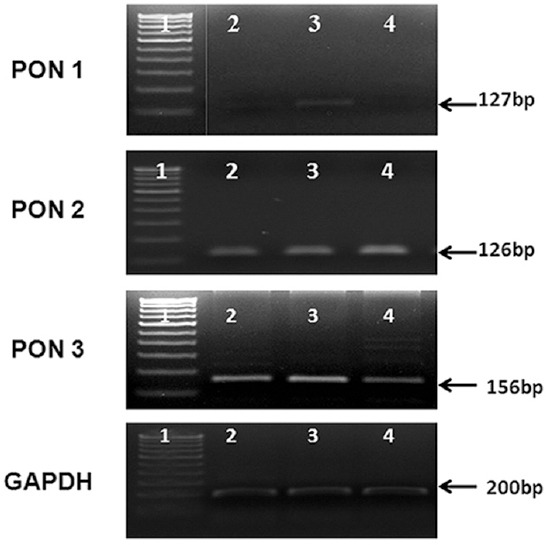
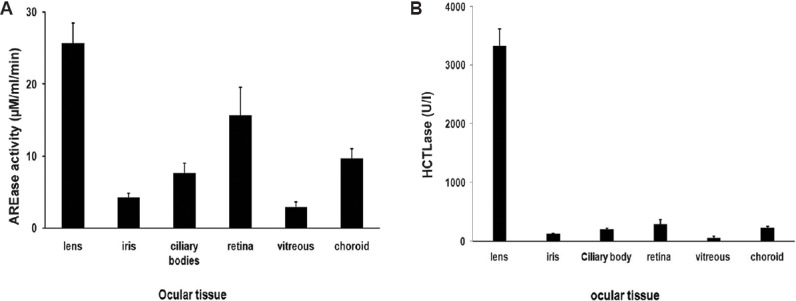
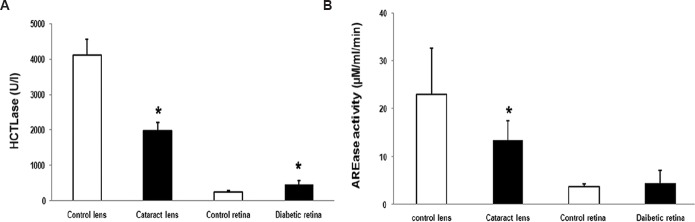
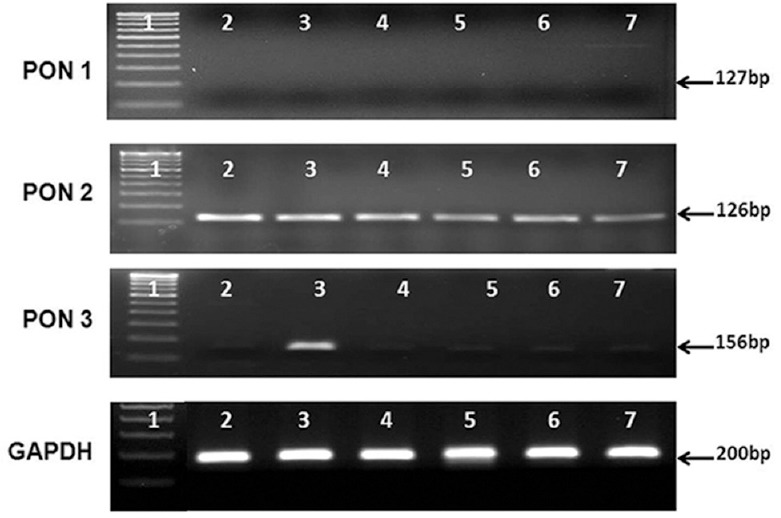
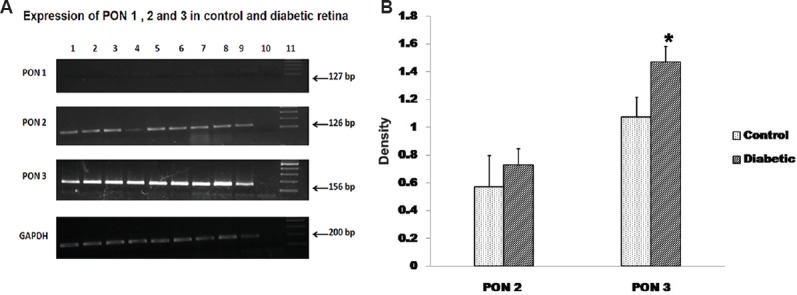
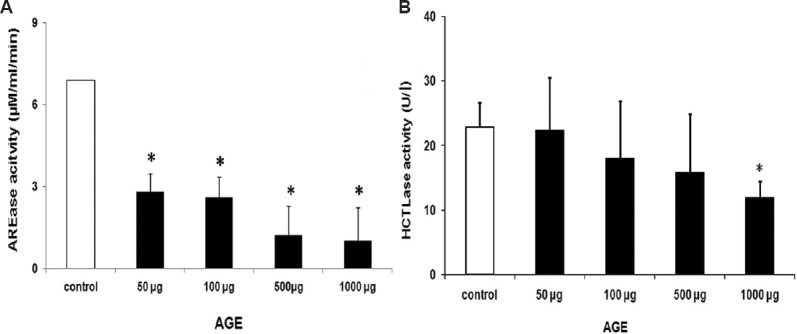
IHC showed the presence of both PON1 and 2 in all the ocular tissues and PON3 was seen only in retina. The mRNA expression analysis showed that PON2 and PON3 were present in all the tissues, whereas PON1 was seen only in ciliary and retina. Both the PON-AREase and PON-HCTLase activities were detected in all ocular tissues and was in the order of lens>retina>choroid>ciliary body>iris. The expression and activity were studied in cataractous lens and in diabetic retina of the donor eyes. A significant decrease in PON-AREase activity was seen in cataractous lens (P<0.05) but not in diabetic retina, and there was an increase in PON- HCTLase activity (P<0.05) only in diabetic retina. Bioinformatic studies and in vitro experiments indicated that advanced glycation end products (AGE) such as carboxymethyl -lysine might decrease the PON- AREase activity of the PON.
INTERPRETATION & CONCLUSIONS: Distribution of PON enzyme and its activity in ocular tissues is reported here. The study revealed maximal PON activity in lens and retina, which are prone to higher oxidative stress. Differential activities of PON were observed in the lens and retinal tissues from cataractous and diabetic patients, respectively.
过氧化物酶(PON)是一种抗氧化酶,具有芳基酯酶和硫内酯酶活性,在心血管疾病中研究较多。尽管有一些研究表明,在年龄相关性黄斑变性和糖尿病性视网膜病变等眼部疾病中,PON 活性发生了改变,但尚未研究其三种基因形式的 PON 在组织中的表达情况。本研究旨在观察 PON 在眼部的分布情况,以了解其在白内障和糖尿病等眼部疾病中的表达变化。
用人捐献眼球进行免疫组织化学(IHC),定位 PON 的三种形式在人眼球中的分布。通过动力学分光光度法测定 PON 的芳基酯酶(PON-AREase)和硫内酯酶(PON-HCTLase)活性,通过逆转录聚合酶链反应测定 PON 基因(PON1-3)的 mRNA 表达。
IHC 显示 PON1 和 2 存在于所有眼部组织中,PON3 仅存在于视网膜中。mRNA 表达分析显示,PON2 和 PON3 存在于所有组织中,而 PON1 仅存在于睫状体和视网膜中。所有眼部组织均检测到 PON-AREase 和 PON-HCTLase 活性,其活性顺序为晶状体>视网膜>脉络膜>睫状体>虹膜。研究了供体眼中白内障晶状体和糖尿病性视网膜中的 PON 表达和活性。白内障晶状体中的 PON-AREase 活性显著降低(P<0.05),但糖尿病性视网膜中没有降低,而糖尿病性视网膜中的 PON-HCTLase 活性显著增加(P<0.05)。生物信息学研究和体外实验表明,晚期糖基化终产物(AGE)如羧甲基赖氨酸可能会降低 PON 的 PON-AREase 活性。
本研究报道了 PON 酶在眼部组织中的分布及其活性。研究结果表明,晶状体和视网膜中的 PON 活性最高,这两个部位容易受到更高的氧化应激。在白内障和糖尿病患者的晶状体和视网膜组织中,分别观察到 PON 的不同活性。