School of Life Sciences, Faculty of Science, University of Technology Sydney, 15 Broadway, Ultimo, Sydney, NSW 2007, Australia.
Int J Mol Sci. 2017 Sep 2;18(9):1891. doi: 10.3390/ijms18091891.
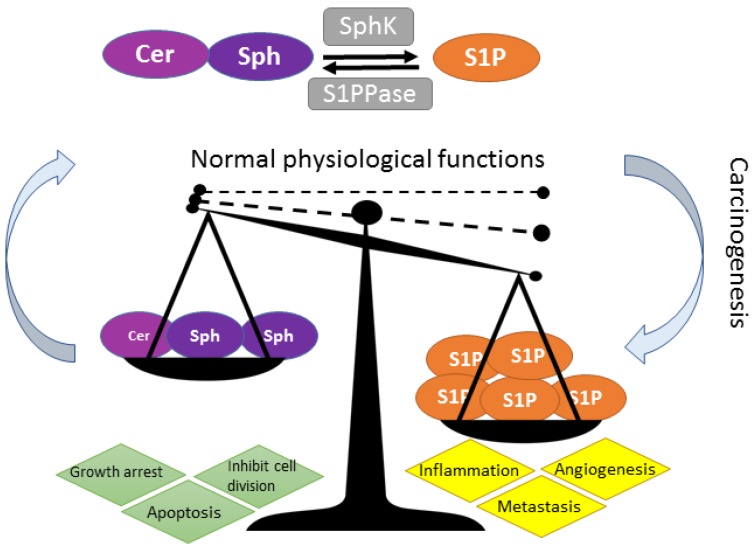
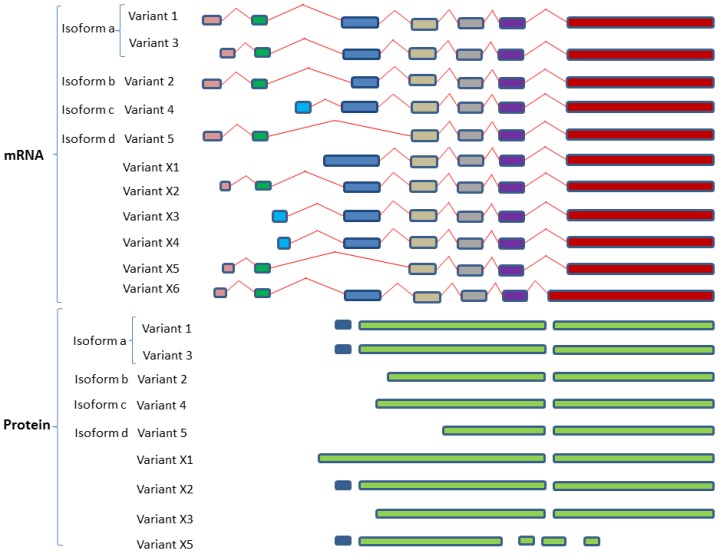
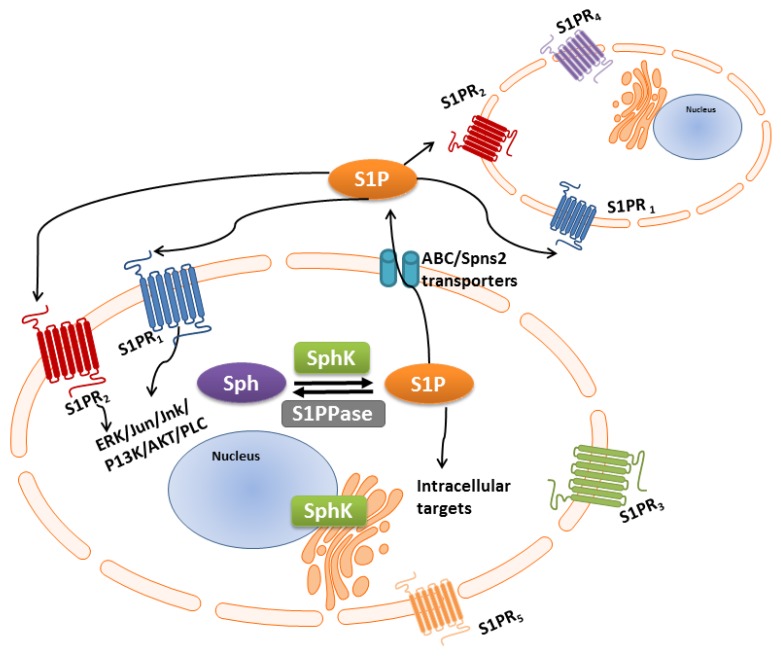
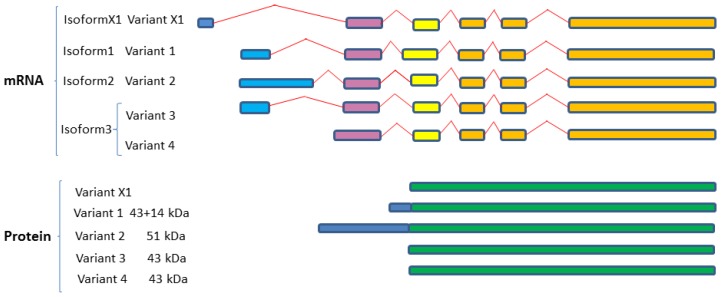
Sphingosine kinase (SphK) is a lipid enzyme that maintains cellular lipid homeostasis. Two SphK isozymes, SphK1 and SphK2, are expressed from different chromosomes and several variant isoforms are expressed from each of the isozymes, allowing for the multi-faceted biological diversity of SphK activity. Historically, SphK1 is mainly associated with oncogenicity, however in reality, both SphK1 and SphK2 isozymes possess oncogenic properties and are recognized therapeutic targets. The absence of mutations of SphK in various cancer types has led to the theory that cancer cells develop a dependency on SphK signaling (hyper-SphK signaling) or "non-oncogenic addiction". Here we discuss additional theories of SphK cellular mislocation and aberrant "dicing and splicing" as contributors to cancer cell biology and as key determinants of the success or failure of SphK/S1P (sphingosine 1 phosphate) based therapeutics.
鞘氨醇激酶(SphK)是一种脂质酶,可维持细胞内脂质的动态平衡。两种 SphK 同工酶,SphK1 和 SphK2,分别由不同的染色体表达,并且每种同工酶都表达几种变体同工酶,从而使 SphK 活性具有多种生物学多样性。从历史上看,SphK1 主要与致癌性相关,但是实际上,SphK1 和 SphK2 同工酶都具有致癌特性,并且被认为是治疗靶点。各种癌症类型中 SphK 无突变的存在导致了这样一种理论,即癌细胞对 SphK 信号(高 SphK 信号)或“非致癌性成瘾”产生依赖性。在这里,我们讨论了 SphK 细胞定位错误和异常“切块和拼接”的其他理论,这些理论是癌症细胞生物学的贡献者,也是 SphK/S1P(鞘氨醇 1 磷酸)为基础的治疗成功或失败的关键决定因素。